TLDR
Most of the world’s silver no longer ends up as jewelry or coins. Industry takes close to 60% of annual demand, led by electronics and solar panels, because silver conducts electricity and heat better than any other metal. The rest goes to jewelry, silverware, bars and coins, and a long tail of medical, chemical and household uses.
Table of contents
- Where silver demand comes from
- Electronics and electrical contacts
- Solar panels
- Cars, EVs and 5G
- Brazing, soldering and catalysts
- Mirrors and reflective coatings
- Medicine and antimicrobial uses
- Everyday and household uses of silver
- Jewelry, silverware, coins and investment
- Photography: the use that collapsed
- The safety catch: argyria
- FAQ
Where silver demand comes from
The old picture of silver is a spoon, a coin, a necklace. The current picture is a circuit board.
Industrial applications now account for close to 60% of global silver demand, according to the Silver Institute’s supply and demand data, and solar power alone has grown into one of the largest single uses. Total demand runs around 1.2 billion ounces a year, and for several years running it has outpaced mine supply, with recycled scrap filling part of the gap.
Here’s the overview. Shares are rounded and shift from year to year, so treat them as ballpark figures.
| Use | Approx. share of demand | Why silver |
|---|---|---|
| Electronics and electrical | 20–25% | Highest electrical conductivity of any metal |
| Solar panels | ~15–17% | Conductive paste that collects current from the cell |
| Jewelry | ~17% | Bright white color, easy to work, relatively affordable |
| Bars and coins | ~15% | Long history as money, tangible store of value |
| Brazing alloys, catalysts, other industrial | ~15% | Conductivity, low melting alloys, chemical reactivity |
| Silverware | ~4% | Looks good, kills surface microbes, takes a polish |
| Photography | ~2% or less | Light-sensitive silver halides (now a niche) |
Electronics and electrical contacts
Silver has the highest electrical conductivity of any metal, and the highest thermal conductivity too. Copper comes close and costs a fraction as much, which is why copper wires run through your walls. Silver gets the jobs where small size, low resistance and reliability matter more than price.
Look inside a phone, laptop or TV and silver is in the circuit traces, in the solder, in the membrane switches under the keys and in the contacts of tiny relays. It also doesn’t form an insulating oxide the way copper does. Tarnished silver is silver sulfide, and silver oxide still conducts reasonably well, so a switch contact that’s been closed a million times keeps working.
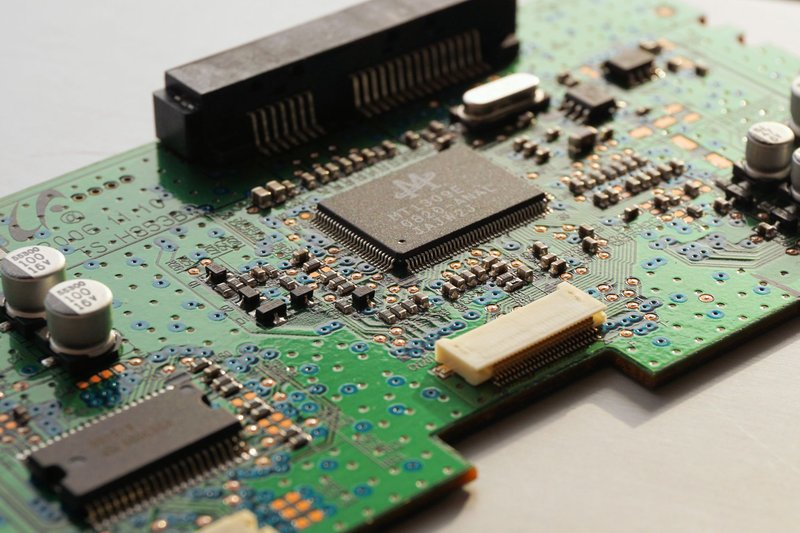
Other places it hides: RFID tags printed with silver ink, touchscreen bus lines, and the thin lines across the rear window of a car, a silver-ceramic paste that heats up to clear fog.
Solar panels
Every crystalline silicon solar cell carries a fine grid of silver paste on its surface. The silicon generates the current, and the silver lines collect it. The thin, bright fingers you can see on a panel are silver.
This single use has gone from a rounding error to roughly a sixth of annual demand in about fifteen years, and the Silver Institute reports record photovoltaic demand in recent years as installations keep climbing. Manufacturers are cutting the silver per cell, and some are testing copper pastes, but the rising number of panels has outrun the savings so far.

The reason silver wins here is a combination: top conductivity, paste that bonds well to silicon when fired, and a long track record in mass production. Switching a proven process costs more than it saves, so the industry changes slowly.
Cars, EVs and 5G
A conventional gasoline car contains roughly 15 to 28 grams of silver in switches, sensors, relays, lighting and the defroster. Hybrids and battery-electric vehicles use more, because they carry more power electronics, inverters, charging hardware and battery management systems.
5G adds another layer. High-frequency signals lose more energy in poor conductors, so antennas, base station components and RF filters lean on silver plating and silver pastes. None of these parts use much silver on their own. Multiplied by billions of devices, they add up.
Brazing, soldering and catalysts
Silver brazing alloys join metals that need a strong, leak-tight seam at moderate temperatures. Refrigerators, air conditioners, and heat exchangers rely on silver-bearing brazing rods to join copper tubing without melting it. Aerospace and electrical equipment use them for the same reason.
Silver is also a catalyst, and a very specific one. Industrial plants make ethylene oxide, the feedstock for antifreeze and polyester, by passing ethylene and oxygen over a silver catalyst. Almost no other metal does that reaction as selectively. Silver-based catalysts also show up in formaldehyde production, and formaldehyde is the simplest aldehyde.
Silver-oxide button cells still power many watches and hearing aids, which is one reason you can find silver in a drawer of dead batteries.
Mirrors and reflective coatings
Polished silver reflects more than 95% of visible light, more than aluminum, gold or copper. That’s why the first good household mirrors, made by the chemist Justus von Liebig’s 1835 silvering process, were coated with a thin film of metallic silver.
Most modern mirrors still use a silver layer behind the glass, sealed with paint so it won’t tarnish. Telescopes use protected silver coatings when they need maximum brightness in visible light, and low-emissivity window glass uses ultra-thin silver layers that let sunlight in and keep heat from leaking out.
Medicine and antimicrobial uses
Silver ions kill bacteria by punching into cell membranes and interfering with enzymes and DNA. That has made silver useful for centuries before anyone knew why.
Hospitals use silver-impregnated wound dressings for burns and chronic ulcers, silver sulfadiazine cream for burn patients, and silver-coated catheters to cut infection risk. Silver nitrate sticks cauterize small wounds and warts. For much of the 20th century, silver nitrate drops went into newborns’ eyes to prevent infection, until antibiotic ointments replaced them.
What silver is not is a general-purpose supplement. The U.S. National Center for Complementary and Integrative Health says there’s no good evidence that colloidal silver products treat any disease, and they carry real risks (see argyria below).
Everyday and household uses of silver
This is the corner rival pages mostly skip.
- Water filters: many ceramic and carbon filters are impregnated with silver to stop bacteria from growing inside the filter itself. It keeps the filter clean. It doesn’t make dirty water safe on its own.
- Clothing: silver-thread socks, gym shirts and base layers use silver to hold down odor-causing bacteria.
- Food packaging and storage: some antimicrobial films and containers use silver nanoparticles to slow spoilage.
- Appliances: certain washing machines and refrigerators advertise silver-ion surfaces.
- Cutlery and tableware: sterling silver, which is 92.5% silver and 7.5% copper, is still the traditional choice for formal flatware.
- Mirrors and touch panels: every smartphone screen and bathroom mirror you’ve used has some.
Jewelry, silverware, coins and investment
Jewelry is still the single biggest consumer category outside industry, about a sixth of demand, with India as the largest market. Sterling silver is the usual alloy because pure silver is too soft to hold up as a ring or bracelet.
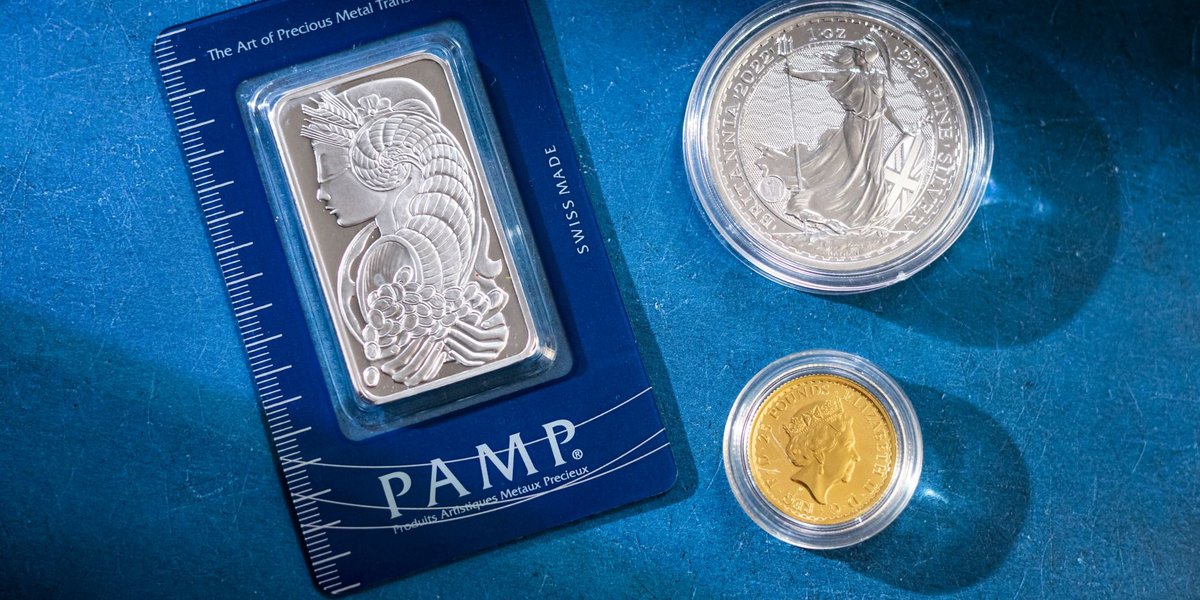
Silver was money for thousands of years. Before 1965, American dimes, quarters and half dollars were 90% silver, and the 1964 coins still sell above face value for the metal alone. Today bars and coins serve as an investment product, and investors hold silver as a hedge when currencies wobble. Investment demand is volatile, which is a big part of why silver’s price swings more than gold’s.

Photography: the use that collapsed
For most of the 20th century, photography was one of silver’s biggest markets. Film and photographic paper rely on silver halide crystals that darken when light hits them. Demand peaked around the year 2000 at roughly a quarter of a billion ounces a year.
Digital cameras ended that. Photographic demand has fallen to a small fraction of its peak, and the roughly 100-year-old chemistry now survives in film hobbyists, medical X-ray film and specialty printing. If a source tells you photography is a major use of silver, it’s quoting numbers from the 1990s.
The safety catch: argyria
Silver is non-toxic in solid form, which is why people wear it and eat off it. Ingesting silver compounds for months or years is a different matter. The result is argyria, a permanent blue-gray discoloration of the skin, eyes and organs caused by silver deposits. It doesn’t hurt, and it doesn’t go away.
The risk comes mainly from long-term use of homemade or commercial colloidal silver. Tarnished silverware and jewelry don’t cause it. For a technical overview of the element’s chemistry and uses, the Royal Society of Chemistry’s silver page is a good starting point.
FAQ
What is the most common use of silver? Industrial use overall, led by electronics and solar panels. Jewelry is the biggest single consumer category outside industry.
Why is silver used in electronics if copper is cheaper? Silver conducts better, resists oxide buildup at contacts, and works in very small components where reliability counts. Copper handles the bulk wiring. Silver handles the critical spots.
Where does silver come from? Mostly as a by-product of mining copper, lead, zinc and gold, with Mexico, China and Peru among the top producers, according to the U.S. Geological Survey. Since most silver is not mined on its own, higher prices don’t quickly translate into more supply.
Is silver antimicrobial? Yes. Silver ions kill or block bacteria, which is why it’s used in wound dressings, catheters, water filters and some clothing.
Can silver be recycled? Yes. Scrap from electronics, jewelry and old silverware supplies a meaningful slice of annual supply, though silver in tiny quantities inside devices is hard to recover.