Field of study
Applied Sciences
95 articles
 Biology
Benefits of Bioprinting: What It Can Do for Medicine
3D bioprinting builds living tissue layer by layer, using a printer that deposits “bioink,” a gel loaded with…
November 23, 2026
 Engineering
Facts About Electrical Engineering: 17 Verified Surprises
Flip a light switch and the bulb comes on instantly, yet the electrons in the wire are barely…
November 20, 2026
 Materials Science
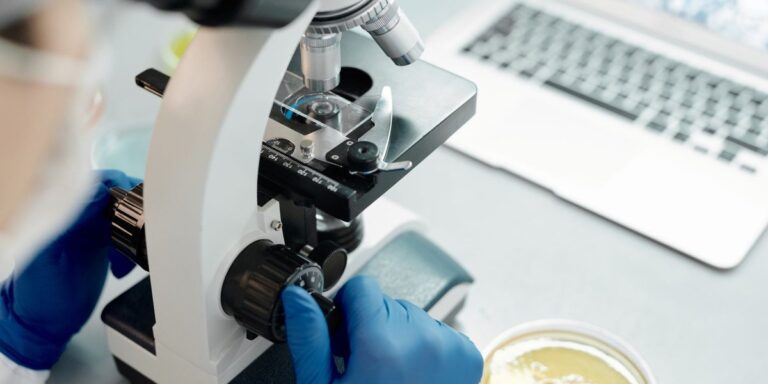
Benefits of Nanotechnology: What’s Real, What’s Hype
The nanoscale runs from 1 to 100 nanometers. A human hair is roughly 80,000 nanometers wide, so you’re…
November 16, 2026
 Chemistry
Uses of Tungsten: What It’s Used For and Why It Works
Tungsten has the highest melting point of any metal (3,422 °C), a density almost identical to gold’s, and…
November 16, 2026
 Technology
What Is a Sensor? Types, How They Work, and Examples
A sensor is a device that detects a physical quantity, such as temperature, light, pressure, or motion, and…
November 9, 2026
 Technology
20 Facts About Biomedical Engineering Worth Knowing
Biomedical engineers build the machines, implants and software that keep people alive, and a surprising number of them…
November 9, 2026
 Medicine
Medical Devices: What Counts and How They’re Classified
A medical device is any instrument, machine, implant, software or material used on people to diagnose, monitor, treat…
November 5, 2026
 Engineering
18 Facts About Robotics Engineering Most People Miss
Robotics engineering is the field that combines mechanical engineering (the body), electrical engineering (the nerves and muscles), and…
November 4, 2026
 Chemistry
Uses of Uranium: From Power Plants to Vintage Glass
TLDR Table of contents One element, three versions Almost every question about what uranium is used for comes…
November 1, 2026
 Biology
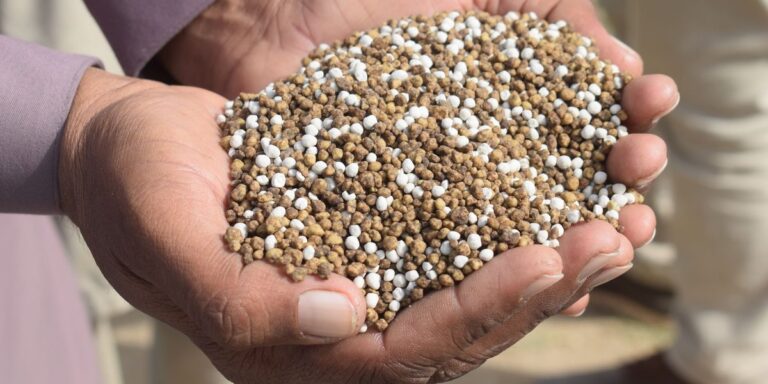
Examples of Fertilizers, With N-P-K Values and Uses
The most common examples of fertilizers are urea, ammonium sulfate, superphosphate, potassium chloride (muriate of potash), NPK blends,…
November 1, 2026
