Biomedical engineers build the machines, implants and software that keep people alive, and a surprising number of them started as improvised experiments. The first dialysis machine used sausage casings and orange juice cans. The first practical ECG weighed as much as a motorcycle. These facts about biomedical engineering cover the field’s origins, the devices you’ve likely used, what the job pays, and the research that’s reshaping medicine now.
Contents
- What Biomedical Engineering Is
- History and Inventions
- Devices in Everyday Life
- Biomedical Engineering Facts About Careers and Pay
- Where the Field Is Heading
What Biomedical Engineering Is
1. It’s engineering aimed at medicine, not medicine itself
Biomedical engineers apply engineering principles to biology and healthcare. They design imaging systems, prosthetics, implants, lab-on-a-chip diagnostics and the software that runs them. They don’t diagnose patients. They build what the people who do diagnose patients rely on.
2. Three similar names mean three different things
Biomedical engineering, bioengineering and biomedical science get mixed up constantly. Biomedical science studies how the body and disease work, usually in a lab, and doesn’t focus on building devices. Bioengineering is the wider term and can include agriculture, food and environmental systems. Many universities use “bioengineering” and “biomedical engineering” interchangeably for the same department, so check the curriculum rather than the label. The U.S. National Institutes of Health even has an institute built around the overlap: the National Institute of Biomedical Imaging and Bioengineering, established in 2000.
3. Every device you design has to clear a regulator
In the United States the FDA sorts medical devices into three classes by risk. A tongue depressor is Class I. Most diagnostic equipment is Class II. Life-sustaining implants such as heart valves are Class III and need premarket approval backed by clinical evidence. Biomedical engineers spend a large share of their time on documentation, testing and risk analysis, which rarely shows up in career brochures.
History and Inventions
4. The first practical ECG was a 270 kg machine
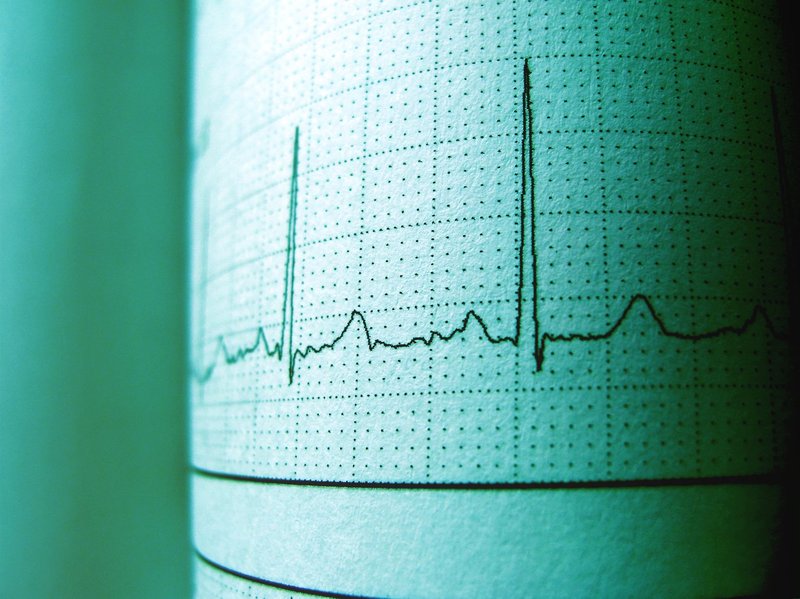
Willem Einthoven built his string galvanometer in the early 1900s to record the heart’s electrical signal. The early setup reportedly weighed around 270 kg and needed several people to run, and patients rested their hands and feet in buckets of salt solution to conduct the signal. Einthoven received the 1924 Nobel Prize in Physiology or Medicine for the discovery.
5. The first working dialysis machine was built in occupied Europe
Dutch physician Willem Kolff built the first working artificial kidney in 1943, while the Netherlands was under German occupation. He used sausage casings as the membrane, orange juice cans, and parts from a washing machine. Early patients mostly died, but in 1945 a 67-year-old woman named Sofia Schafstadt recovered kidney function after treatment and lived several more years.
6. The heart-lung machine made open-heart surgery possible
Surgeon John Gibbon spent roughly two decades developing a machine that could take over the work of the heart and lungs. In 1953 he used it to repair a hole in the heart of an 18-year-old patient, Cecelia Bavolek, in the first successful open-heart operation with full cardiopulmonary bypass. Engineers from IBM helped refine the design.
7. The first pacemaker patient received 26 of them
In 1958 in Stockholm, Rune Elmqvist (an engineer) and Åke Senning (a surgeon) implanted the first pacemaker in Arne Larsson. It failed within hours and was replaced the same day. Larsson went on to receive 26 pacemakers over his lifetime and died in 2001 at age 86. In the U.S., engineer Wilson Greatbatch and surgeon William Chardack implanted their own design in 1960. Greatbatch has often told the story that he reached for the wrong resistor while building a heart-sound recorder, and the circuit started pulsing like a heartbeat.
8. The ventilator that saved thousands was designed by a pilot
Forrest Bird was an aviator before he turned to medicine, and he applied pneumatic control principles from aircraft to breathing support. His Bird Mark 7 respirator, introduced in the late 1950s, was compact and mechanical, and it ran on compressed gas instead of electricity. It became a standard tool in hospitals and field medicine.
9. The modern cochlear implant came from Melbourne
Australian otolaryngologist Graeme Clark developed the first multi-channel cochlear implant, and in 1978 it was fitted to Rod Saunders, an adult who had lost his hearing. Unlike a hearing aid, a cochlear implant doesn’t amplify sound. It converts sound into electrical pulses that stimulate the auditory nerve directly. The National Institute on Deafness and Other Communication Disorders reported about 736,900 registered implants worldwide as of 2019.
10. The first permanent artificial heart kept a patient alive for 112 days
In 1982 a team at the University of Utah, including Willem Kolff, implanted the Jarvik-7 in retired dentist Barney Clark. He lived 112 days, tethered to a large external air compressor. The device wasn’t a success by modern standards, but it proved a mechanical heart could sustain a person, and it shaped the design of later ventricular assist devices.
Devices in Everyday Life
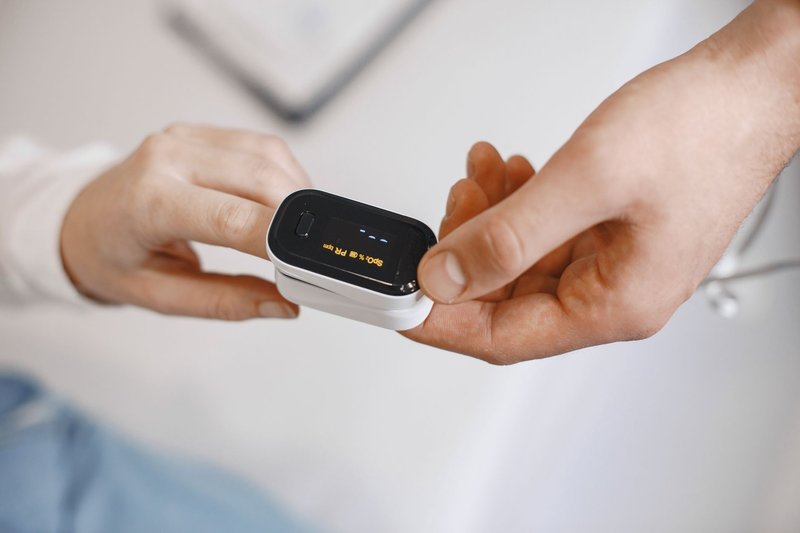
11. The clip on your fingertip in the ER was invented by an engineer
Takuo Aoyagi, a Japanese engineer at Nihon Kohden, developed the principle behind the pulse oximeter in the early 1970s. It compares how red and infrared light pass through the skin to estimate the oxygen level in your blood, with no needle involved. It’s now a standard monitor in operating rooms, ambulances and, since 2020, a lot of home medicine cabinets.
12. A hip replacement is a carefully engineered friction problem
British surgeon John Charnley developed the “low-friction arthroplasty” in the 1960s: a metal stem, a small metal ball, a plastic socket and acrylic bone cement to hold everything in place. Reducing friction was the whole point, because high friction loosens implants. Modern hip replacements are far more varied, but they still follow the same core logic.
13. Your wrist can now record an ECG
Einthoven’s 270 kg machine has a descendant strapped to millions of arms. In 2018 the FDA cleared the Apple Watch’s ECG feature, which records a single-lead tracing in about 30 seconds and flags signs of atrial fibrillation. It doesn’t replace a 12-lead hospital ECG, but it catches irregular rhythms that people would otherwise never know they had.
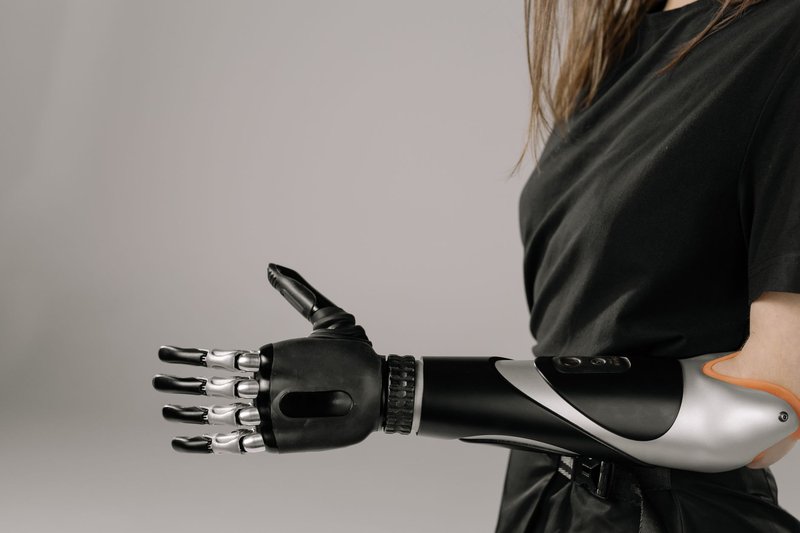
14. Some bionic arms are controlled by rewired nerves
Targeted muscle reinnervation, developed by Todd Kuiken’s team in Chicago in the early 2000s, takes the nerves that once ran to a lost arm and reconnects them to muscles in the chest. When the patient thinks about closing a hand, a chest muscle twitches, sensors pick it up, and the prosthetic hand closes. The prosthesis responds to the same intention that used to move the original limb.
Biomedical Engineering Facts About Careers and Pay
15. The median pay is above $109,000
According to the Bureau of Labor Statistics, the median annual wage for biomedical engineers was $109,370 in May 2025. That’s well above the median for all U.S. occupations. Pay varies with industry, location and experience, and the median covers everyone from new graduates to senior device designers.
16. A bachelor’s degree is enough to get in, and demand is growing
Entry-level jobs typically require a bachelor’s degree in biomedical engineering or a related engineering field. The BLS projects 8% job growth from 2025 to 2035, faster than the average for all occupations. The field is small, though: roughly 23,800 people hold the job title. That number undercounts the degree’s reach, because many graduates go on to medical school, pharmaceutical work, regulatory roles or other engineering fields.
| Quick facts (U.S., BLS) | Figure |
|---|---|
| Median annual pay (May 2025) | $109,370 |
| Number of jobs | About 23,800 |
| Projected growth, 2025-35 | 8% |
| Typical entry-level education | Bachelor’s degree |
Where the Field Is Heading
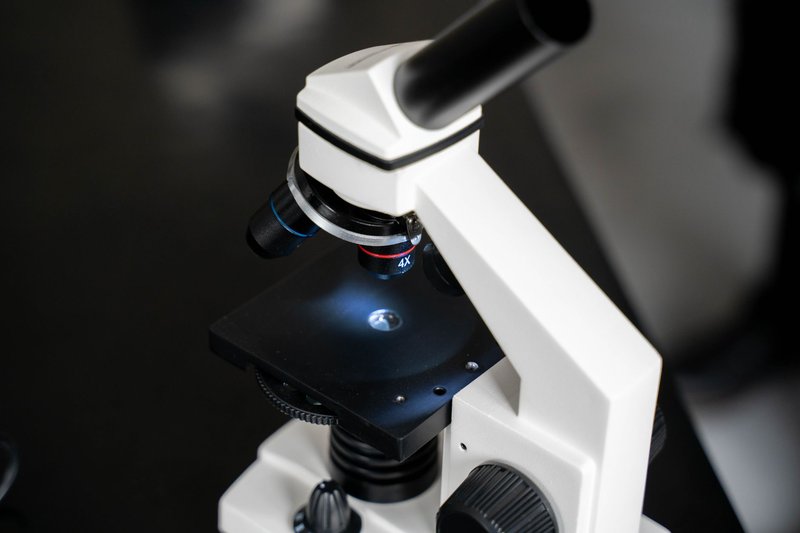
17. Organs-on-chips could replace some animal testing
In 2010, researchers at Harvard’s Wyss Institute published a lung-on-a-chip in Science: a flexible membrane lined with human lung cells on one side and capillary cells on the other, stretched by vacuum to mimic breathing. Similar chips now model the gut, liver and kidney. In December 2022 the U.S. FDA Modernization Act 2.0 removed the requirement that drug candidates be tested on animals before human trials, which opened the door for chips and other lab-based methods.
18. Brain implants are decoding attempted speech
In 2023 a Stanford team published results in Nature showing that an implanted brain-computer interface could decode a woman’s attempted speech at about 62 words per minute. She had lost the ability to speak because of ALS. The same year a UCSF team reported a faster system with a digital avatar. Neuralink implanted its first human patient in January 2024. Interface hardware, signal processing and surgical tools are all biomedical engineering problems.
19. Bioprinting is real but still early
Bioprinters deposit living cells in layers using a gel called bio-ink. In 2022 the company 3DBio Therapeutics implanted a 3D-printed ear made from a patient’s own cells in a clinical trial. Simple tissues like cartilage and skin patches are furthest along. A printed solid organ such as a kidney remains years away, because the hard part is building the blood vessels that keep thick tissue alive.
20. The FDA has authorized more than 1,000 AI-enabled devices
The FDA keeps a public list of AI-enabled medical devices it has authorized, and it passed 1,000 entries in 2025. Most are imaging tools, especially in radiology, that flag suspicious findings on scans for a clinician to review. Biomedical engineers are the people who validate those algorithms, integrate them into scanners and prove they work across different hospitals and patient groups.