

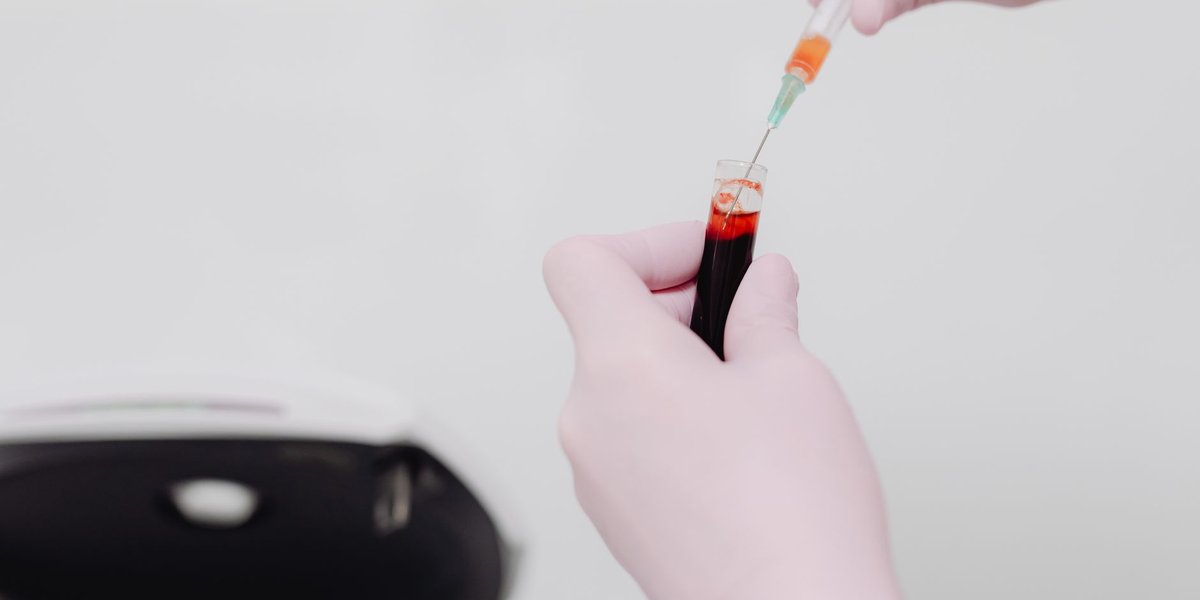
Diagnostic tests are the tools doctors use to confirm or rule out a specific condition in a person who already has symptoms, an abnormal screening result, or a known risk. A blood draw, an MRI, a biopsy and a treadmill ECG all count. What they share is the question they answer: “What is causing this?”
That separates them from screening tests, which look for disease in people with no symptoms. The National Cancer Institute draws the same line: screening checks healthy people for early signs of disease, and a positive screen usually leads to a diagnostic test to find out whether the disease is actually there.
TLDR
- A diagnostic test answers “do I have this condition?” for someone with symptoms or a worrying screening result. A screening test checks people who feel fine.
- Tests fall into five groups: blood and urine, imaging, biopsy and endoscopy, genetic, and functional (ECG, stress tests).
- Only some are invasive. X-ray, CT, MRI, ultrasound and ECG are not. Biopsies and endoscopies are.
- No test is perfectly accurate. A positive result for a rare condition is often a false alarm, and a single abnormal number rarely means much on its own.
- Before any test, ask what it’s looking for, how to prepare, when results arrive, and what happens if it’s normal.
Contents
- Diagnostic tests vs screening tests
- The main types of diagnostic tests
- Quick comparison table
- How to prepare for a diagnostic test
- How to read your results
- At-home diagnostic tests
- Questions to ask your doctor
- FAQ
Diagnostic tests vs screening tests
The difference is who gets tested and why.
A mammogram for a woman with no symptoms is screening. A mammogram plus ultrasound after she finds a lump is diagnostic. The same machine can do both jobs. The label depends on the situation.
Screening tests are designed to be quick and cast a wide net, so they accept more false alarms. Diagnostic tests are chosen to be more specific, because they decide treatment. A positive screening result is a reason to test further, not a diagnosis.
The main types of diagnostic tests
Blood and urine tests
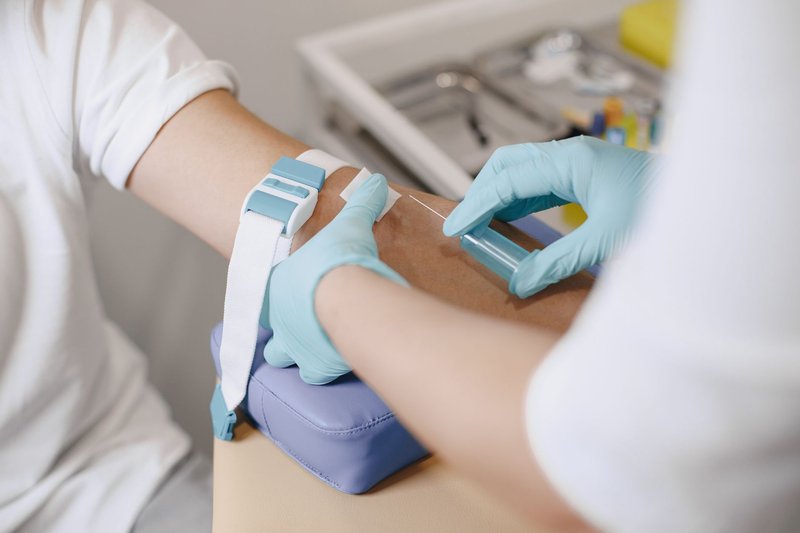
These are the workhorses. A single blood sample can feed dozens of tests: a complete blood count for anemia and infection, a metabolic panel for kidney and liver function, fasting glucose or HbA1c for diabetes, thyroid hormones, cholesterol, markers of inflammation. Urine tests check for infection, kidney damage, and sugar or protein that shouldn’t be there.
MedlinePlus, run by the U.S. National Library of Medicine, has a plain-language entry for hundreds of individual lab tests, including what each one measures and what the preparation involves.
Blood tests are minimally invasive: a needle in a vein, a few minutes, a bruise now and then. Urine tests are non-invasive.
Imaging tests
Imaging shows structures inside the body without surgery.
- X-ray uses a small dose of ionizing radiation. It’s the first choice for broken bones and many chest problems. Examples of X-rays show what each type of image reveals.
- CT (computed tomography) stitches many X-ray images into cross-sections. It’s fast, which is why it dominates emergency rooms for head injuries, internal bleeding and suspected clots.
- MRI uses strong magnets and radio waves, with no ionizing radiation. It shows soft tissue (brain, spinal cord, joints, ligaments) in more detail than CT.
- Ultrasound uses sound waves. It’s the standard for pregnancy, gallbladder, thyroid and many heart checks.
All four are non-invasive. Some CT and MRI scans use contrast dye given through an IV, which adds a needle but isn’t a surgical procedure.
Biopsy and endoscopy
A biopsy removes a small piece of tissue so a pathologist can examine it under a microscope. For many cancers it’s the only way to confirm the diagnosis, because imaging can show a suspicious mass but can’t say what it’s made of.
Endoscopy puts a thin, flexible tube with a camera inside the body: down the throat for the stomach (gastroscopy), through the rectum for the colon (colonoscopy), through the airways for the lungs (bronchoscopy). The scope can take biopsies as it goes.
These are invasive tests. Most are outpatient procedures, often with sedation or local anesthetic, but they carry real if small risks, including bleeding and infection.
Genetic tests
Genetic tests look at DNA, usually from blood or saliva, to find a variant in a gene linked to a condition. As diagnostic tests, they confirm suspected inherited disorders such as cystic fibrosis or Huntington’s disease, and they help identify which mutations drive certain cancers, which guides treatment choices.
They’re non-invasive to collect, but results often take weeks, and a result can show a variant of uncertain significance, meaning scientists don’t yet know whether it matters. That’s a genuine outcome, not a lab error.
Functional tests
Functional tests measure how an organ works rather than what it looks like.
- ECG (electrocardiogram) records the heart’s electrical activity through electrodes on the skin.
- Stress test records the ECG while you walk on a treadmill, to see how the heart copes under load.
- Spirometry measures how much air you can blow out and how fast, used for asthma and COPD.
- Sleep studies record breathing, oxygen and brain activity overnight.
All are non-invasive. The main exception is a stress test using medication instead of exercise, which involves an IV.
Quick comparison table
| Test | What it detects | Invasive? | Typical preparation |
|---|---|---|---|
| Blood panel | Anemia, infection, diabetes, kidney and liver problems, cholesterol | Minimally (needle) | Fasting 8-12 hours for some tests (glucose, some lipid panels) |
| Urinalysis | Urinary infection, kidney disease, excess sugar or protein | No | Often a clean-catch midstream sample |
| X-ray | Fractures, pneumonia, some lung and bone disease | No | Remove metal and jewelry in the area |
| CT scan | Bleeding, clots, tumors, internal injuries | No (IV if contrast is used) | May need fasting for a few hours if contrast is used |
| MRI | Brain, spine, joint and soft tissue problems | No (IV if contrast is used) | Remove all metal; tell staff about implants or pacemakers |
| Ultrasound | Pregnancy, gallstones, thyroid, heart and blood flow | No | Full bladder for pelvic scans; fasting for many abdominal scans |
| Biopsy | Cancer, inflammation, infection in a tissue sample | Yes | Varies by site; may mean pausing blood thinners |
| Colonoscopy | Polyps, colon cancer, bowel inflammation | Yes | Bowel-cleansing prep the day before |
| Genetic test | Inherited disorders, tumor mutations | No (blood or saliva) | Usually none |
| ECG | Rhythm problems, signs of heart damage | No | Usually none |
| Stress test | Reduced blood flow to the heart | No | Comfortable clothes; ask about caffeine and medications |
How to prepare for a diagnostic test
Prep is where most patients get tripped up, and it’s the part top health pages tend to skip. Ask for written instructions, because the rules differ by test and by clinic.
Fasting. Fasting glucose requires about eight hours with no food or caffeine, only water. Some cholesterol tests also ask for 9-12 hours, though many labs now accept non-fasting samples. Eating by mistake can skew results, so tell the lab rather than guessing.
Medications. Don’t stop a prescription on your own. But do ask whether any should be paused. Blood thinners matter before a biopsy, and metformin is commonly held around contrast CT scans, depending on kidney function. Some supplements, biotin (vitamin B7) in particular, can interfere with certain lab assays, including thyroid and troponin tests.
Metal and implants. MRI machines are magnets. Pacemakers, certain implants and metal fragments can rule an MRI out or require special protocols. Disclose everything beforehand.
Bowel and bladder. Colonoscopy needs a laxative-based prep the day before, and it’s the part people dread most. Pelvic ultrasound usually needs a full bladder.
Logistics. If you’re sedated, you’ll need someone to drive you home.
Cost and timing. Cost varies widely by country, insurer and facility. If you’re in the U.S., ask for the billing code, check whether the test needs prior authorization, and confirm the lab is in-network. A routine blood panel often returns in one to two days. Imaging reports can take from a few hours to a few days. Biopsy pathology typically takes several days to a couple of weeks. Genetic tests can take several weeks.
How to read your results

Most lab results come with a reference range. MedlinePlus explains that reference ranges are usually built from the results of healthy people, and a result outside the range isn’t automatically a sign of disease. Ranges differ between labs, and they can differ by age and sex.
Here’s the detail most people miss. A typical reference range covers the middle 95% of healthy people. That means roughly 1 in 20 perfectly healthy people will fall outside the range on any single test. Run a panel of 20 tests and the odds of at least one flagged value in a healthy person are high. One slightly off number, with no symptoms and nothing else abnormal, is often noise. Doctors look at trends and patterns, not isolated values.
False positives and false negatives
A false positive says you have a condition you don’t. A false negative says you’re clear when you’re not. Two numbers describe how often a test makes each error:
- Sensitivity is how well it catches people who have the condition. A test with 95% sensitivity detects 95 of every 100 people who have it and misses 5.
- Specificity is how well it clears people who don’t. A test with 95% specificity correctly gives a negative result to 95 of every 100 healthy people and falsely flags 5.
Those sound reassuring until you apply them to a rare condition. Take an illustrative example: a disease affects 1 in 100 people, and the test has 95% sensitivity and 95% specificity. Test 10,000 people:
- 100 have the disease, and the test catches 95 of them.
- 9,900 don’t, and the test wrongly flags 5% of them: 495 people.
- That’s 590 positive results, and only 95 are real.
So a positive result means about a 16% chance of actually having the disease. This is why a positive screening test leads to a second, more specific test instead of treatment. It’s also why the same result means something different in someone with strong symptoms, where the condition is far more likely before the test.
Reading the result sheet
- Check the units (mg/dL and mmol/L are not interchangeable).
- Note the flag (H or L) and how far from the range the value sits. Slightly high and very high are different problems.
- Compare to previous results. A value that’s stable year after year, even if slightly outside the range, is usually less worrying than one that’s moving.
- Ask what the result changes. If nothing in the plan would change either way, ask why the test is needed.
At-home diagnostic tests
Home tests are now common: pregnancy tests, blood glucose meters, COVID-19 and flu antigen tests, urinary tract infection strips, and mail-in kits for cholesterol, HbA1c or STIs. The FDA’s guidance on home use tests notes that these can be useful but that results should be confirmed with a health care provider when the stakes are high or the result is unexpected.
The reliability varies. Home pregnancy tests are accurate when used correctly after a missed period. Rapid antigen tests for respiratory viruses are less sensitive than lab PCR tests, particularly early in an infection, so a negative result with symptoms may need a repeat test or a lab test. Look for tests that are FDA-cleared, authorized or approved, or carry the equivalent in your country, and follow timing instructions exactly, since reading a result too late is a common source of error.
Direct-to-consumer genetic tests deserve extra caution. A report that flags or clears a variant isn’t a clinical diagnosis, and a negative result doesn’t rule out a condition.
Questions to ask your doctor
Take these to the appointment:
- What are you looking for with this test, and what else could it show?
- Is this a diagnostic test or a screening test?
- How accurate is it? How often does it miss the condition, or flag it when it isn’t there?
- Is it invasive, and what are the risks?
- How do I prepare: fasting, medications, clothing, someone to drive me home?
- When will I get results, and who will contact me, you or the lab?
- What happens if the result is normal? And if it’s abnormal?
- What will it cost, and does my insurance cover it?
- Is there a less invasive or cheaper alternative that would answer the same question?
Write the answers down. Appointments are short, and nerves wipe memory.
FAQ
What is the difference between a screening test and a diagnostic test?
A screening test checks people without symptoms for early signs of a condition. A diagnostic test is used in people with symptoms or an abnormal screening result, to confirm or rule out a specific diagnosis.
Are all diagnostic tests invasive?
No. X-rays, CT scans, MRIs, ultrasounds, ECGs and most urine and saliva tests are non-invasive. Blood draws are minimally invasive. Biopsies, endoscopies and colonoscopies are invasive.
Can a diagnostic test be wrong?
Yes. Every test has a false positive and false negative rate. Doctors reduce the risk by combining test results with symptoms, history and sometimes a second test.
Do I need to fast before blood work?
Only for some tests. Fasting glucose requires it, and some lipid panels do. A complete blood count usually doesn’t. Follow the instructions you’re given for your specific test.
How long do results take?
It depends on the test. Rapid tests take minutes, routine blood work one to two days, imaging hours to days, biopsies several days to two weeks, and genetic tests often weeks.
Are at-home diagnostic tests reliable?
Some are, such as pregnancy tests used correctly. Others, like rapid antigen tests, are less sensitive than lab versions, so a negative result with symptoms may need confirmation.
What should I do if my result is abnormal?
Don’t panic and don’t self-diagnose from a single number. Ask your doctor what the result means in context, whether to repeat it, and what follow-up test would confirm or rule out the condition.
This article is for general education and isn’t medical advice. Talk to a qualified health professional about your own symptoms and test results.