“Washington” means two places, so first: this guide covers Washington, D.C. If you’re headed to Washington State, the short version is the Pacific Science Center and the Museum of Flight, both in Seattle. Everything below is the District and its immediate suburbs.
D.C. has more science museums per square mile than almost any city in the country, and most of them cost nothing. The catch is logistics. One needs a timed pass booked weeks ahead, one is a 45-minute drive from the Mall, one is a defunct museum that still turns up on old lists, and one only opened this summer.
Contents
- TLDR
- Quick comparison
- National Museum of Natural History
- National Air and Space Museum
- National Geographic Museum of Exploration
- National Children’s Museum
- National Museum of Health and Medicine
- Free vs. paid
- Science museums for adults
- Rainy-day and itinerary planning
- A museum that no longer exists
TLDR
- Best overall: National Museum of Natural History. Free, no pass needed at last check, and you can spend a full day there.
- Best for space fans: National Air and Space Museum. Free, but you need a timed pass, released on the first of the month at noon ET, two months ahead.
- Best for young kids: National Children’s Museum. Paid, built for roughly toddler-to-elementary ages.
- Newest: National Geographic Museum of Exploration, opened June 26, 2026. Paid.
- Most overlooked: National Museum of Health and Medicine in Silver Spring, Maryland. Free, and the weirdest collection on the list.
Quick comparison
| Museum | Cost | Best for | Nearest Metro | Time needed |
|---|---|---|---|---|
| Natural History | Free | All ages, fossils, gems, animals | Smithsonian or Federal Triangle | 3 to 5 hours |
| Air and Space (Mall) | Free, timed pass required | Ages 6+, space and aviation | L’Enfant Plaza | 2 to 4 hours |
| Air and Space (Udvar-Hazy) | Free entry, parking fee | Aviation fans, Space Shuttle Discovery | None close; drive | 3 to 4 hours |
| National Geographic Museum of Exploration | About $30 adult | Teens and adults, photography, geography | Farragut North | 2 to 3 hours |
| National Children’s Museum | About $19 per person | Under 10 | Federal Triangle | 2 to 3 hours |
| National Museum of Health and Medicine | Free | Teens and adults | Silver Spring (plus a bus or rideshare) | 1 to 2 hours |
Prices and hours change. Confirm on each museum’s site before you go.
National Museum of Natural History
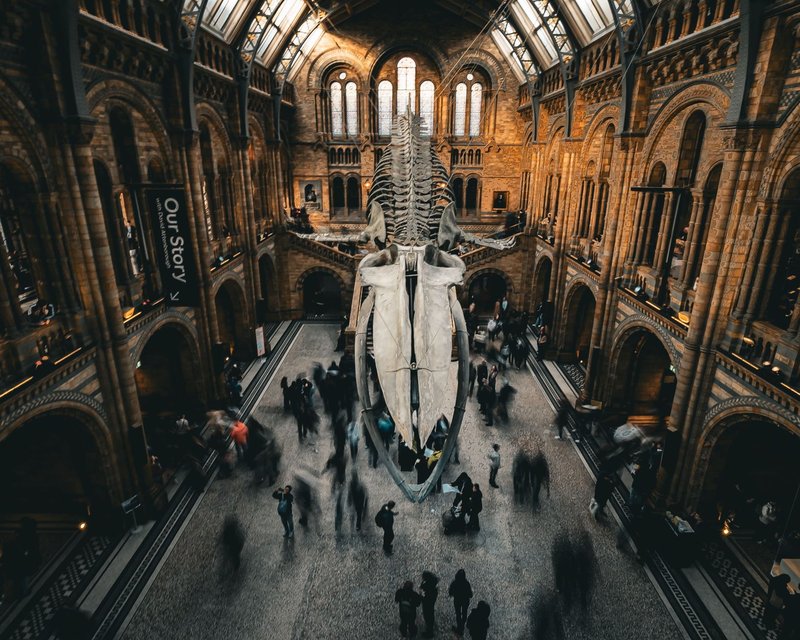
The Smithsonian’s most visited science museum is the one with the Hope Diamond, a 45.52-carat blue stone that sits in a rotating case and draws a permanent crowd. Go there first thing, then double back when it thins out.
The better science is elsewhere in the building. The Deep Time hall walks you through 3.7 billion years of life with real fossils, including a T. rex posed mid-lunge over a fallen Triceratops. The Sant Ocean Hall is anchored by Phoenix, a 45-foot model of a North Atlantic right whale, with exhibits on why the species is down to a few hundred animals. The O. Orkin Insect Zoo is free and has live tarantulas fed on a schedule. The Butterfly Pavilion costs extra.
- Best for: Every age. The only museum on this list that works for a toddler and a geology major on the same day.
- Cost: Free. The Butterfly Pavilion and some films are separate tickets.
- Metro: Smithsonian (Blue, Orange, Silver) or Federal Triangle.
- Time: Three hours minimum.
- Tip: Enter from the Constitution Avenue side. The line at the National Mall entrance is usually the longer one.
National Air and Space Museum
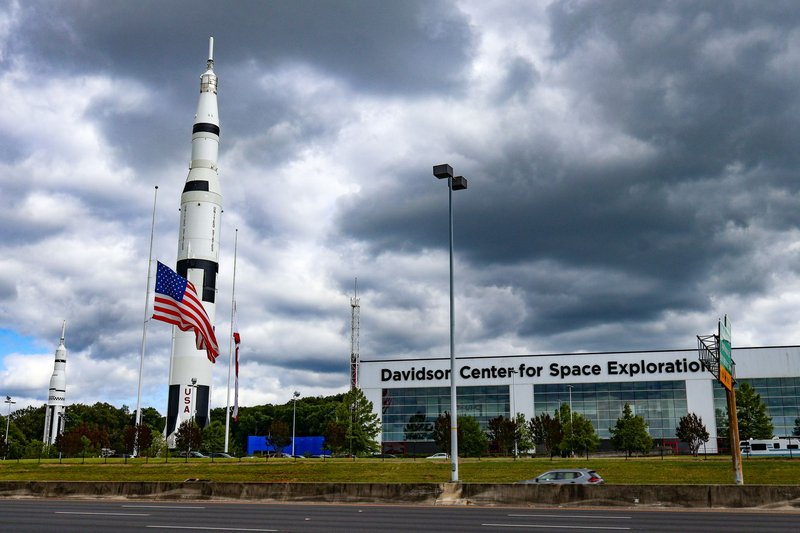
This is the museum with the 1903 Wright Flyer and the Apollo 11 command module Columbia, and it has been rebuilding itself gallery by gallery since 2018. According to the museum’s own visitor FAQ, 18 galleries are open, with the remaining ones scheduled to open in fall 2026. Check that list before you go so you know which exhibits you’re actually getting.
Free timed-entry passes are required for everyone, kids included. You can reserve up to nine at a time. Passes are released on the first of each month at noon ET for the month two months out, and weekend slots go fast. Entry is scanned at the north door on Jefferson Drive SW.
The Mall building has no parking. Take the Metro.
The museum’s second location, the Steven F. Udvar-Hazy Center in Chantilly, Virginia, is the better pick for sheer scale. It’s a hangar holding Space Shuttle Discovery, an SR-71 Blackbird, a Concorde, and the Enola Gay. Entry is free, but you’ll pay a flat parking fee, and there’s no Metro station nearby. Plan on driving.
- Best for: Ages 6 and up, space and aviation fans.
- Cost: Free with a timed pass. The planetarium sells separate tickets at the on-site box office.
- Metro: L’Enfant Plaza (Mall building).
- Time: Two to four hours for the Mall building; a half day for Udvar-Hazy.
- Tip: Book the 10:00 a.m. slot. The museum is open 10:00 a.m. to 5:30 p.m. daily, but no one is admitted after 5:15 p.m.
National Geographic Museum of Exploration

Nat Geo’s old Explorers Hall was small. The replacement, which opened June 26, 2026 at 1600 M Street NW, is not. According to the museum’s exhibition page, it includes Photo Ark: Animals of Earth, a photography and video exhibit of species from the Society’s long-running project to document animals in captivity; Geoverse, an immersive theater showing rotating geography programs; a magazine wall of every cover since 1888; and a permanent photography exhibit called In Focus.
It’s more geography, exploration and natural history than lab science, but it fills a gap on this list: an indoor, adult-friendly option that isn’t Smithsonian-free. General admission started around $30 for adults at launch, and families enrolled in SNAP or WIC can use a $3 Museums for All ticket. A separate $10 ticket covers the outdoor evening show, Wonders of Our World: Ocean, from 6:30 to 7:15 p.m.
- Best for: Teens and adults. Kids who like animals.
- Cost: About $30 adult at launch; confirm current pricing.
- Metro: Farragut North (Red) is the closest. Farragut West and Dupont Circle are both walkable.
- Time: Two to three hours.
- Tip: Open 9 a.m. to 6 p.m. daily with last entry at 5 p.m. Weekday mornings are the quietest.
National Children’s Museum

This one is for kids, and it says so. The museum is at 1300 Pennsylvania Avenue NW in the Ronald Reagan Building, and its permanent areas are Dream Machine, Data Science Alley, Engineering Games + Play, Weather Worlds, and Climate Action Heroes, plus a space for toddlers. It’s hands-on STEAM, not artifacts behind glass.
Admission is timed-entry and was listed at $18.95 per person for anyone over one. Hours have varied between listings, with Tuesday the usual closed day, so check the calendar before you commit. Adults without kids will be bored.
- Best for: Under 10. Toddlers get a dedicated zone.
- Cost: About $19 per person; children under one are free.
- Metro: Federal Triangle (Blue, Orange, Silver).
- Time: Two to three hours.
- Tip: Book a morning slot. Afternoon groups arrive in force.
National Museum of Health and Medicine
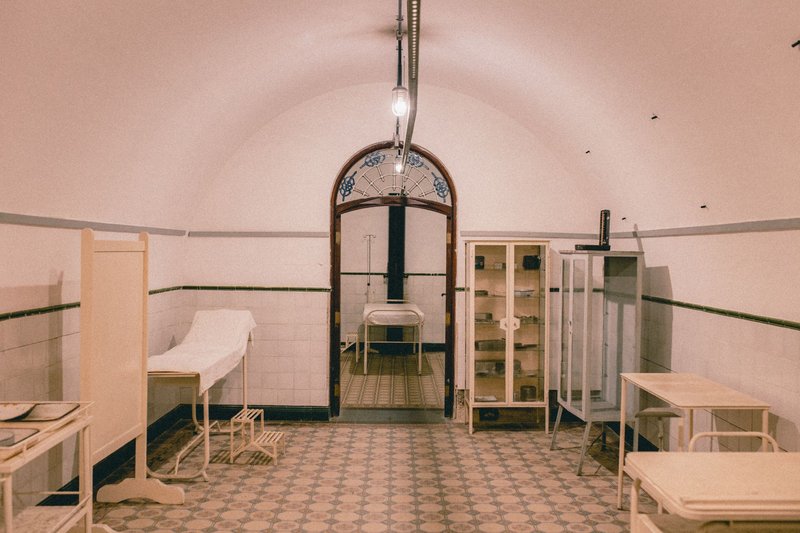
This is the one most visitors never find, because it’s not on the Mall. The museum sits on the former Walter Reed campus at 2500 Linden Lane in Silver Spring, Maryland, and it descends from the Army Medical Museum created in 1862 to study Civil War injuries. The collection includes preserved specimens and the history of battlefield medicine, anatomy and disease. Some of it is not for the squeamish.
Admission is free. The museum’s site is the place to confirm days and hours, because listings conflict. Recent ones show Wednesday through Sunday, 10:00 a.m. to 5:30 p.m. Bring a government-issued photo ID in case the front desk asks for one.
- Best for: Teens and adults with a stomach for it. Not for young kids.
- Cost: Free.
- Metro: Silver Spring is the closest station; you’ll need a bus or rideshare from there.
- Time: One to two hours.
- Tip: Pair it with nothing. It’s a separate trip.
Free vs. paid
Three of the five museums above cost nothing: Natural History, Air and Space, and the Museum of Health and Medicine. Free doesn’t mean friction-free. Air and Space needs a pass reserved well in advance, Udvar-Hazy charges for parking, and the Museum of Health and Medicine is a trek.
The paid options (Nat Geo and the Children’s Museum) trade crowds for a ticket price and tend to be easier to book last-minute. If you’re spending money anywhere, the Children’s Museum is worth it only with kids under 10. Nat Geo is worth it if you care about photography or geography.
The Museum of Illusions and similar paid attractions get listed as science museums. They’re optical-illusion rooms. Fun for ten minutes of puzzling, but not on par with any of the museums above.
Science museums for adults
Adults get the most out of Natural History (the Deep Time hall and the gem collection), the Mall’s Air and Space galleries, the Nat Geo museum’s evening show, and the Museum of Health and Medicine.
Rainy-day and itinerary planning
All of the museums here are indoors, so rain only changes the walking between them. The Mall pair (Natural History and Air and Space) are about a mile apart, which is a ten-minute Metro ride or a rainy 25-minute walk.
One day, no kids: Air and Space at 10:00 a.m. (with a booked pass), lunch near L’Enfant Plaza, then Natural History in the afternoon. Skip the Butterfly Pavilion and spend the extra time in Deep Time.
One day, with young kids: National Children’s Museum at opening, lunch in the Ronald Reagan Building food court, then Natural History’s Insect Zoo and Ocean Hall.
Two days: Day one is the one-day itinerary above. Day two is Udvar-Hazy in the morning, driving in from Virginia, and Nat Geo in the late afternoon if you’ve got energy left. Add the Museum of Health and Medicine on a separate day.
A museum that no longer exists
Older lists, including a few that still rank, recommend the Koshland Science Museum. It closed in late 2017, and the National Academy of Sciences replaced it with a public engagement program called LabX. If an article tells you to visit Koshland, check its publish date and keep looking.