TLDR
The most common synthetic polymers are polyethylene, polypropylene, PVC, polystyrene, PET (polyester), nylon, Teflon (PTFE), polyurethane, Kevlar, epoxy, silicone, and neoprene. They sort into four groups: thermoplastics (melt and reshape), thermosets (set permanently), fibers (spun into thread), and elastomers (stretch and snap back). A table near the end lists each one with its monomer, typical products, and recycling code.
Contents
- What makes a polymer synthetic
- Thermoplastics
- Synthetic fibers
- Thermosets
- Elastomers
- Addition vs condensation polymers
- Semi-synthetic cases: rayon and vulcanized rubber
- Summary table
- Environmental impact
- FAQ
What makes a polymer synthetic
A polymer is a long chain built from repeating units called monomers. Cellulose, DNA, silk, and natural rubber are polymers that organisms make. Synthetic polymers are the ones chemists build in a reactor, almost always from monomers derived from petroleum or natural gas.
The useful part is that you can tune them. Change the monomer, the chain length, or how the chains link together, and you get anything from a soft foam to a bulletproof vest. That’s why the examples below split into groups: the group tells you how the chains are arranged, and the arrangement tells you what the material does when you heat it or pull on it.
Thermoplastics
Thermoplastics are made of chains that sit next to each other without being chemically bonded. Heat them and the chains slide, so the material softens and can be reshaped. Cool it and it hardens again. That’s why most thermoplastics can be recycled by melting.
Polyethylene (PE). Monomer: ethylene. It’s the most produced plastic in the world. Low-density PE (LDPE) is soft and flexible and makes grocery bags and cling film. High-density PE (HDPE) is stiffer and makes milk jugs, detergent bottles, and playground equipment. Chemists at ICI in England first made it in 1933, by accident, when a high-pressure experiment left a waxy white solid in the vessel.
Polypropylene (PP). Monomer: propylene. It tolerates heat better than polyethylene, which is why yogurt tubs, microwave-safe food containers, and bottle caps are PP. It also survives repeated flexing, so the one-piece hinge on a flip-top cap is almost always polypropylene.
Polyvinyl chloride (PVC). Monomer: vinyl chloride. Rigid PVC is the white or grey plumbing pipe under your sink and the frame of many double-glazed windows. Add plasticizers and it turns flexible, which gives you garden hoses, cable insulation, and vinyl flooring.
Polystyrene (PS). Monomer: styrene. Solid polystyrene is the brittle, clear plastic of old CD cases and disposable cutlery. Blow gas through it while it forms and you get expanded polystyrene, the white foam in takeaway cups and packaging, which is roughly 95 to 98 percent air.
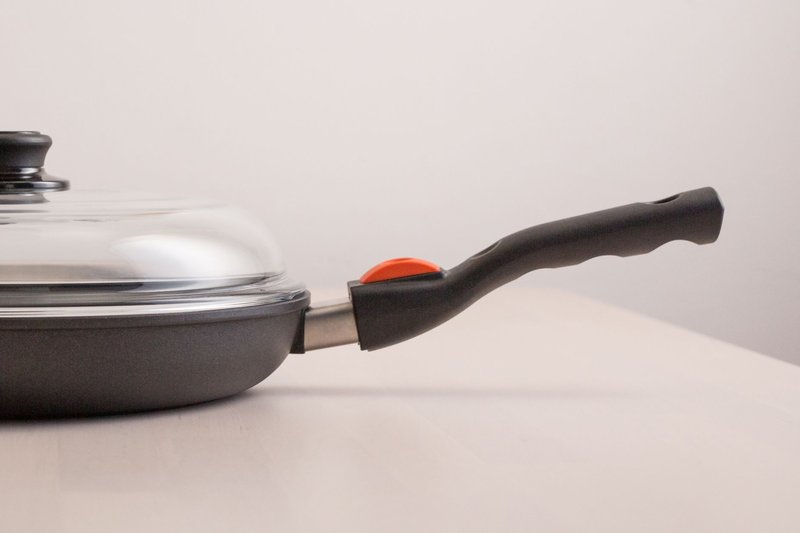
Polytetrafluoroethylene (PTFE, sold as Teflon). Monomer: tetrafluoroethylene. Roy Plunkett at DuPont found it in 1938 when a cylinder of gas that should have been full seemed empty, and he cut it open to find a slippery white powder. Almost nothing sticks to it and almost nothing attacks it chemically, so it coats nonstick pans, lines laboratory tubing, and seals valves in chemical plants.
Poly(methyl methacrylate) (PMMA, acrylic). Monomer: methyl methacrylate. It’s clearer than glass, shatters less, and weighs about half as much. Aquarium walls, aircraft canopies, and shop signs use it under brand names like Plexiglas.
Synthetic fibers
Fibers are polymers spun into threads. The chains line up along the length of the thread, which is where the strength comes from. Most of the tough ones are condensation polymers, a term explained below.
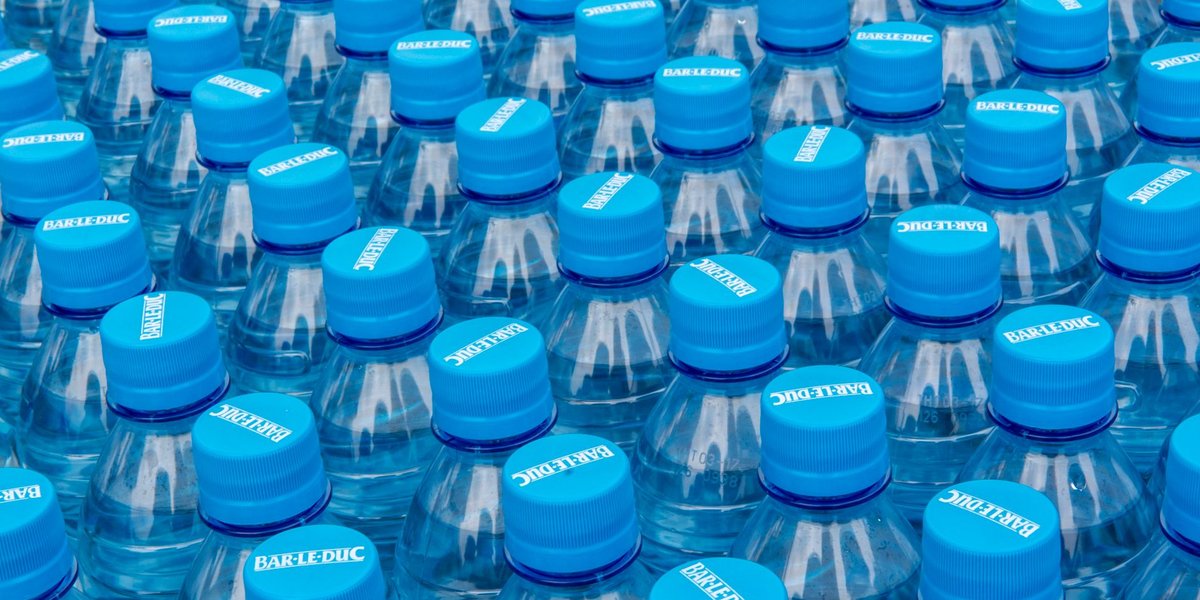
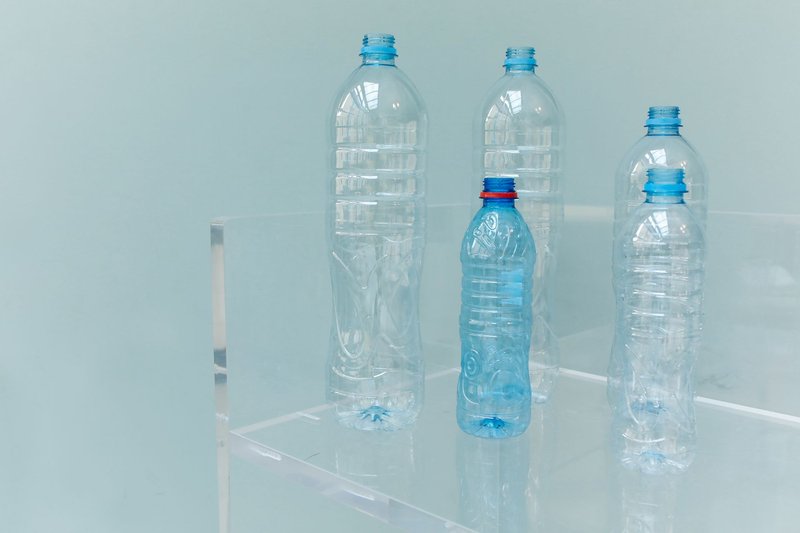
Polyester (PET). Monomers: ethylene glycol and terephthalic acid. The same polymer is two products depending on how it’s processed. Spun into thread, it’s the polyester in shirts, fleece jackets, and carpets. Blown into bottles, it’s the PET in water and soda bottles. Roughly speaking, a fleece jacket is a recycled-bottle story you can wear.
Nylon. Nylon 6,6 comes from hexamethylenediamine and adipic acid. Wallace Carothers and his team at DuPont developed it in the mid-1930s, and nylon stockings hit US stores in 1940. Today it’s in ropes, parachutes, backpack fabric, guitar strings, and zip teeth, and in molded form it makes gears and bearings.
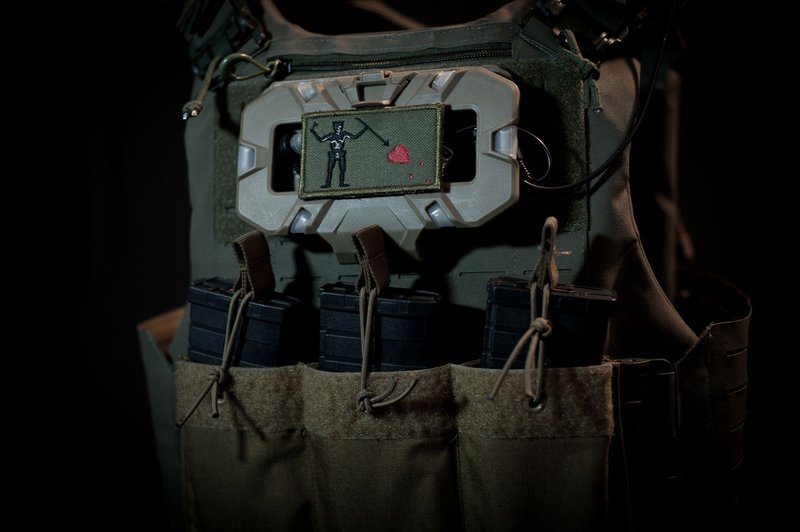
Kevlar (para-aramid). Monomers: terephthaloyl chloride and p-phenylenediamine. Stephanie Kwolek, a DuPont chemist, spotted an odd cloudy solution in 1965 that most people would have thrown out, and the fiber spun from it turned out to be remarkably strong. By weight it’s stronger than steel, and it goes into body armor, tire reinforcement, and the ropes on some spacecraft. The Science History Institute’s profile of Kwolek tells the story in detail.
Acrylic fiber. Monomer: acrylonitrile. It mimics wool, so it’s the fiber in cheap sweaters, blankets, and craft yarn.
Thermosets
Thermosets work the other way around. During curing, the chains bond to each other in a rigid three-dimensional network. Once set, heating won’t soften them. They burn or char instead. That makes them strong and heat-resistant, and hard to recycle.
Bakelite (phenol-formaldehyde resin). Monomers: phenol and formaldehyde. Leo Baekeland patented it in 1907, and it was the first fully synthetic plastic. Old telephones, radio casings, and the handles of some pots are Bakelite. Its modern descendants hold together the plywood and particle board in furniture.
Epoxy. Made from epichlorohydrin and bisphenol A, then cured with a hardener. That’s why epoxy glue comes in two tubes: mixing resin and hardener starts the cross-linking. It’s also the matrix in carbon-fiber bike frames, the coating on circuit boards, and the clear finish on river tables.
Melamine-formaldehyde. Monomers: melamine and formaldehyde. Hard, scratch-resistant, and heat-tolerant. Think of laminate kitchen countertops such as Formica, and the colorful plates and bowls sold as unbreakable dinnerware.
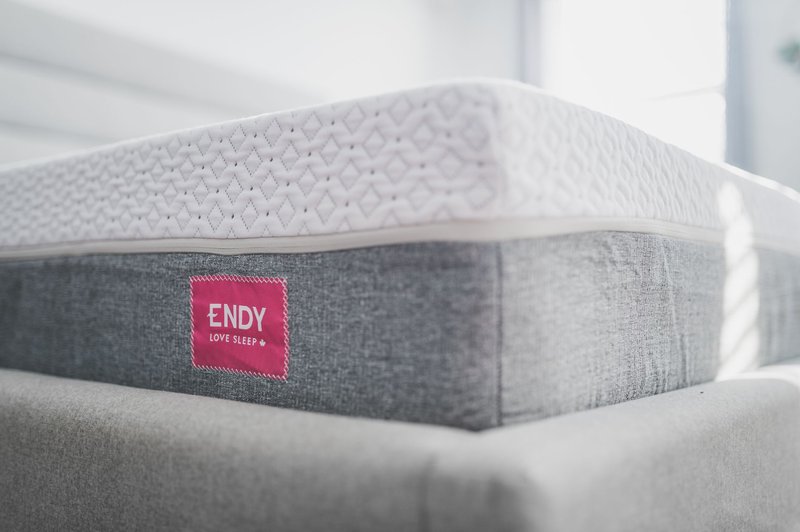
Polyurethane (PU). Monomers: a diisocyanate and a polyol. This one is the shapeshifter. Flexible PU foam fills sofa cushions and mattresses, rigid PU foam insulates refrigerators and buildings, and it’s also in running-shoe midsoles and varnish. Stretchy spandex (Lycra) is a polyurethane-based fiber. Note that some polyurethanes are thermoplastic, so it doesn’t fit a single box.
Elastomers
Elastomers are polymers with loosely cross-linked chains that uncoil when stretched and snap back when released.
Neoprene (polychloroprene). Monomer: chloroprene. DuPont introduced it in the early 1930s as an oil-resistant rubber substitute. It’s the foam in wetsuits and laptop sleeves, and it seals hoses and gaskets that touch oil or chemicals.
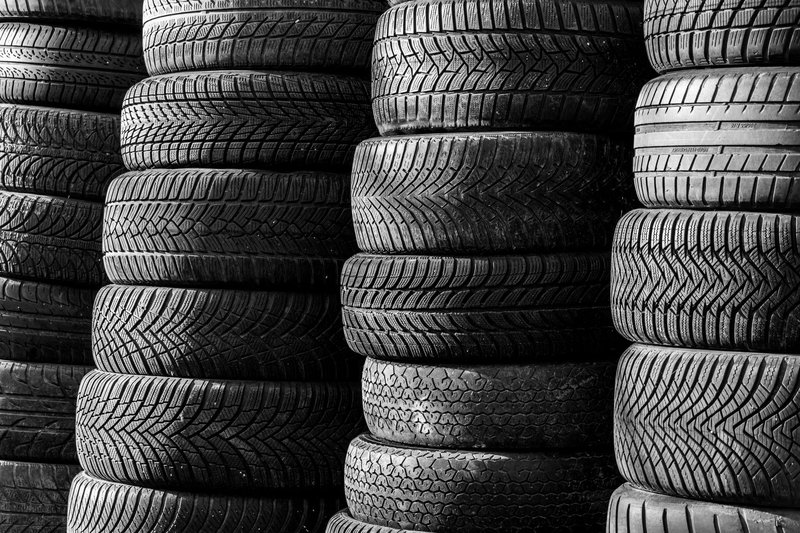
Styrene-butadiene rubber (SBR). Monomers: styrene and butadiene. Most of the tread on a modern car tire is SBR or a blend containing it. Synthetic rubber production took off during World War II, when natural rubber supplies from Southeast Asia were cut off.
Silicone. Unlike every polymer above, its backbone alternates silicon and oxygen atoms instead of carbon. That backbone stays flexible from roughly -50 to 200 degrees Celsius. You’ll find silicone in baking molds, bathroom sealant, medical tubing, and phone cases.
Addition vs condensation polymers
Chemists also sort synthetic polymers by how they form, which cuts across the groups above.
In addition polymerization, monomers with a double bond snap open and join end to end, and nothing is lost along the way. Polyethylene, polypropylene, PVC, polystyrene, PTFE, and PMMA are addition polymers.
In condensation polymerization, two different monomers join and release a small molecule, usually water or hydrogen chloride, at every link. Nylon, polyester (PET), Kevlar, Bakelite, and melamine-formaldehyde form this way, and so does polyurethane, although it releases no small molecule (it’s formally a step-growth polymer). A quick test: if the repeating unit contains an amide (-CONH-) or ester (-COO-) group, it came from condensation.
Semi-synthetic cases: rayon and vulcanized rubber
Some materials sit between natural and synthetic.
Rayon starts as cellulose from wood pulp, which is dissolved and pushed through a spinneret to form new fibers. The polymer is natural, but the fiber is manufactured.
Vulcanized rubber is natural rubber heated with sulfur, a process Charles Goodyear patented in 1844. The sulfur forms cross-links between chains, which turns a sticky material that melts in summer and cracks in winter into the stable rubber of tires and gaskets.
Summary table
| Polymer | Abbreviation | Monomer | Type | Common products | Recycling code |
|---|---|---|---|---|---|
| Polyethylene terephthalate | PET | Ethylene glycol + terephthalic acid | Thermoplastic / fiber | Bottles, fleece, carpets | 1 |
| High-density polyethylene | HDPE | Ethylene | Thermoplastic | Milk jugs, detergent bottles | 2 |
| Polyvinyl chloride | PVC | Vinyl chloride | Thermoplastic | Pipes, window frames | 3 |
| Low-density polyethylene | LDPE | Ethylene | Thermoplastic | Grocery bags, cling film | 4 |
| Polypropylene | PP | Propylene | Thermoplastic | Yogurt tubs, bottle caps | 5 |
| Polystyrene | PS | Styrene | Thermoplastic | Foam cups, CD cases | 6 |
| Polytetrafluoroethylene | PTFE | Tetrafluoroethylene | Thermoplastic | Nonstick pans, seals | Not applicable |
| Poly(methyl methacrylate) | PMMA | Methyl methacrylate | Thermoplastic | Aquariums, signs | 7 |
| Nylon 6,6 | PA 66 | Hexamethylenediamine + adipic acid | Fiber | Rope, stockings, gears | 7 |
| Kevlar | PPTA | Terephthaloyl chloride + p-phenylenediamine | Fiber | Body armor, tires | Not applicable |
| Acrylic | PAN | Acrylonitrile | Fiber | Sweaters, blankets | Not applicable |
| Phenol-formaldehyde | PF | Phenol + formaldehyde | Thermoset | Bakelite, plywood glue | Not applicable |
| Epoxy | EP | Epichlorohydrin + bisphenol A | Thermoset | Adhesives, composites | 7 |
| Melamine-formaldehyde | MF | Melamine + formaldehyde | Thermoset | Countertops, dinnerware | Not applicable |
| Polyurethane | PU | Diisocyanate + polyol | Thermoset (mostly) | Foam, shoe soles | 7 |
| Neoprene | CR | Chloroprene | Elastomer | Wetsuits, gaskets | Not applicable |
| Styrene-butadiene rubber | SBR | Styrene + butadiene | Elastomer | Car tires | Not applicable |
| Silicone | PDMS | Dimethylsiloxane | Elastomer | Bakeware, sealant | Not applicable |
Code 7 is a catch-all for “other plastics”, not a single material, and most curbside programs don’t accept it.
Environmental impact
Synthetic polymers are durable, and that’s the problem when they become waste. A 2017 study in Science Advances estimated that 8.3 billion metric tons of plastic had been produced through 2015, and only about 9 percent of the plastic waste had been recycled.
Most synthetic polymers don’t biodegrade on any human timescale. Sunlight and abrasion break them into smaller fragments instead. Pieces under 5 millimeters are classed as microplastics, which the US National Oceanic and Atmospheric Administration describes as present in oceans, rivers, and sediment worldwide. Synthetic fibers shed them in the wash, and tire wear adds more.
Recycling data from the US EPA shows that PET and HDPE bottles have the highest recycling rates, while films like LDPE bags rarely make it through sorting equipment.
Bioplastics are an alternative, with a catch. Polylactic acid (PLA) is made from plant sugars, so it’s bio-based. It’s also a polyester, and it breaks down only in industrial composting conditions, not in a backyard heap or the ocean.
FAQ
What is the difference between natural and synthetic polymers? Natural polymers (cellulose, proteins, DNA, natural rubber) are made by living organisms. Synthetic polymers are made in factories from small-molecule feedstocks. The chain structure is the same idea in both, but synthetic versions can be engineered for properties nature doesn’t offer, such as heat resistance above 200 degrees Celsius.
What is the difference between thermoplastics and thermosets? Thermoplastics soften when heated and can be remolded, so they’re the recyclable ones. Thermosets cure into a permanent cross-linked network and can’t be remelted.
Are synthetic polymers biodegradable? Almost none are. Standard PE, PP, PS, PVC, and nylon persist for decades or centuries, fragmenting into microplastics. Compostable options such as PLA exist, but they need industrial composting.
Which synthetic polymers are recyclable? PET (code 1) and HDPE (code 2) are the most widely accepted. PP (code 5) is increasingly accepted. PVC, PS, and mixed plastics are accepted in fewer places, and thermosets like epoxy and Bakelite generally can’t be remelted at all. Check local rules, since acceptance varies by municipality.
Is nylon a plastic or a fiber? Both. The polymer is the same, and it’s a plastic when molded into gears or zip ties and a fiber when spun into thread.