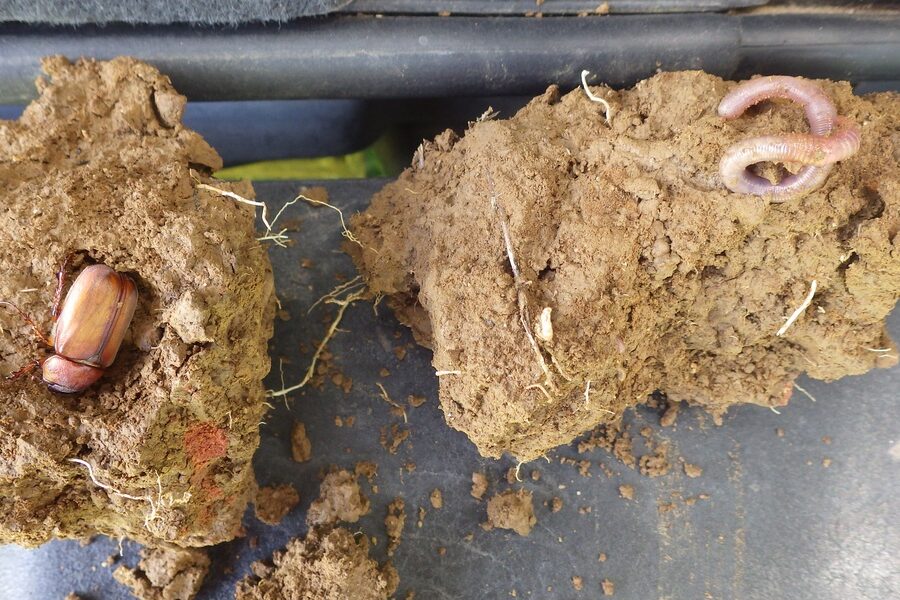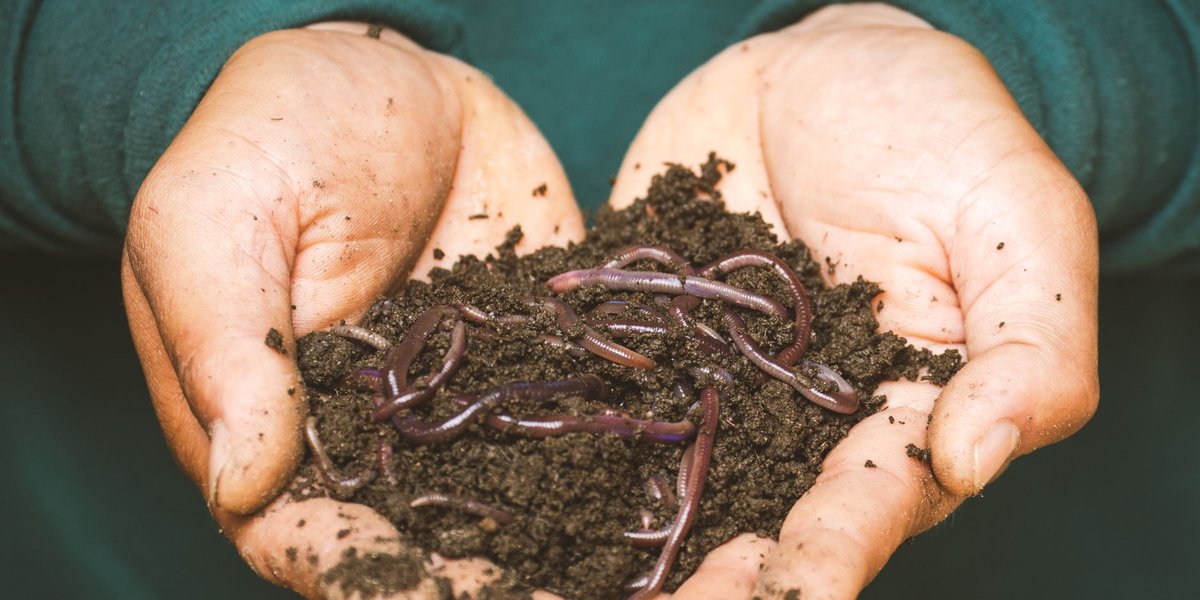
A detritivore is an animal that eats dead organic matter, such as fallen leaves, rotting wood, dung or the remains of dead organisms, and digests it inside its body. Earthworms, woodlice, millipedes and sea cucumbers are all detritivores. They don’t finish the job of recycling a dead leaf, but nothing else gets the process started the way they do.
Table of contents
- TLDR
- Detritivores vs decomposers vs scavengers
- How detritivores and decomposers work together
- Examples of detritivores by habitat
- What detritivores do for the ecosystem
- What threatens detritivores
- Edge cases: are vultures, fungi, dung beetles or pitcher plants detritivores?
TLDR
- Detritivores swallow dead plant and animal debris (detritus) and digest it internally.
- Decomposers, mainly fungi and bacteria, digest dead matter externally by releasing enzymes and absorbing the result.
- Scavengers eat the carcasses of animals that died recently. They are not the same as detritivores.
- Typical detritivores: earthworms, woodlice, millipedes, springtails, dung beetles, sea cucumbers, fiddler crabs, termites and caddisfly larvae.
- Detritivores shred debris into small pieces and mix it into soil or sediment, which speeds up everything the fungi and bacteria do next.
Detritivores vs decomposers vs scavengers
These three terms get mixed up constantly, and the sources don’t agree with each other. Some textbooks use “decomposer” as a catch-all that includes detritivores. Others keep the groups separate. The cleaner approach, and the one most ecologists use when they want precision, is to split them by how the organism feeds.
| Detritivore | Decomposer | Scavenger | |
|---|---|---|---|
| What it eats | Detritus: dead leaves, wood, dung, plant and animal fragments | Any dead organic matter, from leaves to carcasses to detritivore droppings | Carcasses of recently dead animals |
| How it feeds | Ingests chunks of material and digests them inside its gut | Releases enzymes outside its body and absorbs the dissolved nutrients | Tears off and swallows pieces of flesh |
| Body type | Animals | Fungi and bacteria | Animals |
| Typical examples | Earthworms, woodlice, millipedes, sea cucumbers | Mushroom-forming fungi, molds, soil bacteria | Vultures, hyenas, carrion beetles, crows |
The test that settles most arguments is a single question: does the organism swallow the food, or does it digest the food outside its body first? Swallowing makes it a detritivore (if the food is detritus) or a scavenger (if the food is a fresh carcass). Digesting outside makes it a decomposer.
The line between detritivore and scavenger is blurrier. A scavenger goes after dead animals that are still mostly intact. A detritivore eats material that has already broken down into fragments, along with dead plant matter, which scavengers rarely touch. Some animals, like crabs and certain fly larvae, do both depending on what’s available.
How detritivores and decomposers work together
A fallen leaf is tough. It’s wrapped in cellulose and lignin, and most of its nutrients are locked away inside cell walls. Fungi and bacteria can eat it, but they work only on the surface they can reach.
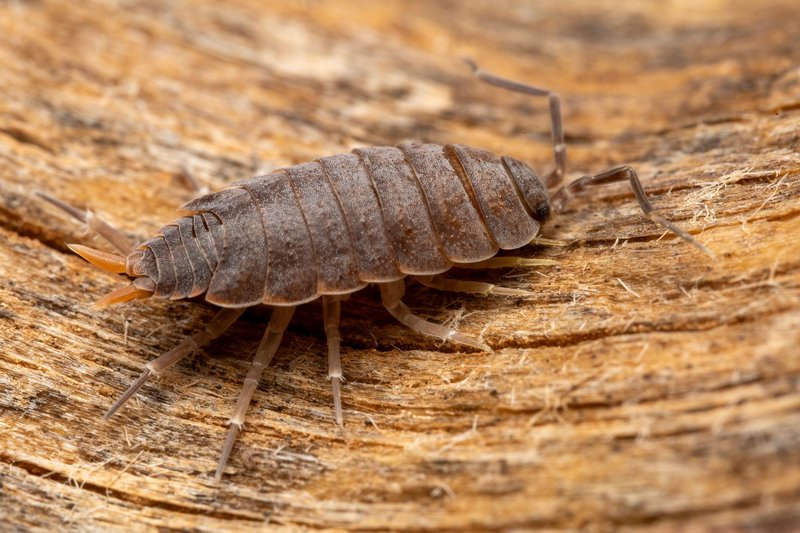
A woodlouse changes the math. It chews the leaf into hundreds of small particles, which multiplies the surface area available to microbes. Its gut adds its own bacteria and enzymes. What comes out the other end is a pile of fecal pellets, already partly broken down and richly colonized by microbes, ready for fungi and bacteria to finish.
That’s the two-stage breakdown:
- Fragmentation. Detritivores shred, chew and grind debris, and pull it into soil or sediment.
- Chemical breakdown. Fungi and bacteria digest what’s left and release nutrients such as nitrogen and phosphorus in forms plants can absorb.
Remove the first stage and the second slows down. A meta-analysis of soil fauna across biomes found that litter decomposed about 37% faster when soil animals were present. Individual studies show the same pattern: in a 2020 study of European forests, leaf litter lost more mass where epigeic earthworm density was higher.
Examples of detritivores by habitat
Detritivores live anywhere dead matter piles up, which is everywhere. Here are the main players in five habitats, with what each one actually eats. For a longer list with scientific names, typical habitats and sizes, see the complete list of detritivores.
Soil and leaf litter
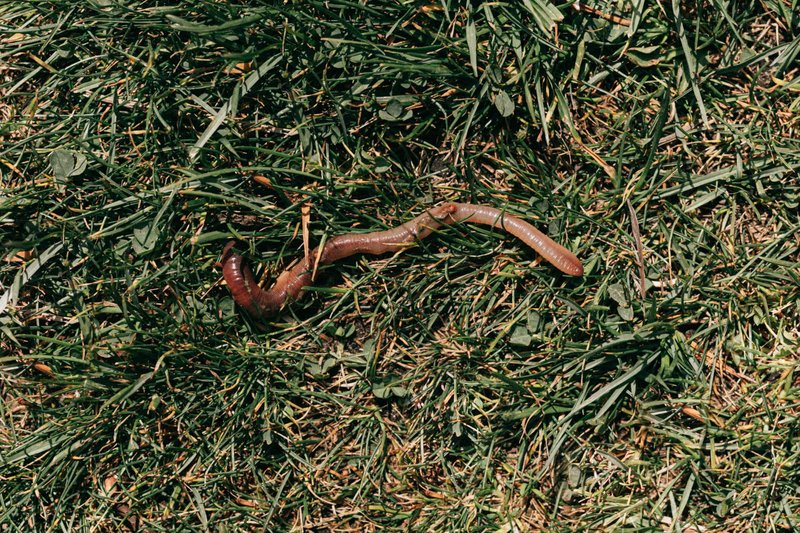
Earthworms. Many species eat dead leaves and the organic matter mixed through soil. Lumbricus terrestris, the common nightcrawler, pulls leaves down into its burrow and eats them as they soften. Darwin spent decades on earthworms and concluded in his 1881 book that they bring roughly 10 to 18 tons of dry soil per acre to the surface each year as castings, depending on the site.
Woodlice. These are crustaceans, not insects, and they are related to crabs and shrimp. Common species such as Porcellio scaber eat decaying leaves, rotting wood and their own feces. The last habit has a purpose: reingesting the pellets lets them recover copper, which they need for the oxygen-carrying pigment in their blood.
Millipedes. Slow, many-legged and mostly harmless, millipedes eat decaying leaves and wood. They need calcium for their armored exoskeleton, so they often eat soil, snail shells or limestone fragments alongside their leaf diet.
Springtails. Tiny hexapods, usually 1 to 3 millimeters long, that feed on decaying plant material and the fungi growing on it. Forest soil can hold tens of thousands of them per square meter, which makes them some of the most abundant animals on land.
Termites. In tropical forests and savannas, termites process dead wood, grass and leaf litter. They rely on gut microbes to digest cellulose, which is why a termite is a detritivore working with built-in decomposers.
Freshwater
Streams that run through forest get most of their food from leaves that fall in. Invertebrates called shredders handle it. Stonefly nymphs, caddisfly larvae and freshwater amphipods like Gammarus chew leaf litter into fragments, then feed on the bits and the microbes coating them. Downstream, other invertebrates called collectors feed on the fine particles shredders leave behind. Take out the shredders and a woodland stream loses the base of its food chain.
Many freshwater snails and some catfish also eat detritus off the bottom.
Ocean floor
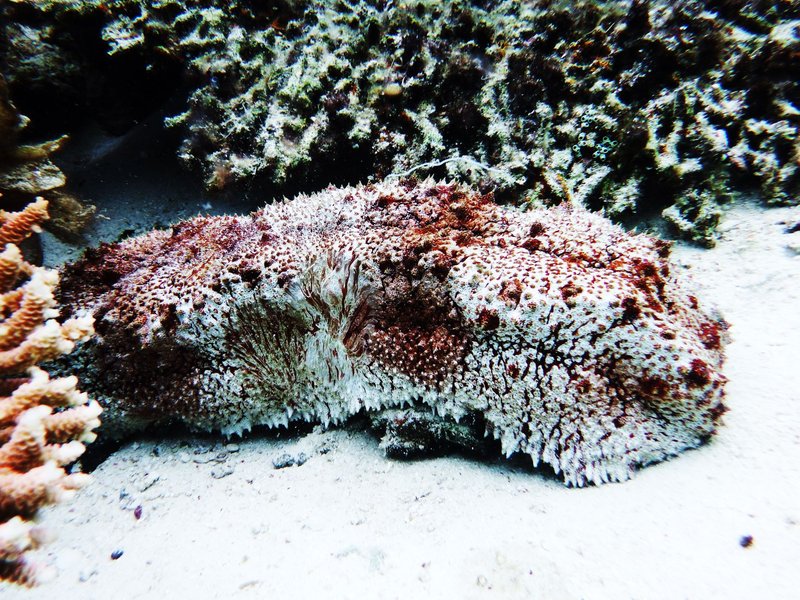
Almost everything that dies in the open ocean sinks. Dead plankton, fecal pellets and the occasional carcass drift down as “marine snow,” and the seafloor is where it lands.
Sea cucumbers are the classic marine detritivores. They use modified tube feet to take in seafloor mud and extract the organic matter in it, then expel what they can’t digest. The process also mixes and aerates the sediment, which makes it easier for other animals to live in.
Lugworms do the same thing in sandy shores, swallowing sand and digesting the organic film around each grain. The coiled casts you see at low tide are their output.
Brittle stars and amphipods make up much of the rest. Amphipods in deep ocean trenches eat sunken plant debris and wood that has fallen all the way from the surface.
Coasts and mangroves
Fiddler crabs sift mud through their mouthparts and eat the organic particles, leaving behind balls of cleaned sediment. In mangrove forests, leaf-eating crabs pull fallen leaves into burrows. Studies in some mangrove forests have found that these crabs remove anywhere from a quarter to roughly 80% of the leaf fall.
Desert
Deserts have little plant litter, but it doesn’t go to waste. Darkling beetles eat dry plant debris and wind-blown organic matter. Termites process dead wood and grass. The desert woodlouse Hemilepistus reaumuri, found in North Africa and the Middle East, digs burrows and feeds on dry plant remains. It’s one of the few woodlice that tolerate arid ground.
What detritivores do for the ecosystem
Nutrient cycling. Dead matter is full of nitrogen, phosphorus and carbon that plants need. Detritivores speed up the release. By breaking material into small pieces and mixing it with soil or sediment, they feed the microbes that convert it into usable nutrients. In a 2020 study of tree litter and earthworms, the rate of litter mass loss rose with epigeic earthworm abundance and fell as the litter’s carbon-to-nitrogen ratio went up, meaning the toughest, nitrogen-poorest leaves rotted slowest.
Soil structure. Burrowing detritivores aerate soil and move organic matter deeper. Their tunnels let water drain and roots grow. Their castings are rich in available nutrients. A gardener who sees earthworms is looking at a working soil.
Carbon turnover. Soil holds more carbon than the atmosphere and all living plants combined. Detritivores affect how fast that carbon is released as CO2 and how much gets locked into stable soil organic matter. The balance depends on the species, the climate and the type of litter.
Food supply. Detritivores are prey. Shrews, birds, frogs, salamanders, fish and many spiders depend on them. Springtails, woodlice and earthworms sit at the bottom of the food chain, and a lot of life sits on top.
What threatens detritivores
Detritivores are easy to ignore, which is part of why their decline gets so little attention. Several pressures hit them directly:
- Pesticides. Insecticides and some fungicides reduce earthworm and springtail numbers, and these effects can persist in treated soil.
- Soil degradation. Compaction, erosion, acidification and tillage destroy burrows and dry out or bury the habitat that soil animals need.
- Pollution. Heavy metals accumulate in earthworms and woodlice. Microplastics are an additional concern, though research is still developing.
- Overharvesting. In some places, overfishing of sea cucumbers has removed one of the main sediment recyclers on the seafloor.
- Invasive earthworms. In northern North American forests, native earthworms were wiped out by glaciers. European species introduced by settlers and fishing bait now strip away the leaf layer that native plants and soil animals relied on.
Edge cases: are vultures, fungi, dung beetles or pitcher plants detritivores?
Are vultures detritivores? No. Vultures are scavengers. They eat carcasses of recently dead animals, not fragmented debris.
Are fungi detritivores? No. Fungi are decomposers. They digest food outside their bodies and absorb it, rather than swallowing it. Some textbooks label detritivores as a type of decomposer, which is where the confusion comes from.
Are dung beetles detritivores? Yes. Dung is partly digested plant matter and counts as detritus. Dung beetles eat it, bury it and feed it to their larvae, which also recycles nutrients into soil.
Are pitcher plants detritivores? No. Pitcher plants are carnivorous plants that trap insects and break them down with enzymes and bacteria in the pitcher fluid. They absorb the nutrients through the plant tissue, so they’re closer to decomposers in method and nothing like animals that ingest detritus.
Are earthworms decomposers? In casual use, yes, but strictly they’re detritivores. Earthworms eat dead matter, and fungi and bacteria do the chemical breakdown afterward.
Are maggots detritivores or scavengers? Both, depending on the food. Fly larvae feeding on a fresh carcass act as scavengers. Larvae in rotting plant matter or compost are detritivores.
Do detritivores eat living plants? Not usually. Detritivores target dead material. Some, such as woodlice and snails, will nibble on soft living tissue when they can’t find enough detritus, but that’s the exception.