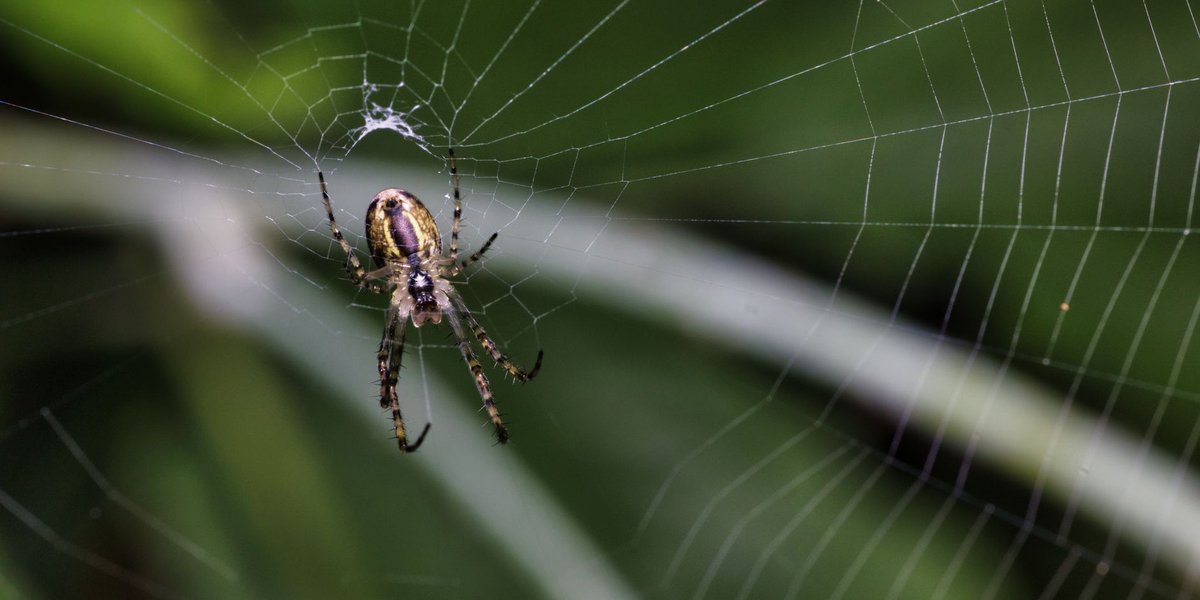
Spiders are the example everyone gives, but they’re one order out of eleven. Scorpions, ticks, mites, harvestmen, camel spiders and a handful of strange little animals most people have never seen all count as arachnids. Here are the best examples of arachnids, order by order, with named species and one fact that tells each apart.
Table of Contents
- TLDR
- What makes an animal an arachnid?
- Arachnids vs insects
- Examples of arachnids by order
- Arachnid orders at a glance
- Animals that look like arachnids but aren’t
- FAQ
TLDR
- Arachnids have eight legs, no antennae, no wings, and two body regions (fused into one in mites).
- Common examples: black widow, tarantula, jumping spider, emperor scorpion, deer tick, dust mite, harvestman, camel spider.
- Ticks and mites are arachnids. Daddy longlegs (harvestmen) are arachnids. Centipedes, millipedes and beetles are not.
- There are 11 orders. More than 100,000 species have been described, and spiders and mites make up most of them.
What makes an animal an arachnid?
Four traits cover almost every arachnid: eight legs, no antennae, no wings, and a body split into two regions. The front region (the prosoma, or cephalothorax) carries the legs and mouthparts. The back region (the opisthosoma, or abdomen) holds the digestive system, the reproductive organs and, in spiders, the silk glands.
Two pairs of appendages in front of the legs do the work that jaws and antennae do in other animals. The chelicerae grab and cut food, and sometimes inject venom. The pedipalps feel, hold, and in male spiders deliver sperm. Scorpion pincers are pedipalps.
The exceptions are small. Mites have bodies so compact that the two regions look like one, and whip spiders hold their first pair of legs out like antennae and walk on the other six. They’re still arachnids.
Arachnids vs insects
Most confusion starts here. Spiders get called insects constantly, and the Burke Museum has a whole post pushing back on the idea that “arachnid” just means spider. The differences are easy to check on a live specimen. For the insect side of the comparison, see insect anatomy, types and their role in ecosystems.
| Feature | Arachnids | Insects |
|---|---|---|
| Legs | 8 | 6 |
| Antennae | None | 2 |
| Body regions | 2 | 3 (head, thorax, abdomen) |
| Wings | None | Usually 1 or 2 pairs |
| Eyes | Simple eyes, often several pairs | Usually compound eyes |
| Mouthparts | Chelicerae and pedipalps | Mandibles and other mouthparts |
Examples of arachnids by order
Arachnids are sorted into 11 orders. Each entry below gives the order, a few named species, and the detail that sets it apart. Some taxonomists split mites and ticks into two separate groups, which would raise the count, but 11 is the standard tally.
1. Spiders (Araneae)
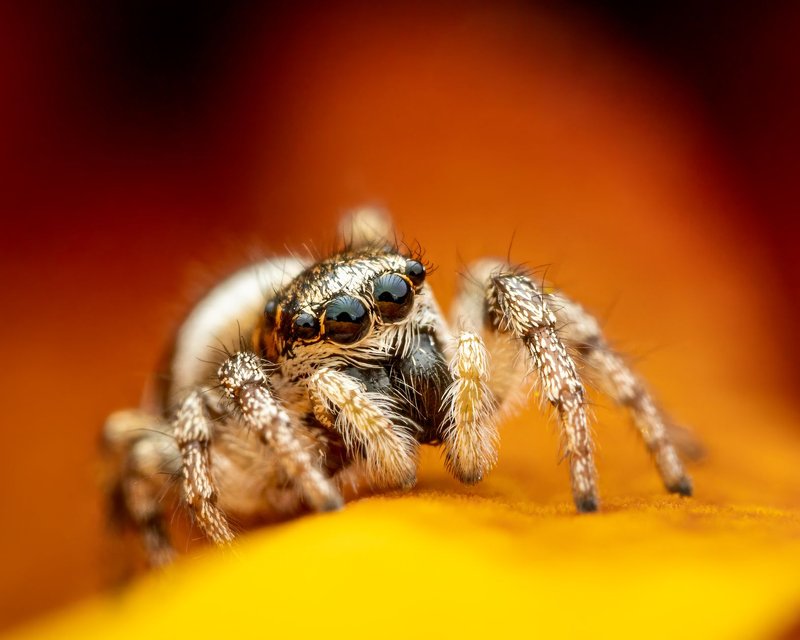
Spiders are the biggest order of arachnids by familiarity, with more than 50,000 species in the World Spider Catalog. They’re the only arachnids with spinnerets, the silk-spinning organs at the tip of the abdomen, and almost all of them are venomous. Very few have venom that matters to people.
- Black widow (Latrodectus mactans): a glossy black body with a red hourglass underneath. The neurotoxin in its bite causes severe muscle pain and cramping, but deaths are rare with medical care.
- Goliath birdeater (Theraphosa blondi): a tarantula from the northern South American rainforest with a leg span near 28 cm. It rarely eats birds, and it flicks irritating hairs off its abdomen when threatened.
- Jumping spider (family Salticidae): the largest spider family, with more than 6,000 species. They hunt without webs and have the sharpest vision of any spider, with a pair of large forward-facing eyes.
2. Scorpions (Scorpiones)
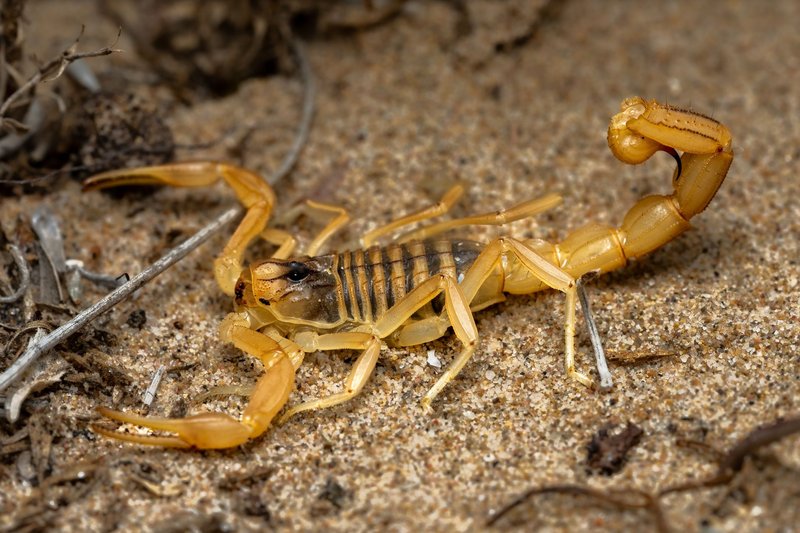
Scorpions have pincers, a segmented tail and a stinger. They also glow blue-green under ultraviolet light, which is why hunters go after them with UV flashlights at night. About 2,500 species exist, and only a few dozen have venom dangerous to humans. For the full range from harmless to deadly, see 16 examples of scorpions, from harmless to deadly.
- Emperor scorpion (Pandinus imperator): a West African species that reaches about 20 cm. It relies on big pincers and has a sting comparable to a bee’s.
- Arizona bark scorpion (Centruroides sculpturatus): small, pale and slender, about 7 cm. It’s the most venomous scorpion in North America, and it climbs walls, which is how it ends up in houses.
3. Ticks and mites (Acari)
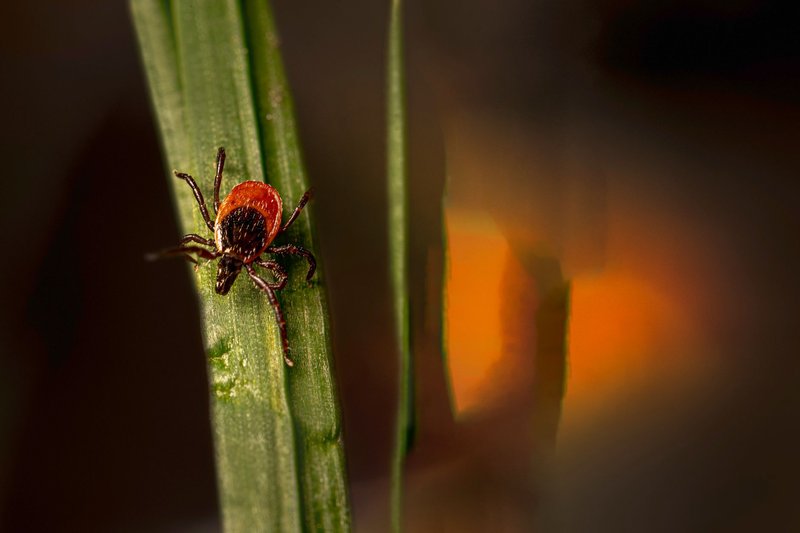
This is the most diverse order, and the one people overlook. Acari are mostly tiny, and the two body regions have fused into a single rounded body. Species range from parasites that feed on blood to free-living mites that eat fungi and decaying plants.
- Deer tick or blacklegged tick (Ixodes scapularis): the main carrier of Lyme disease in the eastern United States. The nymph is about the size of a poppy seed, which is why most bites go unnoticed. The CDC estimates that roughly 476,000 people in the US are diagnosed and treated for Lyme each year.
- House dust mite (Dermatophagoides pteronyssinus): about 0.3 mm long, invisible without a microscope. It feeds on shed skin flakes, and the allergen in its droppings is what triggers dust allergies, not the mite itself.
- Chigger (larval trombiculid mites): the larvae cause the itchy welts. Chiggers don’t burrow into skin or drink blood. They dissolve skin cells with enzymes and feed on the fluid.
- Red velvet mite (family Trombidiidae): bright red, fuzzy, pea-sized, and often seen walking across soil after rain. The adults are harmless to people.
- Varroa mite (Varroa destructor): parasitizes honeybees and is one of the biggest threats to commercial hives.
4. Harvestmen (Opiliones)
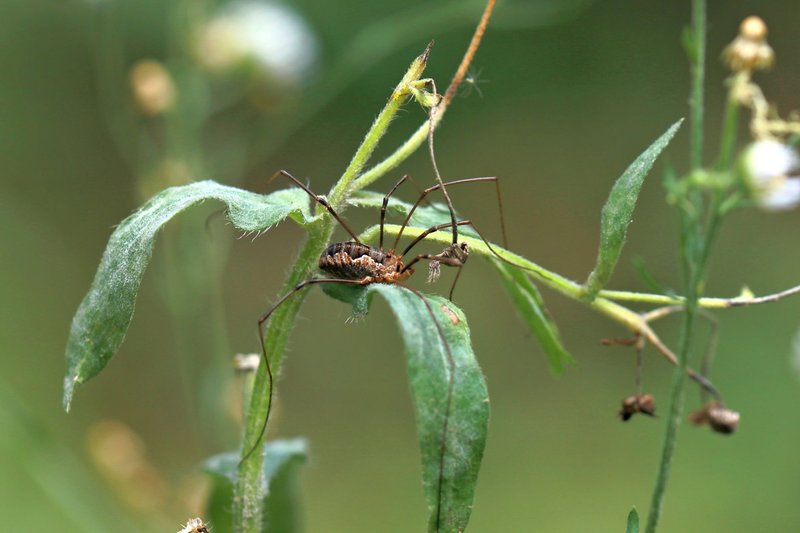
Harvestmen are what most people mean by “daddy longlegs.” They have long, thin legs, but there’s no narrow waist: the two body regions are joined broadly and look like one oval. They have no silk and no venom glands, so the story that daddy longlegs have the most potent venom but can’t bite is false. There’s no venom to be potent.
- Common harvestman (Phalangium opilio): widespread across the Northern Hemisphere. It eats small insects and dead material, and it often gathers in tangled clusters of dozens.
- Sabre-legged harvestman (Mitopus morio): shows up in cold, damp habitats across northern Europe and North America.
There are about 6,500 species. Some harvestmen leak a smelly fluid when disturbed.
5. Pseudoscorpions (Pseudoscorpiones)
A pseudoscorpion looks like a scorpion that someone forgot to give a tail. It has the pincers and nothing else, and it measures 2 to 8 mm. They live in leaf litter, bark, soil and, sometimes, old books.
- Book scorpion (Chelifer cancroides): found in libraries and houses, where it hunts booklice and dust mites. It has venom glands in its pincers, but it can’t hurt people.
Many pseudoscorpions travel by clinging to the legs of flies, beetles and bees. Biologists call this phoresy. There are around 3,500 species.
6. Vinegaroons (Thelyphonida)
Also called whip scorpions, vinegaroons have pincers up front and a thin whip-like tail at the back. The tail is a sensory organ, not a stinger. When threatened, they spray a mist of acetic acid, the same acid that gives vinegar its smell, from glands at the base of the tail.
- Giant vinegaroon (Mastigoproctus giganteus): up to about 6 cm, found in the southern United States and northern Mexico. It spends the day in burrows and comes out at night to eat insects.
The order has roughly 120 species, mostly in warm regions of the Americas and Asia.
7. Short-tailed whipscorpions (Schizomida)
Schizomids are the vinegaroons’ smaller relatives. Most measure well under 1 cm, they’re pale, they have no eyes, and the tail is a short stub. They live in leaf litter, soil and caves, and they dig with their pedipalps instead of grabbing prey.
- Hubbardia pentapeltis: a species from the southwestern United States, one of the few schizomids you can find north of Mexico.
More than 250 species have been described. You won’t find one unless you sift soil on purpose.
8. Whip spiders (Amblypygi)
Whip spiders, also called tailless whip scorpions, are neither spiders nor scorpions. They have a flattened body, spiny pedipalps for grabbing prey, and an enormously long first pair of legs. Those legs act as feelers, so the animal walks on only six. They have no venom, and they can’t spin silk.
- Tanzanian giant tailless whip scorpion (Damon diadema): a body about 4.5 cm long with front legs several times longer. It’s the species most commonly kept by hobbyists.
About 200 species live in the tropics and subtropics, mostly in caves and under bark.
9. Camel spiders (Solifugae)
Camel spiders, sun spiders and wind scorpions are all names for the same order, and none of them are spiders. They have no spinnerets and no venom glands. What they do have is a pair of oversized chelicerae, each made of two jaws that work like shears.
- Arabian camel spider (Galeodes arabs): around 15 cm including legs. It lives in deserts of the Middle East and North Africa.
They’re fast, but the stories of 25 mph sprints are inflated. Measured speeds are closer to 10 mph. They don’t chase people either. They chase shade, and a person walking is the nearest shadow. Roughly 1,100 species are known.
10. Microwhip scorpions (Palpigradi)
Palpigrades are among the smallest arachnids, just 1 to 3 mm, nearly colorless and blind. A thin segmented tail ends in a fringe of bristles. They live in caves and in soil in warm climates, and they have no lungs or tracheae. They absorb oxygen through their body surface.
- Eukoenenia: the main genus, with species recorded in caves and soil in southern Europe, the Americas and Asia. Few people have seen one alive.
There are about 120 species.
11. Hooded tick spiders (Ricinulei)
The rarest order has around 100 species. Hooded tick spiders look like ticks with a different body plan: tough, reddish-brown, 5 to 10 mm long, with a movable hood (the cucullus) that folds over the mouthparts. They live in leaf litter and caves in West Africa and the Americas.
- Cryptocellus and Ricinoides: the two best-known genera, from the Americas and West Africa respectively. Specimens are so scarce that many species are known from a handful of animals.
Fossil ricinuleids are found in coal deposits more than 300 million years old, so this order is older than the dinosaurs.
Arachnid orders at a glance
| Order | Common name | Example species | Typical size | Danger to humans |
|---|---|---|---|---|
| Araneae | Spiders | Black widow | About 1.5 cm body | A few medically significant species |
| Scorpiones | Scorpions | Arizona bark scorpion | About 7 cm | Painful, rarely dangerous |
| Acari | Ticks and mites | Deer tick | 0.3 mm to 1 cm | Disease carriers (ticks), allergens (mites) |
| Opiliones | Harvestmen | Common harvestman | 5 to 9 mm body | None |
| Pseudoscorpiones | Pseudoscorpions | Book scorpion | 2 to 8 mm | None |
| Thelyphonida | Vinegaroons | Giant vinegaroon | Up to 6 cm | Acid spray, mild irritation |
| Schizomida | Short-tailed whipscorpions | Hubbardia pentapeltis | Under 1 cm | None |
| Amblypygi | Whip spiders | Damon diadema | About 4.5 cm body | None |
| Solifugae | Camel spiders | Galeodes arabs | Up to 15 cm with legs | Painful bite, no venom |
| Palpigradi | Microwhip scorpions | Eukoenenia | 1 to 3 mm | None |
| Ricinulei | Hooded tick spiders | Cryptocellus | 5 to 10 mm | None |
Animals that look like arachnids but aren’t
A few animals get mistaken for arachnids all the time.
- Centipedes and millipedes: these are myriapods, with a long segmented body and many legs. Millipedes have two pairs of legs per segment, centipedes have one.
- Beetles and other insects: six legs, antennae and three body regions. Insect pests that get called “bugs with eight legs” almost always turn out to have six.
- Crane flies: insects with long thin legs, often called daddy longlegs in the UK. They have six legs and wings, so they fail on both counts.
- Cellar spiders: also called daddy longlegs, but they’re real spiders with silk and venom, in the order Araneae.
- Horseshoe crabs: closer relatives of arachnids than of crabs, but they belong to a separate group within the same branch. They live in the sea and aren’t arachnids.
FAQ
Is a tick an arachnid? Yes. Ticks belong to the order Acari, along with mites. They have eight legs as adults and nymphs, no antennae and no wings. Tick larvae have six legs until they molt.
Is a daddy longlegs an arachnid? It depends on which animal you mean. Harvestmen and cellar spiders are both arachnids. Crane flies, also called daddy longlegs in some regions, are insects.
Are all arachnids venomous? No. Spiders and scorpions use venom, and pseudoscorpions have venom glands in their pincers. Harvestmen, camel spiders and most mites have no venom. Ticks use saliva, not venom.
How many arachnid species are there? More than 100,000 have been described. Spiders and mites make up the bulk of that total, and scientists expect that many mite species remain unnamed.
Which arachnids are not spiders? Scorpions, ticks, mites, harvestmen, pseudoscorpions, vinegaroons, schizomids, whip spiders, camel spiders, microwhip scorpions and hooded tick spiders. That’s ten of the eleven orders.