Bahrain doesn’t look like a birding destination on a map. It’s a scatter of low desert islands in the middle of the Persian Gulf, most of it reclaimed land, concrete, and salt flat. But that geography is exactly why the checklist runs past 360 species: this archipelago sits directly on the Gulf flyway, the corridor migratory birds use to move between breeding grounds in Central Asia and Siberia and wintering grounds in East Africa. Add a scarcity of freshwater and coastline that concentrates everything into a handful of wetlands, and you get some of the densest birdwatching in the Middle East packed into a country smaller than metropolitan London.
You don’t need all 360-plus species. You need the ones you’ll actually encounter: on the mangrove boardwalk at Tubli Bay on a Friday morning, or from a boat crossing to the Hawar Islands. This guide covers 25 birds worth knowing, grouped by where you’ll find them, with notes on which are here year-round and which only pass through.
Table of Contents
- Waterbirds of the Coast
- Raptors
- Desert and Urban Birds
- Migratory Highlights
- When and Where to Go Birdwatching in Bahrain
Waterbirds of the Coast
Bahrain’s coastline and the Hawar Islands to the south hold the country’s most important bird colonies, and they’re the reason serious birders fly here in the first place.
Socotra Cormorant (Resident, breeding)
Glossy black all over with a faint greenish sheen up close, the Socotra Cormorant is a Gulf specialist that breeds almost nowhere else on Earth. South Suwad Island in the Hawar group holds one of the largest colonies of the species anywhere, with tens of thousands of birds crowded onto bare ground during the breeding season. The species is classified as Near Threatened by the IUCN Red List, largely because so much of the world population depends on a small number of Gulf colonies. You won’t get onto South Suwad itself without a permit, but rafts of cormorants feeding offshore are visible from Hawar-bound boats through the cooler months.
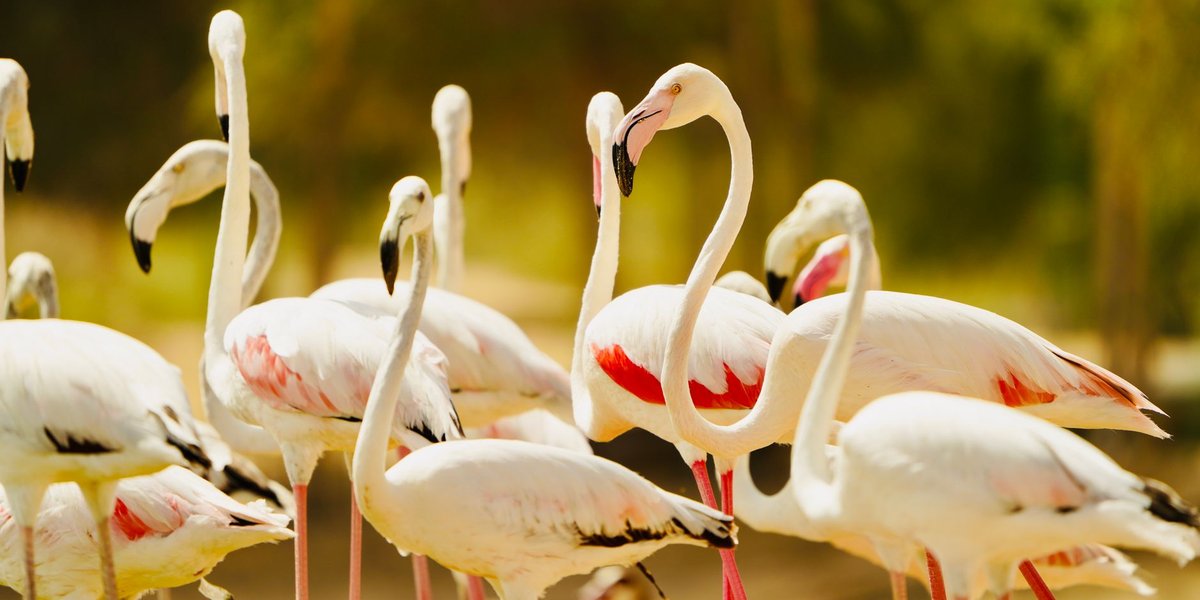
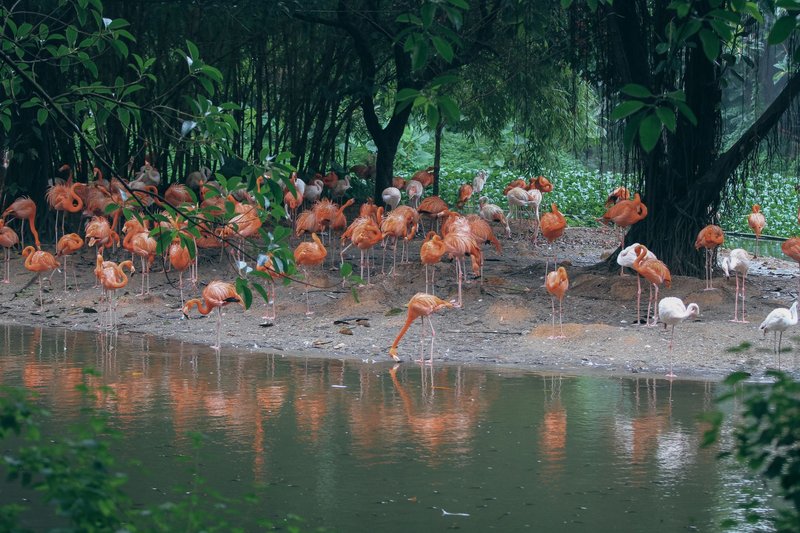
Greater Flamingo (Winter visitor)
The pink flocks wading through Tubli Bay’s shallows from October through April are Bahrain’s most photographed birds, and for good reason. They feed head-down, filtering brine shrimp and algae through bills built upside down for the job, and a few hundred birds working a mudflat at low tide is a genuinely striking sight against the refinery skyline behind them.
Western Reef Heron (Resident)
This heron comes in two color morphs, slate-grey and pure white, sometimes standing side by side on the same mudflat as if they’re different species. Either way, it hunts the same: frozen still at the tideline, neck cocked, waiting for a fish to swim within striking range. Tubli Bay and the causeway margins are reliable spots.
Crab Plover (Passage and winter)
A heavy, dagger-like black bill and stark black-and-white plumage set the Crab Plover apart from every other wader on this list. It’s also the odd one out behaviorally: instead of a simple scrape nest, Crab Plovers dig burrows and breed in loose colonies, more like a seabird than a shorebird. Look for them working the tidal flats around Hawar and Tubli Bay for crabs, which they crush with that oversized bill rather than swallow whole.
Slender-billed Gull (Winter visitor)
Easy to overlook in a mixed gull flock until the light catches a breeding bird’s breast, which flushes a soft salmon-pink from carotenoids in its diet. The long, fine bill and pale eye are the reliable field marks outside that window. Common along the coast in winter, often loafing on sandbars with terns.
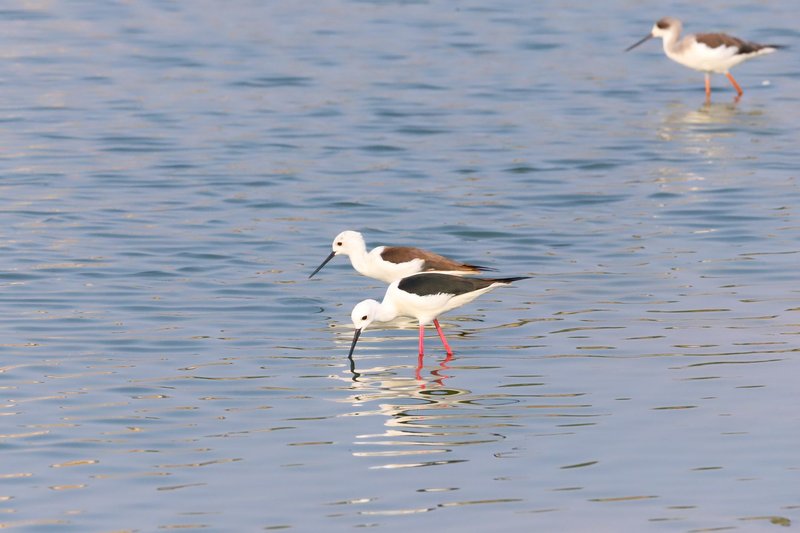
Black-winged Stilt (Resident, year-round)
Improbably long pink legs on a black-and-white body, wading through water deeper than most shorebirds would attempt. Tubli Bay holds them consistently, and they’re one of the easier species on this list to see well since they feed in the open rather than skulking in vegetation.
Kentish Plover (Resident, breeding)
Small, pale, and fast-moving, the Kentish Plover breeds directly on Bahrain’s sandy and salt-crusted flats, which makes its nests nearly invisible until you’re standing on top of one. A dark shoulder patch and quick, stop-start running gait are the best ways to pick it out from the sand it matches so well.
Raptors
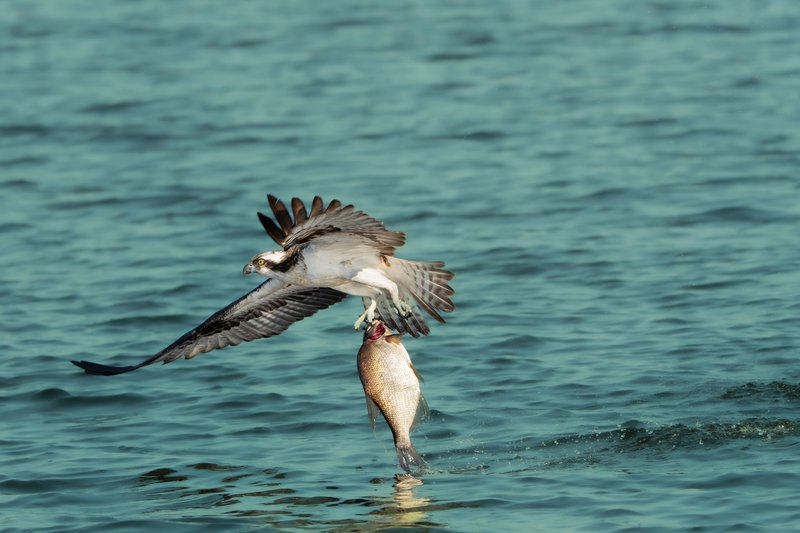
Osprey (Winter visitor)
A fish-hunting specialist that spends the cooler months patrolling Bahrain’s coastal channels, folding into a feet-first dive when it spots something near the surface. Channel markers and dead trees around Tubli Bay double as regular perches, and a bird sitting on one with a fish still gripped in its talons is a common enough sight in winter.
Sooty Falcon (Breeding migrant)
This slate-grey falcon does something almost no other raptor in the region does: it breeds late, timing its nesting on the Hawar Islands to summer and early autumn rather than spring, so that chicks hatch just as the first wave of small migrant songbirds crosses the Gulf. Those migrants become the food supply. It’s a neat piece of evolutionary scheduling, and it’s a large part of why the Hawar Islands carry international conservation weight.
Steppe Eagle (Passage migrant)
A big, broad-winged eagle that shows up during spring and autumn migration, riding thermals over open desert ground rather than hunting low. Numbers have collapsed across its breeding range in Central Asia, and the IUCN Red List now lists the species as Endangered, which makes any Bahrain sighting worth logging.
Common Kestrel (Winter visitor)
The hovering silhouette over roadside verges and waste ground in winter is almost always this bird, holding position on beating wings while it scans the ground for insects and rodents. It’s the most reliably seen raptor in the country simply because it tolerates disturbed, built-up habitat that larger raptors avoid.
Desert and Urban Birds
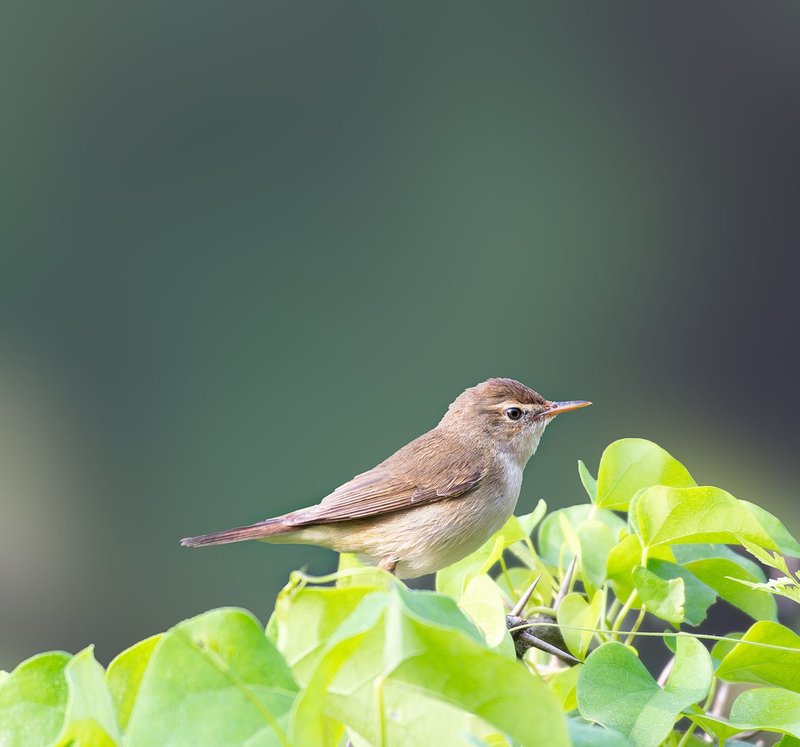
This is where Bahrain’s everyday birdlife lives: gardens, date palm groves, and the scrubby margins between developments.
White-eared Bulbul (Resident)
Bahrain’s national bird, and the one you’ll meet within an hour of landing whether you’re looking for it or not. Grey-brown with a yellow vent and a thin white ring around a pale eye, it favors gardens and palm groves and has a genuine fondness for dates, which puts it in constant low-grade conflict with date farmers. The name comes from the Farsi word for nightingale, a nod to its bright, whistling song rather than its looks.
Eurasian Hoopoe (Passage and winter)
Unmistakable: a fan-shaped crest that flicks open on landing, boldly barred black-and-white wings, and a long curved bill it uses to probe lawns and soft soil for grubs. It moves through Bahrain mainly as a migrant and winter visitor, and a hoopoe working a garden lawn will usually let you get closer than its striking appearance suggests it should.
Graceful Prinia (Resident)
A scrap of a bird, warbler-sized with a tail that’s disproportionately long and constantly cocked upright. It’s common in scrubby edges and reedy patches around wetlands, more often heard first, a dry, buzzy chatter, than seen.
Southern Grey Shrike (Resident)
A predatory songbird with a black bandit mask and a habit that gives it the nickname “butcher bird”: it impales prey, insects, lizards, even small birds, on thorns or barbed wire to store for later. It hunts from exposed perches, power lines especially, which makes it one of the easier desert-scrub species to actually get a good look at.
Crested Lark (Resident)
A streaky brown ground bird with a spiky crest, common on roadside verges, waste ground, and open desert margins across the island. Unremarkable at a glance, but it’s one of the few species genuinely at home in Bahrain’s most disturbed, least scenic habitat.
Laughing Dove (Resident)
Smaller and pinker than the collared doves familiar to most visitors, with a speckled necklace patch across the upper breast. Its soft, bubbling call is one of the background sounds of any Bahraini garden or palm grove, and it’s probably the most numerous dove on the island.
Common Myna (Resident, introduced)
Not a native bird, but a fixture of Manama’s streets and parking lots regardless: glossy blackish-brown with a bare yellow patch around the eye and a yellow bill to match. Bold, loud, and comfortable around people, it fills the same ecological niche crows occupy elsewhere.
Migratory Highlights
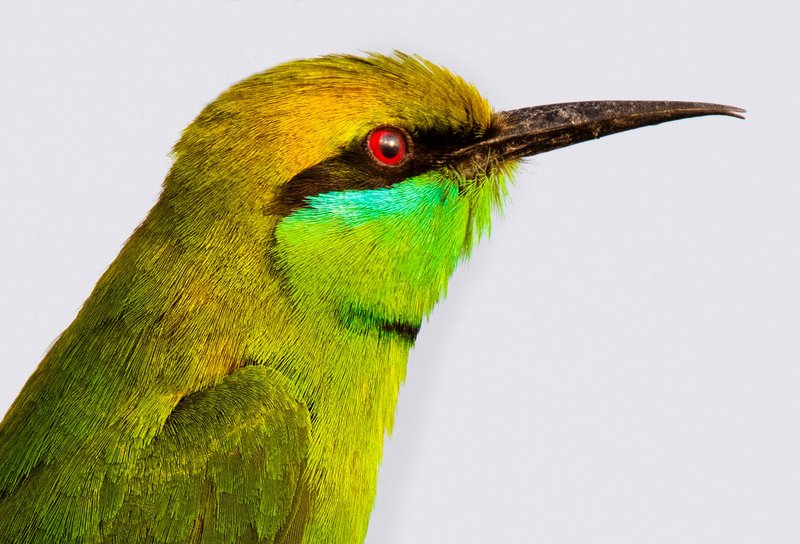
Spring and autumn passage is when Bahrain’s species count spikes hardest, as birds breeding across Russia and Central Asia funnel through the Gulf on their way to and from Africa.
European Bee-eater (Passage migrant)
Turquoise, chestnut, and yellow in a combination that looks more tropical than anything else on this list, moving through in flocks each spring and autumn. You’ll often hear the liquid, rolling call before you spot the birds themselves, hawking insects on the wing high overhead.
Barn Swallow (Passage migrant)
Bahrain sees enormous numbers of swallows moving through on passage, skimming low over wetlands and open farmland to feed on the wing. A good push can put hundreds over Tubli Bay in a single morning.
Common Redstart (Passage migrant)
A garden and scrub migrant with a habit of constantly flicking its rust-orange tail, which is often the first thing that catches your eye before the bird itself settles into view.
Isabelline Wheatear (Winter visitor)
A pale, sandy-colored wheatear that winters on open desert ground, perching upright on low rises and bobbing its tail. Its washed-out coloring is close to camouflage against Bahrain’s terrain, which makes the tail-bob the most useful field mark.
European Roller (Passage migrant)
Turquoise body, chestnut back, a bird that looks implausible sitting on an ordinary roadside wire. Populations across its European breeding range have dropped sharply enough that the species is now Near Threatened, and a Bahrain sighting on passage is a small piece of a much bigger, more precarious picture.
Red-throated Pipit (Winter visitor)
A streaky ground bird that favors damp grass and sewage-farm margins, easy to walk past in winter plumage when the brick-red throat that gives it its name has faded to a hint of buff. Patience with a flock of pipits usually pays off.
Eurasian Wryneck (Passage migrant)
A woodpecker relative that doesn’t act like one: no drumming, no bright colors, just a cryptic bark-patterned bird that twists its head and neck in a slow, almost reptilian motion when disturbed, which is where the name comes from. It turns up in gardens and scrub during migration, briefly and unpredictably.
When and Where to Go Birdwatching in Bahrain
Season: October through April is the window that matters. That’s when winter visitors like the Greater Flamingo and Common Kestrel settle in, and it brackets the two passage peaks, roughly September to November and March to April, when migrants like the European Bee-eater and European Roller move through in the highest numbers. Summer birding in Bahrain is thin and hot; skip it unless you’re specifically chasing breeding seabirds.
Tubli Bay is the easiest serious birding spot in the country and the one to prioritize if you only have a morning. It’s a Ramsar-designated wetland south of Manama with mudflats, saltmarsh, and Bahrain’s last stand of natural mangrove, all accessible without a boat or permit. Go at low tide, early, before the heat pushes birds into cover.
Hawar Islands require more planning: a boat or organized tour, and for the seabird colonies specifically, permits, since South Suwad and the core breeding islands are protected. It’s worth the effort if you want Socotra Cormorants, Sooty Falcons, and flamingo numbers well beyond what Tubli Bay offers, but this is a trip to book ahead, not a spontaneous afternoon.
For casual visitors: bring binoculars and stick to Tubli Bay in the early morning. You’ll see flamingos, herons, waders, and whatever’s moving through on passage without any logistics beyond showing up.
For serious birders: build a trip around a Hawar Islands crossing timed to spring or autumn passage, and treat Tubli Bay as your daily fallback between boat days. Cross-reference sightings against eBird, which has decent coverage of Bahrain’s hotspots from resident birders and gives you a realistic sense of what’s currently being seen rather than what the guidebooks list.
The resident birds, the White-eared Bulbul in your garden, the shrike on the roadside wire, will be there whenever you show up. The migrants won’t wait. Time it right and a small, mostly-reclaimed desert kingdom will hand you one of the better birding weekends in the Gulf.