Table of Contents
- TLDR
- Venomous vs. Poisonous: They’re Not the Same Thing
- How Scientists Actually Measure “Deadly”
- The 12 Most Venomous Animals, Ranked
- Toxicity vs. Real-World Danger: The Table Nobody Shows You
- What to Actually Do If Something Venomous Gets You
- The Twist: Venom Is Becoming Medicine
TLDR
The inland taipan carries the most toxic venom of any land animal on Earth, and the box jellyfish is the fastest killer in the ocean — but neither one tops the list of animals that actually kill the most people. That distinction goes to less dramatic creatures: scorpions in regions with poor medical access, and snakebites overall, which the World Health Organization estimates kill tens of thousands of people a year, mostly in rural Africa and Asia. Potency on paper and death toll in practice are two different rankings, and mixing them up is how most “most venomous animals” lists get it wrong. This one keeps them separate — see the comparison table below.
Venomous vs. Poisonous: They’re Not the Same Thing
People use these words interchangeably, and biologists wince every time. The difference is delivery mechanism, not danger level.
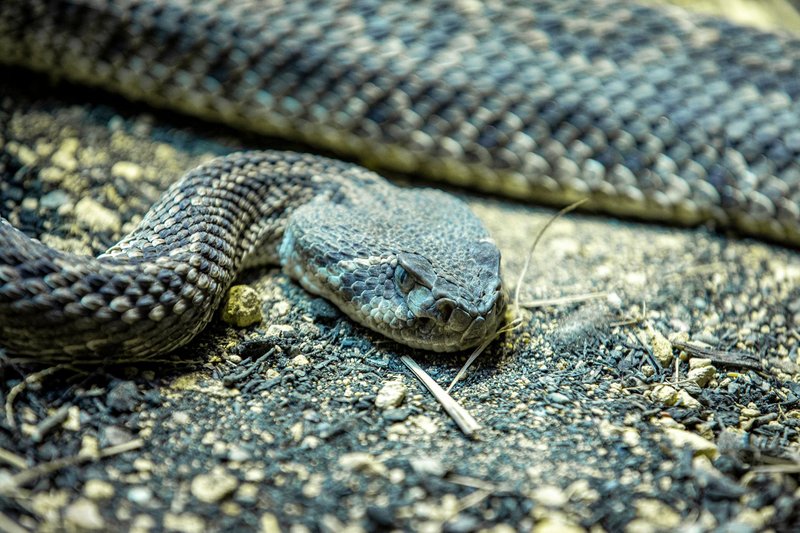
Venom is injected — through fangs, a stinger, a barb, or a spine. It’s an active weapon, deployed on the animal’s terms. Poison, by contrast, works passively: you have to eat it, touch it, or inhale it for it to do anything. A rattlesnake is venomous. A pufferfish is poisonous. Eat the pufferfish and its tetrodotoxin will shut down your nervous system; get bitten by the rattlesnake and its venom does the work for you, no ingestion required.
A handy shortcut: “If it bites you and you die, it’s venomous. If you bite it and you die, it’s poisonous.” Every animal on this list earns its spot through active delivery — a bite, a sting, or a jab.
How Scientists Actually Measure “Deadly”
The number that shows up in every venom ranking is LD50 — “lethal dose, 50%.” It’s the amount of venom, relative to body weight, that kills half of a test population (almost always lab mice) under controlled conditions. A lower LD50 means less venom is needed to kill, which means the venom is more potent, milligram for milligram.
It’s a useful number, but it’s not the whole story. LD50 says nothing about how much venom an animal actually injects per bite, how often it encounters humans, or whether antivenom exists. A creature with middling potency but a huge venom yield and a habit of living in someone’s backyard can be far more dangerous in practice than a record-holder that lives at the bottom of a rarely-visited crevice. Keep that distinction in mind as you read the list — and check the fatality numbers in the comparison table, which tell a different story than the potency rankings alone.
The 12 Most Venomous Animals, Ranked
1. Inland Taipan
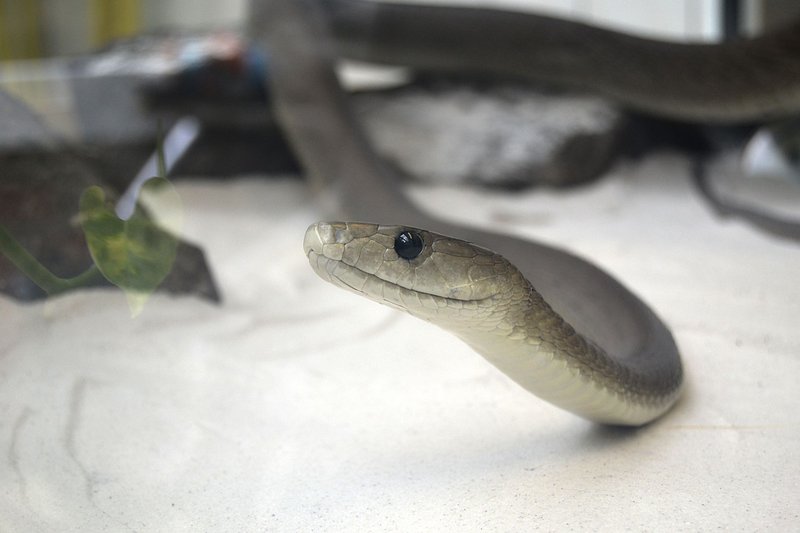
The inland taipan of central Australia’s arid scrubland holds the record for the most toxic venom of any land snake, with a subcutaneous LD50 around 0.025 mg/kg in mice — low enough that a single bite’s venom yield could theoretically kill more than 100 adult humans. It’s also, almost paradoxically, one of the least dangerous snakes to actually encounter: it lives in remote semi-arid country, avoids confrontation, and there is no confirmed human death on record from a wild inland taipan bite.
2. Box Jellyfish
The Australian box jellyfish, Chironex fleckeri, doesn’t win on LD50 charts the way snakes do, but it wins on speed. Its venom is cardiotoxic — it can trigger cardiac arrest within minutes of a serious sting, faster than almost any other animal venom on the planet. It stings using millions of nematocysts packed into tentacles that can stretch three meters, and a bad encounter has killed swimmers before they could reach shore. Related species in Philippine waters are tied to an estimated 20 to 40 deaths a year in the region, most never officially recorded because there’s no centralized reporting system.
3. Blue-Ringed Octopus
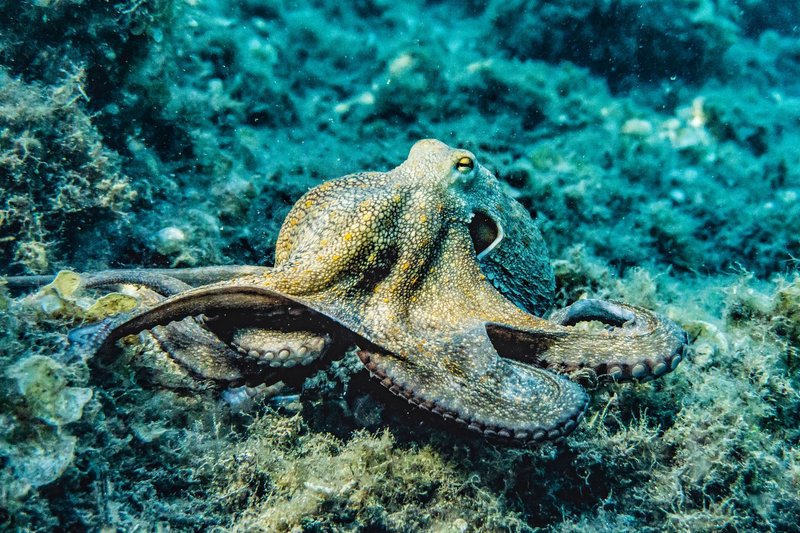
This octopus is small enough to fit in your palm and carries no visible warning beyond the iridescent blue rings that flare when it’s provoked. As one of the most dangerous cephalopods known, its venom contains tetrodotoxin — the same nerve toxin found in pufferfish, here made by symbiotic bacteria — which blocks the nerve signals that control muscle movement. Victims stay fully conscious while their body progressively stops responding, including the muscles that drive breathing. There is no antivenom; treatment is mechanical ventilation until the toxin clears the system, sometimes over 24 hours.
4. Geography Cone Snail
The geography cone snail hunts fish it has no business catching, using a harpoon-like tooth to inject a venom cocktail of over 100 different conopeptides, each tuned to shut down a different part of the nervous system. It’s earned the nickname “cigarette snail,” from the old claim that you’d have time for one last smoke after a sting. That’s an exaggeration, but the venom is genuinely fast-acting and there’s no commercial antivenom. The same conopeptide chemistry, oddly enough, is the basis of ziconotide, an FDA-approved non-opioid painkiller derived from a related cone snail species.
5. Deathstalker Scorpion
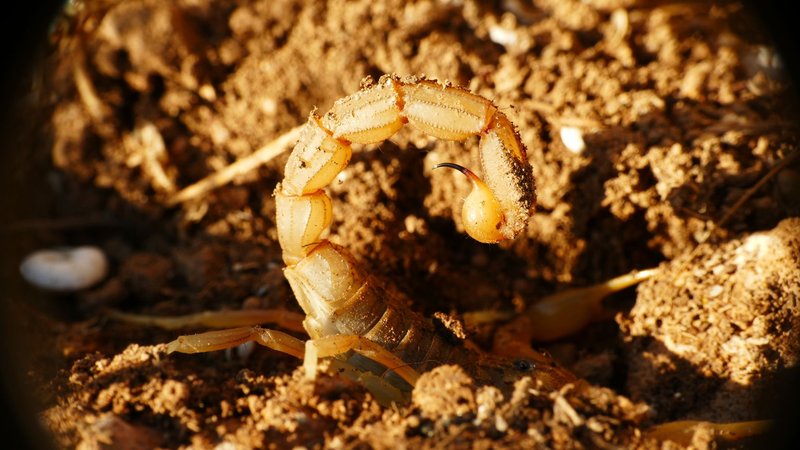
Found across North Africa and the Middle East, the deathstalker’s sting is intensely painful and, for a healthy adult, rarely fatal. Children, the elderly, and anyone without access to medical care are a different story — scorpion envenomation globally is estimated to kill several thousand people a year, overwhelmingly in regions with limited antivenom access. The deathstalker’s yellow toxin has also become a research darling: a version of it, tagged with a fluorescent marker, is now in clinical trials as a surgical tool that lights up tumor tissue in real time.
6. Brazilian Wandering Spider
Phoneutria species once held the Guinness World Record for most venomous spider, and they earn the reputation honestly — potent neurotoxic venom, large fangs, and a habit of wandering into homes, shoes, and banana shipments rather than staying in a web. Bites cause severe pain and, in a well-documented side effect, priapism in male victims. Fatalities are rare today, largely because Brazil maintains an active antivenom program for exactly this spider.
7. King Cobra
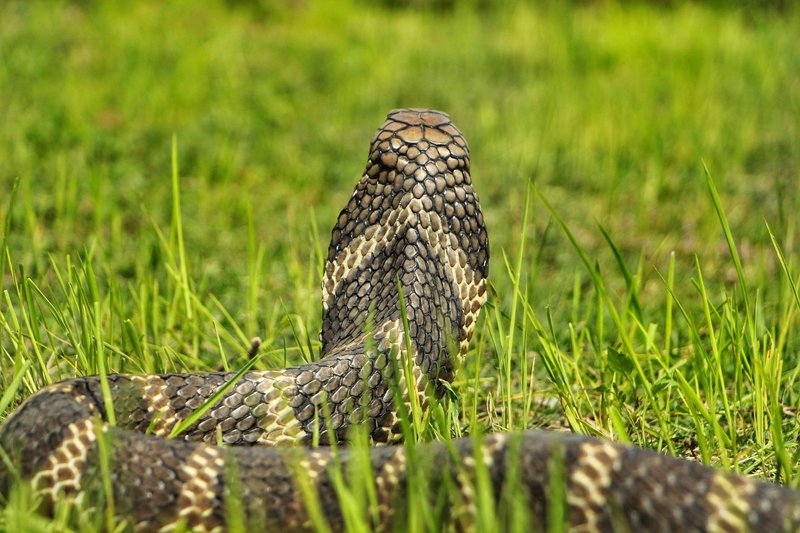
The king cobra isn’t the most toxic snake by LD50 — it’s the volume that makes it terrifying. As the world’s longest venomous snake, reaching up to 18 feet, it can deliver as much as 7 milliliters of neurotoxic venom in a single bite, enough to bring down an elephant. It’s also one of the only snakes known to build a nest for its eggs, which it guards aggressively — a behavioral detail most “deadliest snakes” lists skip entirely.
8. Eastern Diamondback Rattlesnake
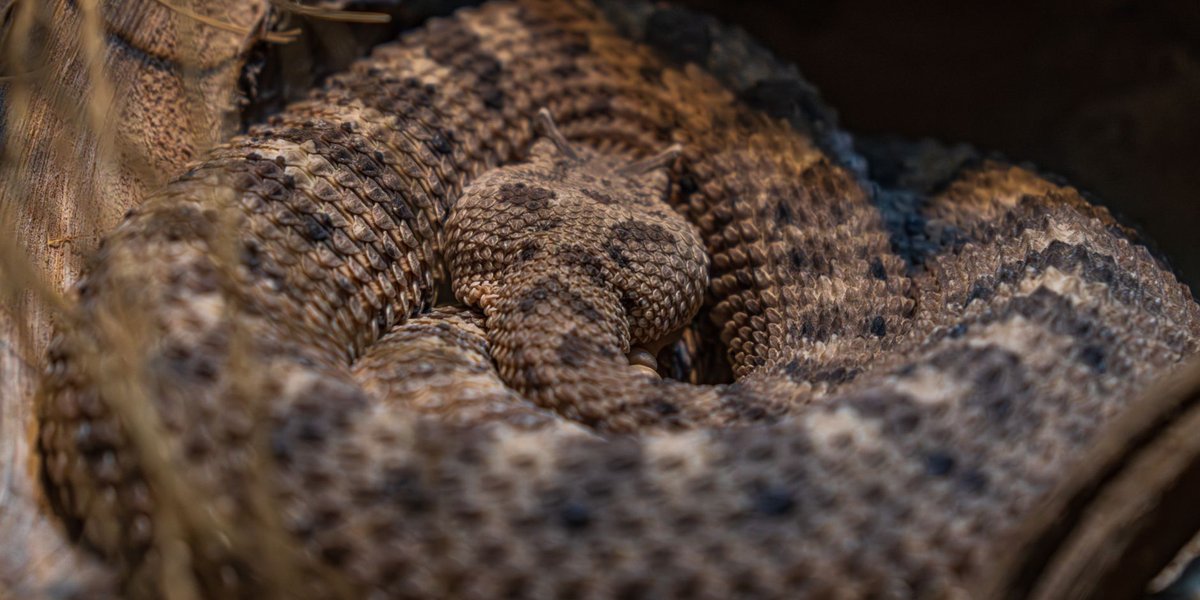
The largest rattlesnake species in the world, native to the southeastern United States, delivers a hemotoxic venom that destroys tissue and disrupts blood clotting rather than attacking the nervous system. It’s responsible for more snakebite-related deaths in North America than any other species, though modern antivenom keeps the fatality rate for treated bites under 1%. Roughly 7,000 to 8,000 people are bitten by venomous snakes in the U.S. every year; the eastern diamondback accounts for a disproportionate share given how much venom it injects per strike.
9. Gila Monster
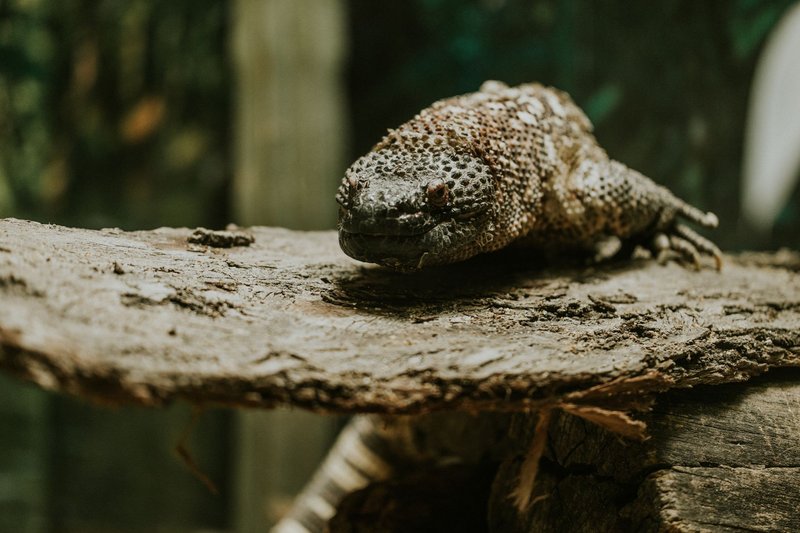
One of only two venomous lizard species on Earth (the other is its close relative, the Mexican beaded lizard), the Gila monster lives across the southwestern U.S. desert and delivers venom through grooved teeth while chewing, rather than injecting it in a single strike. Bites are excruciating but not typically lethal to humans. Its real legacy is medical: a compound in Gila monster saliva led to the development of exenatide, a drug that helps regulate blood sugar in people with type 2 diabetes.
10. Black Widow Spider
Common across the United States, the black widow’s venom contains latrotoxin, a neurotoxin that triggers intense muscle cramping and pain far out of proportion to the tiny bite wound. Only the females’ bite is medically significant — smaller males rarely bite at all. Deaths are now exceptionally rare in the U.S. thanks to widely available antivenom and modern supportive care, but before that was standard, black widow bites had one of the higher fatality rates of any North American spider.
11. European Asp Viper
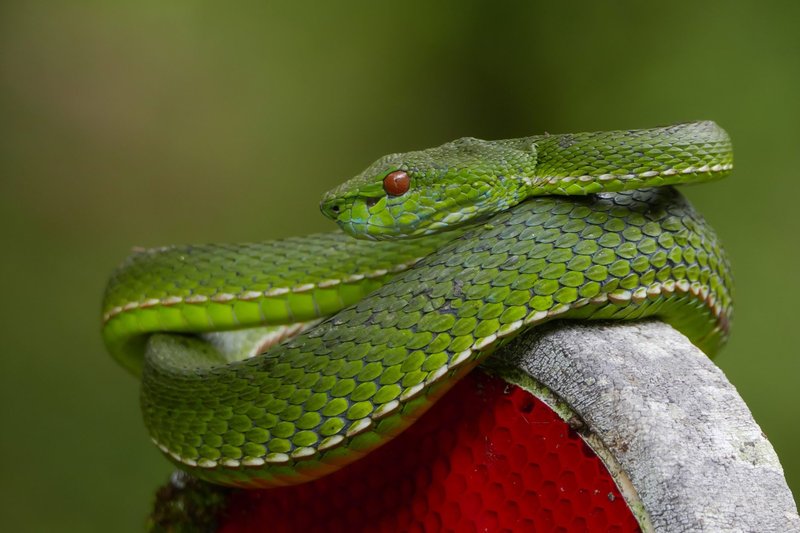
Europe has far fewer venomous species than other continents, but the asp viper — found across France, Italy, and parts of Spain and Switzerland — is generally considered the continent’s most dangerous snake. It has longer fangs and more potent venom than its cousin the common European adder, and while fatalities are rare in a region with strong medical infrastructure, untreated bites can cause serious tissue damage and, in vulnerable patients, death.
12. Portuguese Man o’ War
Not a true jellyfish — it’s a siphonophore, a colony of specialized organisms functioning as one animal — the man o’ war drifts on ocean currents from the Gulf of Mexico and the U.S. Atlantic coast to the Mediterranean. Its tentacles, which can trail 30 feet behind the gas-filled float, deliver venom that causes severe pain and can produce whip-like welts hours after contact, even from a tentacle detached from the main body. Deaths are rare, but the sting is a fixture of summer beach warnings on both sides of the Atlantic.
Toxicity vs. Real-World Danger: The Table Nobody Shows You
Most rankings stop at potency. Here’s what happens when you line venom strength up against actual human harm — the gap between the two is the real story.
| Animal | Venom Potency | Estimated Human Deaths |
|---|---|---|
| Inland taipan | Extreme (lowest known LD50) | ~0 confirmed wild deaths |
| Box jellyfish | Extreme, extremely fast-acting | Dozens/year regionally (SE Asia, Australia) |
| Blue-ringed octopus | Extreme (tetrodotoxin) | Rare, but historically fatal without ventilation |
| Geography cone snail | Very high | Dozens of documented deaths worldwide |
| Deathstalker scorpion | High | Scorpions overall: thousands/year globally |
| Brazilian wandering spider | High | Rare today (active antivenom program) |
| King cobra | Moderate potency, huge volume | Dozens/year in South and Southeast Asia |
| Eastern diamondback rattlesnake | Moderate-high | Most U.S. snakebite deaths; <1% of treated bites |
| Gila monster | Low-moderate | 0 confirmed deaths in decades |
| Black widow spider | Moderate | Extremely rare with treatment |
| European asp viper | Moderate | Very rare; single digits per decade in Europe |
| Portuguese man o’ war | Low | Rare |
The pattern holds across the board: the animals with the scariest lab numbers rarely kill anyone, because they’re remote, reclusive, or well-managed medically. The real death toll from venomous animals worldwide comes overwhelmingly from ordinary snakebites in places without reliable antivenom access — a public health problem, not a horror-movie one.
What to Actually Do If Something Venomous Gets You

Most of what people think they know about venomous bites is outdated or actively harmful. According to CDC guidance for outdoor workers, the correct response is short and unglamorous:
- Call emergency services immediately. Don’t wait to see if symptoms appear.
- Move away from the animal and stay as still and calm as possible — panic speeds circulation, which speeds venom spread.
- Remove rings, watches, and tight clothing near the bite before swelling starts.
- Keep the affected limb roughly at heart level and immobilized.
- Get to a hospital. Antivenom, when available, needs to be administered by medical professionals.
Just as important is what not to do: no tourniquets, no ice, no cutting the wound, no trying to suck out venom, no alcohol, and no NSAIDs like ibuprofen or aspirin, which can worsen bleeding from hemotoxic venoms. These were standard advice decades ago and all of them have since been shown to make outcomes worse, not better.
The Twist: Venom Is Becoming Medicine
It’s a strange fact that keeps showing up throughout this list: several of the animals most feared for their venom have also produced some of modern medicine’s more useful drugs. Captopril, a blood pressure medication and the first ACE inhibitor ever approved, came from studying a Brazilian pit viper’s venom. Exenatide, mentioned above with the Gila monster, helps regulate insulin in diabetes patients. Ziconotide, from cone snail venom, is a non-opioid painkiller with none of the addiction risk. Tirofiban, used to prevent blood clots during heart procedures, is derived from saw-scaled viper venom.
Researchers are pushing this further. Columbia University Irving Medical Center recently reported progress on a broad-spectrum antivenom designed to work against multiple snake species at once, rather than requiring a separate antivenom for each one — a significant shift for regions where the biggest barrier to survival isn’t potency, it’s access. The ongoing research into venom-derived compounds spans cancer diagnostics, chronic pain, and autoimmune disease, all built on molecules that evolved purely to kill.
That’s the actual paradox at the center of venom science: the exact precision that makes it lethal — targeting one receptor, one channel, one pathway with extreme specificity — is what makes it valuable once someone figures out how to point it at a disease instead of a predator.