Togo’s natural resources come down to one lead item and a short supporting cast. Phosphate is the main one. Limestone (and the cement made from it), marble and farmland come next. Gold, manganese, iron ore, bauxite and diamonds are real, but mostly undeveloped.
TLDR
- Lead resource: phosphate, mined near the coast in the Kpémé and Hahotoé area.
- Also producing: limestone and clinker near Lomé, marble, and agriculture on arable land.
- Known but mostly untapped: manganese (Nayega), bauxite, iron ore, gold, diamonds.
- Energy and land: modest hydropower, and forests that have shrunk sharply since 1990.
- Caveat: many published figures date from 2011 to 2017 and conflict with each other, so each number below carries its year.
Table of contents
- Quick comparison table
- Phosphate: the resource that carries the economy
- Limestone, clinker and marble
- Arable land and agriculture
- Forests and the deforestation problem
- Hydropower
- Producing vs. undeveloped minerals
- Who regulates mining in Togo
Quick comparison table
| Resource | Status | Main use |
|---|---|---|
| Phosphate | Producing, lead export | Fertilizer |
| Limestone / clinker | Producing | Cement |
| Marble | Producing, small scale | Construction, decorative stone |
| Arable land | In use | Food crops and cash crops |
| Hydropower | Producing, limited | Electricity |
| Forests | Declining | Timber, charcoal, fuelwood |
| Manganese | Deposit known (Nayega) | Steel alloys |
| Bauxite, iron ore | Deposits known, largely undeveloped | Aluminum, steel |
| Gold, diamonds | Small or artisanal | Jewelry, trade |
Phosphate: the resource that carries the economy
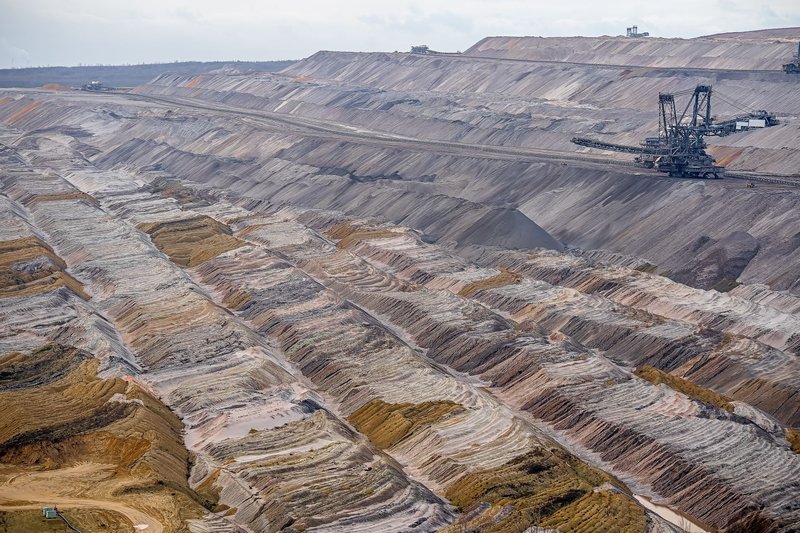
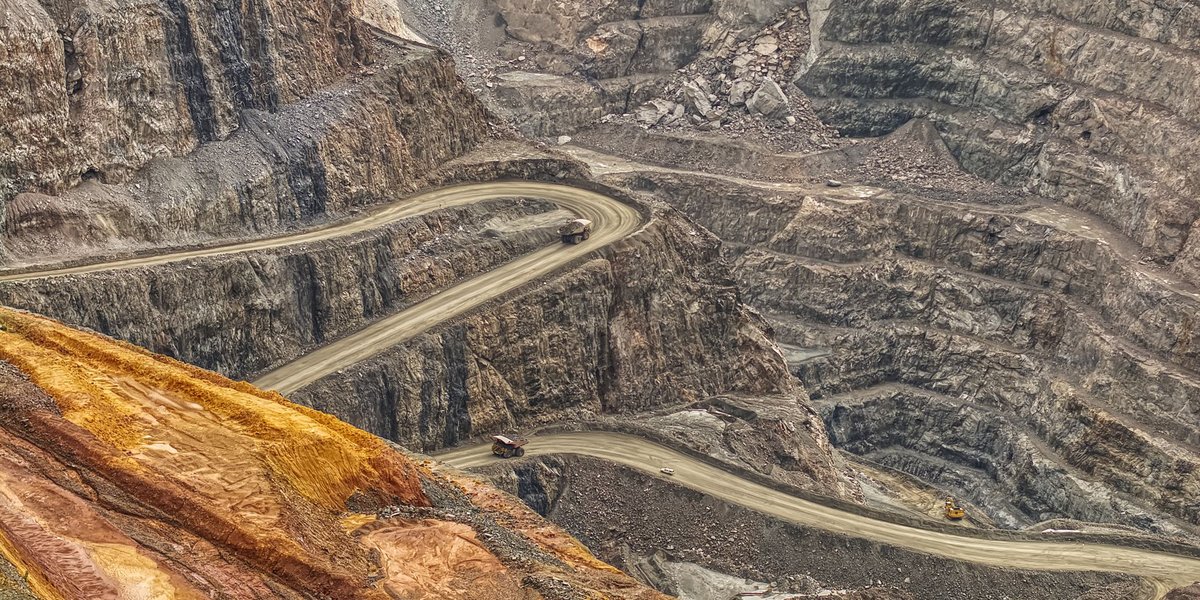
Phosphate is why Togo shows up in mining statistics at all. Reserves are put at about 60 million tons in commonly cited estimates, and output reached roughly 1.2 million tons in 2013. The deposits sit in the coastal south, and the Kpémé and Hahotoé area is where most of the mining and processing happens.
Why it matters: phosphate rock is the raw material for phosphate fertilizer, and the USGS National Minerals Information Center tracks it as one of the few minerals with no substitute in agriculture. For a small economy, that makes Togo’s phosphate exports a steady earner and also a risk. When world fertilizer prices drop, so do Togo’s export receipts.
The government’s stated direction is to process more minerals at home before exporting them. That means moving up from shipping raw rock toward higher-value products, which is a policy goal more than a finished project.
Limestone, clinker and marble
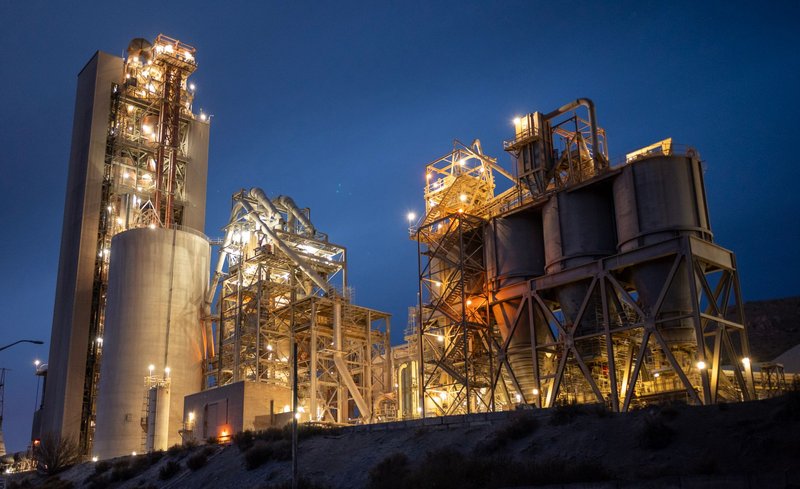
Limestone is the second pillar. Near Lomé, a clinker plant with a capacity of about 1.5 million tons a year came online in 2015. Clinker is the intermediate product that gets ground with gypsum into cement, so this one plant turned a quarry commodity into an industrial export for the region.
Cement matters in Togo for a plain reason: Lomé’s port is a transit hub, and construction in the capital and across West Africa keeps demand up. The limestone is the same rock that supports the clinker industry, so the two resources are really one chain.
Marble is mined at a smaller scale. It goes into construction and decorative stone rather than large export volumes. If you’re looking for numbers on marble output, they’re scarce, and that gap is itself a finding: it is a minor line item next to phosphate and cement.
Arable land and agriculture
Togo’s most widely used resource isn’t underground. Farming employs a large share of the workforce, and cotton, coffee and cocoa sit alongside food crops like maize, cassava and yams.
Land figures need care here. Some summaries cite arable land at about 5% of territory. World Bank land-use data puts the arable share far higher, above 40%. The 5% number likely reflects a narrower category such as permanent cropland, so check the definition before quoting either one.
The link to phosphate is direct. Fertilizer made from phosphate rock is the input that raises yields on exactly this farmland.
Forests and the deforestation problem
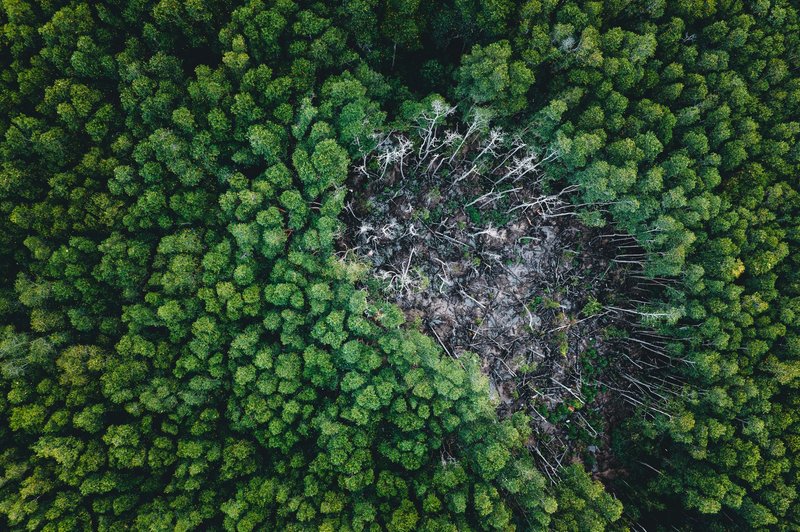
Forests are where the trade-off becomes visible. WorldAtlas reports that Togo has lost about 43.6% of its forest cover since 1990. Charcoal, fuelwood and clearing for farms drive most of it, and the loss falls hardest on the savanna woodlands and the remaining patches of humid forest.
The FAO’s Global Forest Resources Assessment is the standard reference for tracking country-level forest data over time, and it’s the place to check current numbers. The pattern is the useful part: a country that has to feed a growing population from the same land it relies on for fuel puts forests under pressure from two sides at once.
Hydropower
Togo’s main hydroelectric asset is the Nangbéto dam on the Mono River, run jointly with Benin through their shared electricity body. It supplies a meaningful slice of the grid but not enough to cover national demand, so Togo also imports power. Hydropower here is a supporting resource, not a headline one.
Producing vs. undeveloped minerals
Most “natural resources of Togo” lists blur two different things: what is being mined and what has only been found. Splitting them gives a clearer picture.
Producing:
- Phosphate (Kpémé and Hahotoé area)
- Limestone and clinker (near Lomé)
- Marble (small scale)
Known deposits, little or no large-scale production:
- Manganese: the Nayega deposit in the north is the best-known one.
- Bauxite: deposits exist, but development has been limited.
- Iron ore: present in several areas, still undeveloped at industrial scale.
- Gold and diamonds: small or artisanal activity rather than a commercial industry.
The gap between those two lists is the investor pitch in most promotional material: the minerals are real, but roads, power and processing capacity are what’s missing. Treat deposit announcements as potential, not output.
Who regulates mining in Togo
Mining is overseen by the Ministry of Mines, working under a mining code that dates from 1996. Togo is also a member of the Extractive Industries Transparency Initiative (EITI), a global standard that requires governments and companies to publish what is paid and received for extraction. EITI Togo publishes reports that are the best public source for revenue data, which matters when most web summaries are a decade old.
If you’re researching Togo’s resources for a paper or a map, start with phosphate and cement for current economic weight, use the World Bank and FAO for land and forest figures, and date every number you copy.