
 Chemistry
Xenon Compounds: Structures, Geometry & Why They Exist
Xenon was supposed to be inert. That was the whole point of the noble gases — full outer…
June 20, 2026
Chemistry
Xenon Compounds: Structures, Geometry & Why They Exist
Xenon was supposed to be inert. That was the whole point of the noble gases — full outer…
June 20, 2026
 Geology
Organic Sedimentary Rocks Explained (With Examples)
Organic sedimentary rocks are rocks built mostly from the carbon-rich remains of once-living things — plants piled in…
June 20, 2026
 Biology
12 Examples of Primary Consumers (Grouped by Habitat)
A primary consumer is any organism that eats producers — the plants, algae, and other photosynthesizers that make…
June 20, 2026
 Physics
What Are Conductors? A Plain-English Guide
A conductor is any material that lets electric charge move through it easily. That’s the whole definition. Metals…
June 16, 2026
 Chemistry
Isomers Explained: Types, Examples, and How to Tell Them Apart
Two molecules can have the exact same formula and still be completely different substances. Same atoms, same count,…
June 15, 2026
 Biology
Keystone Species: How One Animal Holds a Whole Ecosystem
Pull one stone from a Roman arch and the whole thing collapses. That stone — the wedge-shaped one…
June 15, 2026
 Chemistry
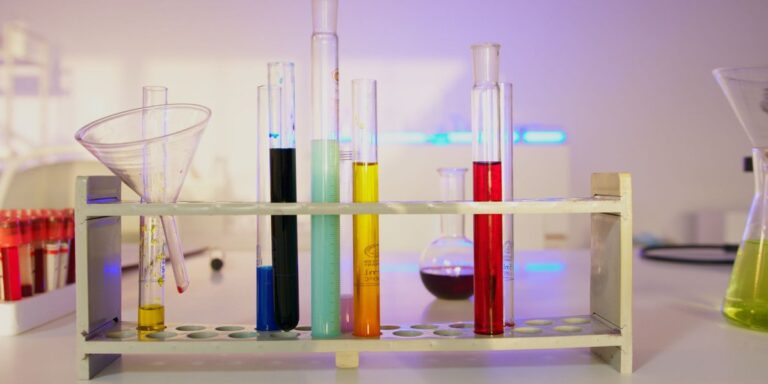
Types of Chemical Analysis: A Practical Guide
Chemical analysis is the toolkit scientists use to figure out what’s in something and how much of it…
June 13, 2026
 Biology
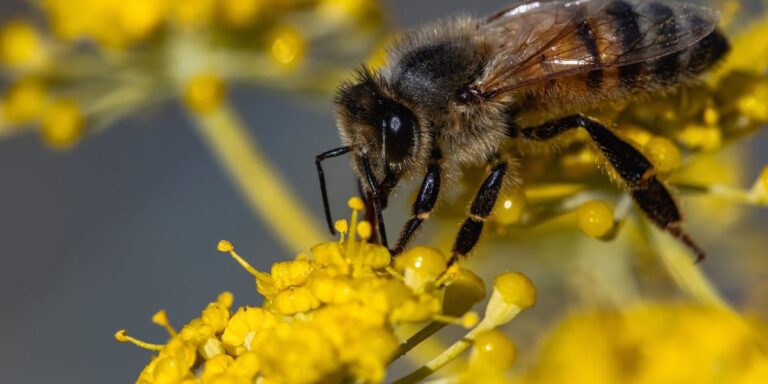
8 Pollinating Insects That Keep the World Fed
About one-third of every bite of food you eat exists because an insect moved pollen from one flower…
June 13, 2026
 Geology
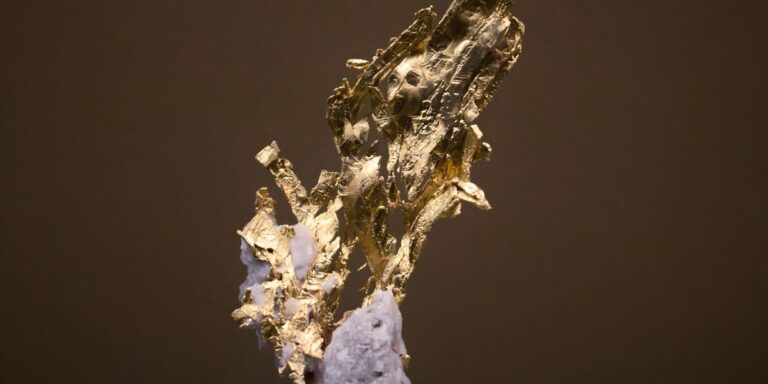
Native Elements: What They Are and Key Examples
Native elements are exactly what they sound like: chemical elements that occur in nature in their pure, uncombined…
June 13, 2026
 Chemistry
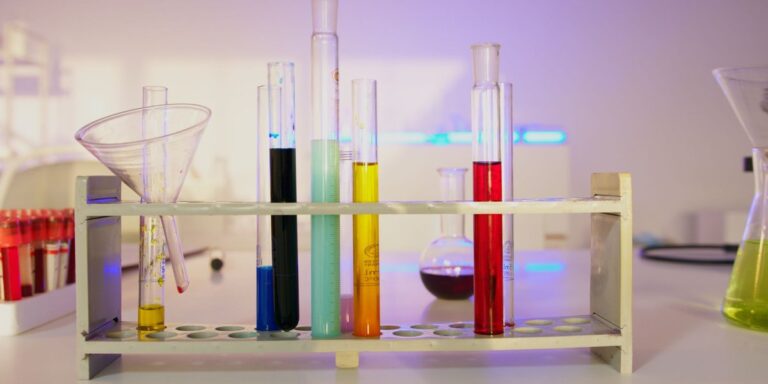
Cesium Compounds: Properties, Uses, and Applications
Table of Contents Cesium is element 55 — a soft, golden alkali metal so reactive it ignites spontaneously…
June 13, 2026