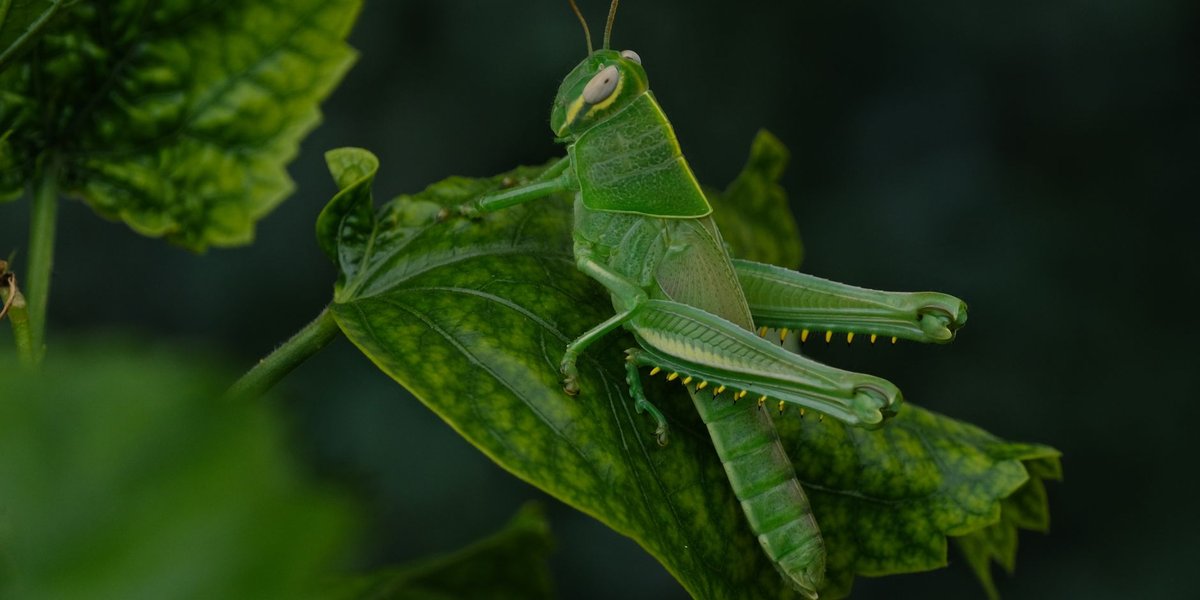
A primary consumer is any organism that eats producers — the plants, algae, and other photosynthesizers that make their own food. That’s the whole definition. If it eats a plant and gets eaten by something else, it sits on the second rung of the food chain.
The confusing part isn’t the definition. It’s that “primary consumer” describes a role, not a species. A black bear eating berries is a primary consumer that afternoon; the same bear eating salmon is a secondary consumer that evening. Position depends on what’s on the menu, not on the animal’s identity.
Below are 12 named examples, grouped by where they live, each with a one-line note on what it actually eats. After the list, there’s a comparison table and a short FAQ covering the questions students ask most.
Table of Contents
- Quick Answer
- What Is a Primary Consumer?
- 12 Examples of Primary Consumers
- Terrestrial Herbivores
- Aquatic Primary Consumers
- Insect Primary Consumers
- Primary vs. Secondary Consumers
- The Omnivore Edge Case
- FAQ
Quick Answer
Primary consumers are the herbivores — animals that eat plants, algae, or other producers. Common examples: deer, rabbits, cows, giraffes, koalas, pandas, manatees, zooplankton, grasshoppers, caterpillars, butterflies, and snails. They’re the link between the energy producers capture from the sun and the predators higher up the chain.
What Is a Primary Consumer?
Every food chain starts with producers — organisms that build their own food through photosynthesis, like grass, oak trees, kelp, and phytoplankton. Producers occupy the first trophic level.
Primary consumers occupy the second trophic level. They can’t make their own food, so they get energy by eating producers directly. Because they only eat plants, primary consumers are herbivores (with one wrinkle — see the omnivore section below). That plant-only diet is what sets them apart from the meat-eaters above them, and the contrast runs deeper than menu choice — there are real differences between herbivores and carnivores in tooth structure and digestion too.
Then it stacks up: secondary consumers eat primary consumers, tertiary consumers eat secondary consumers, and decomposers break everything back down. A rough roadmap of a grassland chain looks like this:
grass (producer) → grasshopper (primary consumer) → frog (secondary consumer) → snake (tertiary consumer) → hawk (apex predator)
The grasshopper sits where it does because of one fact: it eats grass. That’s the only thing that determines the title.
12 Examples of Primary Consumers
Terrestrial Herbivores
These are the land animals most people picture first — grazers and browsers that spend their days converting plant matter into energy. If you want a wider roster that runs past herbivores into every trophic level, this rundown of examples of consumers in biology covers carnivores, omnivores, and decomposers alongside them.
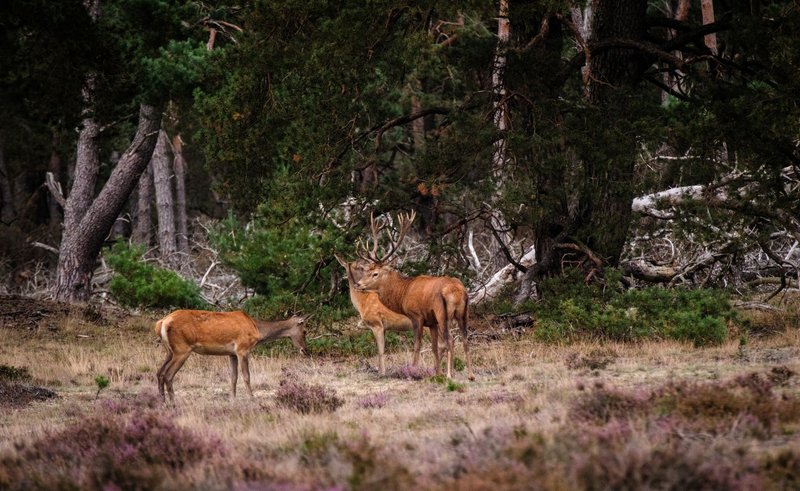
1. White-tailed deer — Browses on leaves, twigs, acorns, and fruit. A single deer can eat several pounds of vegetation a day, which is why suburban gardeners treat them as a pest rather than a wildlife sighting.
2. Rabbit — Eats grasses, clover, and leafy greens. Rabbits practice coprophagy — they re-ingest soft pellets to extract nutrients they missed the first time, squeezing more out of a low-energy plant diet.
3. Cow — Grazes on grass and hay. Cows are ruminants: their four-chambered stomach hosts microbes that ferment cellulose, the tough fiber most animals can’t digest on their own.
4. Giraffe — Browses acacia leaves up to 18 feet off the ground. Its prehensile tongue, around 18 inches long and dark purple to resist sunburn, strips foliage past the acacia’s thorns.
5. Koala — Eats almost nothing but eucalyptus leaves. Eucalyptus is so low in calories and mildly toxic that koalas sleep up to 20 hours a day to conserve energy on it.
6. Giant panda — Eats bamboo, and a lot of it — up to 80 pounds a day. Pandas have a carnivore’s digestive tract but spend roughly 12 hours daily feeding to make a plant diet work.
Aquatic Primary Consumers
In water, the producers are phytoplankton, algae, and sea grasses. The animals that graze on them anchor the entire marine food web.
7. Zooplankton — Tiny drifting animals (including krill and copepods) that eat phytoplankton. They’re the most numerous primary consumers on Earth and the foundation of nearly every ocean food chain — even blue whales feed on the krill among them.
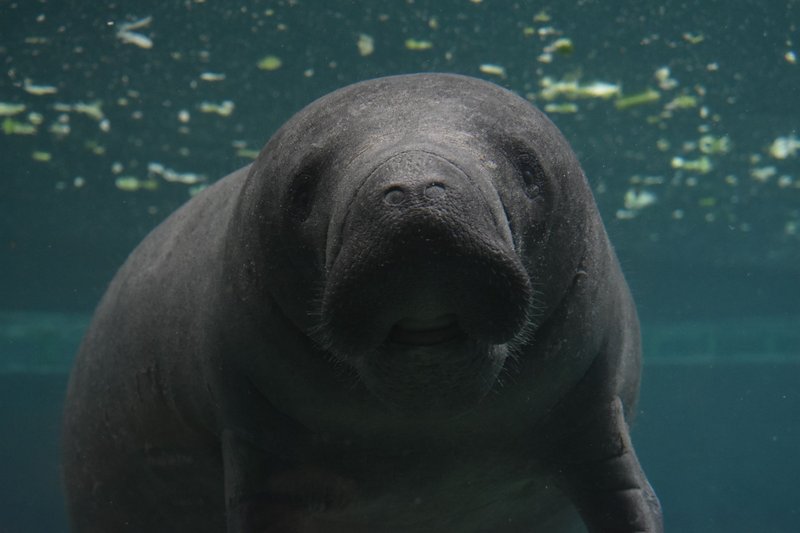
8. Manatee — Grazes on sea grass and aquatic plants, eating roughly a tenth of its body weight daily. Its constant cropping of sea grass beds earned it the nickname “sea cow.”
9. Parrotfish — Scrapes algae off coral and rock with a beak-like mouth. In the process it grinds up coral skeleton and excretes it as sand — a single large parrotfish can produce hundreds of pounds of white sand a year.
Insect Primary Consumers
Insects are the busiest primary consumers by sheer numbers, and they’re the ones lesson plans tend to skip past too quickly.
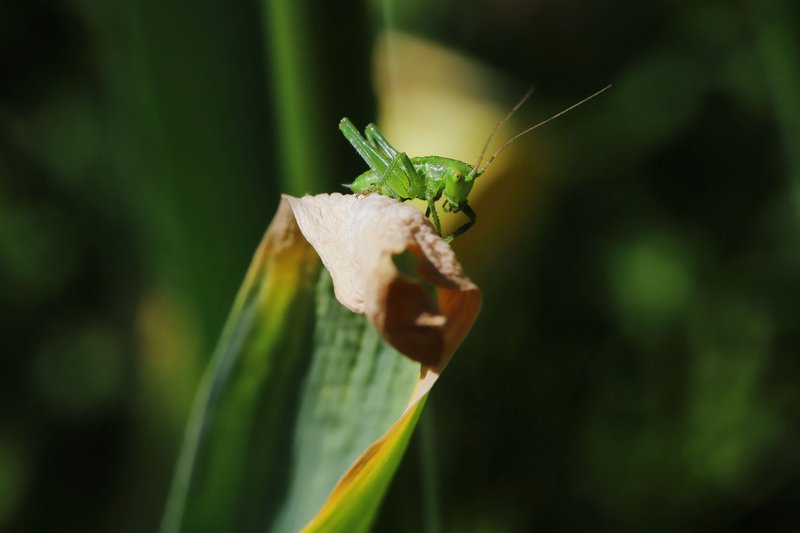
10. Grasshopper — Chews through grasses and leafy crops. A swarm of its relative, the desert locust, can strip a field bare, which is why this insect shows up in nearly every textbook food-chain diagram.
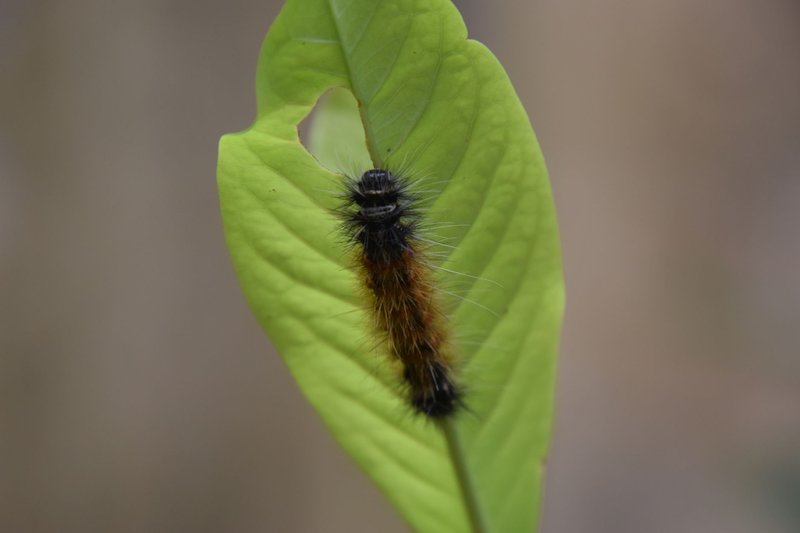
11. Caterpillar — Eats leaves, often specializing in one plant. Monarch caterpillars feed exclusively on milkweed, absorbing the plant’s toxins to make themselves poisonous to predators.
12. Honeybee — Feeds on nectar and pollen from flowering plants. While collecting that plant food it pollinates crops, making it a primary consumer that producers depend on right back.
Primary vs. Secondary Consumers
The single most-confused pair in any food-chain lesson. Here’s the difference at a glance:
| Feature | Primary Consumer | Secondary Consumer |
|---|---|---|
| Trophic level | Second | Third |
| What it eats | Producers (plants, algae) | Primary consumers |
| Diet type | Herbivore (mostly) | Carnivore or omnivore |
| Examples | Rabbit, cow, grasshopper | Fox, frog, snake |
| Energy source | Plants directly | Plant-eaters |
A fox eating a rabbit is a secondary consumer because the rabbit is a primary consumer. Move one rung up the same chain and you’re at a different label, even if the animal looks no fiercer than the one below it. The next rung up has its own quirks worth knowing, which this closer look at secondary consumers and their role in food webs walks through in detail.
The Omnivore Edge Case
Here’s where “primary consumer” stops being tidy. Plenty of animals eat both plants and other animals — bears, raccoons, humans, pigs. These omnivores act as primary consumers when they eat plants and as secondary (or higher) consumers when they eat animals.
A grizzly grazing on a hillside of berries is a primary consumer. The same grizzly pulling a salmon from a river is a secondary consumer. Ecologists handle this by assigning organisms a trophic level based on their overall diet rather than forcing them into one box, which is why food webs — with their crisscrossing arrows — represent reality better than a single straight-line food chain.
So the rule holds even here: the role follows the meal, not the animal.
FAQ
Are all primary consumers herbivores? Effectively, yes. By definition a primary consumer eats producers, which makes it a herbivore in that role. The complication is that many real animals are omnivores, so they only count as primary consumers during the meals when they’re eating plants.
Is a human a primary consumer? When you eat a salad or an apple, you’re acting as a primary consumer. When you eat a burger or fish, you’re a secondary or tertiary consumer. Humans are omnivores, so we occupy more than one trophic level depending on the meal.
Are insects primary consumers? Many are — grasshoppers, caterpillars, aphids, and bees all eat plant material. But not all: a praying mantis or ladybug eats other insects, which makes those secondary consumers.
What’s the difference between a producer and a primary consumer? A producer (a plant or alga) makes its own food through photosynthesis. A primary consumer can’t make food, so it eats producers. Producers are trophic level one; primary consumers are trophic level two.
Why is a primary consumer important in a food chain? It’s the bridge between producers and predators. Primary consumers convert energy locked in plants into a form that carnivores can use. Remove them and the energy captured by producers never reaches the rest of the chain — the whole web of life above them collapses.