Table of Contents
- What Is a Secondary Consumer?
- Where Do They Fit in the Food Chain?
- Carnivores vs. Omnivores: Both Can Be Secondary Consumers
- Secondary Consumers by Biome
- The 10% Rule: Why Energy Matters
- Primary, Secondary, and Tertiary Consumers Compared
- What Happens When Secondary Consumers Disappear?
- Human Impacts on Secondary Consumer Populations
What Is a Secondary Consumer? {#what-is-a-secondary-consumer}
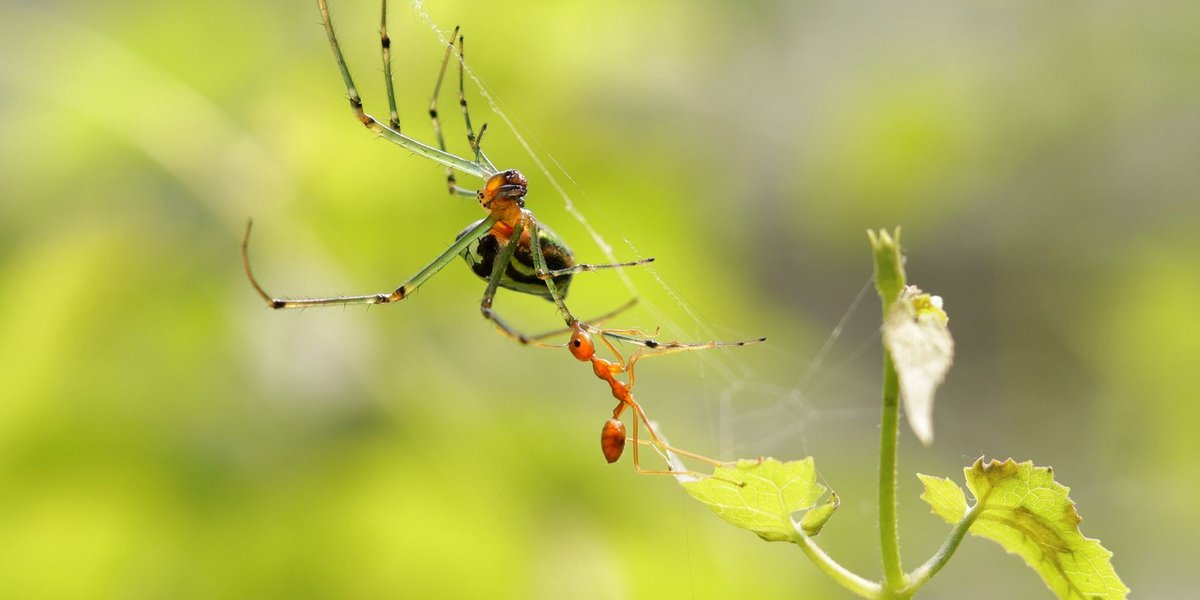
A secondary consumer is any organism that eats a primary consumer. Primary consumers eat plants (or other photosynthetic organisms), so secondary consumers are, at minimum, one step removed from the sun’s energy. They eat the plant-eaters.
That definition is clean and easy to remember. The biology underneath it is more interesting.
Secondary consumers sit at trophic level 3 in a food chain. They can be carnivores (eating only other animals) or omnivores (eating both plants and animals). A snake that eats mice is a secondary consumer. So is a human who eats a hamburger — cattle are primary consumers, and we eat the cattle.
Where Do They Fit in the Food Chain? {#where-do-they-fit-in-the-food-chain}
The standard food chain runs like this:
Producers → Primary Consumers → Secondary Consumers → Tertiary Consumers → Apex Predators
- Producers: Plants, algae, phytoplankton — organisms that convert sunlight into energy via photosynthesis
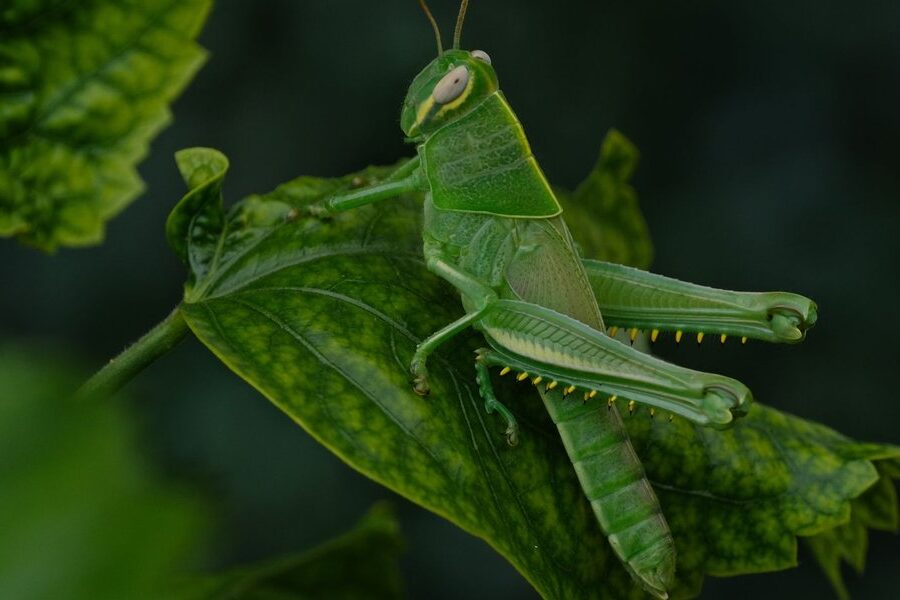
- Primary consumers (trophic level 2): Herbivores that eat producers — rabbits, deer, grasshoppers, zooplankton
- Secondary consumers (trophic level 3): Organisms that eat primary consumers — frogs, small fish, foxes, certain birds
- Tertiary consumers (trophic level 4): Predators that eat secondary consumers — eagles, large sharks, wolves
One organism can occupy multiple trophic levels simultaneously. A bear eats berries (making it a primary consumer) and eats salmon (making it a secondary or even tertiary consumer, depending on what the salmon ate). Food webs are messier than food chains — and more accurate to how ecosystems actually work.
Carnivores vs. Omnivores: Both Can Be Secondary Consumers {#carnivores-vs-omnivores}
Secondary consumer status isn’t about diet type — it’s about position in the energy flow. This is where students sometimes get confused.
Carnivorous secondary consumers eat only animals and happen to eat herbivores. Examples: most snakes, wolves preying on deer, bass eating smaller fish.
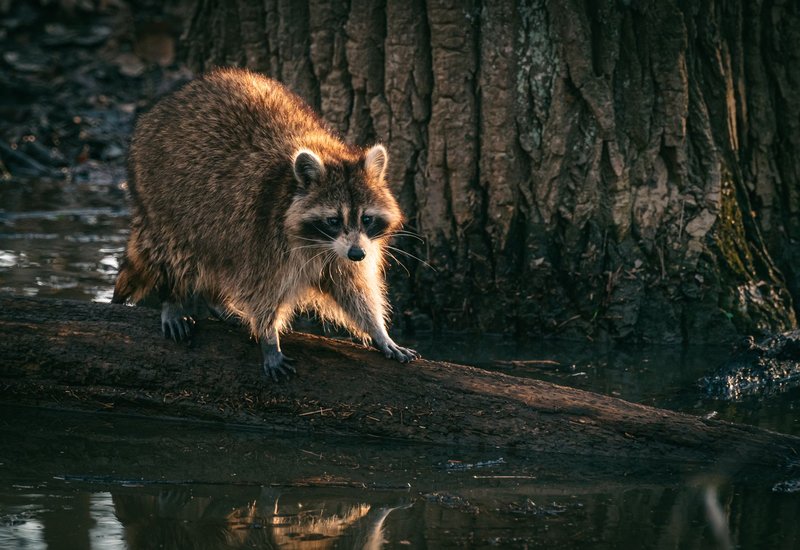
Omnivorous secondary consumers eat both plants and animals. When they eat a plant-eater, they’re functioning as secondary consumers. A raccoon raiding a nest of eggs from a bird that ate insects is eating at trophic level 3 — secondary consumer territory.
The same animal can shift between roles depending on what it’s eating at any given moment. Ecology doesn’t issue static ID cards.
Secondary Consumers by Biome {#secondary-consumers-by-biome}
Ocean
The ocean’s secondary consumers include some of the most ecologically important animals on the planet. Small fish like herring and anchovies eat zooplankton (primary consumers of phytoplankton) and are themselves eaten by larger fish, seabirds, and marine mammals. Squid prey on small crustaceans and fish. Jellyfish consume copepods and larval fish. Many shark species, when eating smaller fish, occupy the secondary consumer level — though larger sharks can move several trophic levels higher.
Forest
Frogs eat insects (primary consumers of leaves and plant matter), placing them firmly in trophic level 3. Weasels prey on voles and mice. Many songbirds eat caterpillars and beetles. Foxes hunt rabbits and rodents. The forest food web is layered and dense — a single woodland can contain dozens of secondary consumer species occupying the same general role.
Grassland
Grasslands produce dramatic secondary consumer interactions. Cheetahs, lions, and wild dogs hunt gazelles, zebras, and wildebeest — all herbivores grazing on grass. Snakes consume mice and prairie dogs. Secretary birds stomp and eat insects and small lizards. The African savanna’s predator-prey cycles are among the most studied in ecology for this reason.
Freshwater
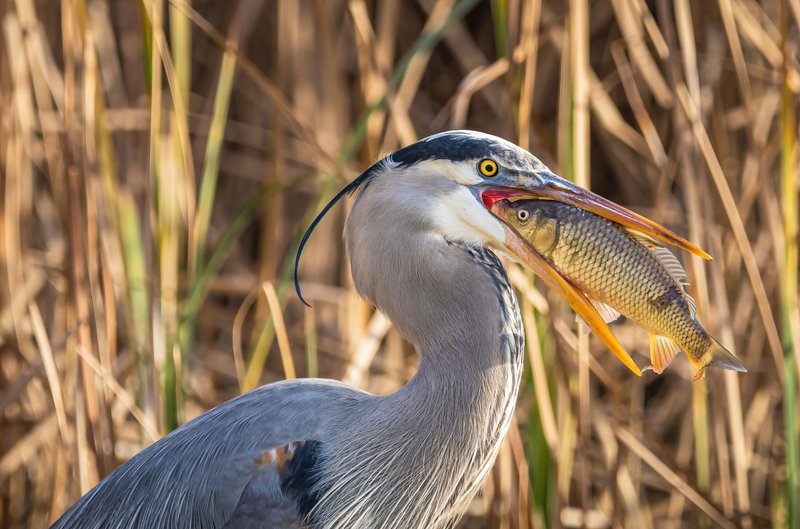
Bass, pike, and perch are classic freshwater secondary consumers, preying on smaller fish and aquatic insects. Herons stand at river edges eating frogs and small fish. Otters consume crayfish, which in turn eat aquatic plants and algae. The food chains in lakes and rivers tend to be shorter than in oceans but no less critical to ecosystem stability.
The 10% Rule: Why Energy Matters {#the-10-percent-rule}
Secondary consumers receive only about 10% of the energy that primary consumers obtained from plants. Primary consumers, in turn, received only 10% of what the plants captured from sunlight. By the time you reach trophic level 3, 99% of the original solar energy has been lost — burned off as heat during metabolism, used for movement, respiration, and waste.
This is why large predators are rare. A grassland that supports millions of grasshoppers might support thousands of frogs (eating those grasshoppers), and hundreds of snakes (eating those frogs). The math doesn’t allow for more.
The 10% figure is a rough average. Research published in ecological literature shows the actual transfer efficiency varies by ecosystem type — aquatic systems often transfer energy more efficiently than terrestrial ones, sometimes reaching 20%.
Secondary consumers exist at the inflection point where energy becomes genuinely scarce. Their populations are always constrained by the productivity two levels below them.
Primary, Secondary, and Tertiary Consumers Compared {#comparison-table}
| Feature | Primary Consumer | Secondary Consumer | Tertiary Consumer |
|---|---|---|---|
| Trophic level | 2 | 3 | 4 |
| Eats | Producers (plants, algae) | Primary consumers | Secondary consumers |
| Diet type | Herbivore | Carnivore or omnivore | Carnivore or omnivore |
| Examples | Rabbit, deer, grasshopper, cow | Fox, frog, small fish, wolf | Eagle, large shark, crocodile |
| Energy received | ~10% of producer energy | ~1% of producer energy | ~0.1% of producer energy |
| Population size | Large | Moderate | Small |
A species can appear in multiple columns depending on what it’s eating. Humans appear in all three. For a broader look at how these roles play out across species, the examples of consumers in biology — from herbivores to omnivores to decomposers — illustrate just how varied consumer strategies can be.
What Happens When Secondary Consumers Disappear? {#trophic-cascades}
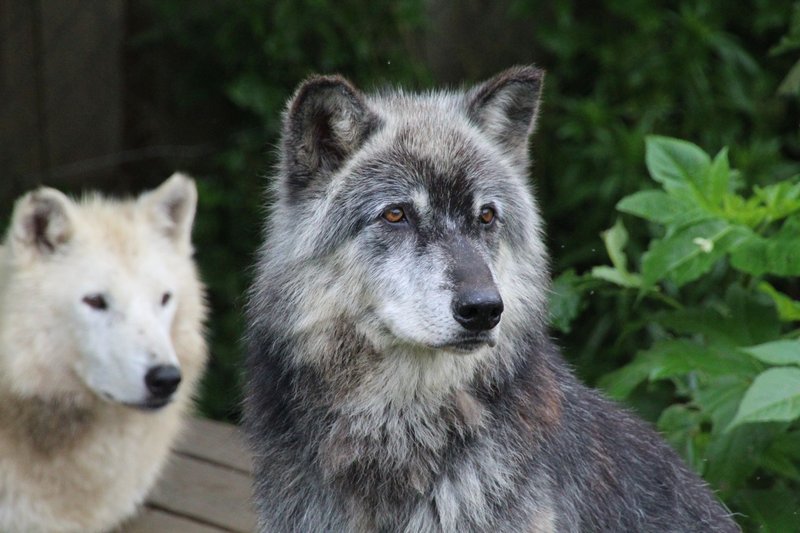
Remove secondary consumers from an ecosystem and you get a trophic cascade — a chain reaction that reshapes everything below and above them.
Yellowstone is the textbook case. Wolves were extirpated from the park by the 1920s. Without wolf predation, elk populations exploded. Overgrazing elk stripped willows and aspens from riverbanks. Stream banks eroded. Beaver populations collapsed because the willows they depended on disappeared. Fish habitats degraded. Bird species that nested in streamside vegetation declined.
When the National Park Service reintroduced gray wolves to Yellowstone in 1995, the process reversed. Elk numbers fell and, crucially, elk behavior changed — they avoided lingering in open valleys where wolves could corner them. Vegetation recovered in those areas. Streams stabilized. Beavers returned. The wolves didn’t just reduce elk numbers; they changed how elk moved through the landscape.
Shark populations show the same dynamic in marine systems. Off the eastern United States, overfishing of large sharks allowed populations of cownose rays — a prey species — to surge. The rays devastated bay scallop populations, collapsing a North Carolina fishery that had operated for a century. Research published in Science documented this cascade in 2007, making it one of the clearest examples of how removing a predator reorganizes entire marine food webs.
Secondary consumers are not just participants in food webs — they’re regulators. Their presence shapes the behavior, distribution, and population sizes of the animals below them.
Human Impacts on Secondary Consumer Populations {#human-impacts}
Humans have become the most significant force affecting secondary consumer populations globally, through three main mechanisms:
Overhunting and overfishing. Secondary consumers are often the target of commercial fisheries and hunting — bass, tuna, wolves, foxes. When harvest rates exceed reproductive capacity, populations crash. The North Atlantic cod collapse in the 1990s removed a critical secondary consumer from one of the world’s most productive marine ecosystems; recovery has been slower than models predicted, with the ecosystem reorganizing around different species rather than simply restoring the original structure.
Habitat loss. Secondary consumers generally require larger home ranges than the herbivores they eat, because energy scarcity at their trophic level means each individual needs more territory to find sufficient prey. Habitat fragmentation hits them disproportionately hard. A forest fragment too small to support a healthy deer population can’t support wolves or bobcats.
Indirect effects through prey populations. When pesticides reduce insect populations (primary consumers), insectivorous birds and frogs — both common secondary consumers — suffer food shortages even if they’re never directly targeted. The decline of farmland birds across Europe over the past 40 years tracks closely with agricultural intensification and insecticide use.
The common thread: secondary consumers are sensitive indicators of ecosystem health. When they disappear, something fundamental has gone wrong one or two trophic levels below.
Summary
Secondary consumers occupy trophic level 3 in a food chain, eating primary consumers (herbivores) and passing only about 10% of available energy up to the next level. They can be carnivores or omnivores, and the same species can act as different types of consumers depending on what it eats. They exist in every biome — ocean, forest, grassland, and freshwater — and their presence stabilizes the ecosystems they inhabit. When secondary consumers are removed, the effects ripple through the entire food web, often in ways that are difficult to reverse. Understanding them isn’t just academic biology; it’s an explanation for why intact predator populations matter.