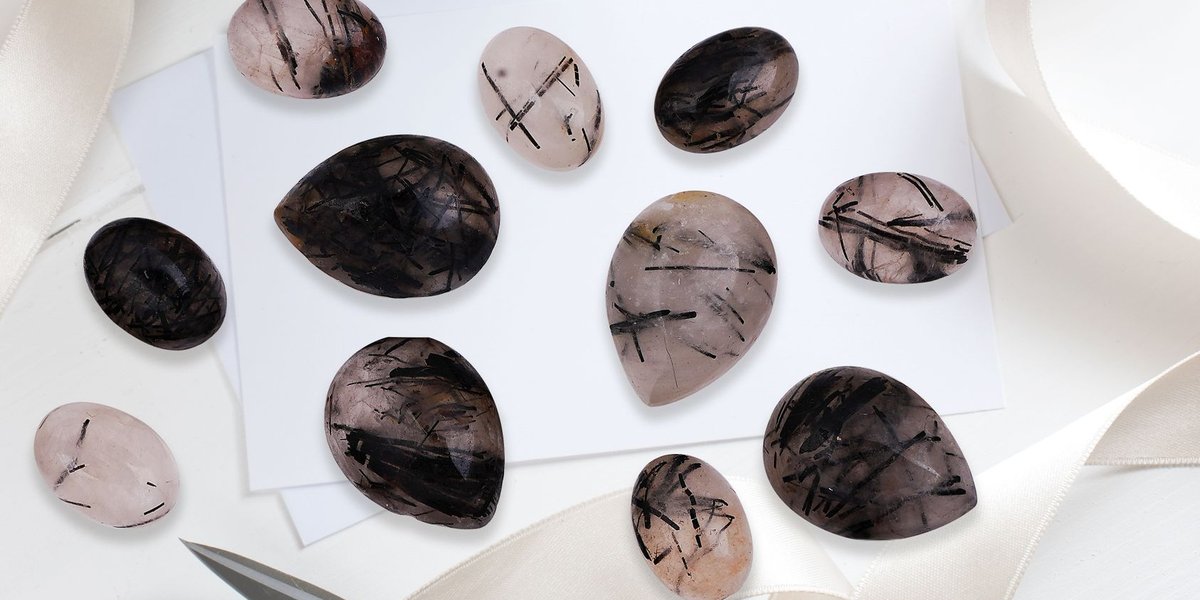
Russia, Botswana and Canada mine the most diamonds. Colored stones come from a different map: Tanzania, Zambia, Madagascar, Sri Lanka, Myanmar and Colombia, plus Brazil and Australia for specific gems. That’s the short version of the gemstone-producing countries question. The longer version explains why every “top 10” list you find ranks them differently.
Contents
- TLDR
- Gemstone-producing countries at a glance
- Value vs. volume: why the rankings disagree
- Diamonds: the three giants and the rest
- Colored gemstones: country profiles
- Quick lookup by gemstone
- Does origin change the price?
- Ethics, sanctions and traceability
TLDR
- Diamonds: Russia, Botswana and Canada lead. Russia and Botswana swap the top spot depending on whether you count carats or dollars. DR Congo, Angola, South Africa, Zimbabwe and Namibia follow.
- Emeralds: Colombia and Zambia. Brazil is a distant third.
- Rubies: Myanmar for the classic stones, Mozambique for volume.
- Sapphires: Sri Lanka, Madagascar, Myanmar, Australia.
- Opals: Australia, by a wide margin.
- Tanzanite: One place on Earth, Tanzania.
- Tourmaline and amethyst: Brazil.
- Colored stones have no clean ranking. Much of the output is dug by hand, sold in cash and never reported. Diamonds are tracked by the Kimberley Process. Rubies aren’t.
Gemstone-producing countries at a glance
| Country | Key gems | Notes |
|---|---|---|
| Russia | Diamonds | Sakha (Yakutia) region; state-controlled ALROSA mines most of it. Subject to G7 import bans since 2024. |
| Botswana | Diamonds | Jwaneng and Orapa mines; highest-value diamond output in Africa. |
| Canada | Diamonds | Northwest Territories mines such as Ekati and Diavik. |
| DR Congo | Diamonds | Large carat totals, but mostly low-value industrial and near-gem stones. |
| Angola | Diamonds | Alluvial and kimberlite mines; value per carat well above DR Congo. |
| South Africa | Diamonds | Home of the Cullinan mine, which gave the world the 3,106-carat Cullinan diamond. |
| Namibia | Diamonds | Marine diamonds dredged offshore; among the highest value per carat anywhere. |
| Colombia | Emeralds | Muzo, Chivor and Coscuez; benchmark for deep green. |
| Zambia | Emeralds, amethyst | Kafubu area; Kagem is one of the world’s largest emerald mines. |
| Myanmar | Rubies, spinel, jadeite, sapphires | Mogok valley for rubies; Hpakant for jade. Sanctions complicate trade. |
| Mozambique | Rubies, tourmaline | Montepuez ruby deposit is a major source of the world’s rubies. |
| Sri Lanka | Sapphires, padparadscha, spinel | Hand-dug alluvial pits around Ratnapura. |
| Madagascar | Sapphires, rubies | Ilakaka sapphire rush began in the late 1990s. |
| Tanzania | Tanzanite, rubies, sapphires, garnets | Tanzanite comes only from the Merelani Hills. |
| Brazil | Tourmaline, amethyst, topaz, aquamarine, emerald | Minas Gerais and Rio Grande do Sul. |
| Australia | Opal, sapphire | Roughly 95% of the world’s opal. Argyle pink diamond mine closed in 2020. |
| Afghanistan, Pakistan | Lapis lazuli, emerald, peridot, topaz | Lapis from Badakhshan; emeralds from Pakistan’s Swat valley. |
Value vs. volume: why the rankings disagree
Two countries can mine the same number of carats and be nowhere near each other in worth. That’s the whole reason published rankings clash.
By volume (carats or tonnes) rewards places that move a lot of rock. DR Congo shows up near the top of diamond-volume tables because its artisanal output is huge, but most of it is low-grade.
By value (dollars) rewards places that find high-quality stones. Botswana’s Jwaneng, often described as the richest diamond mine in the world by value, can push its country above larger-volume producers. Namibia’s offshore stones are rare in number and very high in price per carat.
Three more things scramble the lists:
- Mine-gate vs. market value. Some tables count the rough stone’s declared value at export. Others estimate the retail value after cutting. The two can differ by a factor of several.
- Data year. A mine closing (Argyle in 2020) or a sanction (Russia, 2024) can reshuffle a ranking in one year.
- Diamonds vs. everything else. Diamonds dominate gemstone trade by dollar value, and they’re the only gem with reliable country-by-country statistics. Any list that mixes diamonds with emeralds and rubies is comparing a tracked commodity with a mostly informal market.
For the numbers themselves, start with the USGS National Minerals Information Center, which publishes the annual Mineral Commodity Summaries, and the Kimberley Process statistics, which track rough diamond production and trade by country. Both revise figures annually, so check the data year on whatever table you’re reading. The rankings in this post follow recent reporting through 2023 and 2024.
Diamonds: the three giants and the rest
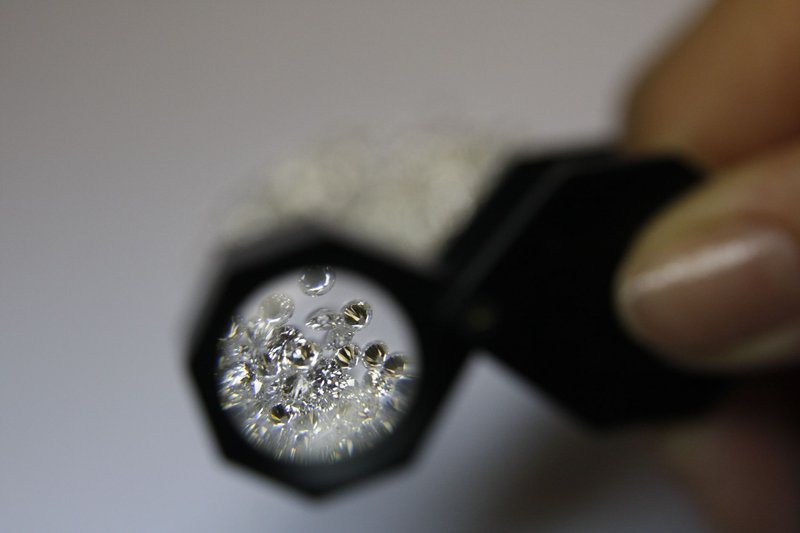
Russia mines roughly a third or more of the world’s diamonds by carat weight, mostly in the permafrost of Sakha. ALROSA, the state-controlled producer, runs the big open pits and underground mines around Mirny and Udachny. Since 2024, G7 countries have restricted imports of Russian-origin diamonds, which pushed Russian stones into other channels and changed who buys them.
Botswana produces fewer carats than Russia but earns comparable revenue. Debswana, a joint venture between the government and De Beers, runs Jwaneng and Orapa. Smaller Karowe mine produced the 1,109-carat Lesedi La Rona in 2015, the largest gem-quality rough diamond found in over a century.
Canada came late to diamonds. The first big mine, Ekati, opened in 1998 in the Northwest Territories, and Canada is now a top-three producer with a clean provenance story: every stone traces to a mine, not a river bank.
Below them, the picture is more mixed. DR Congo moves enormous carat totals of low-value stones. Angola and South Africa produce higher-value material. Zimbabwe’s Marange fields are large but contested. Namibia’s output is small in carats and exceptional in quality.
The world mines on the order of 100 million carats a year. Most of those carats never become jewelry, because industrial and near-gem stones make up a large share of the total.
Colored gemstones: country profiles
Colored stones are where the “which country” question gets personal, because origin is part of the stone’s identity.
Colombia: emeralds
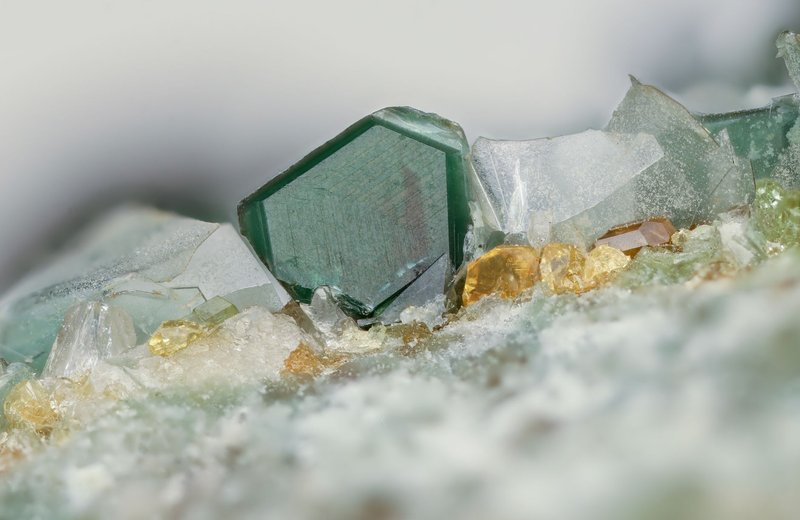
Colombian emeralds from Muzo, Chivor and Coscuez set the standard for rich, slightly yellowish green. The Muzo mine also produces trapiche emeralds, which show a six-spoked pattern from carbon inclusions. Mining there has a long and violent history, with the “Emerald Wars” of the 1980s and early 1990s, though production is now far more regulated. The GIA’s emerald overview covers how gemologists tell Colombian stones from other sources.
Zambia: emeralds
Zambia’s Kafubu area, home to the Kagem mine, usually ranks as the second-largest emerald source after Colombia. The stones tend toward a cooler, bluish green, and the crystals are often clean at smaller sizes. Zambia also produces amethyst. For jewelers, it’s the volume supplier that made emeralds affordable outside the top tier.
Myanmar: rubies, spinel and jade
Mogok has produced rubies for centuries, including the saturated red called “pigeon’s blood.” Myanmar also supplies spinel and most of the world’s top-grade jadeite, mined at Hpakant. Political turmoil and Western sanctions on state-linked gem enterprises make the trade harder to follow than it was a decade ago.
Mozambique: rubies
Mozambique’s Montepuez deposit, found around 2009, changed the ruby market. It supplies a large share of the world’s new rubies, and most of those stones are heat treated to improve color, which is standard in the trade and should be disclosed at sale.
Sri Lanka: sapphires
Sri Lanka’s gem gravels, called illam, lie a few meters below the surface around Ratnapura, whose name means “city of gems.” Miners dig narrow pits by hand and wash the gravel in baskets. The island gives you blue sapphires, pinkish-orange padparadscha and a long list of other stones: spinel, garnet, moonstone, chrysoberyl.
Madagascar: sapphires and rubies
In 1998, sapphires turned up in the soil near Ilakaka, and a roadside village swelled into a boomtown of tens of thousands. Madagascar is now one of the largest sources of sapphires and also supplies rubies and other stones. The scale is huge. The record-keeping isn’t.
Tanzania: tanzanite and more
Tanzanite is found only in the Merelani Hills near Mount Kilimanjaro, and was first identified in 1967. The GIA’s tanzanite description notes that the supply is limited to this single deposit. Tanzania also produces ruby, sapphire and tsavorite garnet, which crosses the border into Kenya.
Brazil: tourmaline, amethyst and more
Brazil is the generalist of the gem world. Minas Gerais yields tourmaline, aquamarine, topaz and emerald. Rio Grande do Sul has amethyst geodes tall enough to walk into. In 1989, copper-bearing Paraíba tourmaline emerged with an electric blue-green that no other tourmaline matched, and it commands prices closer to sapphire than to its cousins.
Australia: opal
Australia produces roughly 95% of the world’s opal. Coober Pedy in South Australia is known for white and crystal opal. Lightning Ridge in New South Wales is the source of black opal, the most valuable variety. Australia also mines sapphires, and until 2020 its Argyle mine supplied the vast majority of the world’s pink diamonds.
Afghanistan and Pakistan
Afghanistan’s Sar-i-Sang mines in Badakhshan have produced lapis lazuli for thousands of years. Pakistan’s Swat valley produces emeralds, and its northern mountains produce topaz, aquamarine and peridot.
Quick lookup by gemstone
| Gemstone | Main sources |
|---|---|
| Diamond | Russia, Botswana, Canada, DR Congo, Angola, South Africa, Namibia |
| Emerald | Colombia, Zambia, Brazil, Afghanistan, Pakistan |
| Ruby | Myanmar, Mozambique, Madagascar, Tanzania, Thailand |
| Sapphire | Sri Lanka, Madagascar, Myanmar, Australia, Tanzania |
| Opal | Australia, Ethiopia, Mexico |
| Tanzanite | Tanzania (Merelani Hills only) |
| Tourmaline | Brazil, Mozambique, Nigeria |
| Amethyst | Brazil, Uruguay, Zambia |
| Aquamarine | Brazil, Nigeria, Mozambique, Pakistan |
| Spinel | Myanmar, Tanzania, Sri Lanka, Tajikistan |
| Jadeite | Myanmar |
| Lapis lazuli | Afghanistan |
| Tsavorite garnet | Tanzania, Kenya |
| Topaz | Brazil, Pakistan, Russia |
Thailand and India appear on many “top gem countries” lists for a different reason: they cut, treat and trade stones mined elsewhere. Surat in India polishes most of the world’s diamonds by count, and Bangkok and Chanthaburi are major hubs for colored stones.
Does origin change the price?
Yes, but only for some stones, and only at the top end.
For rubies, sapphires and emeralds, a stone from a historically famous source can sell at a premium over a similar-looking stone from elsewhere. A fine unheated Burmese ruby, a Kashmir sapphire or a Colombian emerald with minimal treatment can bring much more per carat than stones of similar size and color from newer deposits. Lab reports from GIA and other labs may state geographic origin, and that statement is part of what the buyer pays for.
For diamonds, origin rarely changes the price directly. Color, clarity, cut and carat weight do the pricing. What origin does change is eligibility. Russian-origin stones are barred from G7 markets, and some buyers pay extra for diamonds with a documented mine-to-store chain.
For the mid-range stones most people buy, origin barely matters. A well-cut amethyst is priced on color and clarity, not passport.
Ethics, sanctions and traceability
The map of gem production overlaps with the map of conflict, informal labor and weak regulation more than most jewelry advertising suggests.
The Kimberley Process, created in 2003, certifies rough diamonds as conflict-free by tracking exports and imports between participant countries. It covers only rough diamonds and only one definition of harm (rebel-funded violence). It doesn’t address labor conditions, environmental damage or state-sponsored abuses, which is why critics push for stronger standards.
Colored stones have no equivalent system. Most mining is artisanal and small scale, and stones can change hands several times before reaching a trading hub. A few producers, such as Gemfields in Zambia and Mozambique, run large licensed mines and publish auction data. Most of the trade doesn’t.
If provenance matters to you, ask for a lab report that states origin, ask whether the stone is treated, and ask the seller what they know about the mine. A vague answer is itself information.