Table of contents
- TLDR
- Ghana’s minerals at a glance
- Gold
- Manganese
- Bauxite
- Diamonds
- Lithium and graphite
- Oil, salt and iron ore
- Who owns the mines
- Galamsey and its environmental cost
TLDR
Gold dominates. It accounts for roughly 90 to 95 percent of Ghana’s mineral export revenue, and Ghana is Africa’s largest gold producer. Manganese comes second in importance, followed by bauxite and diamonds. Lithium and graphite are the newcomers. According to the USGS, Ghana ranked 6th in the world for gold and 4th for manganese in 2024. The old colonial name for the country, the Gold Coast, still describes the economy fairly well.
Ghana’s minerals at a glance
| Mineral | Main locations | Standing |
|---|---|---|
| Gold | Tarkwa, Obuasi (Ashanti), Western Region, Namdini (north) | 6th globally in 2024 (USGS); Africa’s top producer |
| Manganese | Nsuta (Western Region) | 4th globally in 2024 (USGS) |
| Bauxite | Awaso (Western Region) | Ghana’s only large-scale bauxite mine |
| Diamonds | Akwatia (Eastern Region) | Small by world standards, mostly industrial grade |
| Lithium | Ewoyaa (Central Region) | Undeveloped, the headline project |
| Oil and gas | Offshore, Western Region | Producing since 2010 |
| Salt | Songor and Ada coast | Local and regional supply |
Ghana’s mineral wealth sits mostly in the south and west, along the old Birimian and Tarkwaian rock belts. Those are ancient, gold-bearing formations stretching from Ghana into neighbouring Côte d’Ivoire.
Gold
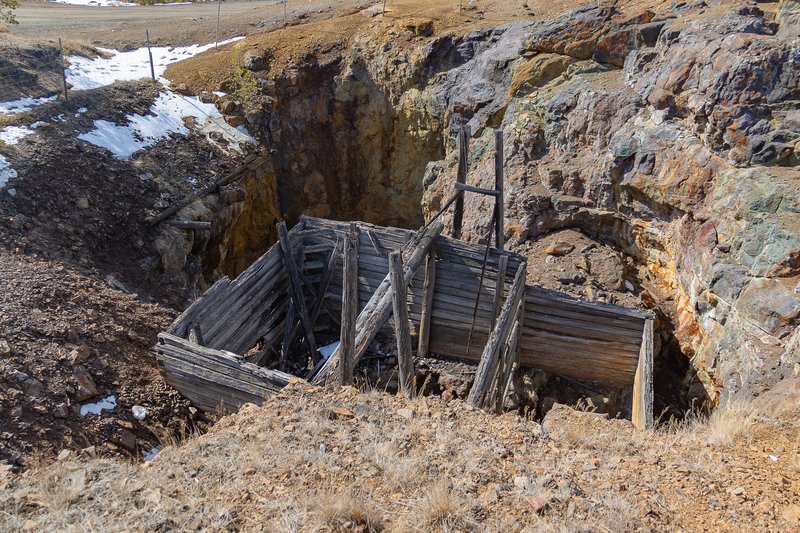
Gold is the reason mining matters here. Ghana overtook South Africa as Africa’s biggest producer in 2019, and annual output now runs at around four million ounces. The US Commercial Service describes mining as a major share of exports and a leading destination for foreign investment.
Two places anchor the story. Obuasi, in the Ashanti Region, has been mined for over a century and sits on deep, high-grade ore operated today by AngloGold Ashanti. Tarkwa, in the Western Region, is a different animal: large open pits and a heap-leach operation run by Gold Fields. Newer is Namdini in the north, a big open-pit project that shifts some of the country’s gold geography away from the south.
One detail trips up most summaries. Roughly a third of Ghana’s gold comes from small-scale miners, many of them licensed, and a share of it from illegal operators. We’ll get to that.
Manganese
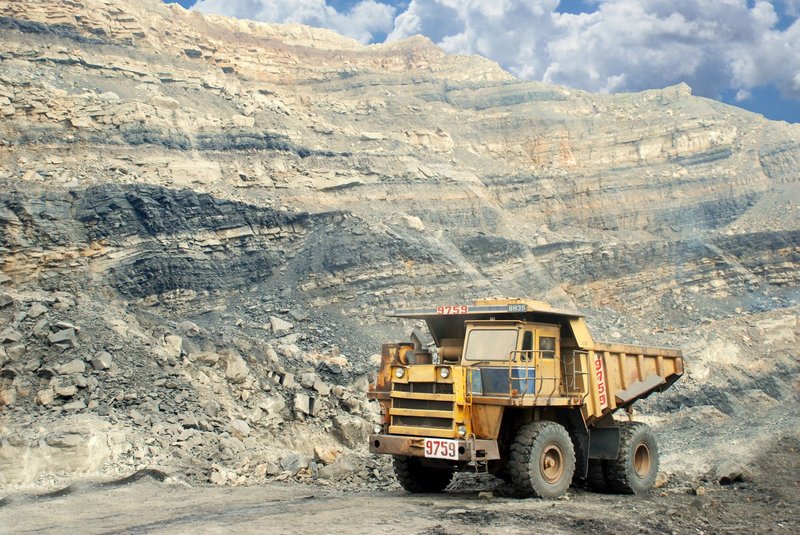
Manganese is the quiet workhorse. Almost all of it goes into steelmaking, where it removes sulfur and adds strength. Ghana’s supply comes from the Nsuta mine near Tarkwa, which has operated since the 1920s. The USGS places Ghana 4th in the world in 2024, behind South Africa, Gabon and Australia.
Most of the ore leaves as raw material. A planned manganese refinery in the Western Region aims to change that by processing it locally, which would capture more of the value. As of writing, it is a plan, not a plant.
Bauxite
Bauxite is the ore of aluminium, and Ghana has plenty of it. In practice, though, only the Awaso mine in the Western Region produces at scale. The ore is shipped out and refined elsewhere, because Ghana has no alumina refinery. Reported output figures vary a lot between sources and years, so check the year before quoting any number.
Diamonds
Akwatia in the Eastern Region has produced diamonds since the 1920s. Most Ghanaian stones are industrial grade rather than gem quality, and output is small next to Botswana, Russia or Canada. Much of the digging today is artisanal, in alluvial gravels along the Birim River.
Lithium and graphite
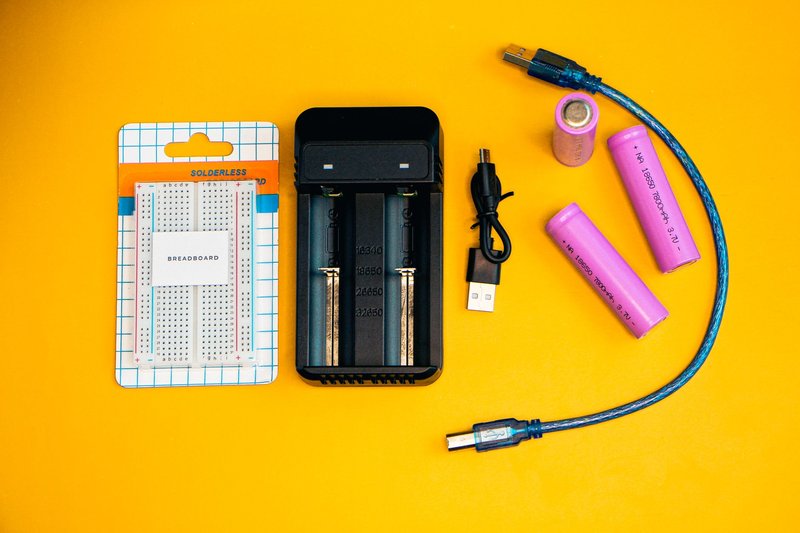
Lithium is the mineral to watch. The Ewoyaa project in the Central Region holds spodumene, a lithium-bearing rock that is the raw material for electric vehicle batteries. It is one of the larger lithium discoveries in West Africa. The sticking point has been the deal itself: royalty rates and the government’s share of the project drew political argument before any mine was built.
Graphite is the other battery mineral on Ghana’s list. Exploration is earlier-stage. Neither mineral produces meaningful revenue yet, so treat the “battery metals boom” framing with caution.
Oil, salt and iron ore
Strictly speaking, crude oil is not a mineral, but searchers and statistics both lump it in. Offshore fields, including Jubilee, began producing in 2010. Salt is evaporated from coastal lagoons such as Songor. Iron ore deposits exist in the Western and Northern regions but have never matched the potential on paper.
Who owns the mines
Most large mines are run by foreign companies: Gold Fields, AngloGold Ashanti and Chinese and Australian firms. Under Ghanaian law, the government can take a 10 percent free carried interest in mining operations, and it collects royalties on top. Local firms and individuals dominate the small-scale sector, which is reserved for Ghanaian citizens.
Galamsey and its environmental cost
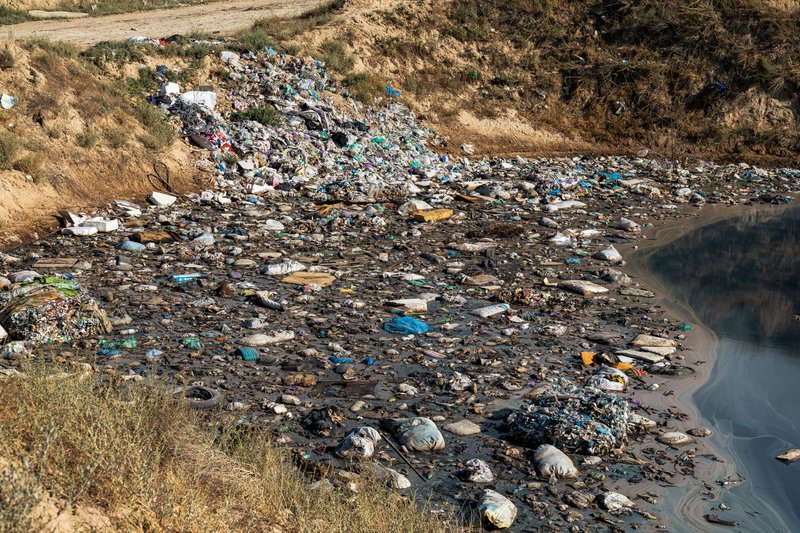
Galamsey, from “gather them and sell”, is the local name for illegal small-scale mining. Operators dig up riverbeds and forest with excavators, often using mercury to bind gold. The effects show in the water. Rivers such as the Pra, Ankobra and Offin have turned brown with sediment, and treatment plants have had to cut production because the water is too turbid to purify cheaply.
Farmland and forest reserves are damaged as well. It also goes beyond the environment: the World Health Organization warns that mercury exposure harms the nervous system, and artisanal gold mining is a leading source of mercury releases worldwide. The Ghanaian government has repeatedly announced crackdowns, with mixed results, because the same activity employs a lot of people.
That tension runs through the whole sector. The minerals underground are real wealth. Whether Ghana captures that wealth, or loses its water to get it, is the question the next decade of mining will answer.