Contents
- TLDR
- What Kuwait produces, in numbers
- Why oil byproducts count as minerals
- Geology: a flat desert on sedimentary rock
- What early surveys found
- Who owns what is underground
- Why oil crowds out mining
- Diversification: limestone, copper and Vision 2035
TLDR
Kuwait has almost no metal mining. No gold, iron ore or copper mine of any size is operating there. The country’s mineral economy is industrial minerals (cement, salt, sand and gravel) plus products that come out of oil and gas processing, mainly sulfur and steel. The USGS says Kuwait is not a globally significant mineral producer.
What Kuwait produces, in numbers
The most reliable public figures come from the USGS National Minerals Information Center, which tracks Kuwait’s output year by year. Recent figures round to this:
| Commodity | Approximate annual output |
|---|---|
| Cement | 4.25 million tonnes |
| Raw steel | 1 million tonnes |
| Byproduct sulfur | 1.3 million tonnes |
| Salt | 60,000 tonnes |
Gypsum, clays, lime, and sand and gravel are produced only occasionally or in small amounts, and they don’t show up as steady lines in the data.
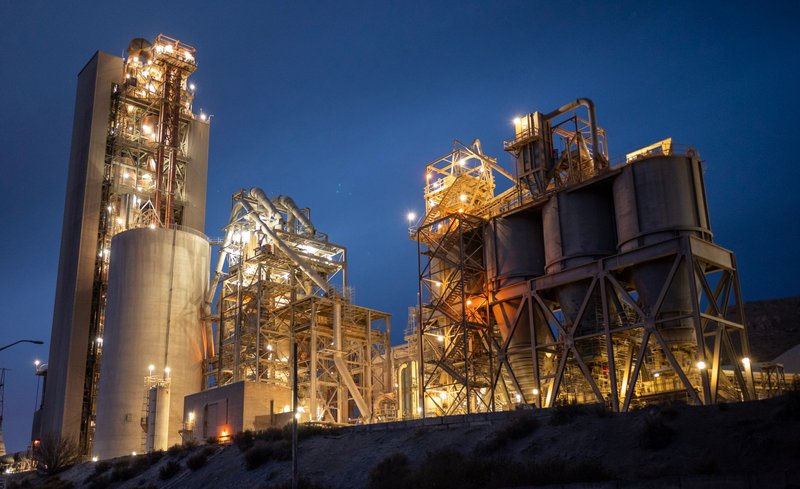
Cement is the biggest item by weight, and it’s driven by local construction rather than export. Salt is the smallest and the only one on the list that typically comes from evaporating seawater rather than from rock or a refinery.
Be careful with anything beyond this table. Commercial data sites repeat generic claims about limestone extraction and copper exploration, but they rarely name a project, a company or a tonnage. Treat those claims as unverified until you can trace them to a primary source.
Why oil byproducts count as minerals
Two of the four headline products have nothing to do with a mine.
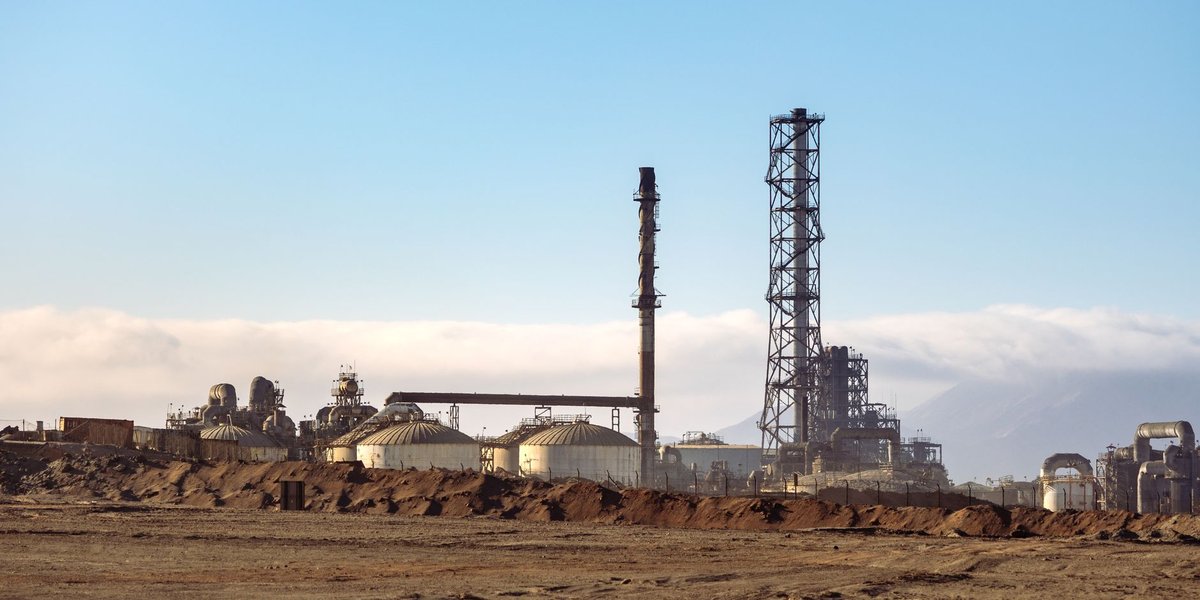
Sulfur is a byproduct. Crude oil and natural gas from the Gulf region contain sulfur compounds, and refiners and gas plants have to strip them out to meet fuel standards. The sulfur that’s left over is sold as a commodity, mostly for fertilizer and chemicals. Kuwait’s 1.3 million tonnes is a measure of how much oil and gas it processes, not of any ore body.
Steel follows the same logic. Kuwait has no iron ore mines, so the raw material arrives from abroad, and the local advantage is cheap domestic energy. The 1 million tonnes of raw steel is a manufacturing figure, not a mining one.
Only cement and salt involve digging or harvesting anything locally, and cement still depends on limestone, clay, gypsum and sand.
Geology: a flat desert on sedimentary rock
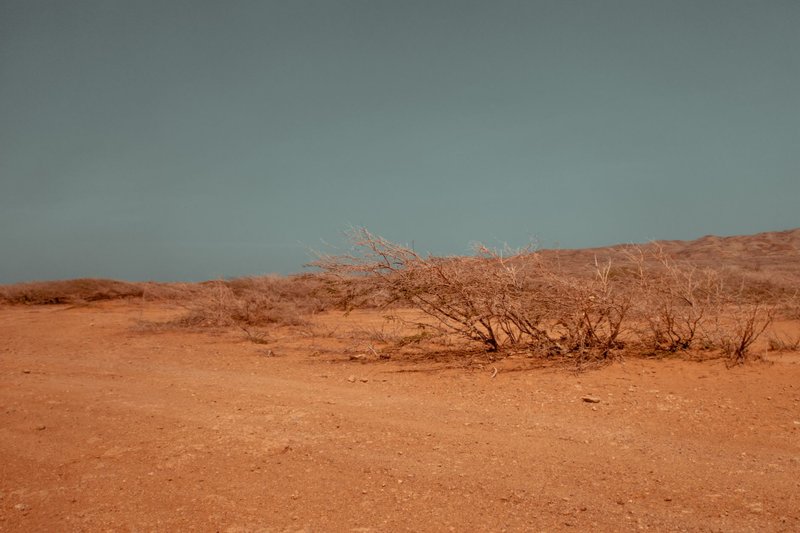
Kuwait is a low, flat desert at the head of the Persian Gulf. The ground is sedimentary: sand, gravel, limestone, clay and evaporites laid down over a long history of shallow seas and desert plains. There are no mountain belts, no igneous intrusions and no metamorphic basement near the surface.
That matters because most metal ores form where hot fluids move through igneous or metamorphic rock. Sedimentary basins are better at something else: trapping hydrocarbons. The same geology that rules out gold and copper deposits produced the Burgan field, one of the largest oil fields ever found.
What early surveys found
Geological work before and during the oil boom reached a blunt conclusion. A 1960s survey, digitized by the University of Wisconsin library, and the USGS Minerals Yearbook entries that followed describe the same short list. Gravel aggregate, oolitic limestone and brick sand were the only economically valuable non-petroleum minerals.
Oolitic limestone is limestone made of tiny rounded grains, useful as building stone and as cement feedstock. Brick sand and gravel feed the construction industry. None of these is glamorous, but a country building roads, towers and housing at Kuwait’s pace needs them in bulk, and they’re the quiet part of the mineral story. The USGS yearbook chapter on Kuwait is the best readable record of how that picture has held up.
Who owns what is underground
Kuwait’s legal framework starts from a simple rule. Article 21 of the Constitution declares natural resources and all revenues from them the property of the state, and says the state must preserve and develop them.
Mining and quarrying laws were layered on during 1995 to 2001, and the PPP Law (Law No. 116 of 2014) opened the door to private partners in public projects. Together these set the terms for any company that wants to extract minerals, but the rules haven’t produced a metal mining sector. The law isn’t the bottleneck. The geology is.
Why oil crowds out mining
Oil makes up the overwhelming share of Kuwait’s export earnings and government revenue. When one resource pays for the state, the economics of every alternative get harder. A quarry or mine has to compete for capital, land and political attention with the fields that already pay for almost everything. For the oil, gas and water base behind that, see Natural Resources of Kuwait: Oil, Gas, Water & More.
It also removes the push to look. Countries with weak hydrocarbon sectors often develop mining because they have to. Kuwait never did, so exploration is thin, and “no known deposits” partly means “little drilling for them.”
Diversification: limestone, copper and Vision 2035
Kuwait’s long-term plan, Vision 2035, aims to reduce dependence on oil. Minerals are a small piece of that, with two realistic directions.
The first is limestone and other construction minerals. Domestic cement, aggregate and lime reduce import needs and give industrial projects cheaper inputs. This is the most credible path because the resource is known and the demand exists.
The second is metals, usually copper, which commercial sites mention as an exploration target. The honest status is that no named project with published reserves has been verified in the sources reviewed for this article. If one is announced, check it against a USGS yearbook update or a government licensing record before treating it as real.
Until then, the answer to the question in the title holds. Kuwait’s minerals are cement, steel, sulfur and salt, with sand and gravel behind them, and almost all of it traces back to construction demand and the oil industry.