An organic compound is a molecule built on a carbon skeleton, almost always with carbon-hydrogen bonds. Methane, ethanol, glucose, caffeine and aspirin are all organic compounds. Carbon dioxide, carbonates and diamond are not, and the reason why is covered below.
TLDR
- Definition: carbon-based molecules containing C-H bonds. A few carbon compounds (CO2, CO, carbonates, cyanides) are classed as inorganic by convention.
- Quick examples: methane (CH4), ethanol (C2H6O), acetic acid (C2H4O2), glucose (C6H12O6), benzene (C6H6), aspirin (C9H8O4).
- Fast test: carbon plus hydrogen bonded together means organic. Carbon with no hydrogen usually means inorganic.
Table of contents
- What makes a compound organic?
- Hydrocarbons: alkanes, alkenes and alkynes
- Alcohols
- Aldehydes and ketones
- Carboxylic acids and esters
- Amines
- Aromatic compounds
- Biological organic compounds
- Everyday and pharmaceutical organic compounds
- Is it organic? Edge cases
- Organic vs. inorganic compounds
- FAQ
What makes a compound organic?
Carbon forms four bonds and bonds easily to itself, so it builds chains, branches and rings. Attach hydrogen, oxygen, nitrogen and a few other elements to those frameworks and you get millions of different molecules. That family is organic chemistry.
The name is historical. Chemists once believed these compounds could only come from living things, a “vital force” idea. In 1828 Friedrich Wöhler made urea, a compound found in urine, from the inorganic salt ammonium cyanate. That experiment helped end the idea. The word stuck anyway.
What defines the class now is structure. Organic molecules are grouped by functional groups, the small clusters of atoms (like -OH or -COOH) that decide how a molecule behaves. The sections below follow those groups.
Hydrocarbons: alkanes, alkenes and alkynes
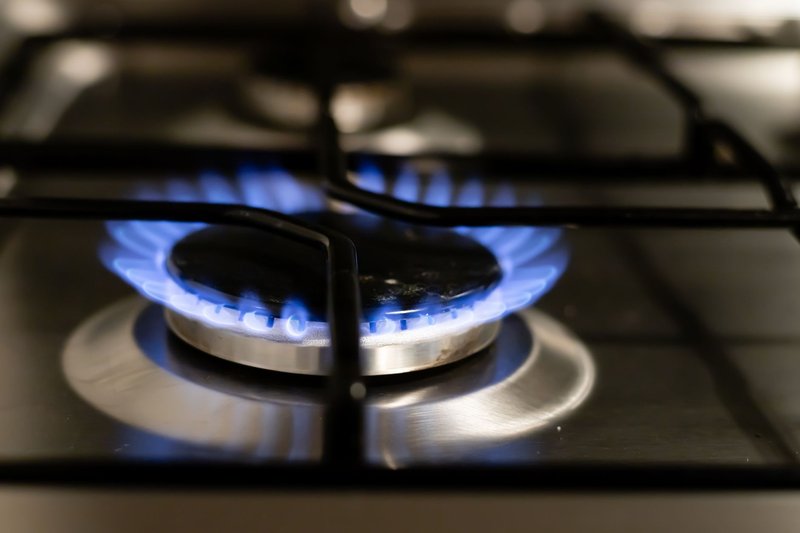
Hydrocarbons contain only carbon and hydrogen. They split by bond type.
| Compound | Formula | Class | Where you meet it |
|---|---|---|---|
| Methane | CH4 | Alkane (single bonds) | Natural gas for stoves and heating |
| Propane | C3H8 | Alkane | Barbecue and camping cylinders |
| Butane | C4H10 | Alkane | Lighter fluid |
| Ethylene (ethene) | C2H4 | Alkene (C=C double bond) | Ripening hormone in fruit; raw material for polyethylene |
| Acetylene (ethyne) | C2H2 | Alkyne (C≡C triple bond) | Welding torches |
Alkanes are saturated: every carbon holds as many hydrogens as it can. That makes them stable and good fuels. The same single-bonded carbons can also close into rings, as explained in the guide to cycloalkanes. Alkenes and alkynes are unsaturated, and their extra bonds make them reactive. It’s why ethylene is the starting point for most plastic bags and bottles, and why a banana in a bag with an apple ripens faster. The apple releases ethylene.
Alcohols
Alcohols carry an -OH group on a carbon atom.
| Compound | Formula | Where you meet it |
|---|---|---|
| Methanol | CH4O | Antifreeze and solvent; toxic to drink |
| Ethanol | C2H6O | Beer, wine, spirits, and fuel blended into petrol |
| Isopropanol | C3H8O | Rubbing alcohol and hand sanitizer |
| Glycerol | C3H8O3 | Soap, cosmetics, food additive |
The ethanol in a drink and the ethanol in a petrol pump are the same molecule. Only the source and the denaturing additives differ.
Aldehydes and ketones
Both have a carbon double-bonded to oxygen (C=O). In aldehydes that carbon sits at the end of the chain; in ketones it sits in the middle.
| Compound | Formula | Class | Where you meet it |
|---|---|---|---|
| Formaldehyde | CH2O | Aldehyde | Preservative; resins in some plywood |
| Acetaldehyde | C2H4O | Aldehyde | Produced when the body breaks down ethanol |
| Acetone | C3H6O | Ketone | Nail polish remover |
| Vanillin | C8H8O3 | Aldehyde (with other groups) | Vanilla flavor |
Carboxylic acids and esters
Carboxylic acids carry a -COOH group. They are weak acids, but they give foods their sour taste. The organic acids guide covers how this group donates hydrogen ions in more depth.
| Compound | Formula | Where you meet it |
|---|---|---|
| Formic acid | CH2O2 | Ant stings |
| Acetic acid | C2H4O2 | Vinegar (about 5% in table vinegar) |
| Citric acid | C6H8O7 | Lemons, limes, soft drinks |
| Lactic acid | C3H6O3 | Yogurt; muscle metabolism |
Swap the acid’s hydrogen for a carbon chain and you get an ester. Esters are the smell of fruit. Ethyl acetate (C4H8O2) smells sweet and shows up in nail polish remover and as a decaffeination solvent. Fats and oils are esters too, which links this section to the biology one below.
Amines
Amines contain nitrogen bonded to carbon. Methylamine (CH5N) is the simplest. Amines are why rotting fish smells the way it does: the odor comes from compounds like trimethylamine. Amino acids, the building blocks of proteins, carry an amine group alongside a carboxylic acid group.
Aromatic compounds
Aromatics contain a ring of six carbons with shared electrons, the benzene ring. The name came from the strong smell of the first ones isolated, not from any current definition.
| Compound | Formula | Where you meet it |
|---|---|---|
| Benzene | C6H6 | Industrial feedstock; a known carcinogen, found in petrol and cigarette smoke |
| Toluene | C7H8 | Paint thinner and glue solvent |
| Naphthalene | C10H8 | Mothballs |
| Phenol | C6H6O | Disinfectants and resins |
Benzene is the parent of this whole group. Toluene is benzene with a methyl group attached. Aspirin, caffeine-like drugs and many dyes are built on the same kind of ring.
Biological organic compounds
Living things are made of organic compounds in four big families.
- Carbohydrates: glucose (C6H12O6), sucrose (table sugar, C12H22O11), starch and cellulose. Glucose is the sugar your cells burn for energy.
- Lipids: fats, oils, waxes and cholesterol. Mostly carbon and hydrogen, with a little oxygen.
- Proteins: long chains of amino acids such as glycine and alanine. Enzymes, hemoglobin and the keratin in your hair are all proteins.
- Nucleic acids: DNA and RNA, chains of nucleotides that store and carry genetic information.
All four are huge molecules built from repeating small units, which is why chemists call them biopolymers.
Everyday and pharmaceutical organic compounds

Plenty of familiar substances are single, well-defined organic molecules.
- Caffeine (C8H10N4O2): the stimulant in coffee, tea and cola. It’s a nitrogen-containing ring compound.
- Aspirin (acetylsalicylic acid, C9H8O4): a pain reliever made by modifying salicylic acid, which comes from willow bark.
- Ibuprofen (C13H18O2): a common anti-inflammatory and fever reducer.
- Menthol (C10H20O): the cooling compound in mint, found in lozenges and toothpaste.
- Polyethylene: a plastic made by linking thousands of ethylene molecules into one chain.
- Octane (C8H18): a main component of petrol.
Fuel, food, medicine and plastics all trace back to carbon chemistry.
Is it organic? Edge cases
Some carbon compounds fail the “carbon plus hydrogen” test and are filed under inorganic chemistry.
- Carbon dioxide (CO2) and carbon monoxide (CO): carbon with oxygen only, no C-H bond. Inorganic.
- Carbonates and bicarbonates: limestone (CaCO3) and baking soda (NaHCO3). Inorganic, though baking soda has a hydrogen, because it isn’t bonded to carbon.
- Cyanides and carbides: treated as inorganic by convention.
- Diamond and graphite: pure carbon, an element rather than a compound. Not organic.
- Urea (CH4N2O): organic. It has C-H bonds, and it was the compound that cracked the “vital force” idea.
So the quick test is simple: look for carbon bonded to hydrogen. If it’s there, the compound is organic. If you only find carbon bonded to oxygen, metals or itself, it isn’t.
Organic vs. inorganic compounds
| Feature | Organic | Inorganic |
|---|---|---|
| Backbone | Carbon chains and rings | Varied; no carbon backbone |
| Typical bonds | Covalent | Often ionic |
| Melting and boiling points | Usually lower | Usually higher |
| Burn in air | Often yes | Rarely |
| Dissolve in water | Often poorly | Often well (salts) |
| Examples | Ethanol, glucose, aspirin | Table salt (NaCl), water, ammonia, CO2 |
These are tendencies, not laws. Sugar is organic and dissolves in water easily; some inorganic substances don’t dissolve at all.
FAQ
Is water an organic compound? No. Water (H2O) has hydrogen but no carbon.
Is CO2 an organic compound? No. It has no C-H bond and is classed as inorganic.
Is sugar organic? Yes. Sucrose (C12H22O11) and glucose are carbohydrates, built from carbon, hydrogen and oxygen.
Is salt organic? No. Table salt (NaCl) contains no carbon.
How many organic compounds are there? Chemists have registered well over a hundred million known substances, the large majority of them organic. Carbon’s bonding flexibility is the reason the count is so high.
Is “organic” on a food label the same thing? No. Food labeled organic refers to farming methods. Every food, organic-certified or not, is full of organic compounds in the chemical sense.