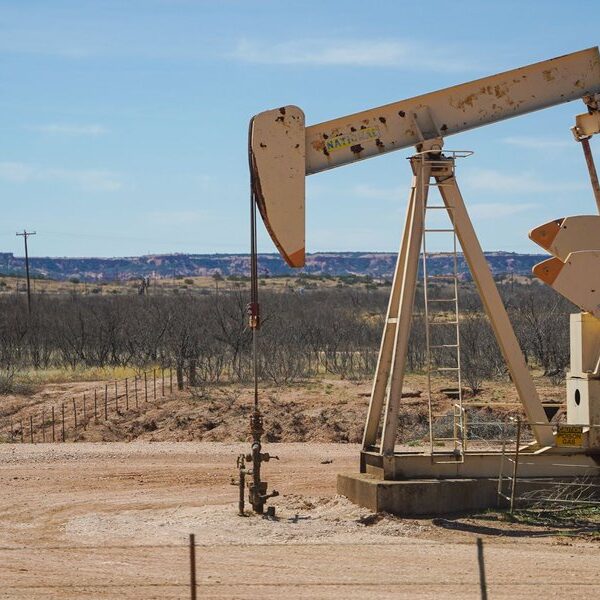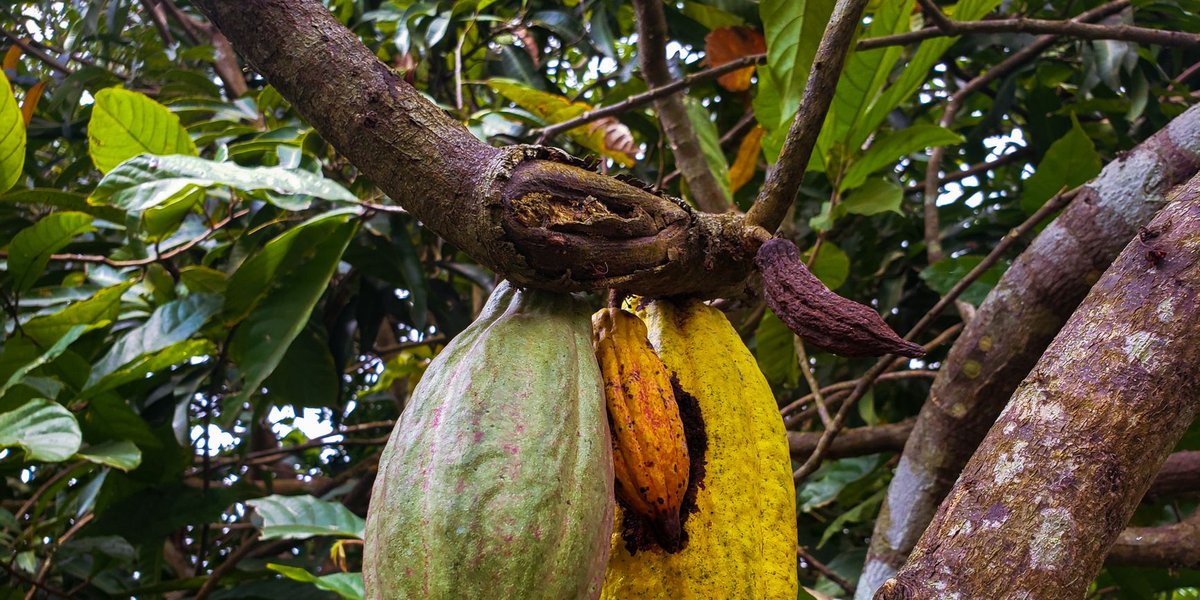
Côte d’Ivoire doesn’t get talked about as a resource powerhouse the way Nigeria or the DRC do, but it should. This is a country that supplies something like four in ten chocolate bars on the planet, is quietly becoming a serious gold producer, and just brought a deepwater oil field online that’s already reshaping its energy math. The resource story here isn’t one commodity — it’s three, stacked on top of each other, and each one is reshaping the landscape in its own way.
Table of Contents
- The Short Version
- Minerals: Gold Is the Real Story
- Energy: Oil, Gas, and the Baleine Field
- Agriculture: Cocoa Runs the Economy
- The Environmental Cost
- Resources at a Glance
The Short Version
Côte d’Ivoire’s economy sits on three legs. Minerals — mainly gold, with diamonds, manganese, iron ore, bauxite, cobalt, and nickel in smaller supporting roles. Energy — offshore oil and natural gas, led by the Baleine field, plus growing hydropower capacity. Agriculture — and here’s the one that actually defines the country internationally: Côte d’Ivoire produces something like 40% of the world’s cocoa, more than the next several producers combined. Rubber, cashews, and palm oil round out the farm exports. The tradeoff for all of it is forest. Côte d’Ivoire has lost the overwhelming majority of its forest cover since the 1950s, and cocoa expansion is the single biggest driver.
Minerals: Gold Is the Real Story
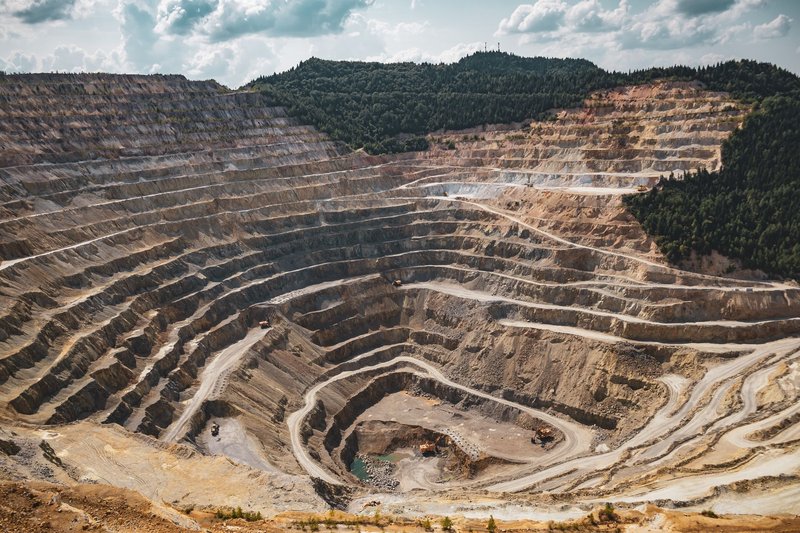
Ivorian gold production has gone from a rounding error to a genuine industry in about a decade. Output climbed from roughly 20 tonnes in 2014 to more than 59 tonnes in 2025, and the government has set a target of 100 tonnes a year within the next decade — a goal that would put Côte d’Ivoire in the same conversation as established West African gold producers like Ghana and Mali.
Three mines carry most of that weight. Ity, in the west near the Liberian border, produced around 343,000 ounces in 2024 and is expected to land between 290,000 and 330,000 ounces in 2025. Tongon, in the north, has been one of the country’s largest single producers for years and changed hands in late 2025 when Barrick divested its interest to the Atlantic Group. Bonikro, further south, just had its mine life extended to 2036 — seven years longer than previously planned — which tells you something about how much confidence operators now have in Ivorian gold.
Beyond gold, the mineral list gets longer but shallower: diamonds (mostly from the Séguéla region, though the sector is still recovering from a UN export ban lifted in 2014), manganese, iron ore, bauxite, cobalt, and nickel. None of these currently rival gold’s scale, but exploration licenses have expanded fast, and the World Bank has been working with the government to formalize the country’s large informal small-scale gold mining sector — a sign of how much economic activity is happening outside the official production figures entirely.
Energy: Oil, Gas, and the Baleine Field
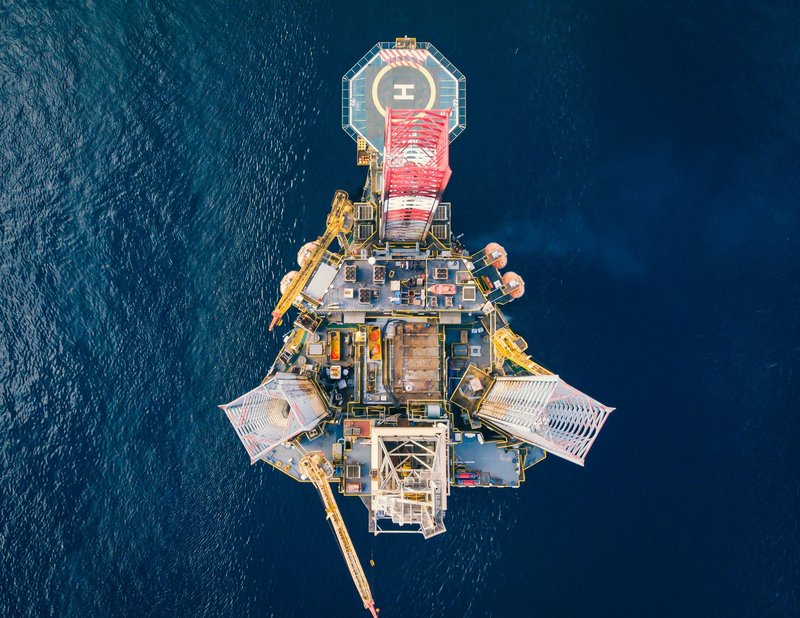
Until 2023, Côte d’Ivoire was a minor oil producer. Then Eni brought the Baleine field online, and the numbers changed fast. Baleine sits in deepwater blocks off the Ivorian coast, holds certified reserves around 2.5 billion barrels of oil and 3.3 trillion cubic feet of gas, and is Africa’s first upstream project to run at net-zero scope 1 and 2 emissions — the associated gas gets used onsite for power rather than flared.
Phase 1 came online in August 2023. Phase 2, completed at the end of 2024, tripled output to more than 62,000 barrels of oil and 75 million cubic feet of gas a day. A third phase, sanctioned in 2026 with roughly $4 billion in new investment, is set to more than double that again — pushing production toward 150,000 barrels of oil and 200 million cubic feet of gas per day. That volume would meaningfully cut the country’s fuel import bill and free up gas for domestic power generation, which matters in a country still building out grid capacity.
Baleine isn’t the whole energy picture, though. Côte d’Ivoire also runs several hydropower dams along the Bandama and Sassandra rivers — Kossou, Taabo, and Buyo among them — which together with newer thermal and gas plants keep the country as one of West Africa’s few net electricity exporters, selling surplus power to neighbors like Burkina Faso, Mali, and Ghana.
Agriculture: Cocoa Runs the Economy
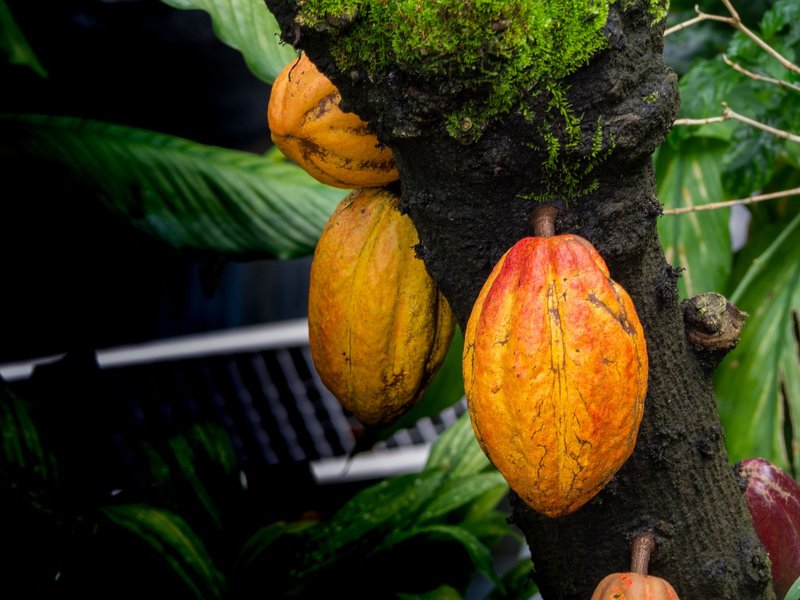
Everything else in this list is a footnote next to cocoa. Côte d’Ivoire is the world’s largest cocoa producer by a wide margin, accounting for somewhere between 36% and 45% of global output depending on the season and how it’s measured — figures that dwarf the next-largest producer, neighboring Ghana. Around 70% of the harvest leaves the country as raw beans, with the rest processed domestically into paste and butter before export. The European Union buys the majority of it, taking a record 66.2% share of Ivorian cocoa exports in 2024.
The scale is hard to overstate: this is a single country whose harvest decisions move global chocolate prices. When Ivorian output dipped in 2023 and 2024 due to disease and aging tree stock, cocoa futures hit record highs on international markets — a direct line from farms outside Daloa and Man to the price of a candy bar in a US grocery store.
Cocoa isn’t the only crop, though the others operate at a different scale. Rubber has grown into a genuine second export, with Côte d’Ivoire now ranking among the world’s top natural rubber producers. Cashews are a similar story — the country is one of the largest raw cashew exporters globally, though most of the crop still gets shipped abroad for processing rather than shelled at home. Palm oil rounds out the list, grown mainly in the southeast and feeding both export markets and a growing domestic biodiesel push.
The Environmental Cost
The agricultural boom has a bill attached, and it’s a forest-sized one. Côte d’Ivoire has lost more than 90% of its forest cover since 1950, and research published in Nature Food directly links cocoa expansion to roughly 37% of forest loss inside the country’s protected areas between 2000 and 2020. Between 2000 and 2024, the country lost or degraded an estimated 79% of its remaining forests, with cocoa the single largest driver throughout that period.
The mechanism is simple and well documented: cocoa trees do best in the shade and soil conditions of former forest, so farmers expanding their plots — often smallholders with few other income options — clear adjacent forest rather than intensify existing land. The BBC has reported on this pattern inside supposedly protected reserves for years, and the government’s own forest inventory now puts national forest cover in the single digits, down from roughly 37% at independence. A national reforestation policy adopted in 2018 aims to roughly double forest cover by 2030, but even its own targets acknowledge how much ground has already been lost.
Mining and offshore drilling carry their own, smaller environmental footprints — tailings management around gold operations, marine impact assessments for Baleine — but neither approaches the scale of what cocoa has done to the landscape over the past seventy years.
Resources at a Glance
| Resource Type | Key Locations | Export Role |
|---|---|---|
| Gold | Ity, Tongon, Bonikro | Fastest-growing mineral export; ~59 tonnes produced in 2025 |
| Diamonds, manganese, iron ore, bauxite | Séguéla region and scattered inland deposits | Smaller, expanding mineral exports |
| Oil & natural gas | Baleine field (offshore, deepwater) | Rapidly rising; phase 3 targets 150,000 bopd |
| Hydropower | Kossou, Taabo, Buyo dams | Domestic power plus regional electricity exports |
| Cocoa | South and center-west (Daloa, San Pédro corridor) | World’s #1 exporter, ~36–45% of global supply |
| Rubber | Southern plantation belt | Top-five global natural rubber exporter |
| Cashews | Northern and central savanna zones | Among the largest raw cashew exporters globally |
| Palm oil | Southeastern plantations | Export crop plus domestic biodiesel feedstock |
Côte d’Ivoire’s resource base is a study in contrasts — a mining sector still finding its footing, an oil field that went from discovery to major producer in three years, and an agricultural export machine so dominant it sets prices worldwide. Whether the gold and oil growth can take some of the pressure off the country’s remaining forest, or whether cocoa keeps expanding regardless, is probably the single biggest open question in Ivorian economic policy right now.