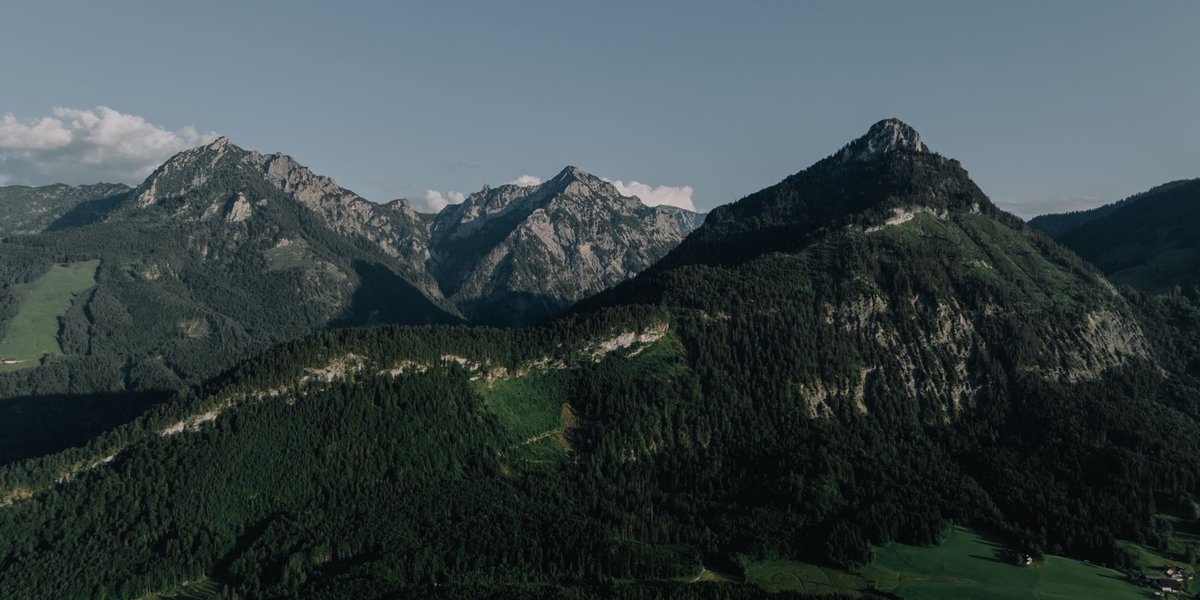
Austria is a small country sitting on some genuinely outsized mineral deposits. It mines almost no metals you’d recognize from a periodic table poster — no gold rush, no copper boom — yet it ranks among the world’s top producers of magnesite and quietly supplies a chunk of Europe’s tungsten from a single Alpine valley. The story of minerals in Austria is mostly a story about industrial rocks and one very old salt mine.
Here’s what comes out of the ground, how much, and where.
Table of Contents
- The short version
- Austria’s key minerals at a glance
- Magnesite: the one Austria leads on
- Tungsten from Felbertal
- Salt and the 7,000-year head start
- Talc, gypsum, and the industrial workhorses
- A regional map of who mines what
- Why Austria mines rocks, not metals
- The takeaway
The short version
Austria’s mineral wealth is industrial minerals, not precious or base metals. The headline acts:
- Magnesite — one of the world’s largest producers, mined mostly in Styria and Carinthia, feeding the global refractory (heat-resistant brick) industry.
- Tungsten — the Felbertal mine in Salzburg is one of Europe’s only significant tungsten sources.
- Salt — still mined at Hallstatt, where extraction goes back roughly 7,000 years, making it one of the oldest continuously worked salt sites on Earth.
- Talc, gypsum, graphite, and limestone — the unglamorous bulk minerals that quietly run construction, paper, and chemicals.
Austria stopped mining metallic ores like iron and lead at industrial scale decades ago. What’s left is a focused, high-value industrial-mineral sector.
Austria’s key minerals at a glance
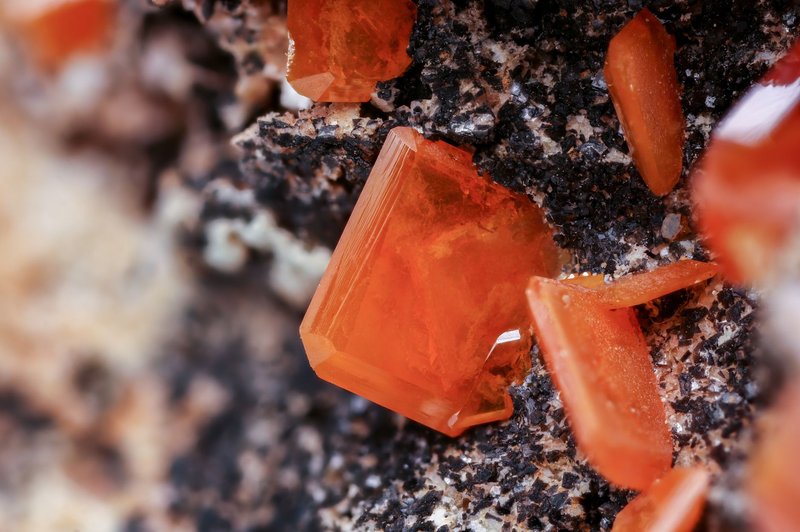
The country runs a tight portfolio. Each of these has a specific home region and, in several cases, a global ranking that’s bigger than you’d expect from a nation of nine million people.
| Mineral | Main region(s) | Primary use | Notable distinction |
|---|---|---|---|
| Magnesite | Styria, Carinthia | Refractory bricks, fertilizer | Among the top global producers |
| Tungsten (scheelite) | Salzburg (Felbertal) | Hard metals, cutting tools | One of Europe’s few major deposits |
| Salt (halite) | Salzkammergut (Hallstatt, Altaussee, Bad Ischl) | Food, chemicals, de-icing | ~7,000 years of continuous mining |
| Talc | Styria, Tyrol | Paper, plastics, ceramics | Significant European supplier |
| Graphite | Lower Austria | Refractories, lubricants, batteries | Long-running deposits at Kaisersberg and elsewhere |
| Gypsum / anhydrite | Tyrol, Salzburg | Plasterboard, cement | Widespread Alpine deposits |
| Limestone / dolomite | Nationwide | Cement, aggregate, steel flux | The volume backbone of the sector |
The pattern is hard to miss. Austria’s geology gave it metamorphic and sedimentary deposits — the rocks that form under heat and pressure or settle out of ancient seas — rather than the ore veins that built mining economies elsewhere. If you want to see where these fit among the country’s broader endowment, the full list of Austria’s natural resources puts the minerals alongside the forests, water, and energy that round out the picture.
Magnesite: the one Austria leads on
If Austria has a signature mineral, it’s magnesite. This is magnesium carbonate, and when you bake it at high temperature it becomes a material that shrugs off heat. That makes it the raw ingredient for refractory bricks — the lining inside steel furnaces, cement kilns, and glass tanks. Every blast furnace on the planet needs material like this, and a meaningful share traces back to Austrian rock.
The deposits run through the Greywacke Zone, a band of older rock that arcs across Styria and into Carinthia. Veitsch, in Styria, gives its name to a whole category: veitscite-type sparry magnesite, coarse-crystalline and prized for refractory quality. Mining here goes back to the 1880s, and Austrian companies built the global refractory industry around it — the country is home to one of the world’s largest refractory manufacturers, RHI Magnesita, with roots in exactly this geology.
What makes magnesite the right anchor for Austria is that it’s high-value and low-glamour at once. Nobody’s putting it in a museum case. But the modern steel industry doesn’t run without it.
Tungsten from Felbertal
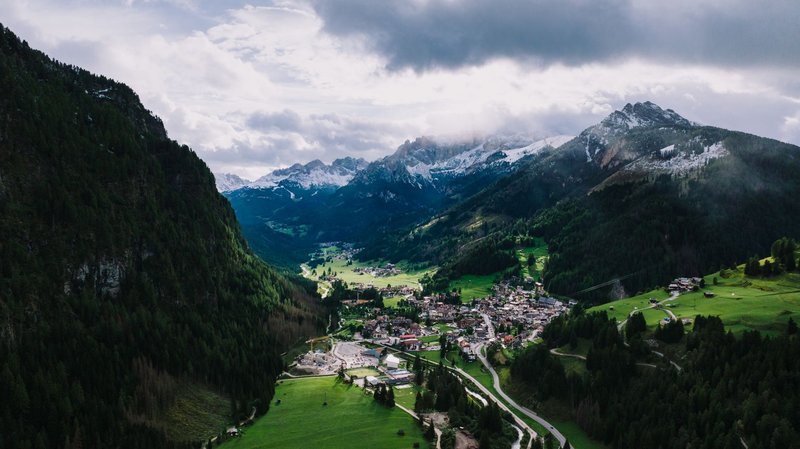
Tungsten is the metal with the highest melting point of any in pure form — around 3,400°C — which is why it ends up in drill bits, saw blades, and the tips of tools that have to cut other metals. Europe barely produces any. Austria is the exception, thanks to one deposit.
The Felbertal mine, in the Hohe Tauern range of Salzburg, was discovered in the 1960s and has been worked since the 1970s. It pulls out scheelite, the calcium tungstate ore that fluoresces a sharp blue-white under UV light — the classic field test geologists use to spot it. Felbertal is one of the largest tungsten deposits in the Western world and supplies a strategically important slice of European demand for a metal that mostly comes from China.
That strategic angle matters more now than it did twenty years ago. The EU lists tungsten as a critical raw material, and a working mine inside the bloc is a rare thing. Just how concentrated that supply is becomes clear when you look at the global ranking of tungsten-producing countries, where a single nation accounts for roughly four out of every five tons mined. Felbertal is sitting on exactly the kind of resource that supply-chain planners lose sleep over.
Salt and the 7,000-year head start
Salt is where Austria’s mineral story gets genuinely ancient. The Salzkammergut — the lake district east of Salzburg, whose name literally means “salt chamber estate” — has been producing salt since the Neolithic. At Hallstatt, archaeologists have dated mining activity back roughly 7,000 years, and the site is so important to European prehistory that an entire era, the Hallstatt period of the early Iron Age (around 800–450 BCE), is named after it.
The preservation conditions inside the mine are extraordinary. Salt mummifies organic material, so the Hallstatt galleries have yielded prehistoric wooden tools, leather, textiles, and even the body of a Bronze Age miner. The whole Hallstatt-Dachstein region is a UNESCO World Heritage site partly on the strength of this continuous mining heritage.
And it’s not a museum piece. Salt is still extracted in the region today, mostly by solution mining — pumping water down to dissolve the salt and bringing the brine back up — at sites like Altaussee and Bad Ischl. Seven thousand years on, the rock is still paying its way.
Talc, gypsum, and the industrial workhorses
The rest of the portfolio doesn’t make headlines, but it moves the most tonnage.
Talc — the softest mineral on the Mohs scale, the one your fingernail outranks — comes from Styria and Tyrol. Forget the powder association; most industrial talc goes into paper coating, plastics, and ceramics, where its flat, slippery crystal structure does useful work.
Gypsum and anhydrite are mined across the Alps in Tyrol and Salzburg, feeding plasterboard and cement plants. These are the sedimentary leftovers of evaporated ancient seas, which is also why they sit near the salt.
Graphite has a long history in Lower Austria, used in refractories and lubricants and now drawing fresh interest because of its role in battery anodes. Limestone and dolomite are quarried nationwide and represent the largest volume of anything Austria digs up — the cement, aggregate, and steel-flux backbone that rarely gets counted as a “mineral resource” but absolutely is one.
A regional map of who mines what
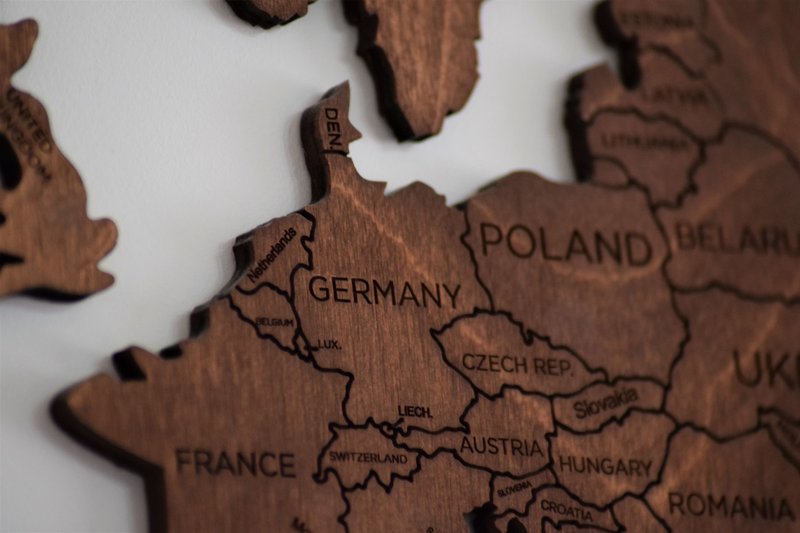
Austrian mining is geographically tidy. Each province has its specialty, set by the rock underneath it.
- Styria — the magnesite heartland (Veitsch, Breitenau) plus talc and the historic iron of the Erzberg, the “ore mountain” at Eisenerz that’s been worked for over a thousand years and is still an open-pit operation.
- Carinthia — more magnesite, and the legacy lead-zinc district around Bleiberg, now closed.
- Salzburg — Felbertal tungsten in the Hohe Tauern, plus gypsum.
- Tyrol — talc, magnesite, and gypsum across the western Alps.
- Salzkammergut (Upper Austria / Styria border) — the salt district: Hallstatt, Altaussee, Bad Ischl.
- Lower Austria — graphite and a range of construction minerals near the capital.
Draw a line through those and you’ve essentially traced the major geological zones of the Eastern Alps — the Greywacke Zone for magnesite and iron, the Tauern Window for tungsten, the Northern Calcareous Alps for salt and gypsum.
Why Austria mines rocks, not metals
Here’s the thing that confuses people. Austria has a deep mining history — Roman gold panning, medieval silver at Schwaz that helped finance the Habsburgs, centuries of iron from the Erzberg. So why is the modern sector all industrial minerals?
Two reasons. First, the easy, high-grade metal ores were largely worked out or became uncompetitive against cheaper global sources; lead-zinc at Bleiberg and most of the historic silver and copper closed in the 20th century — the kind of metal-bearing rock catalogued in any complete list of ores, which Austria simply no longer mines at scale. Second, the rocks Austria has in abundance — magnesite, salt, gypsum, limestone — happen to be exactly the bulk industrial minerals a developed economy consumes by the trainload.
So the country leaned into its strengths. It doesn’t compete for gold. It dominates a niche in refractory minerals and holds one of Europe’s few strategic tungsten cards. For a deeper run at the geology, Austria’s GeoSphere Austria federal agency maps the deposits in detail.
The takeaway
The minerals in Austria worth knowing are the ones that punch above the country’s size: world-class magnesite feeding the global steel furnaces, scheelite tungsten from Felbertal that Europe can’t easily replace, and a salt mine at Hallstatt old enough to have named an entire archaeological era. Talc, gypsum, graphite, and limestone fill out a portfolio built on metamorphic and sedimentary rock rather than precious-metal veins.
It’s not a flashy mining country. It’s a precise one. Austria figured out which rocks it had a real edge in and built an industry around exactly those — which, for a nation better known for mountains and music, is a pretty sharp piece of geology.