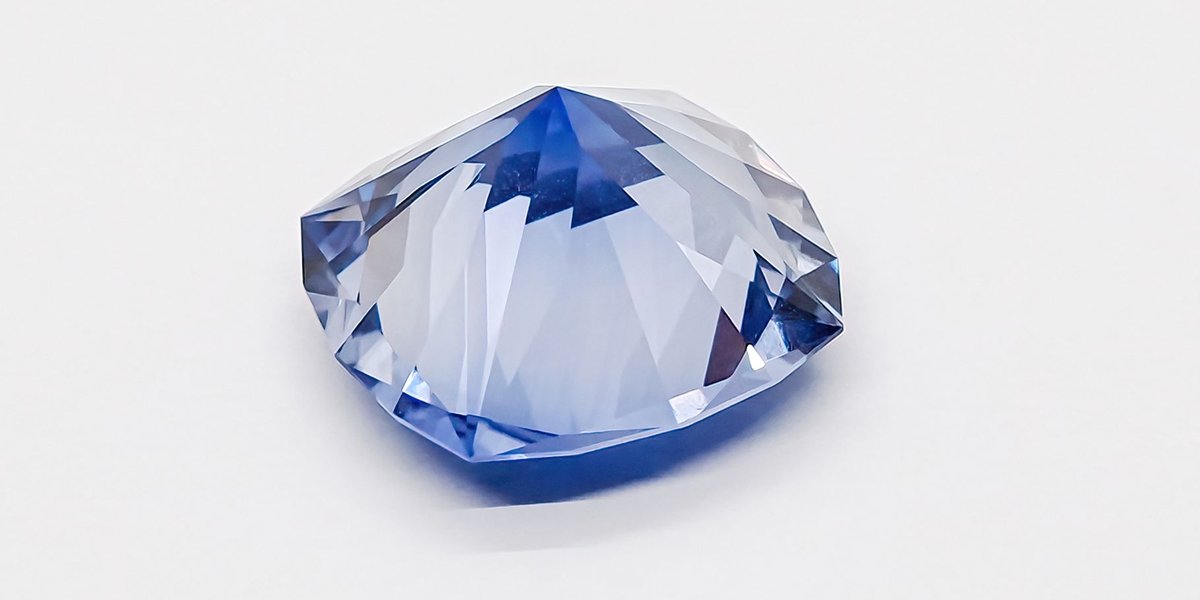
A sapphire’s origin is doing more work on its price tag than its size. Two stones can sit side by side — same carat weight, same blue, same clarity — and one sells for three times the other because a lab report says “Kashmir” instead of “Madagascar.” That’s not jewelry-store theater. Origin tells you something real about a stone’s color profile, its rarity, and increasingly, whether anyone can still mine more of it.
Here’s the catch: most guides on sapphire-producing countries are written by people trying to sell you a sapphire. They emphasize the origins they have in stock and gloss over the rest. This one ranks the actual sources by production and quality, tells you which mines are tapped out, and flags the new African deposits flooding the market right now.
Table of Contents
- The Quick Comparison
- Which Country Produces the Most Sapphires?
- Sri Lanka (Ceylon)
- Madagascar
- Myanmar (Burma)
- Kashmir
- Australia
- Montana, USA
- Tanzania
- Thailand
- Emerging Sources: Mozambique, Nigeria, Cambodia
- Why Origin Drives Value (And Why Labs Disagree)
The Quick Comparison
If you only want the bottom line, start here. This is the sapphire world at a glance — signature look, where it lands on price, and whether you can still buy freshly mined material.
| Country | Signature trait | Price tier | Mine status |
|---|---|---|---|
| Kashmir | Velvety “cornflower” blue | Top — record-breaking | Effectively exhausted |
| Myanmar (Burma) | Deep “royal blue” | Very high | Active, trade-restricted |
| Sri Lanka (Ceylon) | Bright, lively blue; padparadscha | High | Active, abundant |
| Madagascar | Wide color range, Ceylon-like blues | Mid to high | Active, dominant supplier |
| Montana, USA | Steely teal-blue, traceable | Mid | Active, small-scale |
| Tanzania | Color-change, fancy colors | Mid | Active |
| Australia | Dark, inky blue and parti | Low to mid | Active, declining |
| Thailand | Dark blue (and the cutting capital) | Low to mid | Mostly depleted |
| Mozambique/Nigeria | Varied, commercial blues | Low to mid | New, growing fast |
A note before the deep dive: “Ceylon” and “Kashmir” on a tag aren’t always honest. They get used as quality grades rather than geographic facts. A reputable lab report is the only thing that settles origin, and even labs disagree — more on that at the end.
Which Country Produces the Most Sapphires?
By raw volume, Madagascar is the answer most people don’t expect. Since the Ilakaka deposit was discovered in the late 1990s, the island has become the single largest source of sapphire rough on Earth, supplying a large share of the world’s commercial and fine blue sapphires. Walk through Bangkok’s gem district and a huge fraction of the “Ceylon” sapphires changing hands were pulled out of Malagasy soil and recut and traded through Sri Lanka.
That’s the gap between production and reputation. Sri Lanka has the centuries-old name and still mines heavily, but Madagascar quietly out-produces it. Australia was a volume heavyweight for decades — it once supplied a large portion of the world’s sapphires, much of it dark commercial-grade stone destined for mass-market jewelry — though its output has slid.
So there are two rankings, and they don’t match:
- By volume: Madagascar, then Sri Lanka, with Australia, Tanzania, and Nigeria/Mozambique filling out the field.
- By value and prestige: Kashmir, then Burma, then top Ceylon — origins where the finest stones come from, not the most stones.
Keep both in your head. The country that produces the most sapphires is not the country whose name commands the highest auction prices.
Sri Lanka (Ceylon)
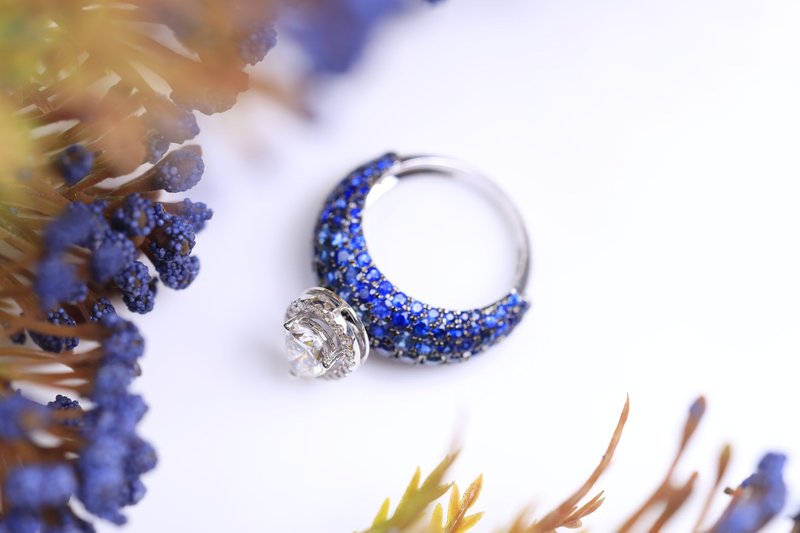
If sapphires have a homeland, it’s the island the trade still calls Ceylon. Sri Lanka has been producing gem-quality corundum for over two thousand years, and the name carries enough weight that “Ceylon sapphire” functions as a quality benchmark on its own.
The signature Ceylon look is a bright, lively cornflower-to-medium blue — lighter and more luminous than Burmese stone, with excellent transparency that makes the color seem lit from inside. Sri Lanka is also the world’s premier source of padparadscha, the pinkish-orange sapphire named after a lotus blossom, which can out-price fine blue stones gram for gram.
Most of it comes from alluvial gravels around Ratnapura — the name literally means “city of gems” — where miners still work pits by hand and pan the gem-bearing gravel called illam. The deposits are far from exhausted, which is part of why Ceylon sapphires remain both prestigious and actually obtainable. You can buy a genuinely beautiful one without chasing an auction lot.
Madagascar
The new giant. Sapphires were found at Ilakaka in southern Madagascar in 1998, and a sleepy village turned into a chaotic boomtown almost overnight. Today the island is the dominant supplier of sapphire rough worldwide.
What makes Madagascar interesting is range. The deposits produce nearly the full sapphire spectrum — blues that rival fine Ceylon material, plus pinks, yellows, and padparadscha-type stones. The best Malagasy blues are good enough that, once cut and certified, they’re frequently indistinguishable from Sri Lankan goods to the naked eye. Which is exactly why so many of them get sold as “Ceylon.”
The honest framing: Madagascar offers the best value-to-quality ratio in the sapphire market right now. The trade-off is ethical visibility. Much of the mining is artisanal and informal, traceability is thin, and the supply chain runs through several hands before a stone reaches a showroom. If sourcing transparency matters to you, ask hard questions about any “Madagascar” stone — and be skeptical of any “Ceylon” stone that can’t produce a lab origin report.
Myanmar (Burma)
Burmese sapphires are the deep end of the blue spectrum. Where Ceylon is bright, Burma is royal blue — a rich, saturated, slightly violet blue that holds its color even in dim light, with a velvety quality from fine internal inclusions. The mines around Mogok, the same region famous for “pigeon’s blood” rubies, have produced sapphires for centuries.
Top Burmese blue sits just below Kashmir in the prestige hierarchy, and the finest stones command extraordinary prices. There’s a complication, though, and it’s not geological. U.S. sanctions have at various points restricted the import of Burmese gemstones over the country’s human-rights record, and the ethical questions around Myanmar mining are serious and ongoing. The U.S. State Department has documented forced labor and conflict financing tied to the country’s resource sectors. A Burmese sapphire is beautiful and contested in equal measure — buy with that fully in view.
Kashmir
The unicorn. Kashmir sapphires set the standard everything else is measured against, and there’s a reason they sound mythical: the deposit, high in the Himalayas near Padar in the Zanskar range, was discovered around 1881 after a landslide exposed the gems, and the richest material was essentially mined out within a decade or two.
The color is the legend — a soft, intense “cornflower” blue with a hazy, velvety glow that softens the stone without dulling it, an effect caused by microscopic inclusions scattering light. Practically no new Kashmir sapphires enter the market; what trades today comes from old jewelry and estate collections. That scarcity drives prices into the stratosphere. Top Kashmir stones have sold at auction for over $200,000 per carat, and a certified Kashmir origin can multiply a stone’s value several times over a visually identical Ceylon equivalent.
For nearly everyone reading this, Kashmir is a museum-and-auction phenomenon, not a buying option. Worth knowing exactly because of how heavily its name shapes the rest of the market.
Australia
Australia is the sapphire world’s unglamorous workhorse. The basalt-hosted deposits in Queensland (around Anakie) and New South Wales (around Inverell) once supplied a large share of global rough, and for a long stretch Australian stone quietly fed the world’s commercial jewelry supply.
The catch is color. Classic Australian sapphires run dark — an inky, sometimes greenish-blue that can read almost black in low light, which kept them at the budget end. Australia is also a leading source of parti sapphires, stones that show two or three colors in a single gem (typically blue, green, and yellow zones). Those were dismissed for decades and have recently found a real audience among buyers who want something unconventional and traceable. Production has declined from its peak, but Australia remains a dependable source of affordable, ethically straightforward sapphires.
Montana, USA
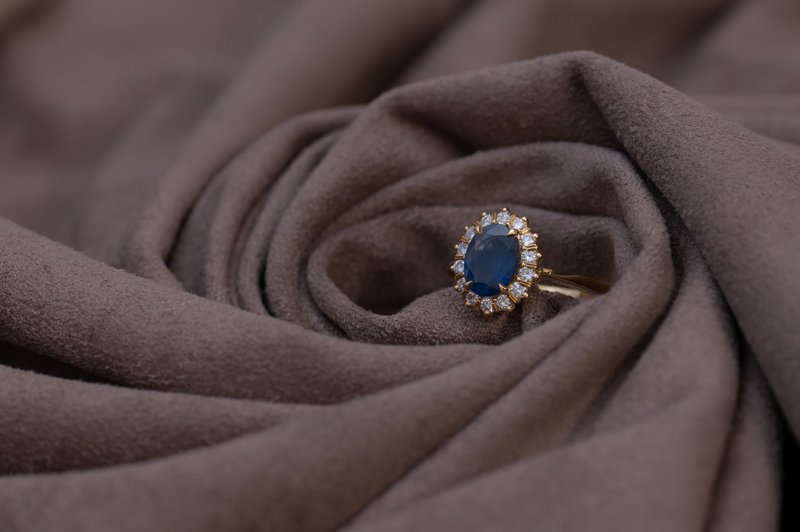
America’s sapphire is the connoisseur’s value pick. Montana produces sapphires from several deposits — Rock Creek, the Missouri River bars near Helena, and the historic Yogo Gulch.
The two stories are different. General Montana sapphires come in steely teal-blues, greens, and soft fancy shades, often with a slightly metallic, modern look that’s become genuinely fashionable for engagement rings. Yogo sapphires are the rarity: a uniform, even cornflower blue, free of the silk and color zoning that plague other origins, and they hold their color in any light. Yogo material is mined in tiny quantities, which keeps it scarce and pricey.
Montana’s real edge is trust. U.S. mining means full traceability and regulated labor — a USGS overview of domestic gemstone production documents Montana as the country’s primary commercial sapphire source. For a buyer who wants to know exactly where their stone came from, it’s hard to beat.
Tanzania
Tanzania punches above its weight in interesting. The country is best known to gem buyers for tanzanite, but its sapphire output is real and distinctive — especially the color-change material from the Umba Valley in the northeast.
Umba sapphires can shift from a blue or green-ish tone in daylight to a purplish or reddish hue under incandescent light, the same trick that makes alexandrite famous. Tanzania also yields a broad palette of fancy sapphires: pinks, oranges, yellows, and the warm earthy tones the Umba is known for. The blue can lean toward the commercial grade, but for someone hunting an unusual color rather than a textbook royal blue, Tanzania is one of the most rewarding origins to explore.
Thailand
Thailand’s importance to sapphires is bigger than its mines. The historic deposits in Chanthaburi and Kanchanaburi produced dark blue and blackish stones, but they’re largely depleted now, with only modest mining continuing.
What Thailand still owns is the trade. Bangkok and Chanthaburi are the beating heart of the global colored-stone business — much of the world’s sapphire rough flows here to be cut, heat-treated, and traded, regardless of where it came out of the ground. The Thai mastery of heat treatment, the standard process for improving sapphire color and clarity, is a major reason the modern market has so much affordable, attractive blue stone. So while Thailand barely registers as a producer today, it’s arguably the most important country in the supply chain.
Emerging Sources
The map is still being redrawn, and Africa is where the lines are moving.
- Mozambique has become a serious player, producing both rubies and sapphires from deposits that yield commercial-to-fine blue material in growing volume. It’s increasingly a quiet substitute for higher-priced origins.
- Nigeria supplies a steady stream of blue and fancy sapphires, much of it heading to Thailand for cutting and feeding the mid-market.
- Cambodia’s Pailin region, near the Thai border, has a long history with prized deep-blue stones, though, like Thailand’s mines, the best deposits are heavily worked and output is now limited.
The takeaway: a lot of the “Ceylon-quality” blue sapphire in mid-priced jewelry today was never near Sri Lanka. It came from an African deposit that didn’t exist on the gem map twenty years ago. That’s not a knock — it’s why good sapphires are more affordable now than they’ve ever been.
Why Origin Drives Value (And Why Labs Disagree)
So why does a piece of paper saying “Kashmir” triple a stone’s price?
Part of it is genuine quality correlation. Certain deposits reliably produce certain looks — the velvet of Kashmir, the saturation of Burma, the brightness of Ceylon — because of the specific trace elements and inclusion patterns in that geology. Part of it is pure scarcity: when a mine is exhausted, every stone from it becomes a finite collectible. And part of it is market psychology, the simple fact that the trade has agreed certain names are worth more.
Here’s what the seller pages won’t tell you: origin determination is an opinion, not a measurement. Labs identify origin by reading microscopic inclusions, trace-element chemistry, and growth features, then matching them against reference collections. But geology doesn’t respect borders. A Madagascar stone and a Sri Lankan stone can form under near-identical conditions and look chemically similar, which means top gem labs sometimes return different origin calls on the very same stone.
That has real consequences. A stone certified “Ceylon” by one lab and “Madagascar” by another is, physically, one stone — but the two reports can carry a meaningful price difference. The practical advice that follows is simple: for any sapphire where origin is driving the price, insist on a report from a respected independent lab (GIA, SSEF, Gübelin, AGL), and understand you’re buying a well-supported expert opinion, not a fingerprint. The GIA’s published research on geographic origin is candid about exactly these limits.
Buy the stone, not the story. A sapphire that’s gorgeous in your hand is gorgeous regardless of which country gets printed on the certificate — and knowing how the origin game actually works is the difference between paying for a gem and paying for a name.