A diurnal animal is active during the day and rests or sleeps at night. Squirrels, eagles, honeybees, bearded dragons and cows all qualify, and this post covers 18 examples grouped by type, with the specific reason each one runs on a daytime schedule.
Most lists stop at the names. The more useful question is why: eyesight, body temperature and food supply decide who works the day shift. The borderline cases (deer, rabbits, cats) get their own section, because they are the animals most lists get wrong.
Table of Contents
- TLDR
- Diurnal Mammals
- Diurnal Birds
- Diurnal Reptiles
- Diurnal Insects
- Diurnal Fish
- Diurnal Farm and Pet Animals
- Borderline Examples of Diurnal Animals
- Diurnal vs. Nocturnal vs. Crepuscular
- Why Animals Are Diurnal
- FAQ
TLDR
- Mammals: squirrel, meerkat, chimpanzee, giraffe, cheetah
- Birds: bald eagle, hummingbird, kingfisher
- Reptiles: bearded dragon, green iguana, giant tortoise
- Insects: honeybee, butterfly, dragonfly
- Fish: parrotfish
- Farm and pet animals: chicken, cow, budgie
- Not clearly diurnal: deer, rabbits and domestic cats are crepuscular (most active at dawn and dusk), and dogs adjust to their owner’s schedule.
Diurnal Mammals
Most mammals evolved as nocturnal animals, hiding from dinosaurs and then from other predators. The ones below are the exceptions that moved into daylight, mostly primates and open-habitat grazers and hunters with good eyesight.
1. Squirrel
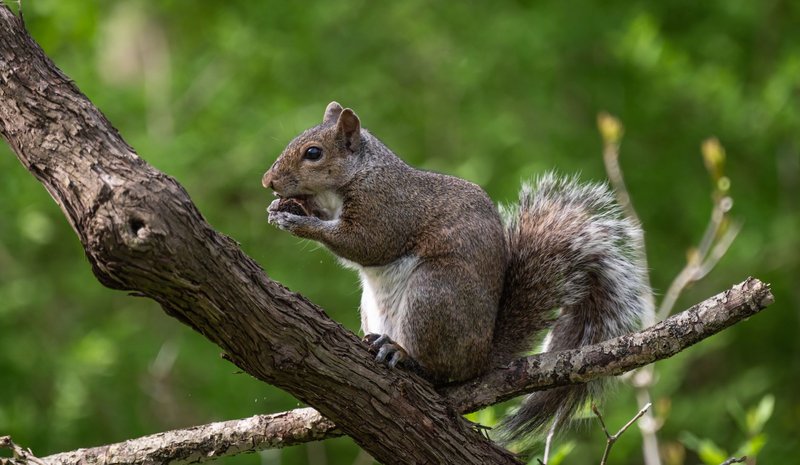
Tree and ground squirrels forage from morning into late afternoon and spend the night in a nest or burrow. They bury and dig up food by sight and memory, and they depend on seeing hawks coming. Neither job works well in the dark.
2. Meerkat
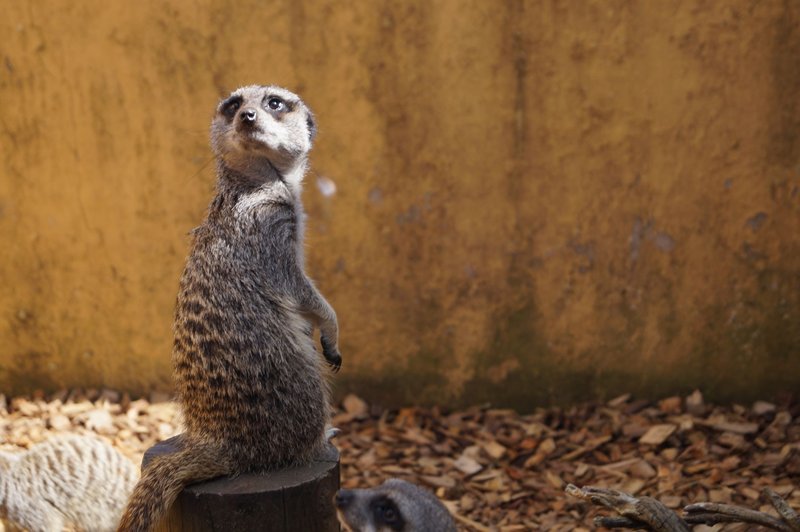
Meerkats leave their burrows after sunrise and stand upright in the sun, belly out, to warm up. The skin on their bellies is dark and thinly furred, which helps absorb heat. They have little body fat, so they need that sun. The National Geographic profile of the meerkat describes the daily routine: foraging by day, back underground by dark.
3. Chimpanzee
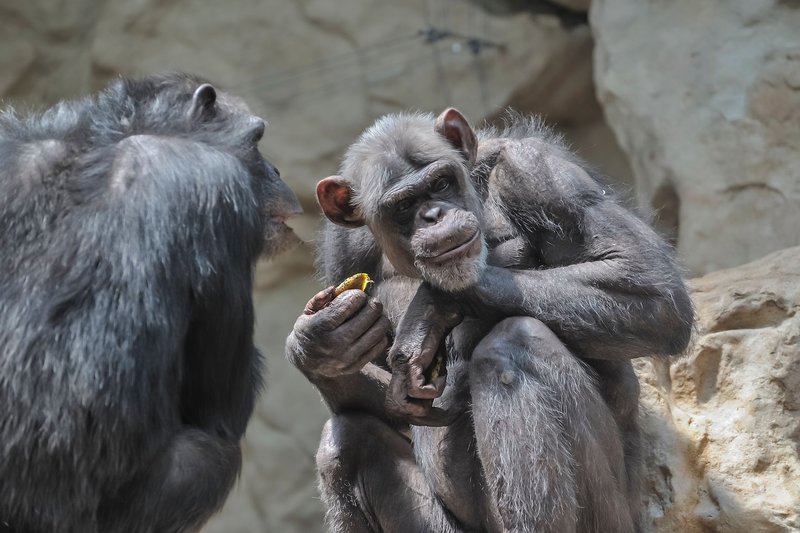
Chimpanzees travel and feed during daylight, then build a fresh sleeping nest in a tree each evening. Like other primates, they have color vision tuned for judging fruit ripeness, which is a daytime task.
4. Giraffe
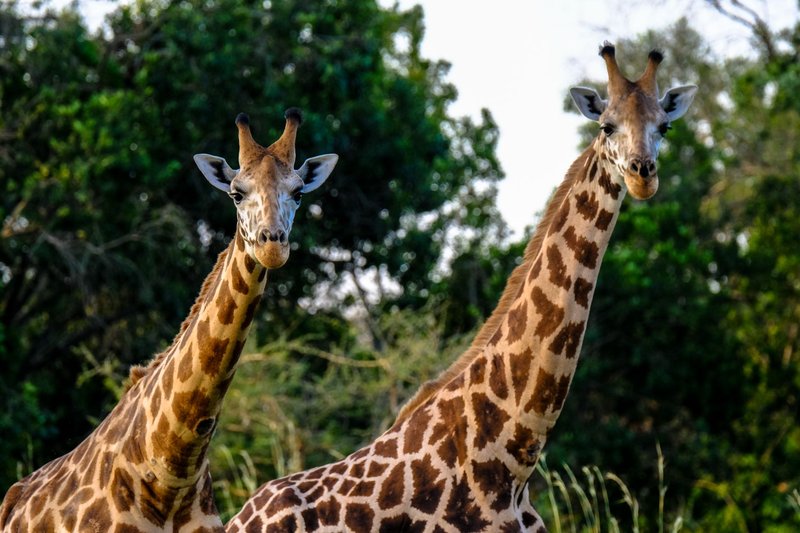
Giraffes browse acacia leaves mostly during the day, using their height and sharp eyesight to spot lions from a distance. They sleep in short bursts, so they are not fully inactive at night, but the main feeding and travel happen in daylight.
5. Cheetah
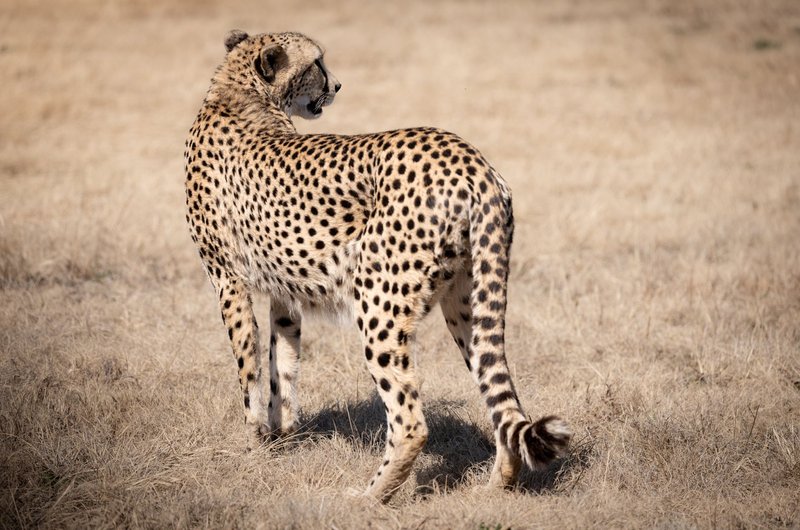
Cheetahs hunt by sight and need a clear daytime chase. Their schedule also keeps them out of the way of lions and hyenas, which do more of their hunting at night. The National Geographic cheetah entry covers how the sprint-and-rest hunting style works.
Diurnal Birds
Birds are the most visually dominated animals on the list. Most species have excellent color vision, and the majority of songbirds, raptors and waterbirds do their feeding in the light.
6. Bald Eagle
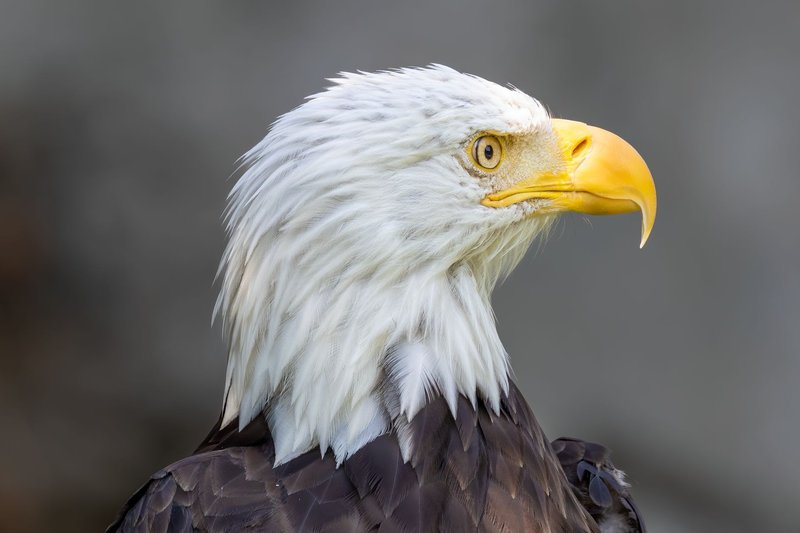
Eagles hunt fish and small animals from high perches or in flight, and they need light to spot prey from far away. Large raptors also use rising warm air to soar, and those thermals only form once the sun has heated the ground. See the bald eagle facts from National Geographic for the species profile.
7. Hummingbird
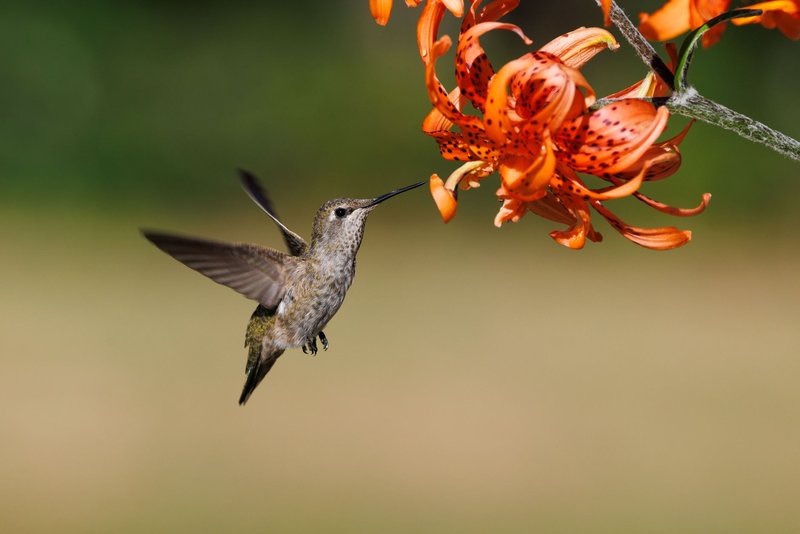
Hummingbirds feed on nectar from flowers, and flowers are visible and open in daylight. Their metabolism is so fast that they can’t wait out the night at full speed. Many species enter torpor after dark, dropping their heart rate from over a thousand beats per minute to a small fraction of that.
8. Kingfisher
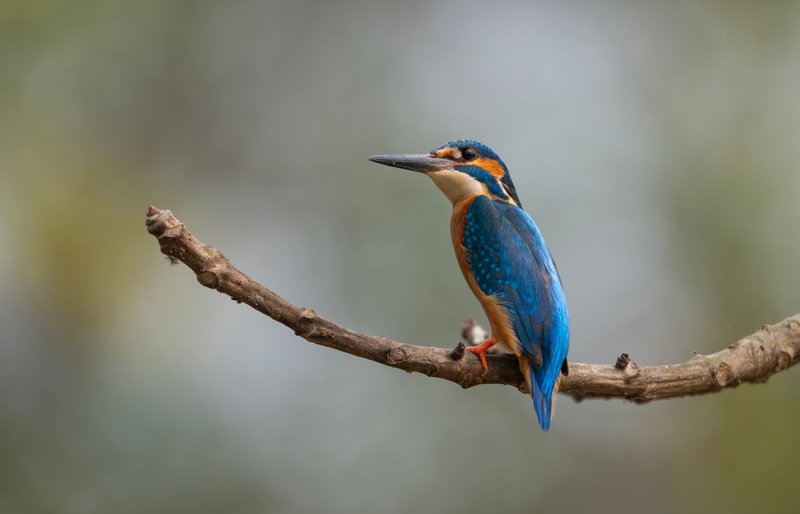
Kingfishers sit over water and dive for fish they have spotted from above. That requires judging the light bending at the water’s surface, which only works with enough light. They roost at night and fish from morning on.
Diurnal Reptiles
Reptiles are ectotherms, so they get their body heat from the environment. For most species, the day is simply when the energy is available.
9. Bearded Dragon
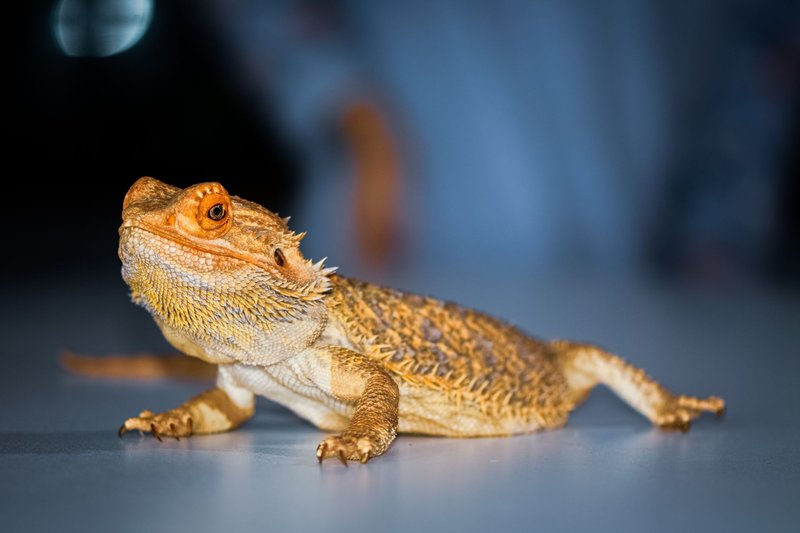
Bearded dragons come from Australia and spend their mornings basking on rocks and fallen branches before they hunt. They also need UVB light to make vitamin D3, which is why pet owners run UVB lamps on a day-night cycle in their enclosures.
10. Green Iguana
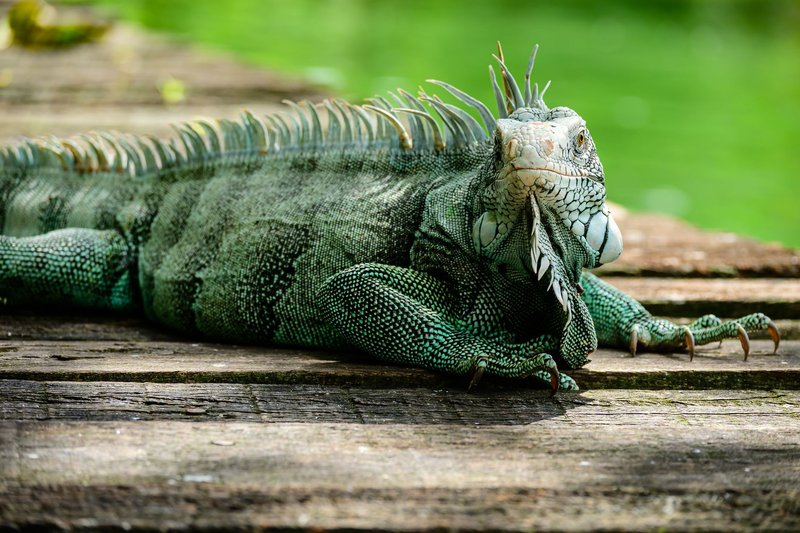
Green iguanas climb into sunlit tree branches to warm up, then feed on leaves, flowers and fruit through the day. When temperatures drop at night they become sluggish and mostly motionless.
11. Giant Tortoise
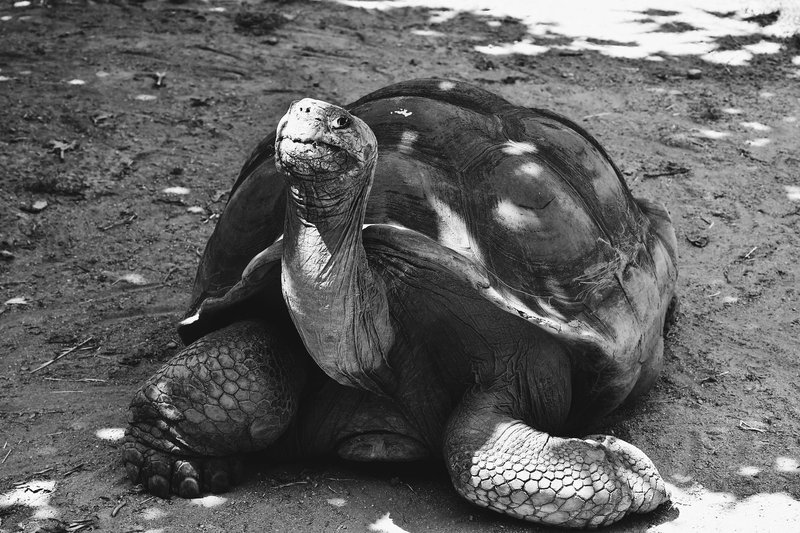
Giant tortoises such as the Galápagos species warm up in the morning sun before they graze. A large, slow animal that can’t flee from anything gets a lot from that predictable cycle: bask, eat, retreat to shade at midday, rest.
Diurnal Insects
Insects are cold-blooded and often need to warm their flight muscles before they can move. Add the fact that most of their food is tied to sunlight, and daytime activity follows.
12. Honeybee
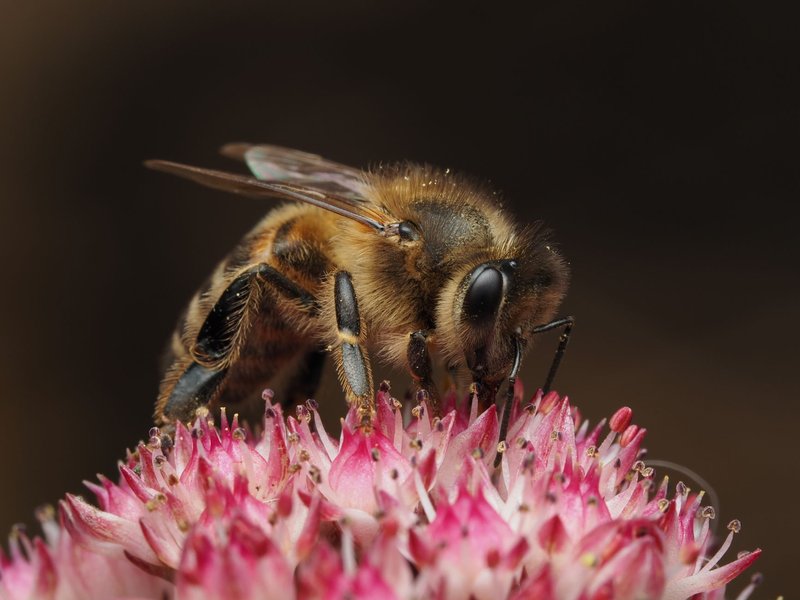
Honeybees forage while flowers are open and produce nectar, and they use the sun as a compass. A returning forager performs a waggle dance whose angle, measured against vertical, tells the hive the direction of food relative to the sun’s position. At night the colony stays in the hive.
13. Butterfly
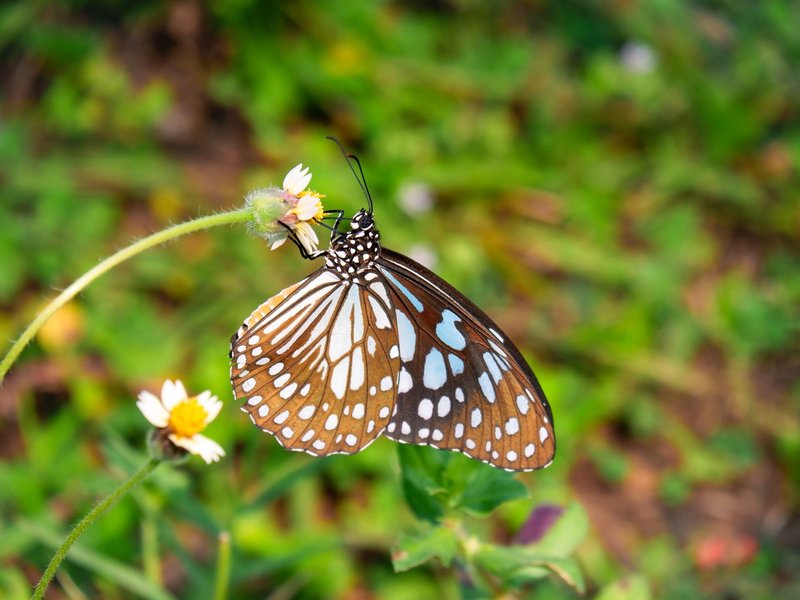
Butterflies bask with their wings open to warm up before takeoff, and they see ultraviolet patterns on flowers that guide them to nectar. This is the main practical difference from moths, most of which are nocturnal.
14. Dragonfly
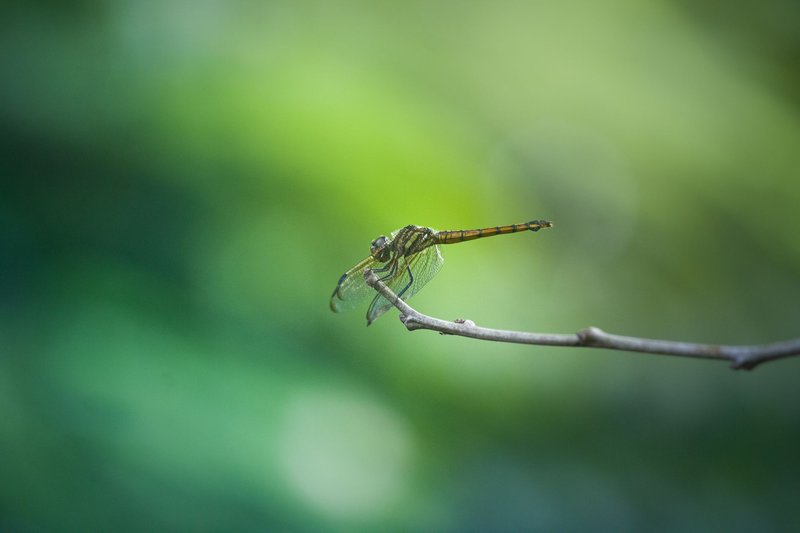
Dragonflies are sight hunters with huge compound eyes, catching other insects in mid-air. Most species fly in the warm part of the day, and their flight muscles work best when warm. A few, such as darners, stretch into dusk.
Diurnal Fish
Most fish don’t follow a strict schedule, and many are active at all hours. Coral reef fish are the clearest daytime group, because a reef is a visual place.
15. Parrotfish
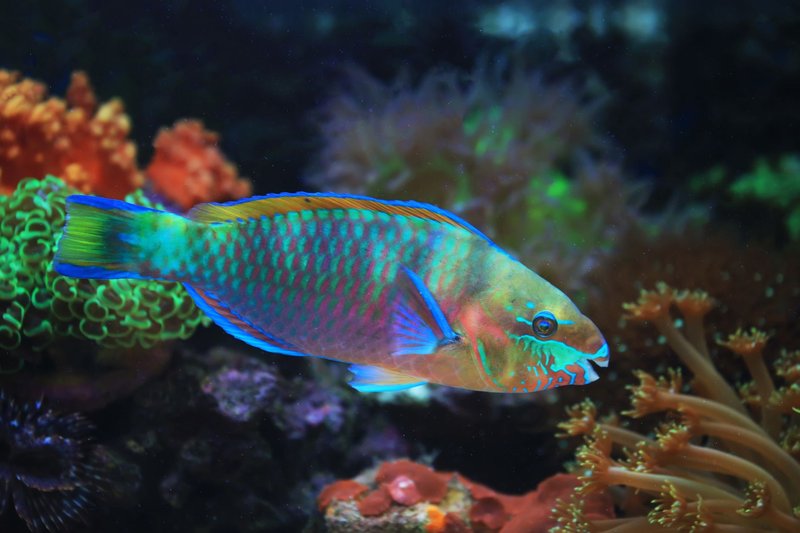
Parrotfish spend the day grazing algae off coral with beak-like teeth. At night many species rest in crevices, and some wrap themselves in a mucus cocoon, which is thought to mask their scent from predators. It is one of the stranger bedtime routines in the animal kingdom.
Diurnal Farm and Pet Animals
These are the examples teachers and kids tend to reach for first, since they’re the animals people actually see every day.
16. Chicken
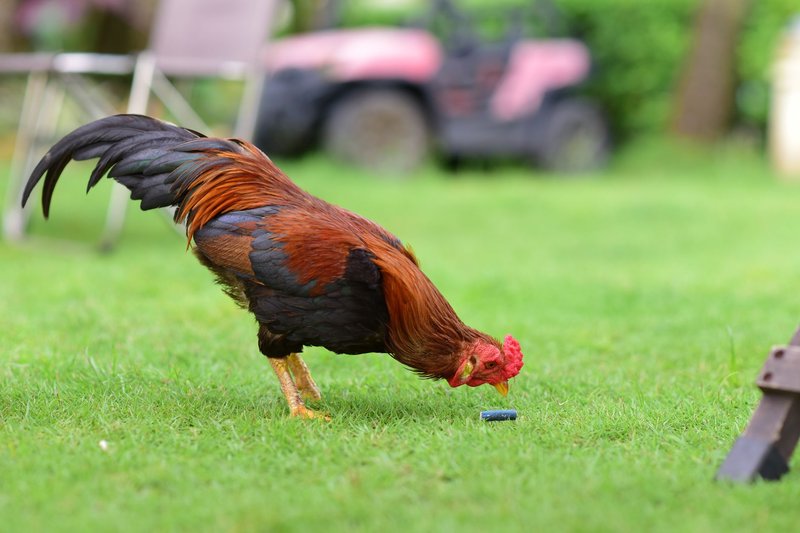
Chickens have poor vision in low light. They go to roost as the light fades and stay mostly still until dawn, which is why a coop door closed at dusk keeps a flock calm. In the daytime they forage, dust-bathe and socialize.
17. Cow
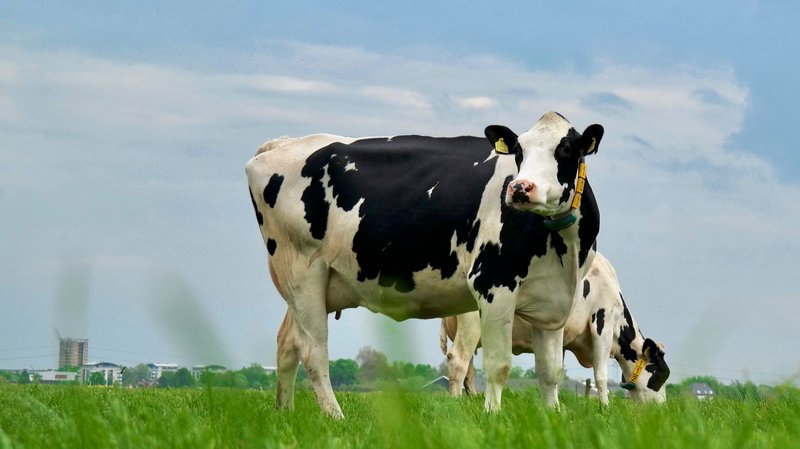
Cattle graze for roughly eight hours a day, mostly in daylight, with peaks in the morning and late afternoon. They lie down to ruminate and rest at night, though they are not completely inactive.
18. Budgie
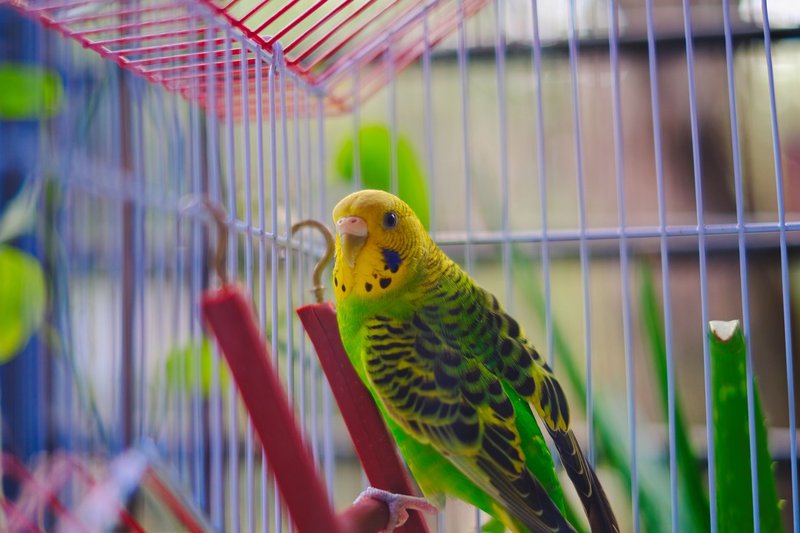
Wild budgerigars are Australian parrots that feed on grass seeds in flocks during the day and roost at night. Pet budgies keep the same rhythm, which is why a cage left in a bright, noisy room at 10 p.m. makes for a tired bird.
Borderline Examples of Diurnal Animals
These animals show up on diurnal lists but don’t strictly belong there. They don’t count toward the 18 above.
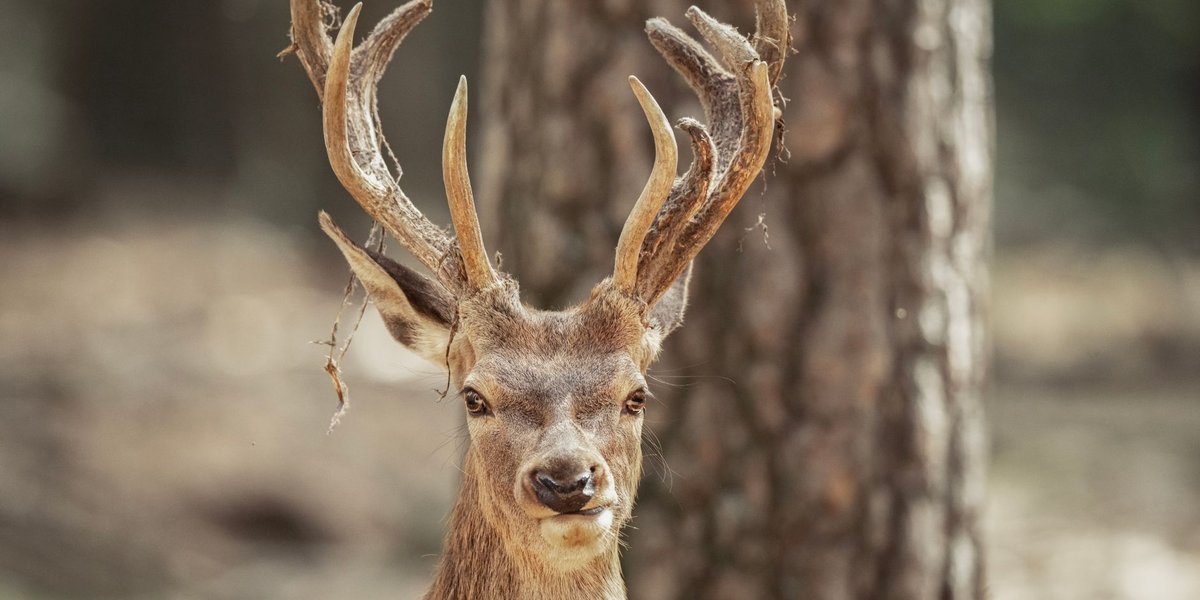
Deer are crepuscular. Some sources call deer diurnal, others crepuscular. Most deer are at their most active around dawn and dusk, and they move more in daylight in places where they aren’t hunted or disturbed, so the label shifts with the habitat. Crepuscular is the better default.
Rabbits are crepuscular. Wild rabbits come out at dawn and dusk to feed, then stay hidden in between. Dim light gives them cover from both hawks and foxes.
Domestic cats are flexible. Cats are crepuscular hunters by instinct, but pet cats adjust their sleep to the household and are often active in the daytime when someone is home.
Dogs adapt. Wolves, their ancestors, are most active around dawn and dusk. Dogs have shifted to a daytime schedule to match people.
Elephants don’t pick a side. They feed and move at all hours, with the pattern depending on heat and disturbance.
Diurnal vs. Nocturnal vs. Crepuscular
The three terms describe when an animal is most active, not when it is exclusively active.
| Diurnal | Nocturnal | Crepuscular | |
|---|---|---|---|
| Active | Daytime | Nighttime | Dawn and dusk |
| Typical senses | Color vision, sharp eyesight | Night vision, hearing, smell | Good low-light vision |
| Example animals | Squirrels, eagles, bees | Owls, bats, hedgehogs | Deer, rabbits, many cats |
| Main advantage | Light for hunting and foraging, warmth | Avoiding heat and daytime predators | Cooler temperatures, cover from predators |
Crepuscular animals are the ones that cause arguments. Deer and rabbits look like day animals because people spot them in the morning and evening, which is exactly why they get misfiled.
Why Animals Are Diurnal
Three factors explain most of the pattern.
Vision. An animal that finds food or spots predators by sight needs light. Birds, primates and dragonflies depend heavily on eyesight, so they’re active in daylight.
Body temperature. Reptiles and insects warm up from the sun, so daytime gives them the energy to move, digest and fly. Meerkats do a version of this too, since they are mammals that sunbathe in the morning.
Food supply. Flowers open, plants grow and fruit is visible in daylight, so nectar feeders, grazers and fruit eaters follow the sun.
Underneath all of it is the body’s internal clock. The National Institute of General Medical Sciences explains that circadian rhythms are roughly 24-hour cycles set largely by light, and in diurnal animals that cycle is tuned to be alert when it’s bright.
FAQ
What does diurnal mean? Active during the day. The word comes from the Latin diurnus, meaning “of the day.”
What are some examples of diurnal animals? Squirrels, meerkats, eagles, hummingbirds, bearded dragons, honeybees, butterflies, chickens and cows are common examples.
Are humans diurnal? Yes. Humans are among the most clearly diurnal mammals, with color vision and a sleep cycle set by daylight.
Are deer diurnal or nocturnal? Neither, mostly. Deer are best described as crepuscular, with extra daytime or nighttime activity depending on the habitat and the amount of human disturbance.
Are dogs diurnal? Dogs are flexible. Their wolf ancestors were most active at dawn and dusk, but domestic dogs follow their owner’s daily routine.
What is the opposite of diurnal? Nocturnal, which means active at night. Animals active at dawn and dusk are crepuscular.