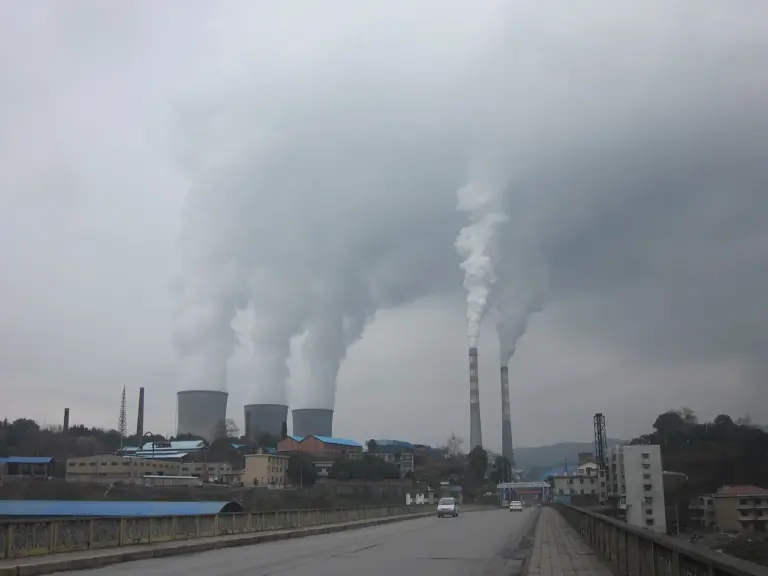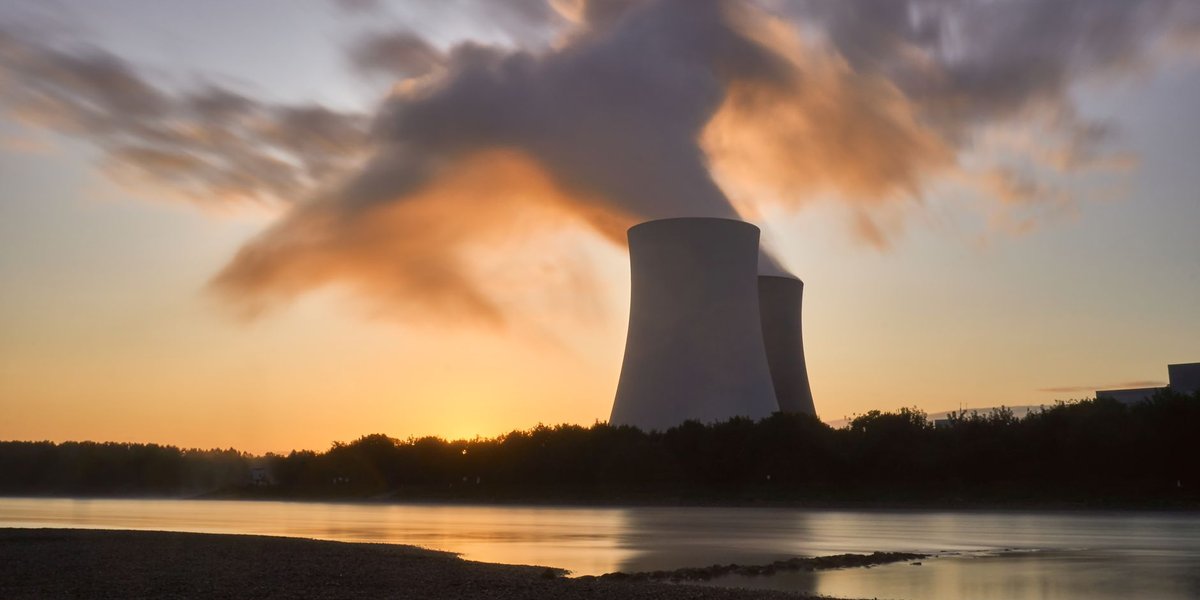
A non-renewable energy source is a fuel that forms over millions of years or sits in the ground as a fixed stock, so we use it far faster than nature can replace it. The main examples are coal, crude oil, natural gas and uranium. Tar sands, oil shale, peat and methane hydrates round out the list.
TLDR
- Fossil fuels: coal, crude oil, natural gas. All formed from ancient organic matter.
- Nuclear fuel: uranium. Not a fossil fuel, but still non-renewable because the ore is finite.
- Unconventional sources: tar sands, oil shale, peat, methane hydrates.
- Everyday examples: gasoline, diesel, jet fuel, propane, coal-fired power plants, gas stoves.
- Together, fossil fuels still supply roughly 80 percent of the world’s primary energy.
Contents
- The main examples at a glance
- Coal
- Crude oil
- Natural gas
- Uranium (nuclear fission)
- Tar sands, oil shale, peat and methane hydrates
- Comparison table
- Why nuclear energy is classed as non-renewable
- The shift to renewables
The main examples at a glance
The test is simple: can the supply replenish on a human timescale? Wind and sunlight come back every day. A coal seam doesn’t. Every example below fails that test for the same reason, which is why the list of non-renewable energy sources is short and stable.
Fossil fuels are the biggest group. Plankton, algae and plants died, got buried, and were cooked by heat and pressure for tens to hundreds of millions of years. We burn that stored carbon in a few generations. The Energy Institute’s Statistical Review of World Energy tracks the numbers each year, and fossil fuels remain the large majority of global supply.
Coal
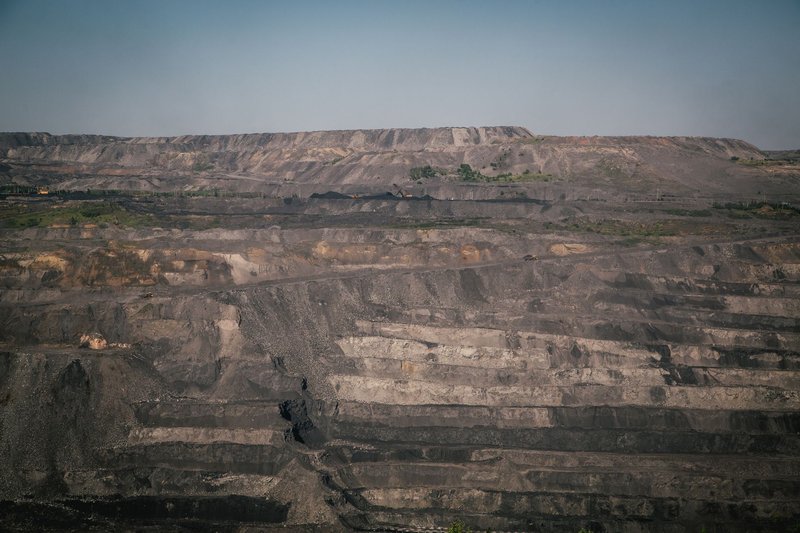
Coal is a black or brown rock made of compressed plant material. Most of the world’s coal began as swamp forests in the Carboniferous period, roughly 300 to 360 million years ago. Buried vegetation turned to peat, then lignite, then bituminous coal and finally anthracite as heat and pressure increased.
China, India, the United States and Indonesia are among the biggest producers, and China alone burns more than half of the world’s coal. Most of it goes into electricity generation, with steelmaking as the second big use: coking coal is what turns iron ore into iron.
Reserves are the longest-lasting of the fossil fuels, at well over a century of supply at current production rates. That is also the problem. Coal gives off the most CO2 for each unit of energy of any common fuel. The CO2 per kWh guide shows how to turn that gap into numbers for a given grid.
Crude oil
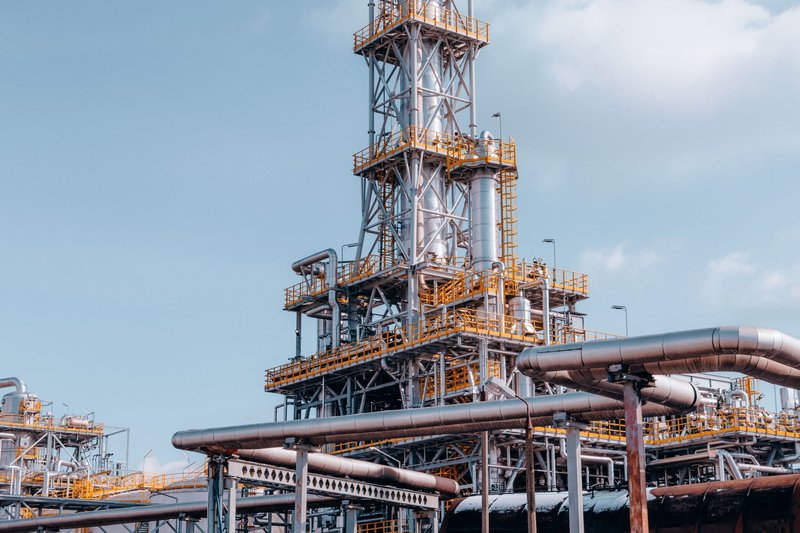
Crude oil comes from microscopic marine organisms that settled on ancient sea floors, were buried under sediment and slowly converted into liquid hydrocarbons. It collects in porous rock beneath a sealing layer, which is where drillers find it.
A refinery splits crude into products: gasoline, diesel, jet fuel, heating oil, asphalt and the feedstock for most plastics. That makes oil the clearest everyday example on this list. Whenever you fill a car, you’re burning one of the non-renewable energy sources.
The largest producers are the United States, Saudi Arabia and Russia. At current production, proved reserves cover roughly 50 years. That figure moves as new fields are found and prices change, so read it as a snapshot rather than a countdown.
Natural gas

Natural gas is mostly methane. It forms the same way oil does, from buried marine life, and often sits in the same reservoirs. Hotter, deeper burial produces gas rather than liquid oil.
Power stations, home heating, cooking and fertilizer production (ammonia is made from natural gas) account for most of the use. Propane and butane, the fuels in camping stoves and barbecue cylinders, are separated out of natural gas and refinery streams.
Gas is the cleanest fossil fuel at the smokestack. The U.S. Energy Information Administration lists about 117 pounds of CO2 per million Btu for natural gas, against roughly 205 to 215 for coal. Leaks matter, though, because methane is a potent greenhouse gas before it’s burned. Reserves are comparable to oil, at around 50 years at current output.
Uranium (nuclear fission)
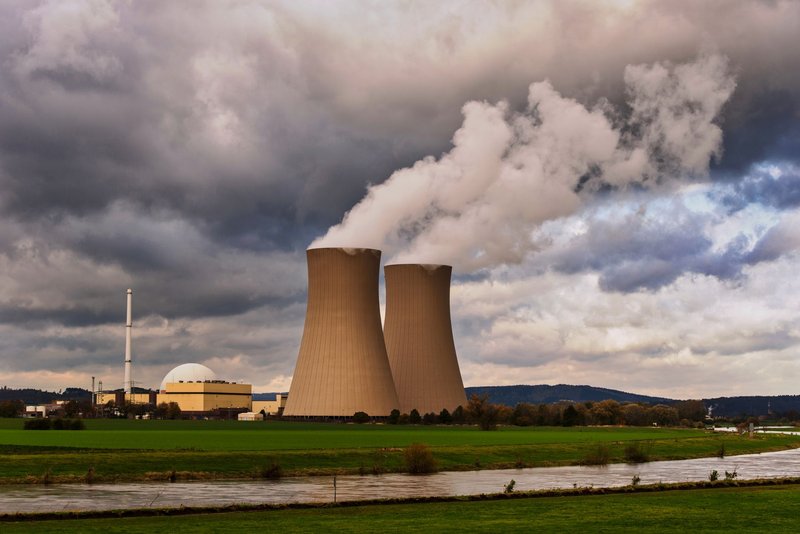
Uranium is the odd one out. It isn’t a fossil fuel and burning it releases no CO2. Reactors split atoms of uranium-235 and use the heat to make steam. Only about 0.7 percent of natural uranium is U-235, so the fuel is enriched before use.
The energy density is the point. The EIA notes that a single uranium fuel pellet, about the size of a fingertip, holds as much energy as a ton of coal, 149 gallons of oil or 17,000 cubic feet of natural gas. Kazakhstan, Canada and Namibia are leading mining countries.
Identified conventional uranium resources are enough for roughly a century at current reactor demand, and that estimate depends heavily on the price you’re willing to pay for ore.
Tar sands, oil shale, peat and methane hydrates
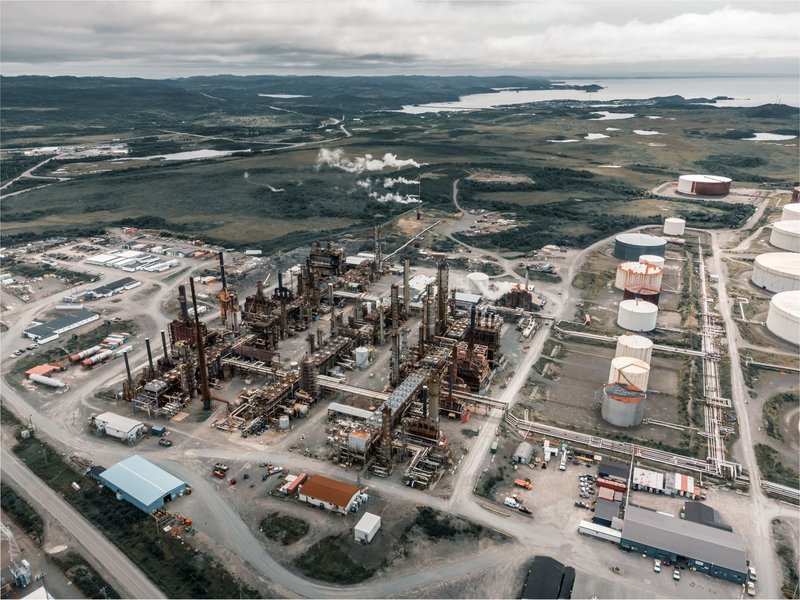
These are the edge cases that most explainers skip, and they follow the same logic.
Tar sands (oil sands). Sand mixed with bitumen, a heavy, tar-like oil that was degraded by bacteria long ago. Alberta, Canada holds most of the world’s commercial deposits, and Venezuela’s Orinoco Belt has a large heavy-oil resource. Bitumen has to be mined or heated underground before it flows, which costs more energy and emits more CO2 per barrel than conventional crude.
Oil shale. A sedimentary rock that contains kerogen, a waxy precursor that never got buried deep or hot enough to become oil. It’s either burned directly or heated to extract oil. Estonia is the standout: oil shale supplies a large share of its electricity.
Peat. The first stage of coal, formed from partly decayed plants in waterlogged bogs. Ireland, Finland and Russia have burned it for heat and power. Peat grows at about a millimeter a year, while people cut it far faster, so it’s classed as slowly renewable at best and treated as non-renewable in practice.
Methane hydrates. Methane trapped in ice-like crystals on the seafloor and under permafrost. The resource is enormous on paper. Japan has run offshore test productions, but nobody produces hydrates commercially.
Comparison table
| Type | Formed from | Main use | CO2 impact | Approx. reserve life |
|---|---|---|---|---|
| Coal | Ancient swamp plants | Electricity, steelmaking | Highest of the fossil fuels | 140 years or more |
| Crude oil | Marine plankton and algae | Transport fuels, plastics | High | About 50 years |
| Natural gas | Marine organisms, deep burial | Power, heating, fertilizer | Lowest of the fossil fuels | About 50 years |
| Uranium | Mineral ore in rock | Electricity | No CO2 from operation | Roughly 100 years |
| Tar sands | Degraded oil (bitumen) | Synthetic crude, fuels | Higher than conventional oil | 100+ years at current Alberta output |
| Oil shale | Kerogen-rich rock | Power, shale oil | Higher than conventional oil | Large resource, little production |
Reserve figures are rounded and assume today’s production and prices. They describe what’s economic to extract now, not everything underground.
Why nuclear energy is classed as non-renewable
People ask whether nuclear energy is renewable or non-renewable because it doesn’t burn anything and doesn’t emit CO2 while running. Those are separate questions. “Renewable” describes the fuel supply, not the emissions.
Uranium is mined from rock. Earth has a fixed amount of it, and it doesn’t replenish on any timescale that matters to us. Reactors consume it, so nuclear power is a low-carbon, non-renewable energy source. Fast breeder reactors and seawater extraction could stretch supply, but neither is in wide use.
The shift to renewables
The case for moving off these fuels rests on two points: supply is finite, and burning fossil fuels adds CO2 to the atmosphere. Solar, wind and hydropower avoid both, because their input flows in continuously.
Electricity is where the shift moves fastest, since solar and wind now compete on cost in many markets. Transport and heavy industry are slower. For now, the examples in this list still run most of the world, from the gasoline in a car tank to the coal feeding a steel furnace.