Jordan has more than 2,500 recorded plant species and only around 100 of them are endemic, meaning they grow nowhere else on Earth. That ratio explains why endemics here are rare finds rather than roadside scenery. This guide covers nine of them, plus where to look and what the word “endemic” really claims.
Contents
- Why a small country has so many unique plants
- Endemic, native, near-endemic: what’s the difference?
- 9 endemic plants of Jordan
- Quick comparison table
- Where to see them
- Conservation status and what visitors can do
Why a small country has so many unique plants
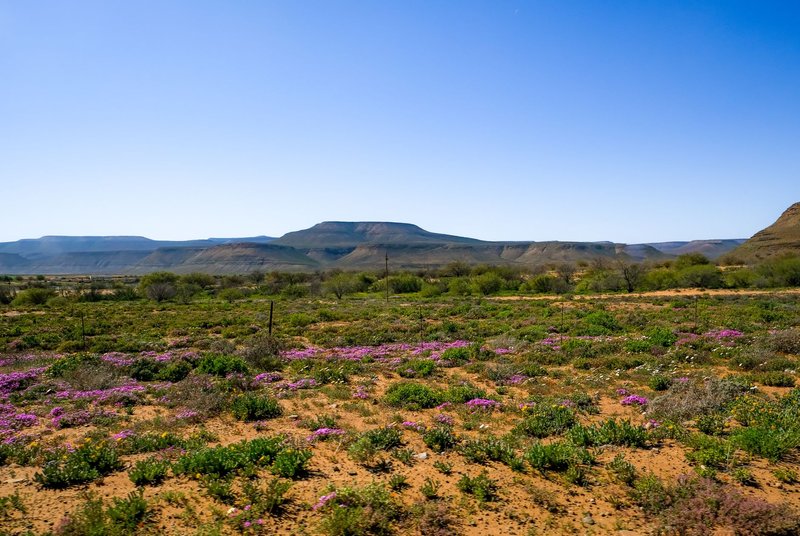
Jordan sits where three continents meet, and four biogeographical regions overlap inside its borders: Mediterranean, Irano-Turanian, Saharo-Arabian and a Sudanian tropical pocket around the Dead Sea and Wadi Araba. Within a couple of hours’ drive you go from oak woodland to steppe to hyperarid rift valley, a drop of well over a thousand meters in elevation.
Isolated rock outcrops, salty basins and sandstone canyons trap populations. Over time, trapped populations become their own species. The country’s national biodiversity reporting to the Convention on Biological Diversity puts the headline figures at roughly 2,500 species and about 100 endemics.
Endemic, native, near-endemic: what’s the difference?
Most pages blur these, so here is the split.
- Endemic: found only in Jordan. Nowhere else.
- Near-endemic: restricted to Jordan plus a small neighboring area, such as the Negev, Sinai or southern Syria.
- Native: grows naturally in Jordan but also across a wide range elsewhere. Most of the wildflowers you see are this.
Borders are political, plants aren’t. A species described from Jordan often turns up across a line on a map later. Treat endemic status as the best current knowledge, not a permanent label.
9 endemic plants of Jordan
1. Petra iris (Iris petrana)
A dark, velvety iris of the Oncocyclus group, the same family as Jordan’s national flower, the black iris (Iris nigricans). The Petra iris is the specialist: it grows in the rocky soil around Petra and the southern highlands. It blooms in spring, usually March to April, and each plant carries a single large flower.
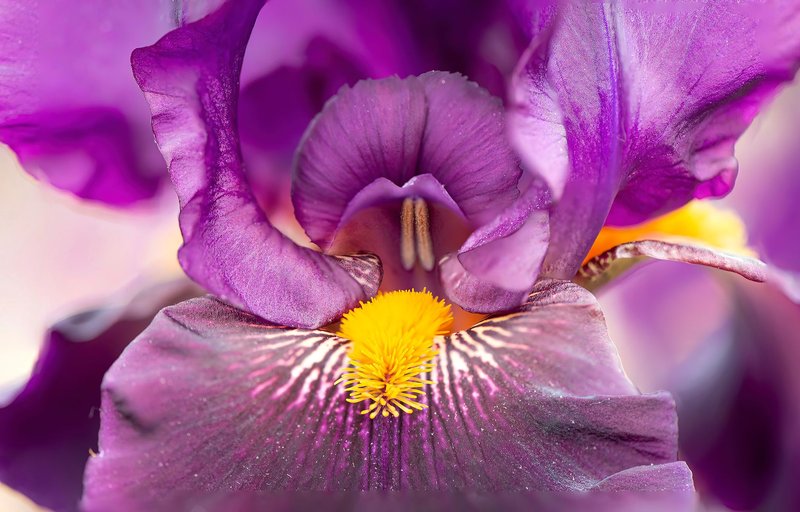
Oncocyclus irises don’t tolerate picking or transplanting. Dig one up and it usually dies, which is why collection is a threat on top of grazing.
2. Day’s cousinia (Cousinia dayi)
A thistle-like member of the daisy family from the Jordanian steppe and highland margins. It’s spiny, gray-green and easy to walk past, flowering in late spring. Cousinia is a huge genus across Central and Southwest Asia, and this one is a tiny southern outlier.
3. Dead Sea plantain (Plantago maris-mortui)
A salt-tolerant plantain tied to the saline ground near the Dead Sea. It looks like a modest rosette of narrow leaves with short flower spikes, and it flowers in spring. Its whole story is the habitat: falling sea levels, sinkholes and development eat into the shoreline strip where it lives.
4. Transjordan crucianella (Crucianella transjordanica)
A small, wiry relative of the bedstraws and madders, named for the region east of the Jordan River. It grows on dry rocky slopes and flowers in spring. It has no showy petals, so almost nobody photographs it. Botanists care anyway because it only exists here.
5. Creeping star-thistle (Centaurea procurrens)
A knapweed with a sprawling, ground-hugging habit and purple-pink thistle heads. It prefers the dry, rocky ground of Jordan’s highlands and blooms in late spring into early summer. Many Centaurea species are narrow endemics, and goats treat them as a snack.
6. Nabataean figwort (Scrophularia nabataerum)
Named for the Nabataeans, the builders of Petra. Figworts are tough, erect plants with small, dark-red to brownish flowers that bees love. This one clings to the rocky ground of the Petra region, and the name fits the place it lives.
7. Moab crocus (Crocus moabiticus)
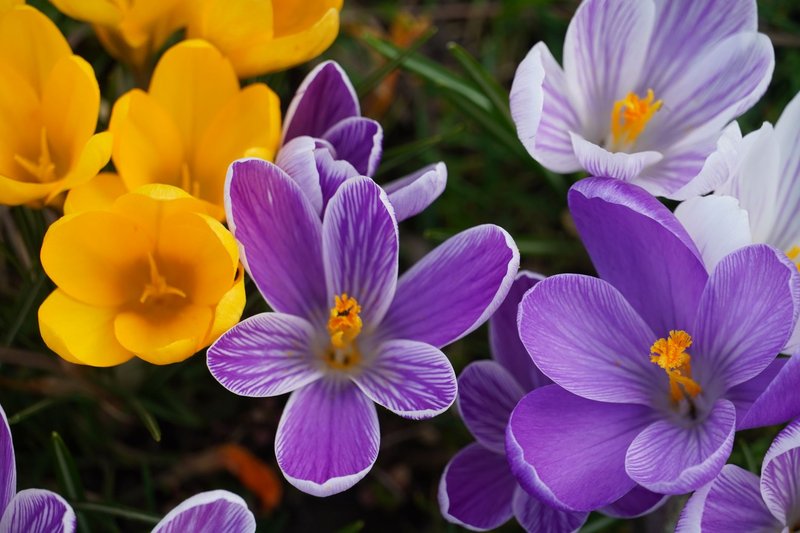
Named for Moab, the highland region east of the Dead Sea. Unlike spring crocuses, this one is tied to the cooler season, flowering in the cold months when rain finally comes. The corm sits dormant through the dry summer, so you won’t see it at all for most of the year.
8. Sinai thyme-mint (Micromeria sinaica)
A small aromatic shrublet of rocky desert slopes, in the mint family. Strictly, treat it as near-endemic: its range reaches across Jordan and into the Sinai region. It’s included because it’s often listed with Jordan’s special plants and shows how fuzzy the line is. Crush a leaf and you’ll smell it before you can name it.
9. Blunt-leaved withania (Withania obtusifolia)
A woody-based shrub of the nightshade family from the arid south, with rounded gray-green leaves and small bell-shaped flowers followed by berries in a papery husk. Its relatives are used in traditional medicine, which makes wild harvesting a real pressure. Like the thyme-mint, check current sources before calling it strictly endemic.
Quick comparison table
| Species | Typical region | Flowering time | Where to look |
|---|---|---|---|
| Iris petrana | Southern highlands, Petra area | March-April | Petra, nearby hills |
| Cousinia dayi | Steppe and highland margins | Late spring | Dry hills east of the highlands |
| Plantago maris-mortui | Dead Sea saline flats | Spring | Dead Sea shore |
| Crucianella transjordanica | Rocky slopes | Spring | Highland slopes |
| Centaurea procurrens | Highlands | Late spring to early summer | Stony hillsides |
| Scrophularia nabataerum | Petra region | Spring | Petra’s rock terrain |
| Crocus moabiticus | Moab highlands | Cool season | Plateau east of the Dead Sea |
| Micromeria sinaica (near-endemic) | Desert slopes | Spring | Southern wadis |
| Withania obtusifolia | Arid south | Spring to summer | Dry wadis |
Dates shift by elevation and rainfall. A wet winter can push a bloom weeks earlier than a dry one.
Where to see them
- Dana Biosphere Reserve: the largest reserve in the country, covering all four biogeographical zones in one valley. Best for highland specialists.
- Mujib Nature Reserve: a canyon dropping toward the Dead Sea at the lowest elevation of any reserve on Earth. Good for salt-loving and rift-valley plants.
- Dibeen Forest Reserve: pine and oak woodland north of Amman. Good for spring wildflowers, mostly native rather than endemic.
- Petra: the best single location for the Petra iris and the Nabataean figwort. Go off the main path, stay on the trail, and bring a hand lens.
Spring (March to May) is the best season for almost every plant on this list. Hire a reserve guide: they know where individual plants are, and they know what’s already been trampled.
Conservation status and what visitors can do
The same four threats come up in nearly every assessment: overgrazing, wild harvesting for medicine or ornament, habitat loss to farming and construction, and a drying climate. For a plant with a handful of sites, one bad grazing season matters. You can check the status of individual species on the IUCN Red List, though many Jordanian endemics are poorly assessed or not assessed at all, which is its own kind of risk.
What helps:
- Stay on marked trails, especially in spring when seedlings are small.
- Don’t pick or dig anything, including bulbs and corms.
- Hire local guides and visit reserves where fees fund ranger patrols.
- Report plants you can identify to local botanists rather than posting exact coordinates online.
Jordan’s endemic plants are small, scattered and mostly unfamous. They survive only because specific rocks, salt flats and canyons happen to exist in one particular place, and that’s exactly why they’re worth the detour.