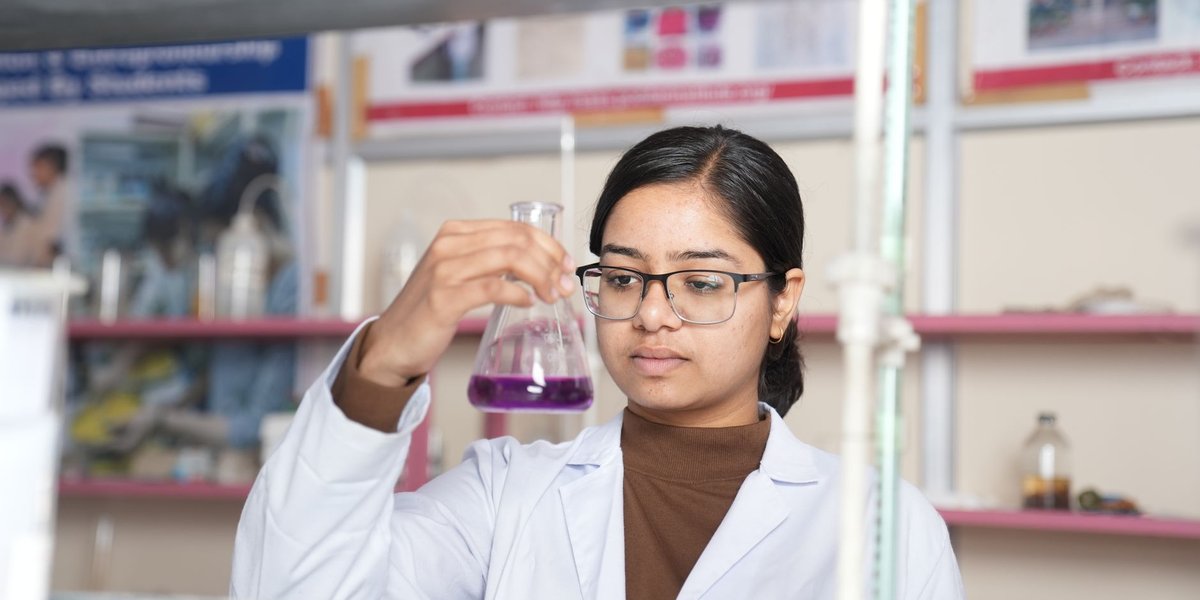
An acid is a substance that releases hydrogen ions (H⁺) in water. That’s the textbook line, and it explains the sour taste of lemons, the fizz of baking soda in vinegar, and the burn of battery fluid. The 15 examples of acids below cover food, your own body, the cleaning aisle, and heavy industry, with formulas and a plain verdict on how strong each one is.
Contents
- TLDR: 15 common acids in one table
- Acids in food
- Acids in nature and your body
- Household and industrial acids
- Strong acids vs. weak acids
- Organic vs. inorganic acids
- Handling acids safely
- FAQ
TLDR: 15 common acids in one table
| Acid | Formula | Strength | Where you meet it |
|---|---|---|---|
| Citric acid | C₆H₈O₇ | Weak | Lemons, limes, sour candy |
| Acetic acid | CH₃COOH | Weak | Vinegar |
| Malic acid | C₄H₆O₅ | Weak | Green apples, cherries |
| Lactic acid | C₃H₆O₃ | Weak | Yogurt, sourdough, tired muscles |
| Tartaric acid | C₄H₆O₆ | Weak | Grapes, wine, cream of tartar |
| Ascorbic acid | C₆H₈O₆ | Weak | Vitamin C in citrus and peppers |
| Oxalic acid | C₂H₂O₄ | Weak | Rhubarb leaves, spinach |
| Hydrochloric acid | HCl | Strong | Stomach acid, muriatic acid |
| Carbonic acid | H₂CO₃ | Weak | Soda water, rain |
| Formic acid | HCOOH | Weak | Ant stings, nettles |
| Acetylsalicylic acid | C₉H₈O₄ | Weak | Aspirin |
| Sulfuric acid | H₂SO₄ | Strong | Car batteries, fertilizer production |
| Nitric acid | HNO₃ | Strong | Fertilizers, explosives |
| Phosphoric acid | H₃PO₄ | Weak | Cola, rust removers |
| Hydrofluoric acid | HF | Weak, but very dangerous | Glass etching, semiconductor manufacturing |
Acids in food
Most acids you taste on purpose are organic acids, and they’re all weak. Weak means only a fraction of the molecules release their hydrogen ions at any moment, which is why you can eat them.
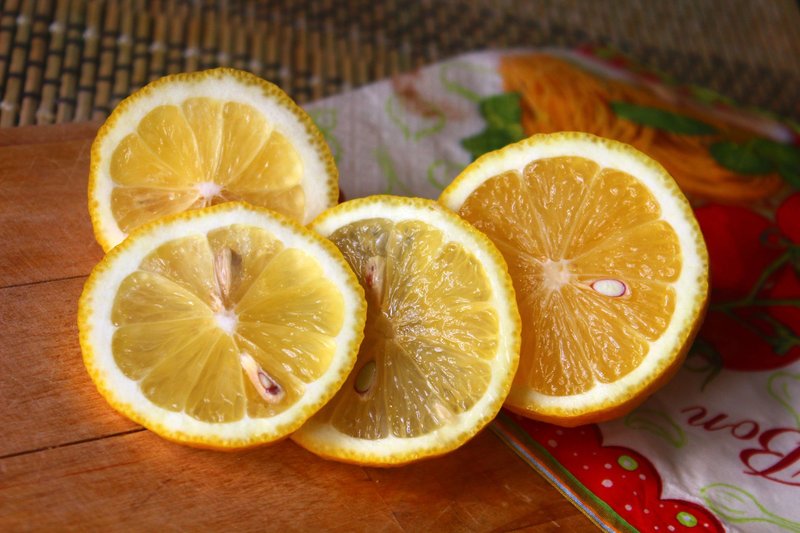
Citric acid (C₆H₈O₇). Lemon juice is roughly 5 to 6 percent citric acid, with a pH around 2. Food makers add it to soft drinks, jam, and sour candy as a flavoring and preservative. Your cells also run on it: citrate is the first product of the Krebs cycle.
Acetic acid (CH₃COOH). Vinegar is acetic acid diluted in water, usually around 5 percent. It’s made when bacteria convert the alcohol in wine, cider, or grain mash into acid. Pour it on baking soda and the fizz is carbon dioxide—a classic acid-base reaction.
Malic acid (C₄H₆O₅). The sharp edge of a Granny Smith apple. The name comes from the Latin malum, apple. Sour apple candy uses it in bulk.
Lactic acid (C₃H₆O₃). Bacteria make it when they ferment milk sugar, which gives yogurt, kefir, and sourdough their tang. The “lactic acid burn” in your muscles during a sprint is a popular myth in its own right: your muscles produce lactate, but the burn comes from several byproducts of intense exercise.
Tartaric acid (C₄H₆O₆). Grapes are unusually rich in it. Wine makers watch it closely, and the crystals that sometimes stick to a cork or settle in a bottle are potassium bitartrate. Sold as cream of tartar, it stabilizes whipped egg whites.
Ascorbic acid (C₆H₈O₆). This is vitamin C. Humans can’t make it, so you get it from peppers, kiwi, citrus, and broccoli. A deficiency causes scurvy, which is why sailors once carried limes.
Oxalic acid (C₂H₂O₄). Found in rhubarb, spinach, and beet greens. Rhubarb leaves contain enough to be unsafe to eat in quantity, so cooks use only the stalks.
Acids in nature and your body
Hydrochloric acid (HCl). Your stomach lining secretes it, and stomach fluid sits at a pH of roughly 1.5 to 3.5. That’s acidic enough to break down proteins and kill most microbes that arrive with your food. A thick mucus layer keeps the acid from digesting the stomach itself. Strong, and the same compound sold in hardware stores diluted as muriatic acid.
Carbonic acid (H₂CO₃). Dissolve carbon dioxide in water and a small amount turns into carbonic acid. It’s behind the bite of sparkling water and the slight acidity of normal rain, which sits around pH 5.6 rather than a neutral 7. In your blood, the carbonic acid and bicarbonate pair acts as a buffer that holds pH in a narrow range.
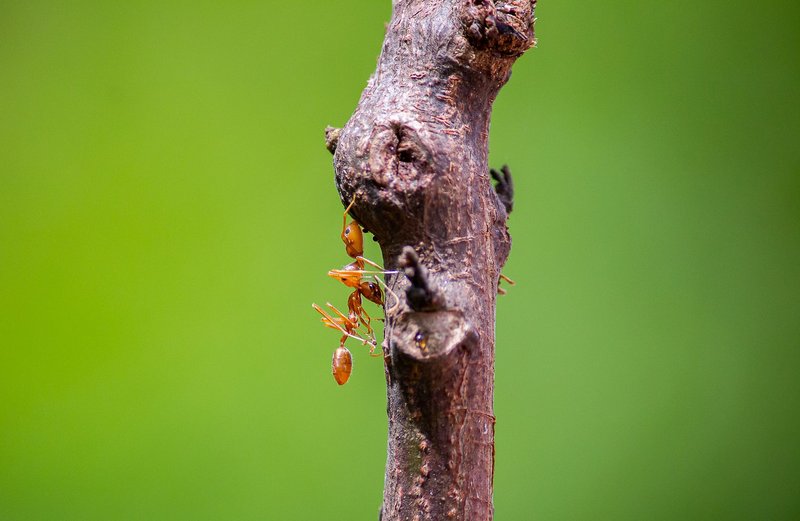
Formic acid (HCOOH). The simplest carboxylic acid, named for the Latin formica, ant. Ants inject it when they bite, and stinging nettles carry it too. It’s also used industrially in leather tanning and as a livestock feed preservative.
Acetylsalicylic acid (C₉H₈O₄). Aspirin. It’s a weak acid derived from salicylic acid, a compound first isolated from willow bark. The tablet is an acid you swallow on purpose.
Your body also runs on acids you don’t see on a label. Amino acids build proteins, and DNA stands for deoxyribonucleic acid. Both are named acids because of their chemical groups, and neither is dangerous.
Household and industrial acids
These are the ones that need respect. Three of the four are inorganic acids made from mineral sources, and the exception is a weak acid with an outsized hazard.
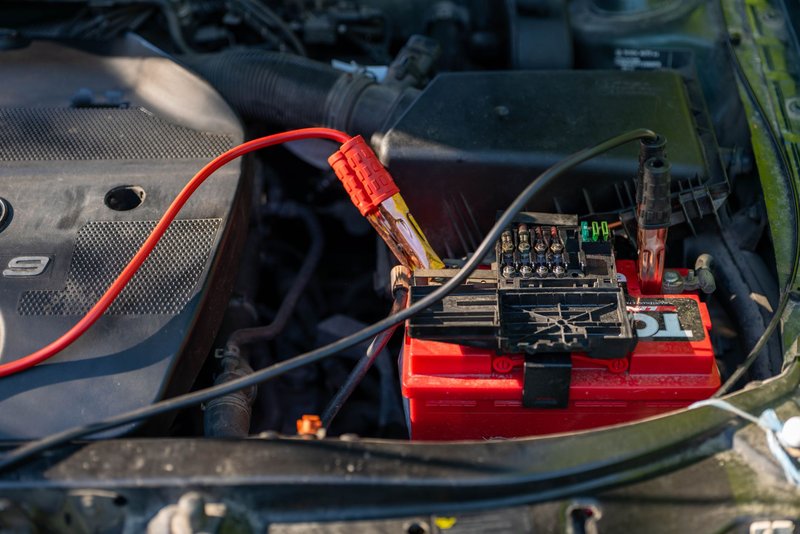
Sulfuric acid (H₂SO₄). The most widely produced industrial chemical in the world. Most of it goes into phosphate fertilizer. It’s also the electrolyte in lead-acid car batteries, and it dehydrates sugar into a black column of carbon on contact. The PubChem entry for sulfuric acid from the US National Library of Medicine lists its properties and hazards in detail.
Nitric acid (HNO₃). A strong acid used to make ammonium nitrate fertilizer and explosives. Concentrated nitric acid turns skin yellow because it reacts with proteins.
Phosphoric acid (H₃PO₄). The acid in cola, where it adds tartness without a fruity flavor. It’s also a rust remover and a fertilizer ingredient. It’s weak in the lab sense, though still corrosive at high concentrations.
Hydrofluoric acid (HF). Chemists call it weak because it doesn’t fully release its hydrogen ions in water. That label is misleading for safety. HF penetrates skin and attacks calcium in tissue and bone, so even small exposures need emergency treatment. Industry uses it to etch glass and clean silicon chips.
Strong acids vs. weak acids
Strength is about how completely an acid splits into ions in water, not about how dangerous it is. A strong acid ionizes almost entirely. A weak acid only partly does.
The common strong acids are hydrochloric (HCl), sulfuric (H₂SO₄), nitric (HNO₃), hydrobromic (HBr), hydroiodic (HI), and perchloric (HClO₄). Nearly everything else on the list above is weak. The pH scale measures acidity from 0 to 14, with 7 neutral and lower numbers more acidic. The US Geological Survey explains the scale with examples from natural waters.
Two rules to keep in mind. First, concentration matters as much as strength: vinegar and a concentrated acetic acid solution are the same compound with very different risks. Second, strong doesn’t always mean worse. Hydrofluoric acid is “weak” and more hazardous to skin than many strong acids at the same concentration.
Organic vs. inorganic acids
Organic acids contain carbon and usually end in a carboxyl group (–COOH). Examples include citric, acetic, malic, lactic, tartaric, ascorbic, oxalic, formic, and acetylsalicylic acid. They’re mostly weak and mostly found in living things.
Inorganic acids, also called mineral acids, come from minerals and don’t have the carbon backbone. Hydrochloric, sulfuric, nitric, phosphoric, and hydrofluoric acid are the examples above. Carbonic acid sits on the line: it contains carbon but is usually classed as inorganic. Mineral acids tend to be the strong ones.
Handling acids safely
Food acids need no special care. Everything else does.
- Wear gloves and eye protection with anything stronger than vinegar. Splash goggles beat regular glasses.
- Add acid to water, never water to acid. Diluting concentrated acid releases heat, and a splash of boiling liquid is a bad surprise.
- Never mix muriatic acid or other acidic cleaners with bleach. The combination releases chlorine gas.
- Rinse skin and eyes with running water for at least 15 minutes after contact, then get medical advice. Hydrofluoric acid is the exception: it needs medical care immediately.
- Store acids in their original containers, away from bases, bleach, and metals.
FAQ
What is the most common acid? Sulfuric acid is the most produced industrial acid. In everyday life, acetic acid (vinegar) and citric acid (citrus) are the ones you’ll handle most.
What are some acids you eat? Citric, acetic, malic, lactic, tartaric, and ascorbic acid are all in common foods, along with phosphoric acid in cola.
Is there an acid in your body? Yes. Hydrochloric acid in the stomach, amino acids in proteins, and nucleic acids in DNA and RNA are all essential.
What is the strongest acid? Among common laboratory acids, perchloric and hydroiodic acid rank at the top of the strong list. Chemists also work with “superacids,” such as fluoroantimonic acid, which are far stronger than any of the acids above.
Is a weak acid safe? Not automatically. Weak describes how much the acid ionizes, not how much damage it can do. Hydrofluoric acid proves the point.
How do you tell an acid from a base? Check the pH. Below 7 is acidic, above 7 is basic. Litmus paper turns red in acid and blue in base, and red cabbage juice shifts from red in acid to green in base.