Most plants make their own food and mind their own business. These don’t. Somewhere between one and ten percent of all flowering plant species have figured out how to tap directly into another plant’s plumbing and help themselves — to water, to sugars, sometimes to the whole meal. A few have gone so far as losing their leaves, their chlorophyll, even most of their own body, because why bother making food when you can just steal it.
Here are 15 of them, sorted by how much stealing they actually do, with the mechanism, the host, and what to look for if you’ve found one growing where it shouldn’t be.
Table of Contents
- What Makes a Plant Parasitic
- Holoparasites: No Green Left
- Hemiparasites: Photosynthesis, Plus Theft
- Is It Killing My Tree? Toxicity and Removal
- Quick Reference Table
What Makes a Plant Parasitic
The tool that makes all of this possible is called a haustorium — a root-like structure a parasitic plant grows into its host’s tissue, tapping directly into the xylem (for water and minerals), the phloem (for sugars), or both. It’s not a suction cup. It’s a graft, and once it’s in, the two plants are physically fused.
Botanists split parasitic plants two ways, and both matter for reading the list below.
Holoparasite vs. hemiparasite. A holoparasite has given up photosynthesis entirely — no chlorophyll, often no visible leaves, sometimes no visible plant at all above ground. It takes everything from the host: water, minerals, and carbon. A hemiparasite still photosynthesizes and makes its own sugar, but taps the host for water and minerals, which is a lighter parasitic load and why hemiparasites can often survive, just weaker, without a host.
Root parasite vs. stem parasite. This is just about where the haustorium attaches — into the host’s root system underground, or into a stem or branch above ground. Mistletoe is a stem parasite you can see from the sidewalk. Broomrape is a root parasite you’d never notice unless you dug up the tomato plant it just killed.
Holoparasites: No Green Left
1. Dodder (Cuscuta spp.)
Stem holoparasite. Dodder looks like someone dropped a tangle of orange or yellow fishing line onto a plant and it started growing. It has no leaves and barely any chlorophyll, and once its haustoria are in, it abandons its own root connection to the soil entirely. Researchers at Penn State documented dodder seedlings growing directly toward tomato plants in the dark, guided by airborne chemical cues the tomato releases — the plant is, in a functional sense, smelling its prey—exhibiting parasitic hunting behavior found in other species. Found on garden vegetables, alfalfa, and clover worldwide.
2. Broomrape (Orobanche and Phelipanche spp.)
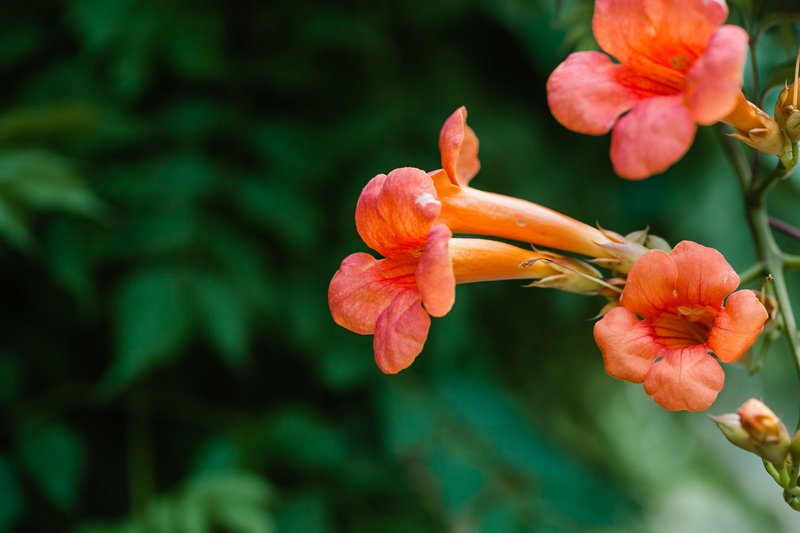
Root holoparasite. Broomrape spends most of its life as a scaly underground stalk, invisible until it sends up a spike of tubular, purplish-brown flowers that look nothing like a normal plant — no leaves, no green anywhere. It targets tomato, sunflower, tobacco, and legume roots, and because its vascular system is fused to the host’s, herbicides that kill the broomrape tend to kill the crop too. It’s a serious agricultural problem across the Mediterranean and Middle East.
3. Rafflesia arnoldii
Root holoparasite, and the most extreme entry on this list. For most of its life, Rafflesia doesn’t exist as a recognizable plant at all — it lives as thread-like strands inside the tissue of a Tetrastigma vine, with no stem, leaves, or roots of its own. Then, once every year or so, it erupts through the vine’s bark as a flower up to a meter across, the largest single bloom on Earth. It smells like rotting meat to attract the carrion flies that pollinate it. Found in the rainforests of Sumatra and Borneo.
4. Hydnora africana
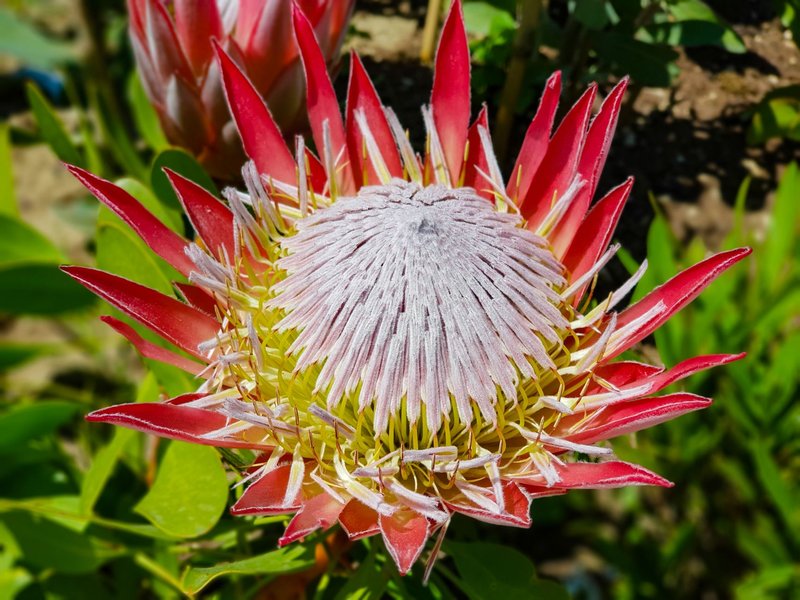
Root holoparasite native to southern Africa, parasitizing the roots of Euphorbia shrubs. Its fleshy body lives entirely underground until a single brown, leathery flower pushes up through the sand — no chlorophyll, no stem, no leaves. Like Rafflesia, it fakes a corpse smell, this time to lure in dung beetles and carrion beetles as pollinators.
5. Squawroot (Conopholis americana)
Root holoparasite on oak roots, common in eastern North American forests. It pushes up through leaf litter in clusters that look uncannily like small pine cones or ears of corn — hence its other common name, bear corn, since black bears reportedly eat it after emerging from hibernation. It’s entirely brown and waxy, with no chlorophyll to give it away.
6. Beechdrops (Epifagus virginiana)
Root holoparasite with a single host: American beech. Thin, branching, purplish-brown stalks rise from beech roots in late summer, easy to miss against the forest floor. Unlike squawroot, beechdrops is an annual — the whole above-ground structure dies back every year and regrows from the root connection.
7. Pilostyles
A genus of holoparasites so reduced that most of the plant lives permanently embedded inside the stems of legume hosts like broom and Astragalus. The only visible sign is a scatter of tiny flower buds breaking through the host’s bark — no leaves, no stem, no roots ever appear. Found in arid scrubland in the Americas, the Middle East, and Australia, and often overlooked entirely because it barely looks like a plant.
Hemiparasites: Photosynthesis, Plus Theft
8. Mistletoe (Viscum album, Phoradendron leucarpum)
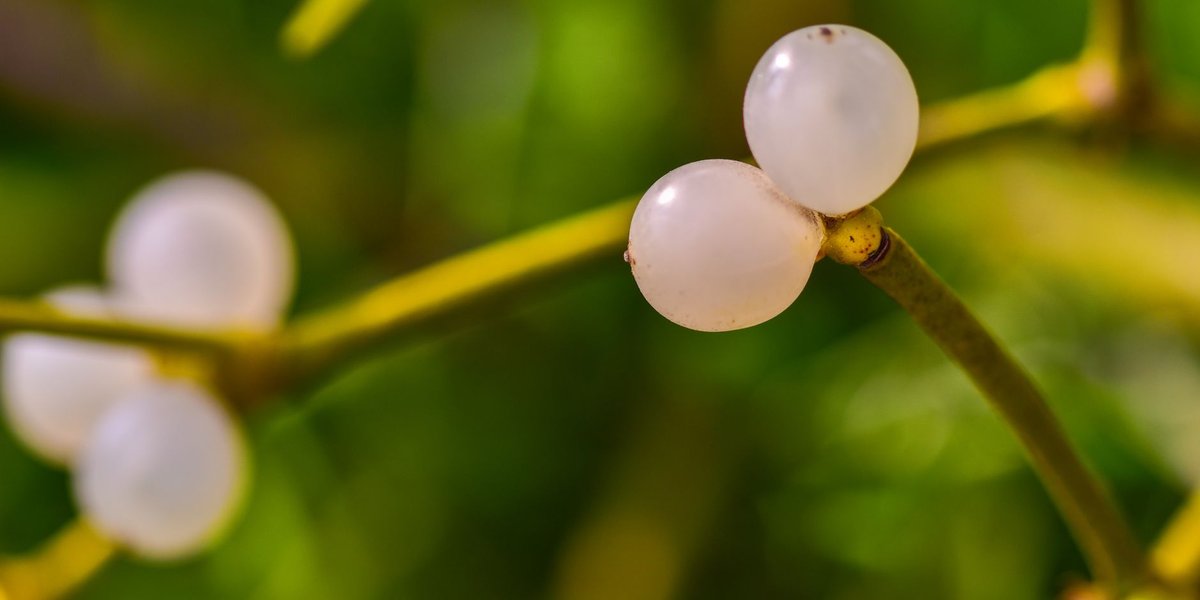
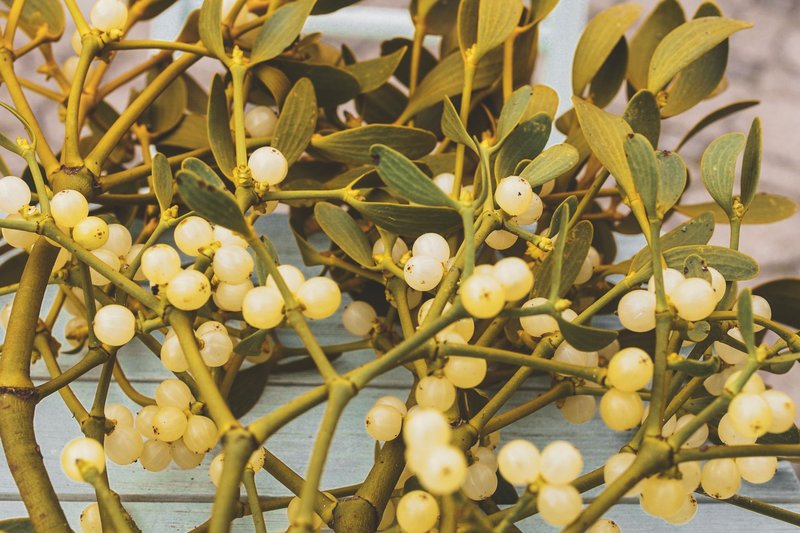
Stem hemiparasite, and the one everyone already knows, just not the biology behind it. Mistletoe keeps its green leaves and photosynthesizes normally, but its haustorium taps directly into the host branch’s xylem for water and minerals. Birds eat the sticky white berries, then wipe their beaks clean on a neighboring branch, planting the next generation. A light infestation barely bothers a tree; a heavy one, especially combined with drought stress, can weaken a host over years and eventually kill it. According to the USDA Forest Service, dense mistletoe clusters also reduce timber value and increase a tree’s vulnerability to insects and disease.
9. Dwarf mistletoe (Arceuthobium spp.)
A separate, smaller stem hemiparasite genus specific to conifers — pine, spruce, fir. Infected branches swell into dense tangles called witches’ brooms. The seed dispersal mechanism is the standout detail: dwarf mistletoe berries build up hydrostatic pressure and explosively fire their seeds up to 50 feet at roughly 60 miles per hour, one of the fastest seed launches in the plant kingdom. It’s a significant economic pest in North American timber forests.
10. Indian paintbrush (Castilleja spp.)
Root hemiparasite, facultative — meaning it can survive without a host, just poorly. In the wild it taps into the roots of prairie grasses for extra water and minerals, which is part of why it’s notoriously hard to transplant into a garden without also transplanting its grass neighbors. The vivid red-orange color everyone associates with this plant actually comes from the bracts, not the small, inconspicuous flowers they surround. It’s Wyoming’s state flower.
11. Yellow rattle (Rhinanthus minor)
Root hemiparasite on grass roots, and one of the few parasitic plants deliberately introduced on purpose. UK conservation groups seed yellow rattle into overgrown meadows because it weakens the dominant grasses just enough to let slower wildflowers compete for light and space — a parasite used as a restoration tool. Its name comes from the dry seed pods that rattle when shaken.
12. Witchweed (Striga spp.)
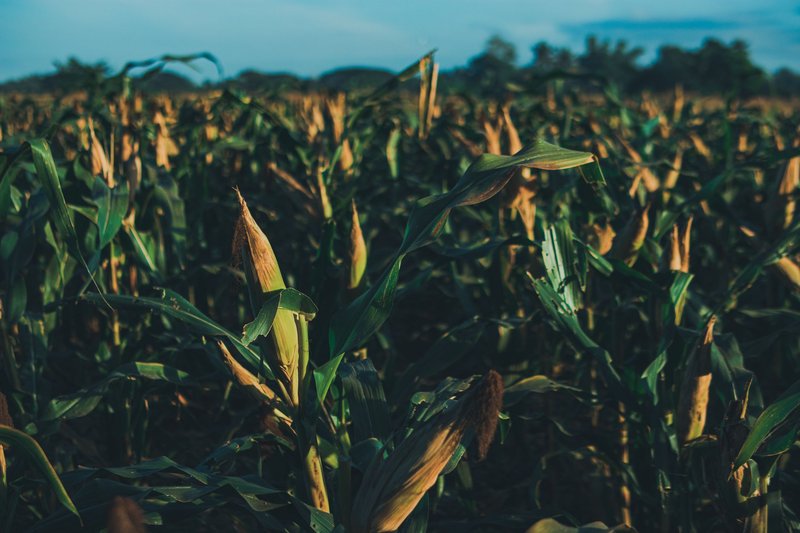
Root hemiparasite and arguably the most economically destructive plant on this list. Striga parasitizes corn, sorghum, millet, and rice across sub-Saharan Africa, and its seeds only germinate after detecting strigolactone, a chemical the host root releases — meaning seeds can sit dormant in soil for over a decade waiting for a crop to be planted nearby. Crop losses attributed to Striga are estimated in the billions of dollars annually, and it remains one of the hardest agricultural pests to eradicate because most damage happens underground before symptoms show.
13. Bastard toadflax (Comandra umbellata)
Root hemiparasite spread widely across North American woodlands and prairies, low-growing with small white flowers. It’s not picky about hosts — grasses, shrubs, even tree seedlings all qualify — which is part of why it turns up in such a wide range of habitats. Indigenous groups historically ate its small berry-like fruits, though they’re mild and not widely foraged today.
14. Sandalwood (Santalum album)
Root hemiparasite, and the one entry on this list people actually cultivate on purpose for money. Sandalwood seedlings fail to thrive without a host plant nearby — commercial growers interplant them with other tree species specifically so the sandalwood can tap their roots. The fragrant heartwood and oil have made it valuable enough that wild populations in India have been overharvested to the point of trade restriction. Australia and several Pacific island nations now supply most legally farmed sandalwood.
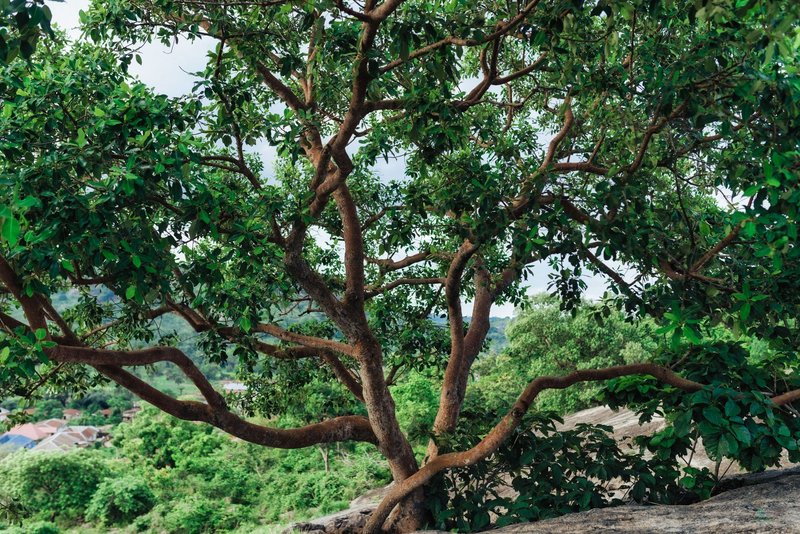
15. Lousewort (Pedicularis spp.)
A huge genus — hundreds of species — of root hemiparasites found mostly in alpine and subalpine meadows across the Northern Hemisphere. They tap grass and sedge roots underground while flowering normally above it, often with oddly hooked or tubular blooms shaped for specific bumblebee pollinators. The name comes from an old, unfounded belief that grazing livestock near lousewort would catch lice.
Is It Killing My Tree? Toxicity and Removal
Two separate questions get lumped together here, and they have different answers.
Is it toxic? Mistletoe berries are the one most people ask about, since the plant is sold as a holiday decoration. Berries and leaves can cause vomiting, low blood pressure, and in large quantities more serious symptoms in both humans and pets — the ASPCA’s Animal Poison Control lists American and European mistletoe as toxic to dogs and cats if ingested in quantity, though fatalities from casual exposure are rare. Dodder, broomrape, and most root parasites aren’t a household toxicity concern; the risk with those is agricultural, not medical.
Is it killing the tree? Depends on the load. A few mistletoe clumps scattered through a healthy tree’s crown are cosmetic, not fatal — the tree photosynthesizes plenty and shrugs off the water loss. Dwarf mistletoe is a different story: because it’s conifer-specific and spreads branch to branch within the same tree, an infestation left unmanaged can eventually girdle and kill the host, and the Forest Service recommends pruning infected branches at least two feet below any visible witches’ broom, or removing the tree entirely if more than a third of the crown is affected.
For garden parasites like dodder, timing is everything. Cut the host stem below the dodder’s attachment point and remove the whole tangle before it flowers — dodder seed survives in soil for five years or more, so one missed season of seed set means fighting it again next spring. Broomrape is harder: because its vascular system is fused to the host’s, there’s no selective herbicide that reliably kills one without harming the other, which is why crop rotation and resistant cultivars do more of the real work than spraying.
Quick Reference Table
| Plant | Type | Host | Region | Look For |
|---|---|---|---|---|
| Dodder | Holoparasite, stem | Vegetables, alfalfa, clover | Worldwide | Orange/yellow thread-like tangle, no leaves |
| Broomrape | Holoparasite, root | Tomato, sunflower, legumes | Mediterranean, Middle East | Leafless purplish flower spikes |
| Rafflesia arnoldii | Holoparasite, root/endophytic | Tetrastigma vines | Sumatra, Borneo | 1-meter flower, carrion smell |
| Hydnora africana | Holoparasite, root | Euphorbia | Southern Africa | Underground body, single brown flower |
| Squawroot | Holoparasite, root | Oak | Eastern North America | Pine-cone-like clusters in leaf litter |
| Beechdrops | Holoparasite, root | American beech only | Eastern North America | Thin purplish-brown branching stalks |
| Pilostyles | Holoparasite, stem-embedded | Legumes (broom, Astragalus) | Arid Americas, Middle East, Australia | Tiny buds through host bark only |
| Mistletoe | Hemiparasite, stem | Broadleaf and conifer trees | Worldwide | Green clumps in bare winter branches |
| Dwarf mistletoe | Hemiparasite, stem | Conifers | North America | Witches’ brooms, explosive seed release |
| Indian paintbrush | Hemiparasite, root (facultative) | Prairie grasses | Western North America | Red-orange bracts |
| Yellow rattle | Hemiparasite, root | Grasses | Europe | Rattling dry seed pods |
| Witchweed | Hemiparasite, root | Corn, sorghum, millet, rice | Sub-Saharan Africa | Stunted crops, purple-pink flowers |
| Bastard toadflax | Hemiparasite, root | Grasses, shrubs | North America | Small white flowers, low growth |
| Sandalwood | Hemiparasite, root | Interplanted tree species | India, Australia, Pacific | Fragrant heartwood, needs a host to establish |
| Lousewort | Hemiparasite, root | Sedges, grasses | Alpine Northern Hemisphere | Hooked or tubular flowers |
Fifteen plants, one shared trick: build a haustorium, tap into someone else’s vascular system, and let evolution sort out how much you still bother doing yourself. Some, like mistletoe, keep enough independence to barely register as parasites at all. Others, like Rafflesia, have thrown out everything except the ability to flower and smell like something died. Next time you spot an odd cluster in a tree’s canopy or a leafless spike pushing through the forest floor, you’ll know which kind of theft you’re looking at.