Category
Biology
140 articles
 Biology
18 Facts About Regenerative Medicine, Minus the Hype
Regenerative medicine is the set of techniques that repair, replace, or regrow damaged cells, tissues, and organs instead…
November 1, 2026
 Biology
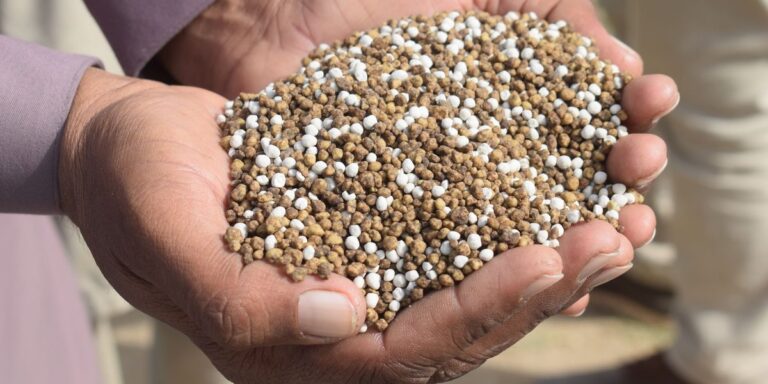
Examples of Fertilizers, With N-P-K Values and Uses
The most common examples of fertilizers are urea, ammonium sulfate, superphosphate, potassium chloride (muriate of potash), NPK blends,…
November 1, 2026
 Biology
Natural Fertilizers: What to Use, How Much, and When
A natural fertilizer is a plant nutrient source made from animal, plant or mineral material that has been…
November 1, 2026
 Biology
Non-Flowering Plants: Mosses, Ferns, Conifers and More
Non-flowering plants are plants that never produce flowers. They reproduce with spores or with seeds that aren’t enclosed…
October 26, 2026
 Biology
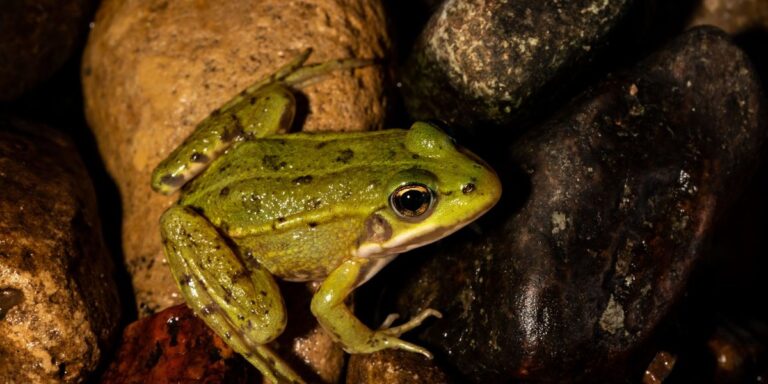
20 Facts About Frogs That Sound Fake (but Aren’t)
Frogs swallow with their eyeballs, breathe through their skin, and one species can spend winter frozen solid and…
October 26, 2026
 Biology
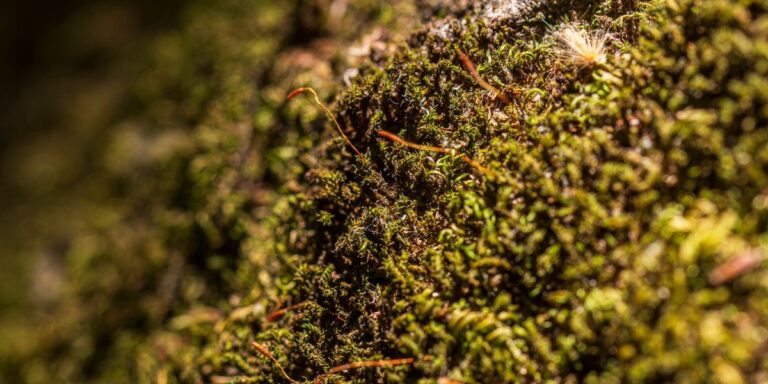
Non-vascular Plants: Mosses, Liverworts and Hornworts
Non-vascular plants are plants without xylem and phloem, the internal plumbing that moves water and sugars around larger…
October 26, 2026
 Biology
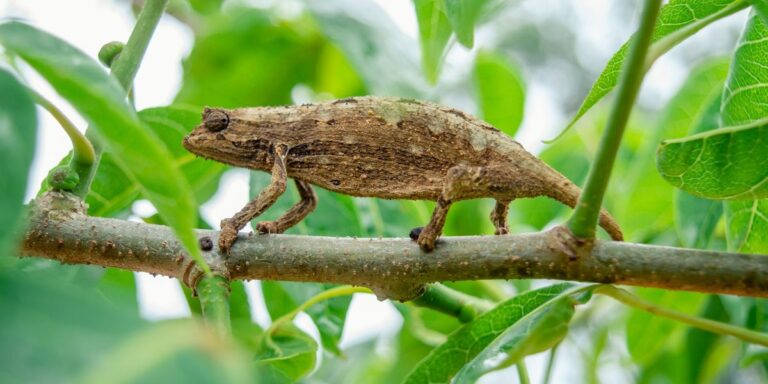
Camouflaged Animals: 15 Masters of Hiding in Plain Sight
Contents Camouflaged animals survive by being hard to see, or by being seen as something that isn’t food.…
October 26, 2026
 Biology
Fatty Acids Explained: Types, Functions, and Food Sources
A fatty acid is a molecule made of a carboxyl group (-COOH) attached to a chain of carbon…
October 22, 2026
 Biology
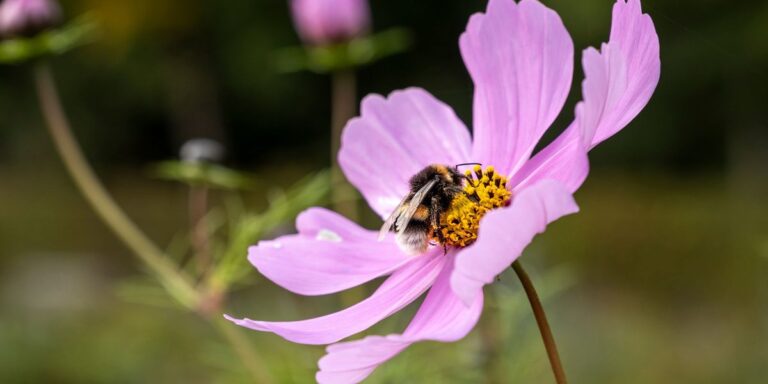
Pollinating Insects: Who Does the Work and How
Table of Contents The main groups of pollinating insects Five groups do most of the pollinating: bees, flies,…
October 22, 2026
 Biology
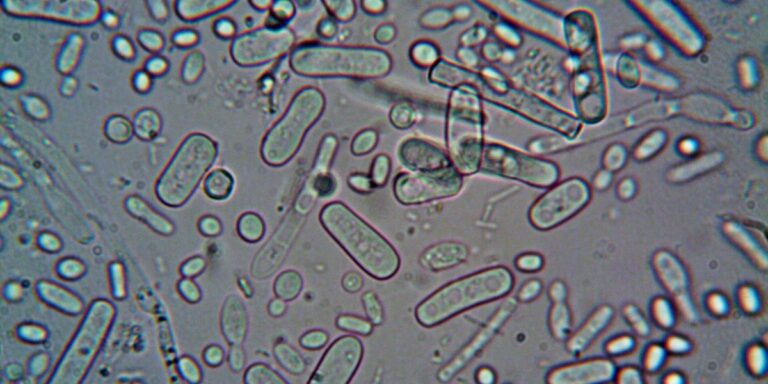
Pathogens Explained: Types, Spread and How They Harm
A pathogen is any microorganism or infectious agent that causes disease in a host. That covers bacteria, viruses,…
October 22, 2026
