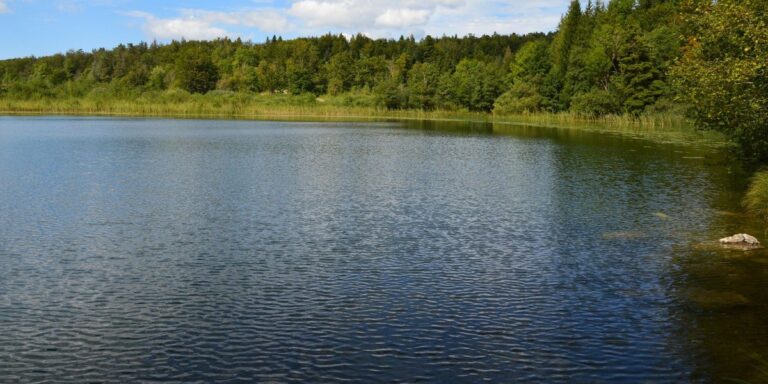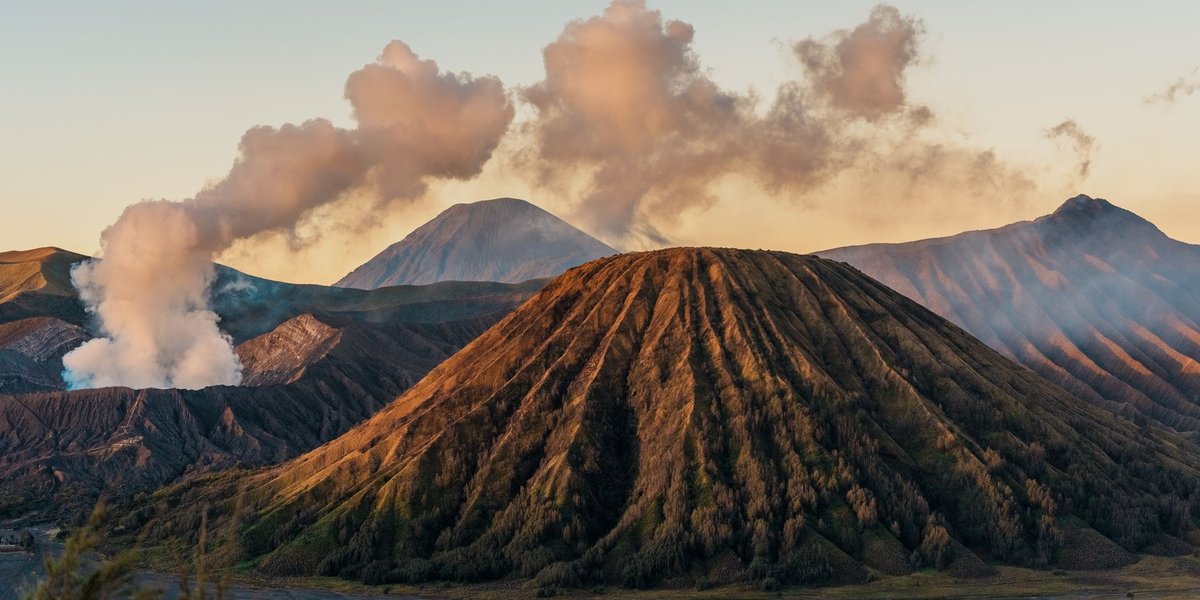
El Salvador’s most valuable natural resources are geothermal heat, fertile volcanic soil and the water of the Lempa River. Geothermal plants supply about 21–22% of the country’s electricity. Farmland grows coffee and sugarcane. Hydroelectric dams on the Lempa add a large share of the rest. Forests and fisheries are smaller, and metal mining is the open question: the government says there’s gold, and it repealed its mining ban in December 2024.
The country has no commercial oil or gas. Some older sources list petroleum as a resource. It isn’t one, and El Salvador imports its fuel.
Contents
- Resources at a glance
- Geothermal energy
- Farmland and volcanic soil
- Water and hydropower
- Forests
- Fisheries
- Minerals and the gold dispute
- Environmental pressures
- FAQ
Resources at a glance
| Resource | Where it’s found | What it’s used for |
|---|---|---|
| Geothermal heat | Ahuachapán and Berlín, along the volcanic chain | About 21–22% of electricity |
| Farmland and soil | Volcanic highlands and the coastal plain | Coffee, sugarcane, maize, beans |
| Water | Lempa River basin, Lake Ilopango, Lake Coatepeque | Hydropower, irrigation, drinking water |
| Forests | Remnant highland forest, coffee shade, mangroves | Timber, balsam, coastal protection |
| Fish and shellfish | Pacific coast, Jiquilisco Bay, Gulf of Fonseca | Local food, shrimp and tuna |
| Minerals | Limestone in the north, gold claims in the northeast | Cement, building materials, disputed gold |
Geothermal energy
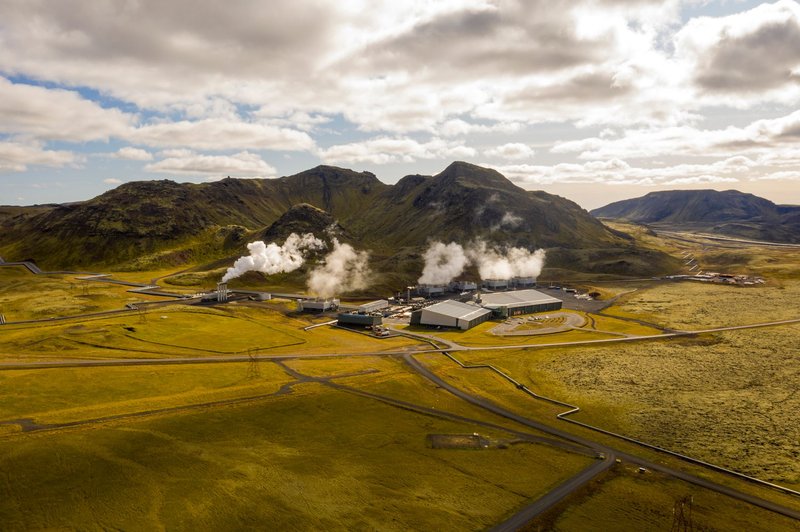
El Salvador sits on the Central American volcanic arc, and the country turned that into a power source earlier than most. The Ahuachapán field has produced electricity since the 1970s, and the Berlín field, on the slopes of the Tecapa volcano in Usulután, followed in the early 1990s. Both are run by LaGeo, the state-backed geothermal company.
Together the two fields have roughly 204 MW of installed capacity. That covers about 21–22% of national electricity, one of the highest geothermal shares of any country. Berlín added a binary-cycle unit in 2025, which squeezes more power out of hot water that earlier units discarded. ThinkGeoEnergy has tracked the country’s geothermal share for years.
Geothermal plants run around the clock regardless of weather. That makes them useful in a grid that also leans on rivers, which fall in dry years.
Farmland and volcanic soil
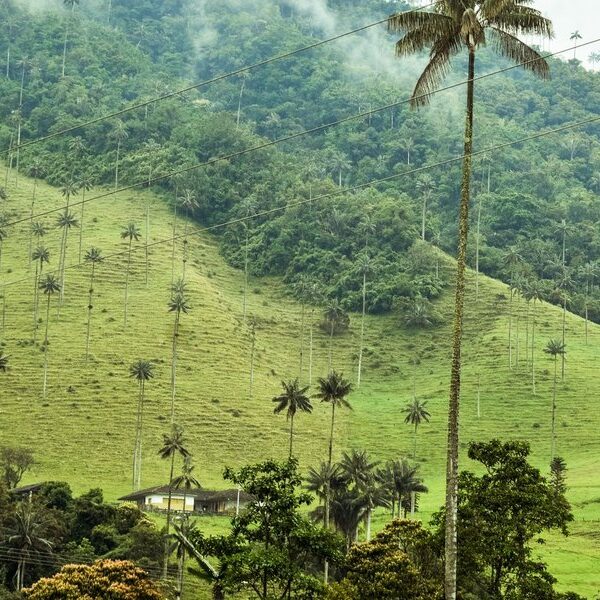
Volcanic ash is the reason the soil works. Eruptions over thousands of years left mineral-rich deposits across the highlands, and the country’s own history shows how big the effect can be. The Ilopango eruption, around 430 CE, buried much of central El Salvador in thick pale ash called tierra blanca, and the region was farmed again after it weathered.
Roughly a third of the country is arable, and most of the rest is pasture, forest or built-up land. The CIA’s World Factbook gives the baseline geography: a small, mountainous country with a narrow Pacific coastal plain.
What grows where follows elevation:
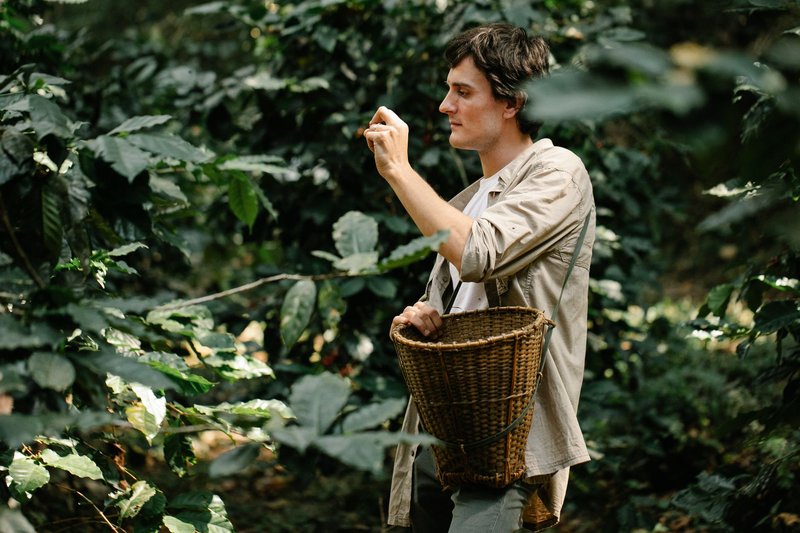
- Highlands: shade-grown coffee, mostly Bourbon and its descendants. Coffee has been the signature export for well over a century.
- Coastal plain: sugarcane, cotton in places, and cattle pasture.
- Everywhere: maize and beans, the staples of Salvadoran households.
The soil is the resource, but it’s also the weak point. Steep slopes and heavy tropical rain strip topsoil fast once the tree cover is gone.
Water and hydropower
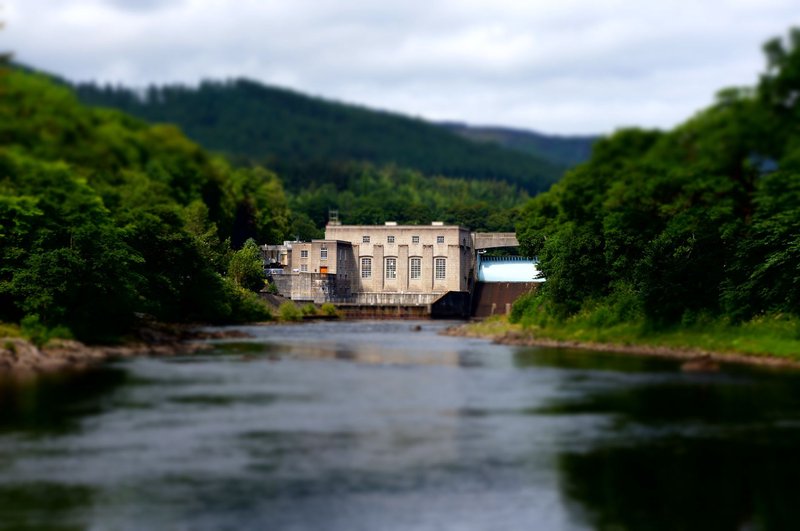
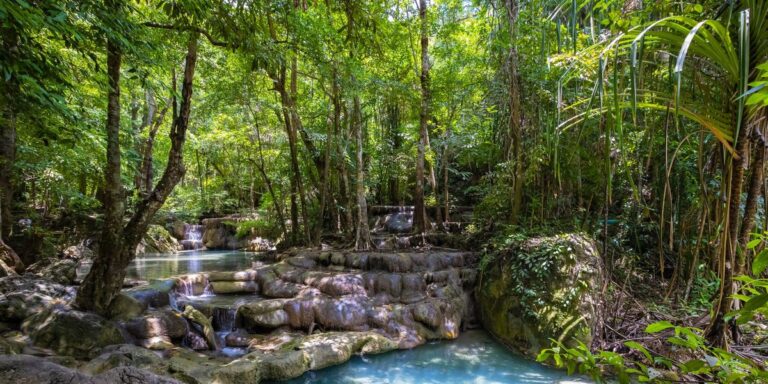
The Lempa River is the country’s backbone. It starts in Guatemala, crosses Honduras, and enters El Salvador before reaching the Pacific. It’s the longest river in the country, and its basin covers a large share of national territory.
Four dams on the Lempa and its tributaries make up the main hydroelectric system: Guajoyo, Cerrón Grande, 5 de Noviembre and 15 de Septiembre. Cerrón Grande is the biggest reservoir in the country. Together the dams have around 470 MW of capacity. Combined with geothermal, hydro puts close to half of Salvadoran electricity on renewable sources, with the exact split shifting by rainfall.
Water is also the country’s tightest constraint. El Salvador is small and densely populated, and it has fewer water resources per person than most of its neighbors. Surface water is badly polluted, as covered below.
Forests
Very little original forest is left. Most remaining tree cover is secondary forest, shade trees on coffee farms, and mangrove stands along the coast. Global Forest Watch publishes current satellite-based tree cover and loss data for the country.
The most unusual forest product is balsam. The stretch of coast called the Costa del Bálsamo, in La Libertad, produces the resin known as balsam of Peru. It’s mislabeled: it comes from El Salvador, and the name comes from the old colonial shipping route through Peru. It’s used in perfumes, medicines and food flavoring.
Mangroves in Jiquilisco Bay, Barra de Santiago and the Gulf of Fonseca matter more than their size suggests. They nurse young fish and shrimp and take the edge off storm surges.
Fisheries
El Salvador’s catch comes from the Pacific. Most of it is artisanal: small boats working the coast and the mangrove estuaries for snapper, shrimp, and other fish and shellfish. Industrial boats target tuna. There’s no Caribbean coast, so the Pacific is the whole fishery.
Fisheries feed the domestic market first. They’re a small share of the economy, and they depend on mangroves staying intact.
Minerals and the gold dispute
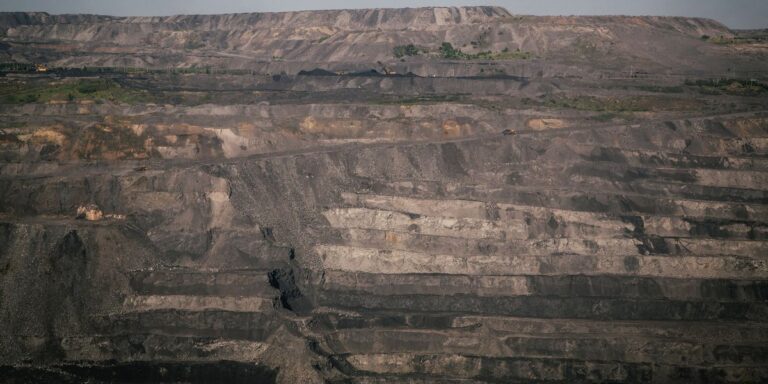
Solid minerals are the least developed resource, and the most contested. Limestone in the north supports cement production around Metapán. Clay, sand, gravel and volcanic rock like pumice supply the construction industry. Metals are a different story.
In 2017 El Salvador became the first country to ban all metal mining. The Catholic Church, universities and environmental groups led the push, and cyanide pollution of the Lempa watershed was the main fear. The ban followed a long fight with a mining company, Pacific Rim, which sued the government under a trade treaty after being denied a permit. An international tribunal dismissed the case in 2016.
In late December 2024 the Legislative Assembly repealed the ban. Mongabay reported that activists immediately promised to fight the decision. The government has cited about 50 million ounces of gold in the ground. That estimate is disputed, and independent surveys haven’t confirmed it. Until a mine opens, it’s a claim, not a resource.
Some older sources name gold and iron as current exports. They aren’t. Historically the country has had little mineral wealth compared with neighboring Honduras, and what exists has barely been mined at industrial scale.
Environmental pressures
The same resources are under strain.
- Water contamination: widely cited estimates from Salvadoran officials and UN agencies put most surface water as polluted, mainly by untreated sewage, agrochemicals and industrial waste. The Lempa is the main source of drinking water for the capital region, which raises the stakes for any mining.
- Deforestation and erosion: the country has lost most of its original forest. Steep farmland loses soil to rain, and silt fills the Lempa reservoirs.
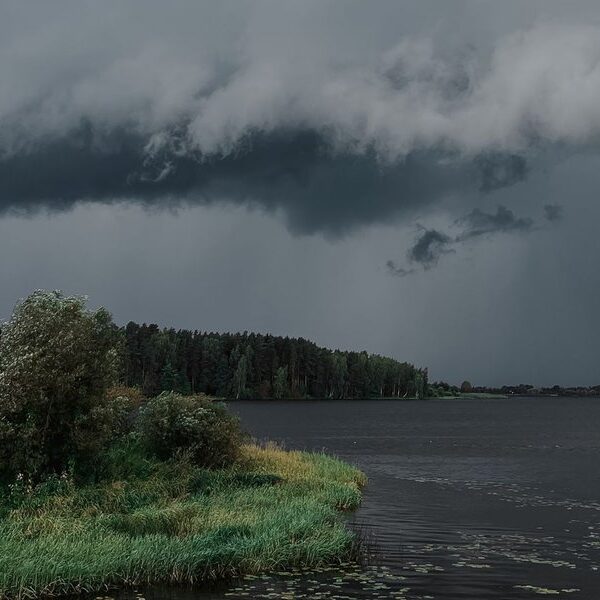
- Climate exposure: El Salvador sits in the Central American Dry Corridor. Drought years cut hydropower and crop yields together, and heavy storms cause landslides.
- Mining: the repeal reopens the risk of metal and cyanide contamination in a country with limited clean water.
FAQ
What is El Salvador’s most important natural resource?
Volcanic farmland has historically been the most important, because coffee and sugarcane built the economy. Today geothermal energy and hydropower matter most for electricity, and the Lempa River matters most for water.
How much of El Salvador’s electricity is geothermal?
About 21–22%, from roughly 204 MW across the Ahuachapán and Berlín fields, run by LaGeo.
Does El Salvador have gold?
The government says it has about 50 million ounces. Independent confirmation is missing, and no large mine is operating. The 2017 mining ban was repealed in December 2024.
Does El Salvador have oil?
No. It has no commercial oil or gas production and imports fuel.
Why is El Salvador’s soil so fertile?
Repeated volcanic eruptions deposited ash and mineral-rich material across the highlands. That ash weathers into soil that holds nutrients well, which is why coffee does so well at elevation.