Potassium nitrate (KNO3) has no single “benefit.” It does four unrelated jobs: it feeds plants, blocks tooth sensitivity, preserves cured meat, and, as a source of dietary nitrate, it is being studied for blood pressure. Which benefit applies depends entirely on where the compound is used and in what form.
Contents
- What potassium nitrate is
- Benefits for plants
- Benefits for sensitive teeth
- Benefits in cured food
- Blood pressure and health research
- Safety and risks
- Uses compared
- Summary
What potassium nitrate is
KNO3 is a white crystalline salt made of potassium and nitrate ions. It dissolves readily in water, which is why it works as a fertilizer, and it’s an oxidizer, which is why it’s also the main ingredient in black powder. The PubChem entry for potassium nitrate lists its properties and hazard classification.
Grade matters. Fertilizer-grade, food-grade, and pharmaceutical-grade KNO3 are produced to different purity standards. Don’t swap one for another: the garden bag is not for eating, and the food-grade curing salt is not priced or packaged for the greenhouse.
Benefits for plants
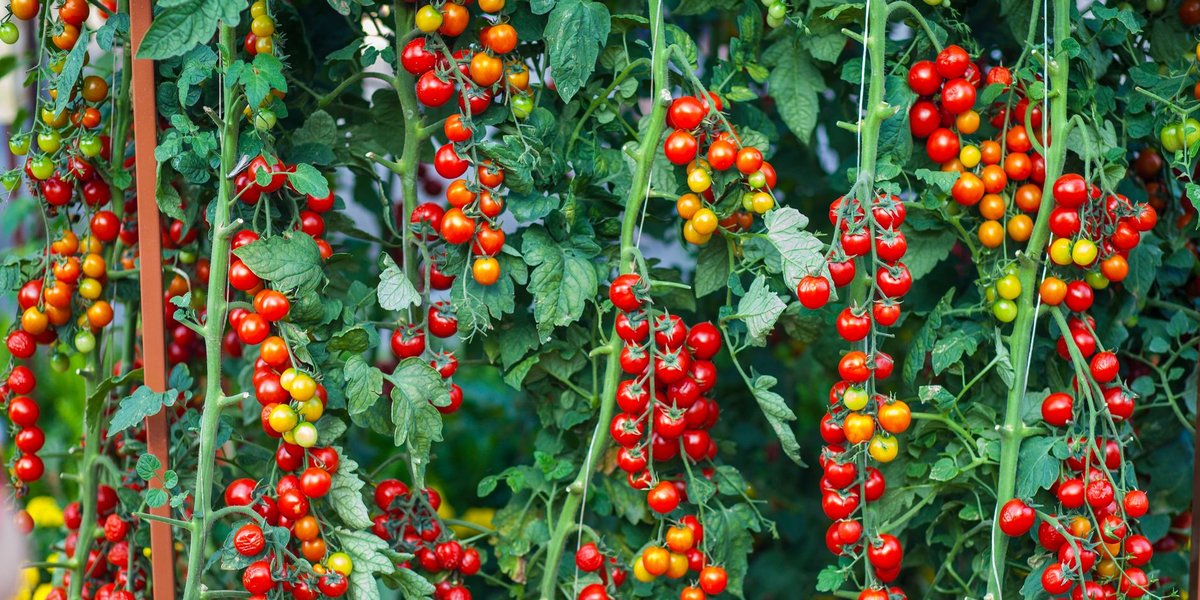
Gardening is the largest use, and the one most searchers want. The reason is the nutrient ratio. Fertilizer-grade potassium nitrate is rated 13-0-46: 13% nitrogen, no phosphorus, and 46% potassium (as K2O). That’s a potassium-heavy, nitrogen-light profile, and it has no chloride.
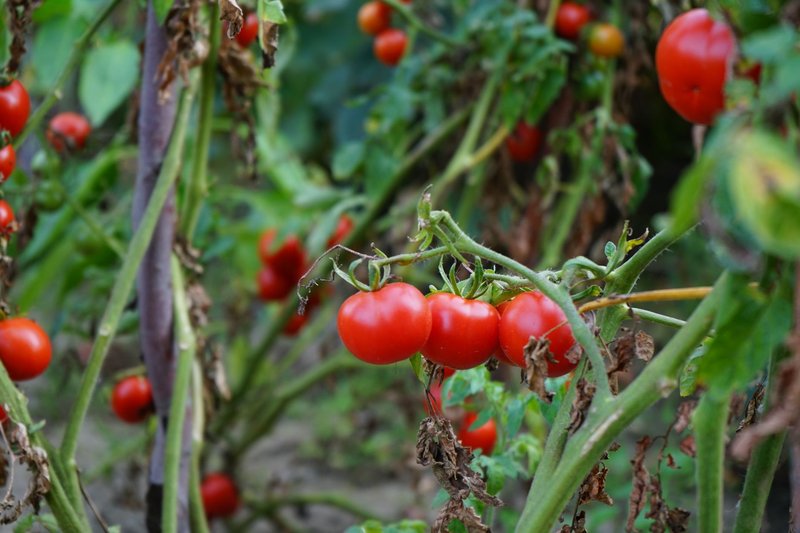
Chloride-free potassium. Potassium chloride (muriate of potash) is the cheaper potassium source, but chloride stresses sensitive crops such as strawberries, peppers, tomatoes, and many fruit trees. KNO3 supplies potassium without it.
Fruit quality. Potassium drives sugar movement into fruit and helps regulate water use. Growers apply it during fruit set and ripening to improve size, color, and sugar content. Tomato blossom-end problems and uneven ripening are often tied to potassium imbalance.
Drought and stress tolerance. Potassium controls the opening and closing of stomata, the leaf pores that govern water loss. Well-supplied plants lose less water under heat and dry spells.
Fast uptake. Nitrate is the form of nitrogen plants absorb directly. There’s no conversion step in the soil, so the response is quick, and the nitrate also helps the plant take up potassium and other cations.
How to apply it
- Foliar spray: a 1-2% solution (10-20 g per litre of water), sprayed in the cool of the morning or evening. Stronger mixes can scorch leaves.
- Fertigation: dissolved into irrigation water at roughly 0.5-1 g per litre for container plants and drip systems, adjusted to the crop and a soil test.
- Soil application: a light side-dressing worked into the soil and watered in, kept away from stems.
Start low. For home gardeners the usual failure isn’t too little KNO3, it’s salt burn from too much. A soil test beats guessing.
KNO3 versus potassium sulfate: sulfate gives potassium plus sulfur at lower nitrogen. Choose nitrate when the crop also benefits from nitrate nitrogen, and sulfate when it doesn’t need the extra nitrogen.
Benefits for sensitive teeth
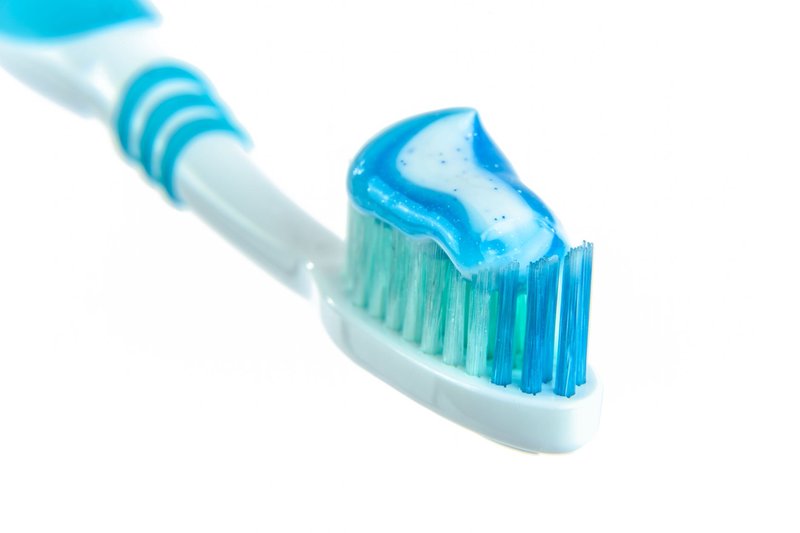
Many desensitizing toothpastes contain potassium nitrate, typically at about 5%. Dentin sensitivity happens when exposed dentinal tubules let hot, cold, or sweet stimuli reach the nerve inside the tooth. The potassium ions are thought to settle on the nerve and make it less likely to fire.
This is the best-established health use. Controlled trials show reduced sensitivity, but the effect is not instant. Expect two to four weeks of twice-daily brushing before you notice a difference, and brush gently, because the cause is often worn enamel or receding gums. If pain persists, see a dentist, since sensitivity can also signal decay or a cracked tooth.
Benefits in cured food
Potassium nitrate was the original curing salt, known as saltpeter. In cured meats, bacteria convert nitrate to nitrite, and nitrite does the work. It gives ham, bacon, and salami their pink color and cured flavor, and it inhibits Clostridium botulinum, the bacterium behind botulism.
Modern producers mostly use sodium nitrite directly, since it is more predictable. Nitrate is still used in long-aged products like dry-cured ham and salami, where it releases nitrite slowly over weeks. In the EU it is labeled E252, and its use is capped by regulation. The USDA Food Safety and Inspection Service sets limits for curing agents in meat sold in the United States.
Home curing calls for measured doses by weight. Never eyeball it.
Blood pressure and health research
Nitrate from food, mainly leafy greens and beetroot, is converted in the body to nitrite and then nitric oxide, a molecule that relaxes blood vessels. Small trials of nitrate supplementation, usually from beetroot juice, show average drops in blood pressure of a few mmHg. That’s modest but measurable. For background on managing the condition, see the NHS guidance on high blood pressure.
Two cautions. First, this research mostly uses vegetable nitrate, not potassium nitrate tablets. Second, longevity findings, including a mouse study on nitrate and lifespan, are early-stage and don’t translate directly to people. Don’t take KNO3 as a supplement on this evidence.
Safety and risks
- Ingesting concentrated KNO3 is dangerous. Large amounts can cause methemoglobinemia, where blood carries less oxygen, plus stomach irritation and kidney strain. Keep fertilizer and curing salts away from children and pets.
- Oxidizer. KNO3 intensifies fire. Store it away from fuels, sulfur, and powdered metals, in a dry sealed container.
- Environmental runoff. Excess nitrate leaches into groundwater and waterways. Apply only what the crop needs.
- Toothpaste is safe as directed. Spit, don’t swallow, and don’t give desensitizing toothpaste to young children without advice.
- Cured meats. Nitrites can form nitrosamines at high heat, so moderate intake of heavily cured, charred meats.
Uses compared
| Use | Main benefit | How it works | Evidence level |
|---|---|---|---|
| Fertilizer | Potassium and nitrate nitrogen without chloride | Direct plant uptake | Well established |
| Toothpaste | Less tooth sensitivity | Calms the tooth nerve | Well established |
| Curing | Preservation, color, flavor | Converted to nitrite | Well established |
| Dietary nitrate | Possible lower blood pressure | Converted to nitric oxide | Early-stage |
Summary
The benefits of potassium nitrate are real but separate. For plants, it is a chloride-free source of potassium and nitrate nitrogen (13-0-46) that supports fruit quality and stress tolerance, if you dose carefully. For teeth, a 5% formula reduces sensitivity over a few weeks. In food, it is a curing agent with a long track record. The blood pressure and longevity work is promising and unproven. Use the right grade for the job, keep doses low, and never treat fertilizer as a supplement.