A species is non-native if people moved it somewhere it didn’t evolve. It’s invasive when it then spreads on its own and causes ecological or economic harm. Most non-native species never do. Wheat, honeybees in the Americas and tomatoes in Italy are all introduced, and none of them are taking over.
The 25 species below are the ones that did. They’re grouped by type, and each entry follows the same pattern: where it comes from, where it invaded, how it got there, and what it broke. A comparison table follows the list if you just need the data, and a short section at the end explains how invasions happen. The U.S. Fish & Wildlife Service uses the same two-part test: non-native, plus harmful.
Table of Contents
- Mammals
- Birds
- Reptiles and amphibians
- Fish
- Insects and other invertebrates
- Plants
- Pathogens
- Invasive species comparison table
- How invasive species spread
- What you can do
Mammals
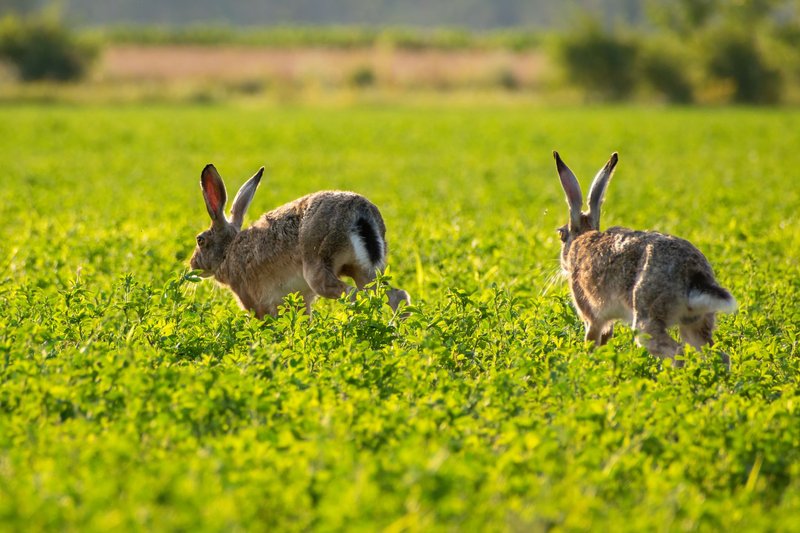
1. European rabbit. Native to Spain, Portugal and southern France. It invaded Australia after a landowner named Thomas Austin released 24 rabbits in Victoria in 1859 so he’d have something to hunt. Within about 50 years they had spread across most of the continent, one of the fastest mammal colonizations ever recorded. They strip vegetation, cause soil erosion, and compete with native marsupials such as the bilby for burrows and food. Myxomatosis, released deliberately in 1950, killed most of them at first, but resistant rabbits rebuilt the population.
2. Nutria. A large semi-aquatic rodent from South America, brought to the United States in 1889 for fur farming. Escaped and released animals took hold in Louisiana and Maryland, among other states. Nutria eat the roots of marsh plants, which leaves wetlands as open mud that erodes into water. In coastal Louisiana that loss compounds an already shrinking shoreline.
3. Small Indian mongoose. Native to South Asia. Sugar planters released it in Hawaii in 1883 to kill rats in the cane fields. It didn’t work: rats are active at night and mongooses hunt by day. The mongooses ate the eggs and chicks of ground-nesting native birds and sea turtle nests instead. The same story played out on Caribbean and Pacific islands.
4. Common brushtail possum. In Australia it’s a protected native. In New Zealand it’s a pest. Settlers brought it from Australia in 1837 to start a fur trade, and with no native mammal predators and a forest that evolved without browsing mammals, its numbers reached tens of millions. Possums strip canopy trees such as rata, eat the eggs of native birds, and carry bovine tuberculosis to cattle herds.
Birds
5. European starling. Native to Europe and western Asia. About 100 birds were released in New York’s Central Park in 1890 and 1891 by a group that wanted North America to have every bird Shakespeare mentioned. Starlings now range from Alaska to Mexico. They take over nest cavities from bluebirds, flickers and other native cavity nesters, and large winter flocks damage crops and feedlots.
6. Common myna. A South Asian bird released in Melbourne in the 1860s to control insects in market gardens. It’s aggressive, nests in tree hollows that native parrots and gliders need, and has spread through eastern Australia, South Africa, Hawaii and many islands. The IUCN lists it among the world’s 100 worst invasive species.
Reptiles and amphibians
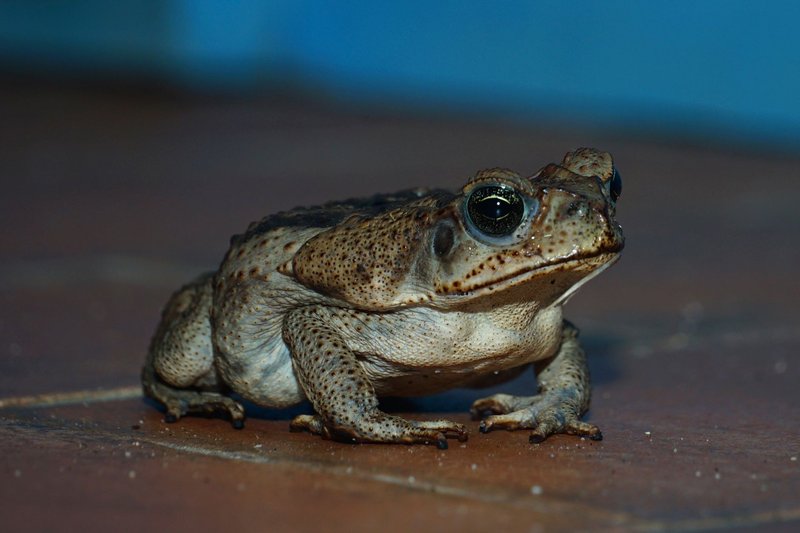
7. Cane toad. Native to Central and South America. Queensland sugar growers imported 102 toads from Hawaii in 1935 to eat cane beetles. The toads ignored the beetles, bred in huge numbers, and now number in the millions as they advance west across northern Australia. Their skin glands produce bufotoxin, and predators that eat them, including goannas, quolls and freshwater crocodiles, die in large numbers.
8. Brown treesnake. Native to northern Australia, Papua New Guinea and the Solomon Islands. It reached Guam around the end of World War II, most likely as a stowaway in military cargo. Guam had no native snake predators and no birds that evolved to avoid snakes. Within a few decades the brown treesnake had wiped out most of the island’s native forest birds, and its climbing on power lines still causes frequent outages. The U.S. Fish & Wildlife Service tracks it as one of its priority invasive species.
9. Burmese python. A giant constrictor from Southeast Asia. Pet owners released or lost enough of them in Florida that a breeding population has lived in the Everglades since at least the 1990s. A 2012 study in the Proceedings of the National Academy of Sciences found that raccoon and opossum sightings in the park’s python-heavy areas had dropped by more than 98 percent compared with earlier surveys.
10. American bullfrog. Native to eastern North America, which is the part people forget. It was moved west of the Rockies, and into Europe, Asia and South America, for frog-leg farming. Bullfrogs eat almost anything that fits in their mouths, including native frogs, and they carry the chytrid fungus (entry 25) without getting sick from it.
Fish
11. Nile perch. A predatory fish up to 6 feet long, native to the Nile and other African rivers. It was introduced to Lake Victoria in the 1950s to build a commercial fishery. The fishery worked. The lake’s hundreds of endemic cichlid species mostly didn’t survive, and many are extinct. It’s often cited as one of the largest vertebrate extinction events caused by a single introduction.
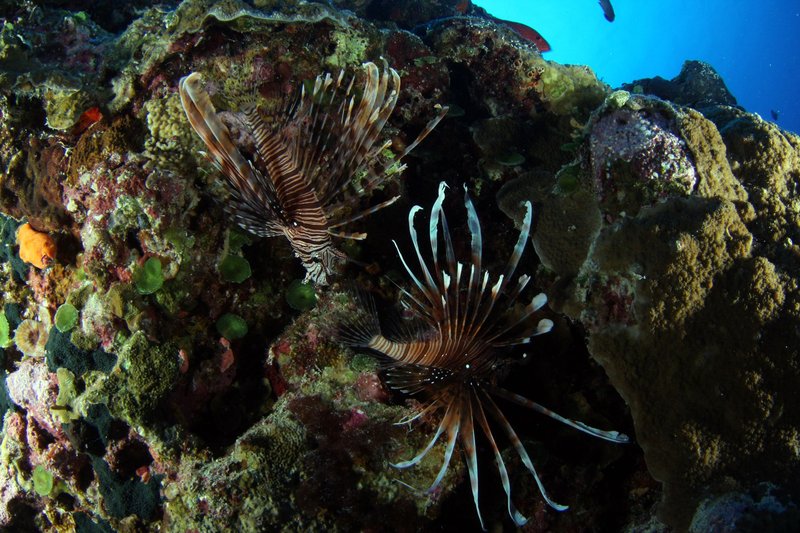
12. Red lionfish. Native to the Indo-Pacific. Lionfish started appearing off Florida in the 1980s, probably from aquarium releases, and are now established across the Caribbean, the Gulf of Mexico and the U.S. Atlantic coast. Venomous spines deter most predators, and a lionfish can swallow fish more than half its own length. In a Bahamas experiment, reefs with lionfish lost about 79 percent of their juvenile native fish in five weeks.
13. Silver and bighead carp (“Asian carp”). Native to China. Fish farmers in the southern United States imported them in the 1970s to clean aquaculture ponds and sewage lagoons, and floods in the 1990s washed them into the Mississippi River. They eat plankton, which starves native filter feeders, and silver carp launch themselves out of the water when boats pass. Barriers now try to keep them out of the Great Lakes.
14. Sea lamprey. A parasitic jawless fish native to the North Atlantic. It entered the upper Great Lakes through the Welland Canal, which bypassed Niagara Falls, and was established in Lake Erie by the 1920s. A single lamprey can kill up to 40 pounds of fish in its life, and lake trout populations collapsed. Chemical control in streams now keeps the lakes’ lamprey numbers well below their peak.
Insects and other invertebrates
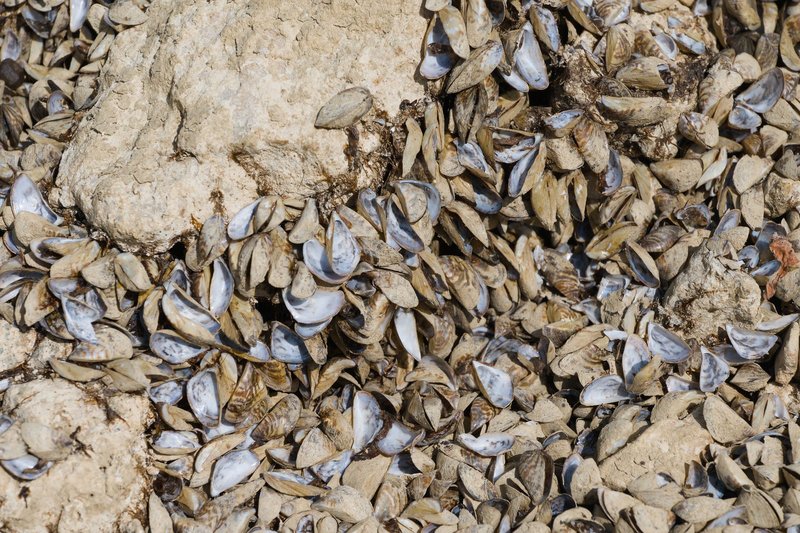
15. Zebra mussel. A freshwater mollusk native to the Black and Caspian Sea region. It was first found in the Great Lakes in Lake St. Clair in 1988, almost certainly carried in a freighter’s ballast water. Zebra mussels attach to hard surfaces in dense layers, clog water-intake pipes at power plants and municipal water systems, and filter so much plankton that they clear whole lakes and starve native fish larvae. Overland boat trailers have carried them to lakes across the continent.
16. Emerald ash borer. A metallic-green beetle from northeast Asia, first identified in Michigan in 2002, probably after arriving in wooden shipping material. Its larvae feed under the bark and cut off the tree’s water supply. It has killed hundreds of millions of ash trees across North America, and it’s still spreading.
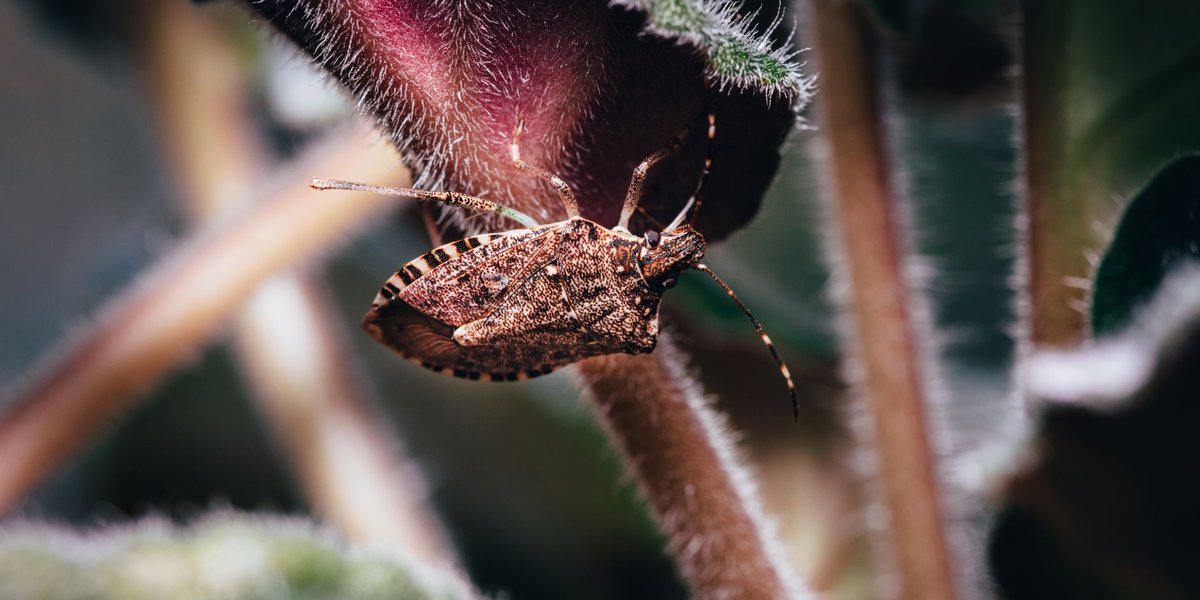
17. Spotted lanternfly. Native to China. First detected in the U.S. in Berks County, Pennsylvania in 2014, it lays eggs on any flat surface, including vehicles, trains and outdoor furniture, which is how it moves long distances. It feeds on grapevines, fruit trees and the equally invasive tree of heaven, and its sticky excrement grows black mold.
18. Argentine ant. Native to the Paraná River basin in South America. It reached New Orleans in the 1890s, most likely in coffee shipments, and now lives on six continents. In California, colonies are linked into one supercolony along the coast that doesn’t fight with itself, which lets it overwhelm native ants. Fewer native harvester ants means fewer meals for the coast horned lizard.
19. European green crab. A shore crab from Europe and North Africa. It arrived on the U.S. East Coast in the early 1800s and in San Francisco Bay in 1989. It eats soft-shell clams, oysters and young crabs, and its burrowing tears up eelgrass beds that shelter juvenile fish.
Plants
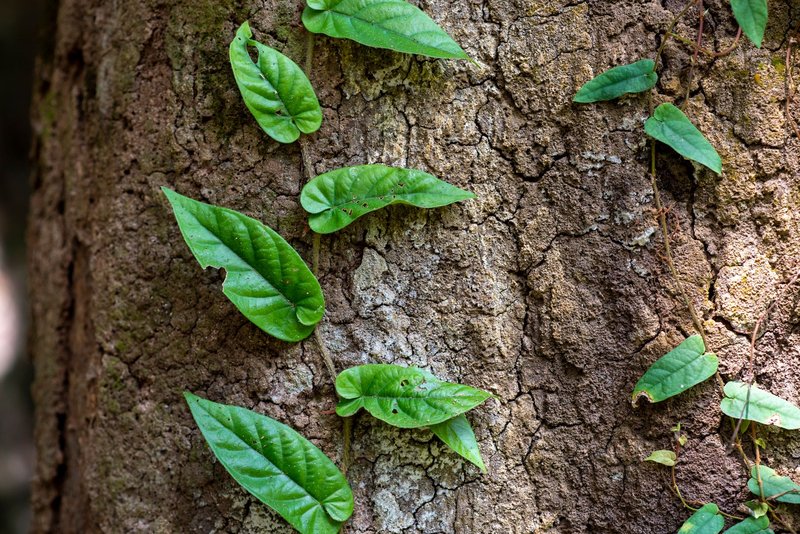
20. Kudzu. A climbing vine from Japan and China, introduced to the U.S. at the 1876 Centennial Exposition in Philadelphia as an ornamental. In the 1930s and 40s, government programs paid farmers to plant it to hold eroding soil. In summer it can grow up to a foot a day and smothers trees under a green blanket. It spreads across the Southeast and keeps moving north.
21. Water hyacinth. A floating plant from the Amazon basin that people carried around the world as a pond ornament. It can double its coverage in about two weeks in warm, nutrient-rich water. Mats block sunlight and oxygen, stop boat traffic, and breed mosquitoes. It choked Lake Victoria’s shores in the late 1990s and remains a problem in tropical waterways in Africa, Asia and the southern U.S.
22. Japanese knotweed. Native to East Asia. The German physician Philipp von Siebold brought it to Europe around 1850 as an ornamental. It grows from tiny root fragments, pushes through tarmac and cracks foundations, and in the UK it can complicate a home sale or mortgage. Nearly every plant in Britain is a clone of one female plant, so it spreads by cutting and dumped soil rather than by seed.
23. Cheatgrass. An annual grass from Eurasia that arrived in the western U.S. in contaminated grain in the late 1800s. It dries out by early summer, weeks before native grasses, and turns rangeland into fine fuel. Fires then burn more often, native sagebrush dies, and cheatgrass takes the open ground. That cycle is a major threat to sage-grouse habitat.
24. Purple loosestrife. A wetland plant from Europe and Asia that arrived in North America in the 1800s, both as an ornamental and in ship ballast. A single plant can produce around 2.7 million seeds a year. Dense stands crowd out cattails and sedges, the plants that waterfowl and amphibians rely on for food and cover.
Pathogens
25. Chytrid fungus (Batrachochytrium dendrobatidis). Native to Asia, probably Korea. Trade in amphibians, particularly African clawed frogs and bullfrogs, spread it worldwide. It infects the skin that amphibians breathe and drink through. A 2019 analysis in Science linked the fungus to the decline of at least 500 amphibian species, including 90 presumed extinct, which makes it the worst invasive disease documented in vertebrates.
Invasive species comparison table
| Species | Native range | Invaded region | Main pathway | Main impact |
|---|---|---|---|---|
| European rabbit | Iberia | Australia | Deliberate release (hunting) | Grazing, erosion |
| Nutria | South America | U.S., Europe | Fur farming | Marsh loss |
| Small Indian mongoose | South Asia | Hawaii, Caribbean | Pest control | Bird and turtle predation |
| Brushtail possum | Australia | New Zealand | Fur trade | Forest damage, bovine TB |
| European starling | Europe | North America | Deliberate release | Displaces native birds |
| Common myna | South Asia | Australia, S. Africa | Pest control | Displaces hollow nesters |
| Cane toad | Americas | Australia | Pest control | Toxic to predators |
| Brown treesnake | Australia, Melanesia | Guam | Cargo stowaway | Bird extinctions |
| Burmese python | Southeast Asia | Florida | Pet trade | Mammal declines |
| American bullfrog | Eastern N. America | Western N. America, Europe, Asia | Food farming | Predation, spreads chytrid |
| Nile perch | Africa | Lake Victoria | Fishery stocking | Cichlid extinctions |
| Red lionfish | Indo-Pacific | Atlantic, Caribbean | Aquarium release | Reef fish loss |
| Silver and bighead carp | China | Mississippi basin | Aquaculture escape | Plankton depletion |
| Sea lamprey | North Atlantic | Great Lakes | Canal | Lake trout collapse |
| Zebra mussel | Black and Caspian Seas | Great Lakes, U.S. | Ballast water | Clogged pipes, food web |
| Emerald ash borer | NE Asia | North America | Wood packing | Ash tree death |
| Spotted lanternfly | China | Eastern U.S. | Hitchhiking egg masses | Crop damage |
| Argentine ant | South America | Worldwide | Cargo | Displaces native ants |
| European green crab | Europe, N. Africa | North America | Ships | Shellfish, eelgrass loss |
| Kudzu | East Asia | Southeastern U.S. | Ornamental, erosion control | Smothers trees |
| Water hyacinth | Amazon basin | Tropics worldwide | Ornamental | Blocks waterways |
| Japanese knotweed | East Asia | Europe, N. America | Ornamental | Damages structures |
| Cheatgrass | Eurasia | Western U.S. | Contaminated grain | Wildfire cycle |
| Purple loosestrife | Eurasia | North America | Ornamental, ballast | Wetland takeover |
| Chytrid fungus | Asia | Worldwide | Amphibian trade | Amphibian extinctions |
How invasive species spread
Look at the pathway column and a pattern shows up. People moved nearly all of these species on purpose or by accident, and the purposeful ones outnumber what most people expect.
- Deliberate releases. Hunting, fur, pest control and “making a place feel like home” account for the rabbit, starling, mongoose and cane toad.
- Gardening and the pet trade. Kudzu, water hyacinth, knotweed, loosestrife, lionfish and pythons all came from people who wanted something to look at.
- Shipping. Ballast water carries mussels, crabs and fish larvae between ports, and cargo carries ants, snakes and beetles. National Geographic covers how global trade turned this into a constant flow.
- Canals and connections. The Welland Canal opened the Great Lakes to the sea lamprey.
An invader needs three things to win. It arrives with none of its native predators or parasites. It meets prey that never evolved defenses against it. And it can breed fast enough to outrun the response, which is why islands, with their isolated and defenseless species, suffer first.
What you can do
Most of the action is small and local.
- Don’t release pets or aquarium fish. Not into ponds, not into storm drains. Contact a shelter, a pet store or a local wildlife agency instead.
- Plant native species. Check an invasive-plant list for your region before buying ornamentals, since many sold at garden centers are on one.
- Clean, drain and dry boats and gear between lakes. It’s the single most effective way to stop zebra mussels and aquatic plants.
- Don’t move firewood. Buy it where you burn it. Emerald ash borer and other wood-borers travel in logs.
- Report sightings to your state or national invasive-species agency. Early detection is the difference between removing 20 plants and fighting 20 million.