Climatology gets lumped in with meteorology so often that most people can’t tell you where one ends and the other begins. Meteorologists tell you if it’ll rain Tuesday. Climatologists tell you why the Sahara used to be green, why Phoenix keeps setting record highs, and why a wet winter in California sometimes means a drought two years later. Same atmosphere, completely different question.
That question — what does the climate system do over years, decades, and millennia, and why — splits into more subfields than most people realize. Some study ice cores. Some study crop yields. Some study how a city’s asphalt changes its own weather. This is a map of the field: the foundational concepts, the branches that make up the discipline, and where the current headline topics like El Niño and climate change fit into the bigger picture.
Table of Contents
- Weather vs. Climate: The Distinction Everything Else Builds On
- Earth’s Energy Balance and Atmospheric Circulation
- The Branches of Climatology
- El Niño, La Niña, and the Greenhouse Effect
- The Tools Climatologists Actually Use
- Careers in Climatology
- The Short Version
Weather vs. Climate: The Distinction Everything Else Builds On {#weather-vs-climate}
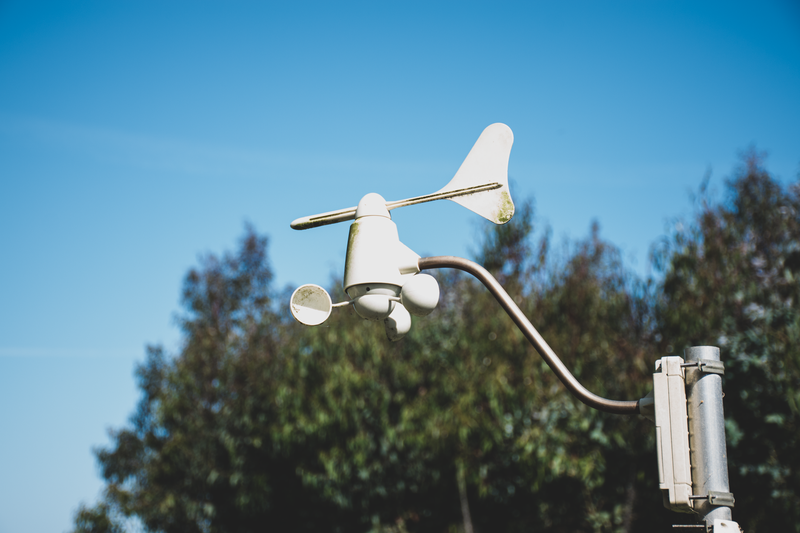
Weather is what’s happening right now, or what will happen in the next ten days — a cold front, a thunderstorm, a heat wave. Climate is the statistical pattern behind all of it, usually measured over a 30-year baseline. A single scorching July doesn’t tell you anything about climate. Thirty Julys that trend hotter does.
The line matters because it’s the source of most bad-faith arguments about climate change. A snowstorm in April isn’t evidence against a warming trend any more than one cold plate of soup disproves that the oven is on. Climatologists work in the pattern, not the plate.
This distinction is also why climatology leans so heavily on long records. A meteorologist needs today’s satellite pass. A climatologist needs a century of temperature logs, and ideally longer — which is exactly what the next few branches are built to supply.
Earth’s Energy Balance and Atmospheric Circulation {#energy-balance}
Everything in climatology traces back to one accounting problem: how much energy arrives from the sun, how much leaves as reflected light and radiated heat, and where the surplus goes in between. When incoming and outgoing energy match, the planet’s average temperature holds steady. When they don’t, it climbs or falls. That’s the entire mechanism behind global warming, reduced to one sentence — the hard part is tracking where the surplus energy is stored and how it moves.
Most of it moves through three circulation systems: the Hadley, Ferrel, and Polar cells, which carry heat from the tropics toward the poles and set up the prevailing wind belts you learned about in school without realizing why they existed. Ocean currents do the same job more slowly, which is why a Gulf Stream slowdown shows up in climate forecasts and not weather forecasts. NASA’s Earth’s energy budget data is the clearest public look at how this balance has shifted over the last several decades.
The Branches of Climatology {#branches}
Climatology isn’t one discipline so much as a set of lenses aimed at the same climate system. Here’s how the field actually divides up.
Physical (Dynamic) Climatology
The physics end of the field — atmospheric pressure systems, circulation patterns, radiation transfer, the math of how energy and moisture move through the air. This is the branch that produces the climate models you hear about in IPCC reports. It’s closer to atmospheric physics than to geography.
Synoptic Climatology
Synoptic climatology groups weather patterns into recurring types — a particular pressure configuration that tends to bring drought to the Midwest, say — and studies how often each type occurs and what drives the shift between them. It’s the bridge between day-to-day weather and long-term climate, which makes it useful for seasonal forecasting.
Paleoclimatology
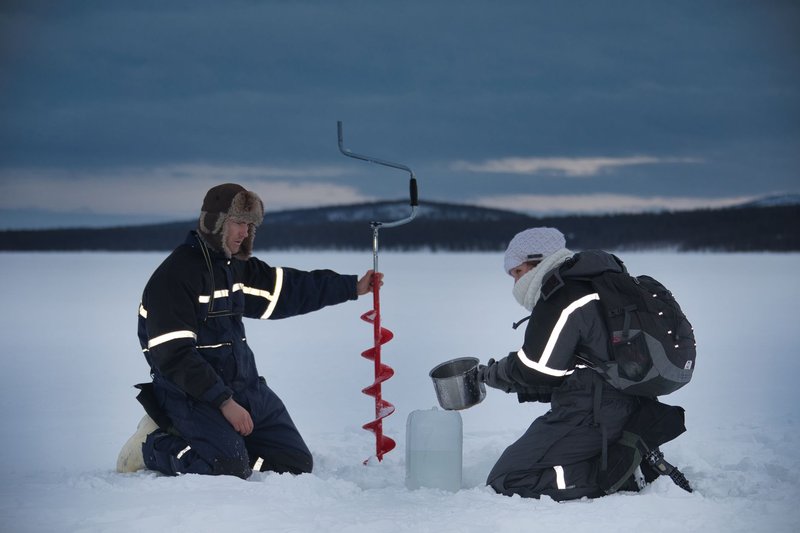
Paleoclimatology reconstructs climate from before instrumental records existed, using proxies: ice cores, tree rings, coral growth bands, ocean sediment layers, cave formations. An ice core pulled from Antarctica can hold trapped air bubbles from 800,000 years ago, giving researchers a direct sample of the ancient atmosphere rather than a guess. That’s how scientists know current CO2 levels are higher than anything in at least the last 800 millennia — not modeled, measured. The National Snow and Ice Data Center has a good breakdown of how ice cores actually preserve that record.
Historical Climatology
A close cousin of paleoclimatology, but working from human records instead of natural proxies — ship logs, harvest dates, tax records tied to flood years, diary entries about frost. It fills in the gap between the proxy record and modern instruments, especially useful for the last 500 to 1,000 years.
Applied Climatology
Applied climatology takes the science and points it at a decision: where to site a wind farm, how to design storm drainage for a 100-year flood, what building codes should assume about future heat waves. It’s the branch most likely to show up in an engineering report rather than a journal article.
Agroclimatology
Agroclimatology studies how climate variables — growing season length, frost dates, rainfall timing — determine what crops will actually survive in a given region, and how that’s shifting. It’s the reason wine regions are creeping north and why some seed companies now sell “climate zone” maps alongside planting guides.
Urban Climatology
Cities generate their own weather. Asphalt, concrete, and reduced vegetation create the urban heat island effect, where a city center can run 5–10°F warmer than surrounding rural land after sunset, since built surfaces release stored heat slower than soil does. Urban climatologists study this effect and how it interacts with heat waves, air quality, and building design.
Bioclimatology and Medical Climatology
Bioclimatology looks at how climate shapes where species live and how ecosystems function — the climate limits on a given tree line or coral reef range. Medical climatology, sometimes called human bioclimatology, narrows that lens to human health: how heat waves affect mortality, how humidity influences the spread of certain diseases, how seasonal light exposure affects conditions like seasonal affective disorder.
El Niño, La Niña, and the Greenhouse Effect {#el-nino-greenhouse}
These are the climatology terms that actually make the news, and they sit inside the branches above rather than beside them.
El Niño and La Niña are opposite phases of the same Pacific Ocean cycle — El Niño brings warmer-than-average surface water to the central and eastern Pacific, La Niña brings cooler water, and each phase reshapes rainfall and temperature patterns across much of the globe for months at a time. NOAA’s explainer walks through how the cycle forms and why it’s tracked so closely; it’s the subject of synoptic climatology as much as oceanography.
The greenhouse effect is the underlying mechanism, not a modern invention — certain gases, mainly CO2, methane, and water vapor, trap outgoing heat in the atmosphere, and without any of them Earth’s average surface temperature would sit well below freezing. The problem isn’t that the greenhouse effect exists; it’s that human emissions have thickened it faster than the climate system can equilibrate, which is the physical climatology case for modern climate change in one sentence. The IPCC’s assessment reports remain the most heavily reviewed public summary of that evidence.
The Tools Climatologists Actually Use {#tools}
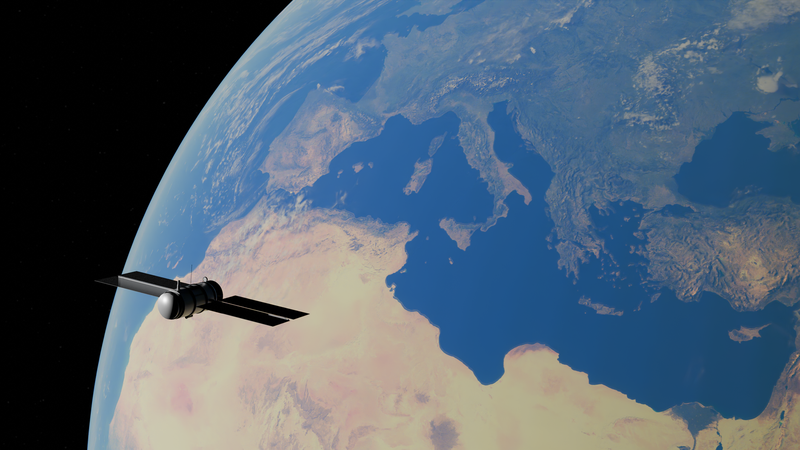
Modern climatology runs on data that didn’t exist a generation ago. Satellites measure sea surface temperature, ice extent, and atmospheric composition globally, every day, rather than at scattered weather stations. Ocean buoy networks like Argo track temperature and salinity down to 2,000 meters across the world’s oceans. Climate models — the same physical climatology work described above — run on supercomputers simulating decades of atmospheric and ocean interaction in days.
None of it replaces the proxy record from paleoclimatology, though. Models get validated against what actually happened in the deep past, which is why ice cores and tree rings still matter even in a satellite era.
Careers in Climatology {#careers}
Most professional climatologists hold at least a bachelor’s degree in atmospheric science, environmental science, or geography, with research and university positions typically requiring a master’s or Ph.D. Government agencies — NOAA, NASA, the National Weather Service — employ a significant share of them, alongside university research groups, environmental consulting firms, agricultural companies, and insurance and reinsurance firms that need climate risk modeling for underwriting. The U.S. Bureau of Labor Statistics tracks this field under “atmospheric scientists,” and demand has been climbing alongside the growing need for climate risk assessment in insurance, agriculture, and infrastructure planning.
It’s not just a lab job. Applied and agroclimatologists spend real time in the field — on farms, at construction sites, in city planning meetings — translating long-term data into decisions that have to hold up on a specific piece of land.
The Short Version {#short-version}
Climatology isn’t one field with one method — it’s physical scientists modeling atmospheric circulation, proxy researchers reading ice cores and tree rings, applied specialists sizing storm drains, and health researchers tracking heat mortality, all working the same underlying system from different angles. Weather vs. climate is the foundational distinction; Earth’s energy balance is the foundational mechanism; everything else, from El Niño forecasts to urban heat islands to paleoclimate reconstructions, is a branch built on top of those two ideas. Once you can place a headline in one of those branches, the noise around it gets a lot easier to read.