New York has more than skyscrapers underground. The state sits on top of some of the oldest rock in North America, and that geology produced a mineral roster most people never associate with the place: gem-quality garnets the size of basketballs, doubly-terminated quartz crystals that look cut by a jeweler, and minerals that glow neon under ultraviolet light. The state museum has cataloged hundreds of distinct mineral species occurring within New York’s borders.
This is the guide that bridges the gap. Museum fact sheets tell you what’s here but not where to dig. Rockhounding blogs tell you where to dig but skim the geology. Below you get both — the signature minerals, the counties they come from, and notes on actually collecting them.
Table of Contents
- New York’s Geology in Brief
- Quick Reference Table
- Garnet — the State Gemstone
- Herkimer “Diamonds”
- Wollastonite
- Tremolite and Hexagonite
- Fluorescent Minerals of Franklin and Balmat
- Where to Collect (and the Rules)
New York’s Geology in Brief {#geology}
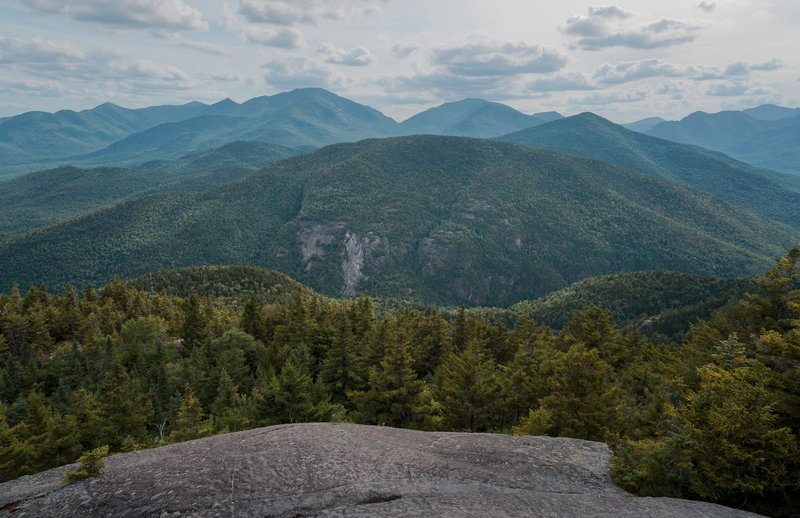
The mineral story of New York is really two stories. The Adirondack region in the northeast exposes Precambrian metamorphic and igneous rock — some over a billion years old — that was cooked deep in the crust and later lifted toward the surface. That heat and pressure is what grows large, well-formed crystals. Garnet, wollastonite, and the fluorescent minerals all come out of this old, hard country.
The second story is sedimentary. Across central New York, layers of dolostone and limestone laid down in ancient shallow seas created pockets where quartz could crystallize slowly inside cavities. That’s where the Herkimer diamonds form. Two completely different geological histories, one state, and a mineral list long enough to keep a collector busy for years. Minerals are only part of the picture, too — they sit alongside the broader natural resources found across New York State, from forests to fresh water, that the same geology helped shape.
The New York State Museum maintains the authoritative mineral exhibition for the state, and its collections trace directly back to these two regions.
Quick Reference Table {#table}
| Mineral | Region / County | Why it matters |
|---|---|---|
| Garnet (almandine) | Gore Mountain, Warren County | Official state gemstone; world’s largest garnet mine |
| Quartz (“Herkimer diamond”) | Herkimer & Montgomery Counties | Naturally double-terminated, gem-clear |
| Wollastonite | Willsboro, Essex County | NY is a leading global producer |
| Tremolite / Hexagonite | Balmat-Edwards district, St. Lawrence County | Pink-violet hexagonite is a NY signature |
| Fluorescent minerals | Balmat & Franklin areas | Glow vivid colors under UV light |
Garnet — the State Gemstone {#garnet}
New York made garnet its official state gemstone in 1969, and the reason sits at Gore Mountain in the Adirondacks. The Barton Mine there has been working garnet since 1878 — making it one of the longest continuously operating mineral mines in the country — and the garnets it produces are genuinely enormous. We’re talking individual crystals measured in feet, not millimeters, embedded in the dark host rock like burned-in coals.
These are almandine garnets, deep brownish-red, and the size comes from how slowly they crystallized in the surrounding amphibolite. Most aren’t gem-clear; the mine’s real value has always been industrial. Garnet is hard enough to be a first-rate abrasive, which is why Gore Mountain garnet ends up in sandpaper, waterjet cutters, and sandblasting grit rather than rings. The gem-quality material that does turn up is prized precisely because it’s rare in such a coarse deposit.
If you want to see them without industrial scale, the area around North River in Warren County is the classic collecting ground for hobbyists.
Herkimer “Diamonds” {#herkimer}
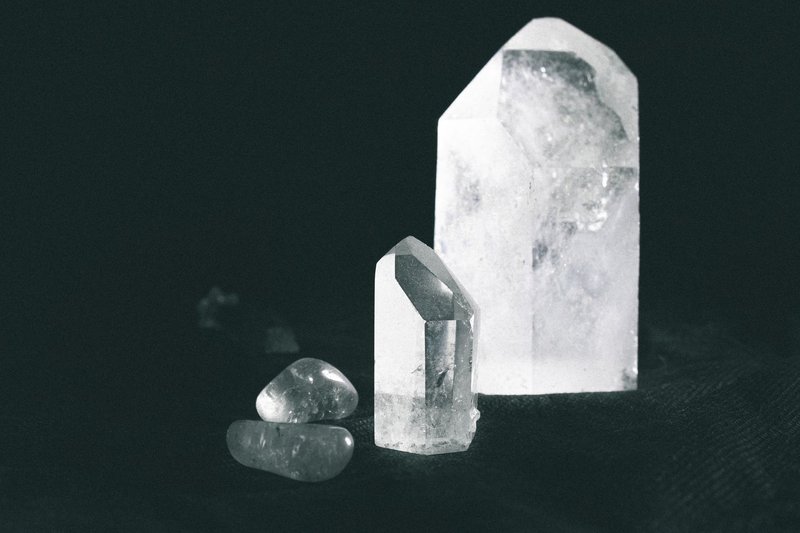
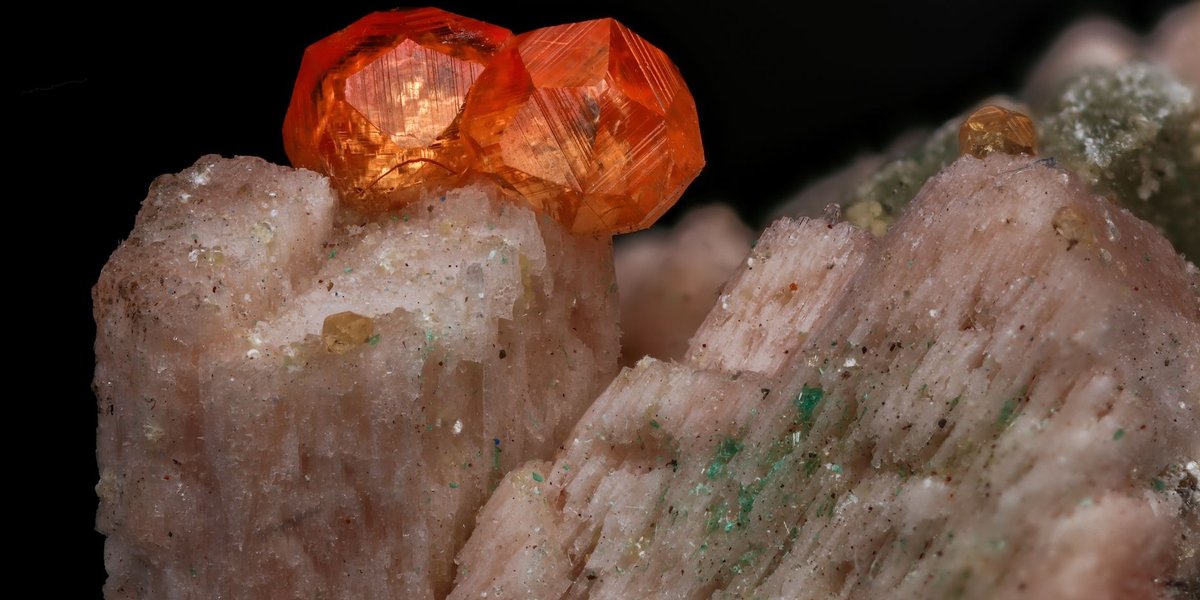
These aren’t diamonds. They’re quartz — but they earned the nickname honestly. Herkimer diamonds are doubly-terminated quartz crystals, meaning they grew with sharp natural points on both ends rather than one end anchored to host rock. They’re often glass-clear, hard (7 on the Mohs scale), and so faceted-looking that people assume they were polished. They weren’t.
The trick is in how they formed. About 500 million years ago, dolostone in the Mohawk River valley developed small cavities, and quartz crystallized freely inside those pockets with room to grow in all directions. That free-floating growth is why both ends terminate cleanly. You find them in a band running through Herkimer and Montgomery Counties, and unlike most serious mineral collecting, this one is genuinely beginner-friendly.
Pay-to-dig sites near the town of Herkimer let you crack open dolostone for a daily fee, and people regularly walk out with crystals they pulled themselves. Bring a hammer, safety glasses, and patience — the crystals hide inside hard rock, and the best ones come out of cavities you have to break into carefully.
Wollastonite {#wollastonite}
Wollastonite is the workhorse most collectors overlook, and New York happens to be one of the world’s leading sources of it. The deposits at Willsboro in Essex County, where limestone was metamorphosed against an igneous intrusion, produce a white-to-gray chain-silicate mineral that forms in bladed or fibrous masses.
It rarely makes a dramatic specimen, but it’s economically the most important mineral on this list. Wollastonite goes into ceramics, brake pads, plastics, and paint as a reinforcing and whitening agent. The Adirondack deposits are pure enough that they’ve supported commercial mining for decades. If you collect it, look for the clean white bladed crystals — and check it under UV, because Willsboro wollastonite often fluoresces.
Tremolite and Hexagonite {#tremolite}
The Balmat-Edwards mining district in St. Lawrence County is one of the great mineral localities of the eastern United States, and tremolite is its calling card. Tremolite is a calcium-magnesium amphibole that grows in long, slender crystals, usually white to gray.
The New York signature is its rare variety: hexagonite, a pink-to-violet manganese-bearing tremolite that’s closely associated with this district. The purple color comes from a trace of manganese, and good crystals are a genuine collector’s prize — this is a variety that geologists associate specifically with New York deposits. The same Balmat carbonate rocks that host the zinc ore here also produced an unusually rich suite of associated minerals, which is why old collectors talk about St. Lawrence County the way birders talk about a migration hotspot.
Fluorescent Minerals of Franklin and Balmat {#fluorescent}
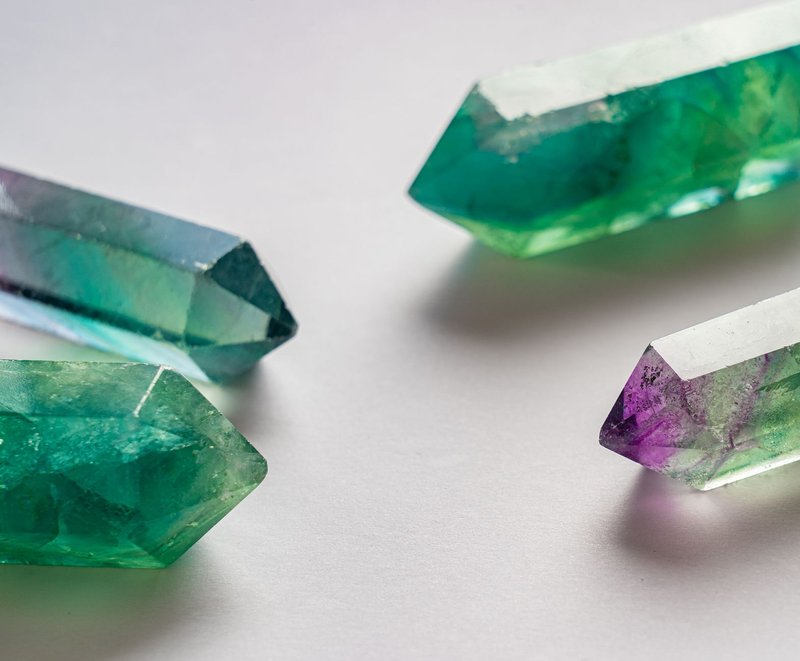
Turn off the lights, switch on a UV lamp, and parts of New York’s mineral collection come alive. Several deposits — particularly in the Balmat zinc district and the broader Adirondack carbonate belt — contain minerals that fluoresce in vivid colors under ultraviolet light.
The chemistry is specific: trace activators like manganese sitting inside minerals such as calcite, willemite, and certain forms of the local zinc ores absorb UV energy and re-emit it as visible glow — bright red, green, and orange. It’s the same phenomenon that made the famous Franklin deposits across the border in New Jersey legendary — those zinc ores are a centerpiece of the natural resources of New Jersey — and New York’s carbonate-hosted zinc ores share enough of that geochemistry to put on a similar show. A cheap shortwave UV flashlight turns an ordinary-looking gray chunk of Balmat rock into something that looks radioactive. It isn’t — it’s just fluorescence, one of the most accessible ways to get someone hooked on minerals.
Where to Collect (and the Rules) {#collecting}
The fun part comes with fine print. Most of New York’s best mineral ground falls into one of three buckets:
- Pay-to-dig sites. The Herkimer diamond mines near the town of Herkimer are the gold standard for beginners — pay a fee, dig legally, keep what you find. Low risk, high reward, no permits.
- Private mines and quarries. Active operations like the Barton garnet mine and the Balmat district are working sites. You can’t just show up. Some run organized tours or open-house collecting days; otherwise it’s trespassing.
- Public land in the Adirondacks. Rules here are strict. New York’s Department of Environmental Conservation regulates collecting on state land, and much of the Adirondack Park is protected “Forever Wild” land where removing minerals is prohibited. Always confirm the land status before you pocket anything.
A few practical notes. Bring eye protection — breaking dolostone for Herkimers sends chips flying. Join a local mineral club if you’re serious; members know which sites are open this season and which landowners say yes. And never collect on private land without explicit permission, even if it looks abandoned. The single best habit a new rockhound can build is asking first. If digging isn’t an option, you can still see standout specimens up close at one of the many science museums in New York, several of which keep serious mineral collections on display.
New York’s minerals reward the people who go look for them. The garnets are bigger than you expect, the “diamonds” are sharper than they have any right to be, and somewhere in a gray slab of St. Lawrence County rock there’s a glow waiting for a UV light. Start with a Herkimer dig, and see where the rest of the state’s geology takes you.