Hungary doesn’t have a coastline, mountain chains, or rainforest. It has steppe grasslands, dolomite hills, and a network of cold karst caves under its northeast corner. That’s an unglamorous list, and it’s exactly why the country holds species you won’t find anywhere else on Earth.
Endemism — a species existing in one place and nowhere else — usually conjures islands. Galápagos finches, Madagascar lemurs. But you also get it on the European mainland wherever a habitat is unusual enough and isolated enough to push a population down its own evolutionary path. The Pannonian Basin, the lowland bowl that Hungary sits in the middle of, is one of those places. Its sandy puszta grasslands, alkaline soils, and lightless cave streams each cut off pockets of life from the rest of the continent.
Most lists of these species are either raw taxonomic Latin with no pictures, or generic “wildlife of Hungary” pages that never separate the truly endemic from the merely present. Here’s the version that names them in plain language, tells you what they look like, where they cling on, and how close some of them are to vanishing.
Table of Contents
- Why the Pannonian region breeds endemics
- Vertebrates
- Hungarian meadow viper
- Plants
- Hungarian pasqueflower
- Sand saffron
- Long-lasting pink (Dianthus diutinus)
- Invertebrates and cave fauna
- Pannonian snail
- Aggtelek cave amphipod
- Pannonian Mordellistena beetles
- Where to see them
Why the Pannonian region breeds endemics
Three habitats do most of the work.
First, the puszta — open sandy and alkaline grassland that once covered huge stretches of the central plain. It’s a steppe, more like Ukraine or Kazakhstan than the rest of Western Europe, and it dries hard in summer. Plants and reptiles adapted to that specific cocktail of sand, salt, and drought tend to be Pannonian specialists.
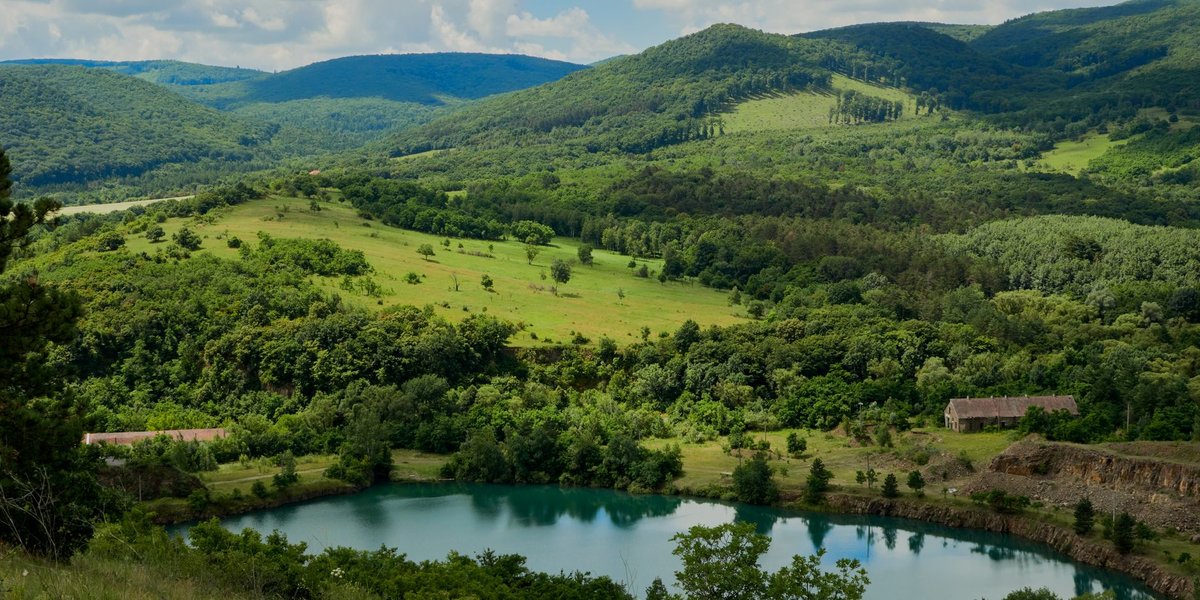
Second, dolomite and limestone hills around Budapest and the Transdanubian range. Dolomite weathers into thin, mineral-rich, fast-draining soil that hosts plants nothing else can tolerate. Botanists call these “dolomite relics” — survivors of older, colder climates stranded on islands of unusual rock.
Third, the karst cave systems of the Aggtelek and Bükk regions in the northeast. Cold, dark, nutrient-poor underground streams are about as isolated as a habitat gets. Anything living in them is cut off from surface populations and from neighboring caves, which is a recipe for species splitting off on their own.
The catch is that all three are fragile. Grassland gets plowed, dolomite hills get quarried and built on, and caves are sensitive to anything that changes their water. So Hungary’s endemics skew heavily toward the threatened end of the IUCN Red List.
Vertebrates
Hungary has exactly one widely recognized endemic vertebrate, and it happens to be one of the most endangered snakes in Europe.
1. Hungarian meadow viper
Vipera ursinii rakosiensis
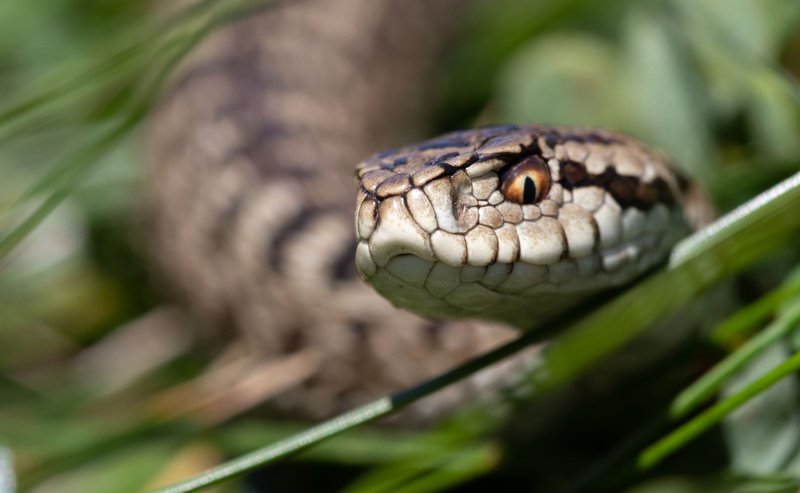
This is the headline act. A small, stocky viper — adults rarely top 60 cm — with a zigzag dorsal band, it lives in the wet and sandy meadows of the central Hungarian plain. It’s a subspecies of the wider meadow viper, but the rakosiensis population is restricted to the Pannonian lowlands, and within that range it’s been pushed to the brink.
It is one of the most venomous-shy snakes you could meet. The Hungarian meadow viper hunts grasshoppers and lizards, not anything large, and its venom is mild by viper standards — bites to humans are exceptionally rare and not considered life-threatening. The real story is its decline. A century of draining marshes and converting meadows to farmland reduced it to a few isolated grassland fragments, with the wild population estimated in the low hundreds at its worst.
That triggered one of Europe’s more determined recovery efforts. The Hungarian Meadow Viper Conservation Centre in Kunpeszér breeds the snakes in captivity and releases them into protected grassland, and the species is now a flagship for Pannonian steppe conservation. It remains classified as endangered.
Plants
The richest vein of Hungarian endemism runs through its flora — specifically the plants pinned to sand and dolomite.
2. Hungarian pasqueflower
Pulsatilla flavescens / Pulsatilla pratensis subsp. hungarica
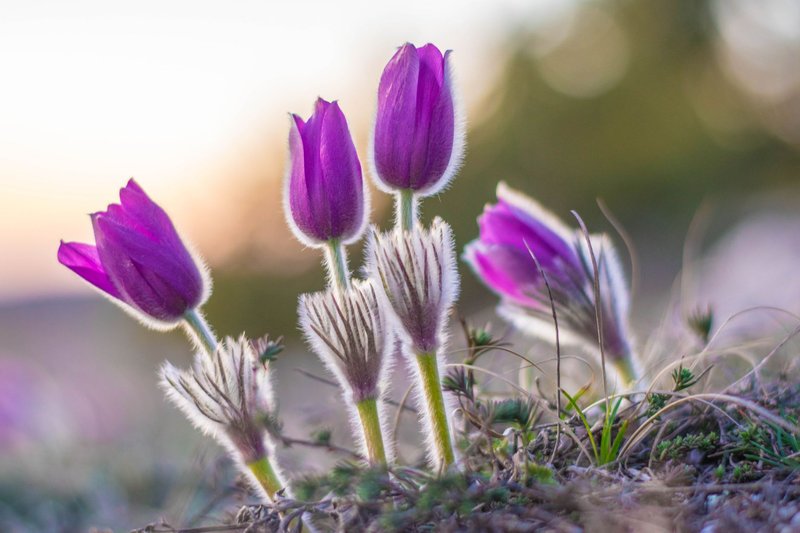
A low, silky-haired spring flower that pushes up through the puszta before most other plants have woken. The Pannonian forms carry a pale, dusky-violet to yellowish bell on a furred stem, the whole plant covered in fine hairs that catch early spring light. It blooms on sandy and steppe grassland in March and April, which makes it one of the first signals that the long plain is coming back to life after winter.
Pasqueflowers as a group are protected across Hungary, and the Pannonian populations are tied to exactly the kind of dry grassland that keeps shrinking. Pick one and you’re committing a finable offense — they’re strictly protected by law.
3. Sand saffron
Colchicum arenarium
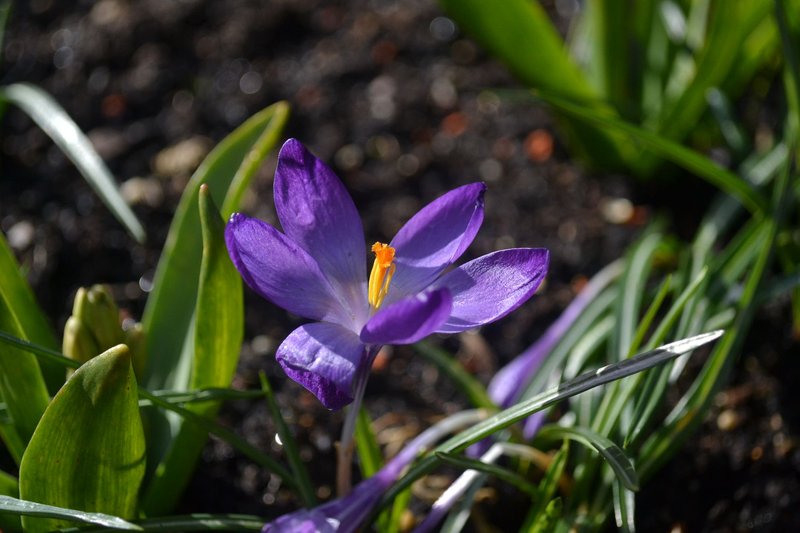
Don’t let the name fool you. This isn’t a true saffron and it isn’t a crocus, even though it throws up the same goblet-shaped pink-purple flowers low to the ground. It’s an autumn-flowering colchicum, and like the rest of its genus it’s poisonous — colchicine, the same compound used to treat gout, runs through the whole plant.
What makes it special is its address. Colchicum arenarium grows only on the open sand grasslands of the Pannonian Basin, mostly in Hungary, flowering in late summer and autumn when the leaves are nowhere in sight. It’s an endemic specialist of sandy puszta, and as that habitat gets fragmented by agriculture and afforestation, its range keeps contracting. It’s legally protected and listed as a species of conservation concern.
4. Long-lasting pink (Dianthus diutinus)
Dianthus diutinus
A pale, fragrant carnation relative that grows on the open sand dunes of the Kiskunság, in the sandy country between the Danube and the Tisza. The name diutinus means “long-lasting,” a nod to flowers that hold for weeks through high summer. It’s a genuine sand-dune endemic, restricted to a handful of sites in central Hungary.
This one is on the EU’s most-protected list. It’s covered by the Habitats Directive as a priority species, which is the strongest tier of protection European law offers, and it’s been the focus of dedicated LIFE conservation projects to fence off, manage, and expand its remaining dune habitat. Total numbers run to a few thousand plants, which tells you how narrow the margin is for a species that lives on shifting sand at a handful of locations.
Invertebrates and cave fauna
This is where the real concentration of endemics hides — the small, easily overlooked animals in snails’ shells and underground streams.
5. Pannonian snail
Sadleriana pannonica
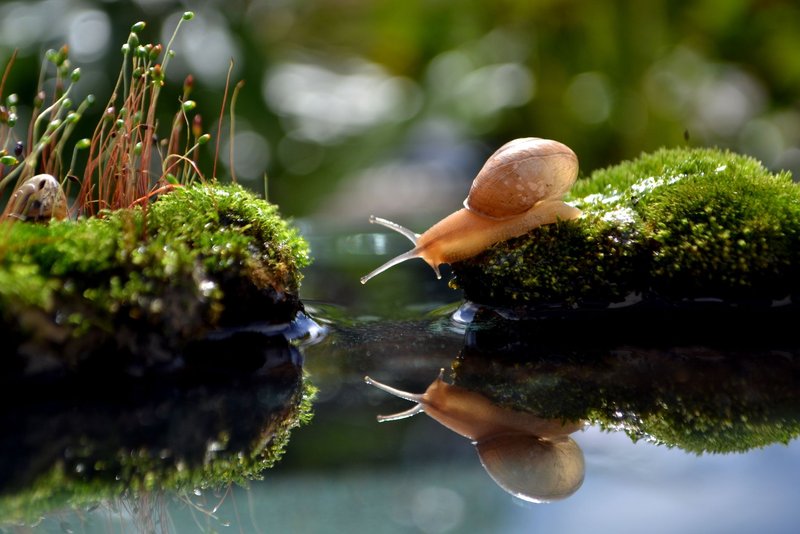
A tiny freshwater snail, only a few millimeters across, that lives in cold, clean springs and spring-fed streams in the karst hills of northern Hungary. It needs constant cold water with high oxygen, which is exactly what limestone springs deliver and almost nothing else does. That dependency is what makes it endemic: it can’t cross the warm, slow lowland rivers in between to reach anywhere new.
It’s a classic indicator species. Where Sadleriana pannonica is thriving, the spring is clean and cold; where it disappears, something has changed the water — pollution, warming, or a dropped water table from over-extraction. Conservation of the snail is really conservation of the springs themselves.
6. Aggtelek cave amphipod
Niphargus species
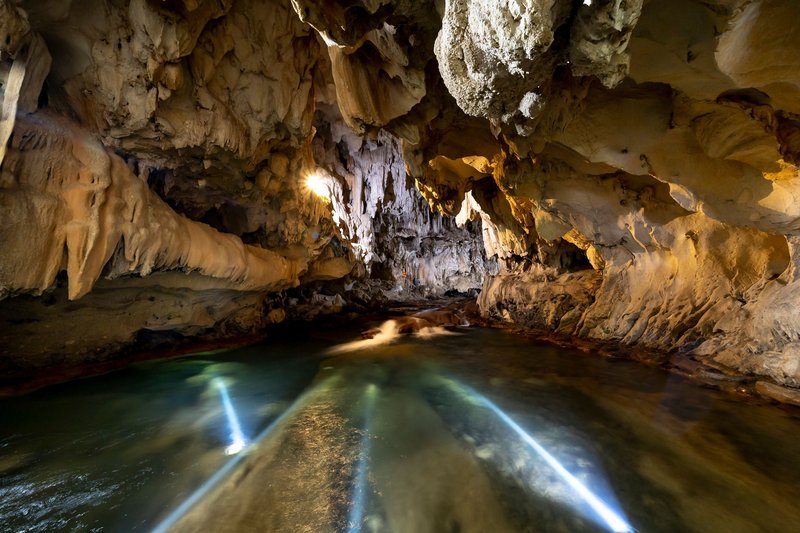
In the streams running through the Aggtelek karst caves — a UNESCO World Heritage site straddling the Hungary-Slovakia border — live blind, ghost-pale crustaceans called Niphargus. They’re amphipods, distant relatives of the sand-hoppers you see flicking around on a beach, but generations of total darkness have stripped them of eyes and pigment. They drift through the cave water as translucent slivers a centimeter or two long.
Several Niphargus lineages in the Hungarian karst are restricted to single cave systems, which makes them about as endemic as an animal can be — some are known from one cave and nowhere else. They survive on whatever organic matter washes in from the surface, living slow, cold, lightless lives. Because they’re sealed inside their cave streams, anything that contaminates the groundwater can wipe out a species that exists in no other location on the planet.
7. Pannonian Mordellistena beetles
Mordellistena species
If you scroll through Wikipedia’s list of Hungary’s endemic fauna, it’s dominated by tiny beetles with the genus name Mordellistena — pintail or tumbling flower beetles. They’re small, wedge-shaped, and named for the way they thrash and tumble when handled. Several described species are known only from Hungarian localities.
They’re a reminder of how much of a region’s endemism lives in the parts nobody photographs. The marquee species — the viper, the rare flowers — get the conservation budgets and the postcards. But the actual count of Hungary-only animals is padded out by obscure beetles, snails, and cave crustaceans that most visitors will never see and most lists never explain. The grassland and dolomite that protect the flagship species protect these too, which is the strongest argument for guarding whole habitats rather than single charismatic animals.
Where to see them
You won’t stumble onto most of these by accident — that’s rather the point of endemics. But a few places stack the odds.
- Kiskunság National Park — the sandy puszta southeast of Budapest is the stronghold for the Hungarian meadow viper, Dianthus diutinus, and sand saffron. The viper itself is strictly off-limits to handle, but the protected grasslands are open and the spring flora is spectacular.
- Aggtelek National Park — guided cave tours run through the same karst that hosts the Niphargus amphipods and the springs the Pannonian snail depends on. You won’t see the cave crustaceans on a standard tour, but you’ll see the habitat that produced them.
- Dolomite hills around Budapest — Sas-hegy and the Buda hills are protected reserves where dolomite-relict plants, including the Pannonian pasqueflower, flower in early spring.
Go in April for the flowers, and go with the understanding that the whole reason these species are worth a special trip is that they live in one fragile basin and nowhere else. Plow the grassland, quarry the dolomite, or foul the springs, and they don’t relocate. They’re gone.