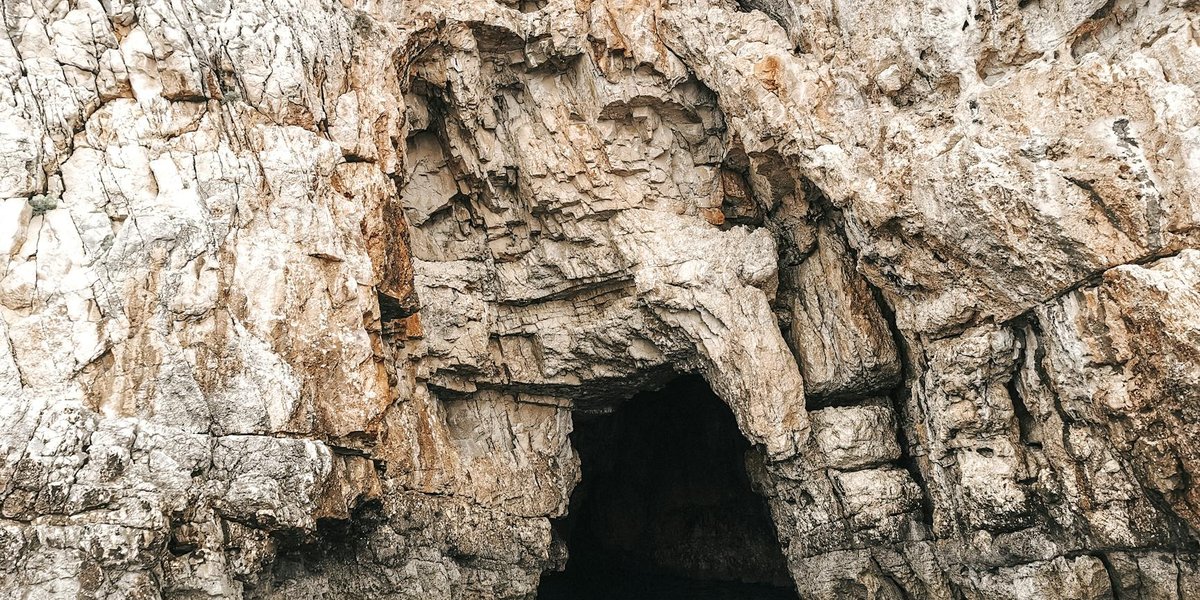
Norway hides most of its best caves in plain sight: behind waterfalls, under mountains you’d drive past without a second glance, inside glaciers that only open up for a few weeks a year. The country sits on a spine of marble and limestone that water has been dissolving for millions of years, which is why Norway has more documented caves than almost anywhere else in Scandinavia — well over 2,000 mapped, with new ones still turning up.
The catch is that “cave in Norway” covers wildly different experiences. Grønligrotta has electric lighting and a paved path you could walk in sneakers. Setergrotta, ten minutes down the road, has you crawling through a slot called the Marble Hall in a borrowed boiler suit. A Svalbard ice cave is a different planet entirely. So this isn’t a ranked list — it’s a sorted one. Show caves first, wild caves next, sea caves and ice caves after that, with the practical stuff (difficulty, season, whether you need a guide) attached to each.
Table of Contents
- TLDR: Quick Picks
- Cave Comparison Table
- Show Caves (Lit, Guided, Beginner-Friendly)
- Wild Caves (Headlamp and Coveralls)
- Sea Caves and Coastal Caves
- Ice Caves (Svalbard and Glaciers)
- What to Bring and How to Stay Safe
- When to Go
- Which Cave Is Right for You?
TLDR: Quick Picks {#tldr-quick-picks}
- Easiest with kids: Grønligrotta near Mo i Rana — lit, paved, 30-minute guided tour.
- Best “real caving” without commitment: Setergrotta, two hours, coveralls and headlamp provided.
- Most dramatic to look at: Torghatten, the mountain with a hole punched clean through it.
- Once-in-a-lifetime: A Svalbard glacier ice cave, but only December through March and only with a guide.
- Most underrated: Trollkirka, where a river cascades through a marble cave you reach on a steep hike.
Cave Comparison Table {#cave-comparison-table}
| Cave | Region | Type | Difficulty | Guided? | Hike to entrance | Best season |
|---|---|---|---|---|---|---|
| Grønligrotta | Helgeland (Mo i Rana) | Marble show cave | Easy | Required | ~5 min | Jun–Aug |
| Setergrotta | Helgeland (Mo i Rana) | Wild marble cave | Moderate–hard | Required | ~15 min | Jun–Aug |
| Trollkirka (Trollkirke) | Møre og Romsdal | Marble river cave | Moderate | No | ~1 hr steep | Jun–Sep |
| Torghatten | Helgeland (Brønnøy) | Sea-eroded tunnel | Easy–moderate | No | ~20 min | May–Oct |
| Kirkhelleren | Træna (Sanna island) | Sea/rock shelter | Moderate | No | ~30 min | Jun–Aug |
| Svalbard glacier caves | Svalbard | Ice cave | Moderate | Required | Snowmobile access | Dec–Mar |
| Larshullet / Greftsprekka | Nordland | Wild caves | Hard | Recommended | Varies | Jun–Aug |
Show Caves: Lit, Guided, Beginner-Friendly {#show-caves}
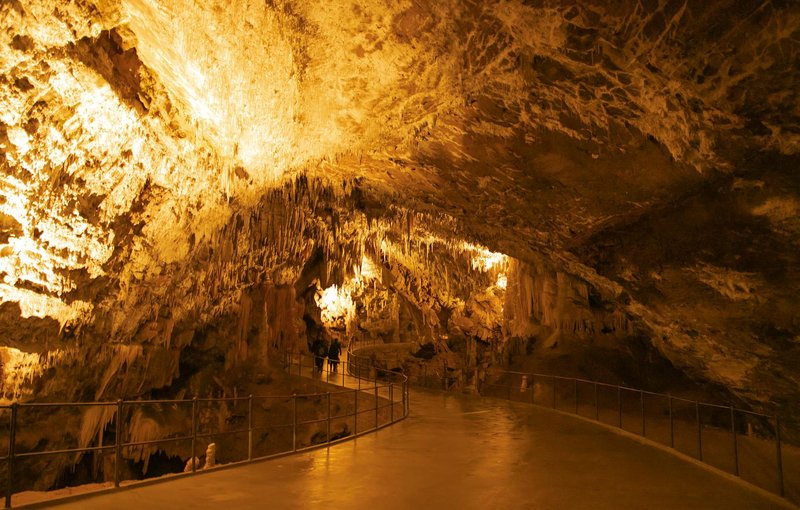
If you’ve never set foot in a cave and don’t fancy crawling through mud on your first try, start here. Show caves are developed for visitors — lighting, fixed paths, handrails in places, and a guide who actually knows the geology.
Grønligrotta is the one to beat. It sits just outside Mo i Rana in Nordland, in the Helgeland region, and it’s the only show cave in Scandinavia with electric lighting. The standard tour runs about 30 to 40 minutes and takes you past an underground river, smooth marble walls polished by water, and a passage where the limestone was metamorphosed into marble by ancient heat and pressure. The path is mostly flat and accessible to kids around five and up. You buy a ticket, you walk in, you walk out — no special gear needed beyond a light jacket, because it stays around 6°C (43°F) inside year-round. The cave is part of a karst landscape that the Geological Survey of Norway has studied extensively, since the Mo i Rana area is one of the densest cave fields in the country.
The trade-off with a show cave is that the lighting and the path remove some of the mystery. You’re a tourist, not an explorer. For a lot of people — especially families and anyone short on time — that’s exactly the right call.
Wild Caves: Headlamp and Coveralls {#wild-caves}
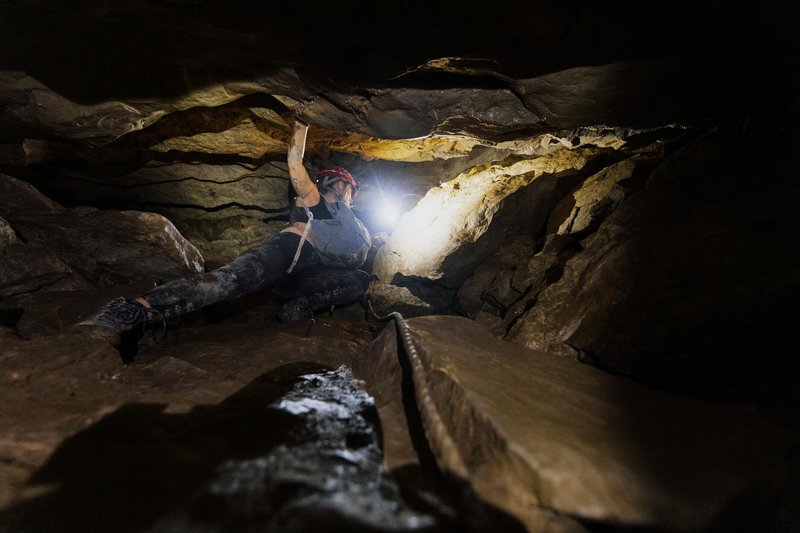
This is where Norway gets interesting. Wild caves have no lighting, no paved floor, and no railings. You wear a helmet with a headlamp, you get muddy, and you do some of the journey on your hands and knees. None of these should be attempted solo without experience.
Setergrotta is the gateway drug. It’s a ten-minute drive from Grønligrotta, so plenty of people do both in a day — the easy one in the morning, the wild one in the afternoon. The guided tour runs about two hours and includes the famous Marble Hall, a tall narrow chamber of polished white-and-grey marble, plus a squeeze section where you genuinely have to shimmy through a gap. The operator provides the coveralls, helmet, headlamp, and boots; you bring a willingness to get dirty. It’s rated moderate to hard mostly because of the crawling and a couple of tight spots, not because of any technical climbing. Anyone reasonably fit and not badly claustrophobic can do it.
Trollkirka — “the Troll Church” — is the wild card. It’s in Møre og Romsdal, not the Mo i Rana cave belt, and it’s not a developed attraction at all. You park, then hike roughly an hour up a steep, sometimes slippery trail to reach the cave system. Inside, a stream runs through three connected marble caverns and drops over a waterfall into a turquoise pool. There’s no guide, no ticket booth, and no lighting, so you need a headlamp and decent footwear, and you should not go in spring when meltwater makes the river inside dangerous. FjordNorway and other regional tourism boards list it because the payoff — a waterfall inside a white marble cave — is genuinely rare. Treat the hike seriously and check conditions before you go.
For experienced cavers, Nordland also holds Larshullet and the deep vertical systems around Greftkjelen/Greftsprekka, which involve ropes, real depth, and the kind of risk that means you go with a local caving club or not at all. Norway’s wild caves are largely unregulated, which is freedom and danger in equal measure.
Sea Caves and Coastal Caves {#sea-caves}
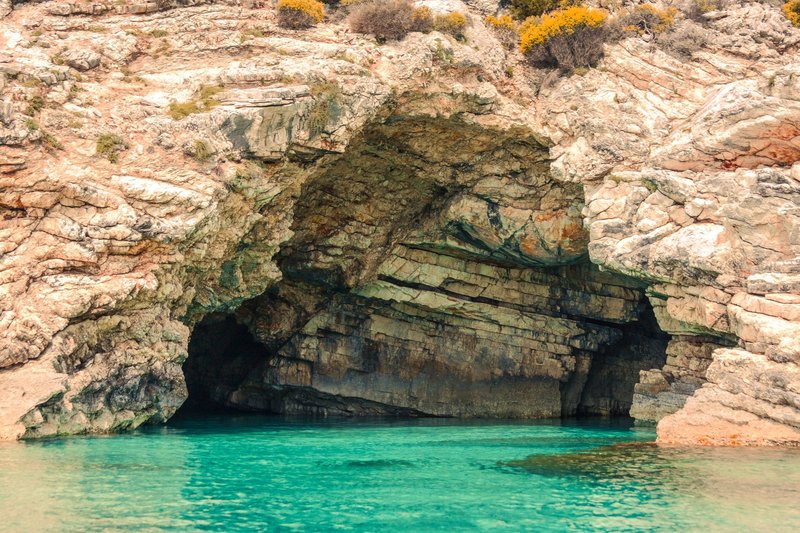
Not every Norwegian cave was carved by groundwater. Along the coast, the sea did the work — and during the last ice age, the land sat lower, so some of these “sea caves” are now stranded above today’s waterline.
Torghatten is the headline act and arguably the most photogenic cave in the country. It’s a mountain on an island near Brønnøysund with a tunnel bored straight through it — 160 metres long, 35 metres high, wide enough to stand in a crowd inside. The hole formed when sea and ice eroded weaker rock during a period when sea levels were higher. Norse legend says it’s the hat of a troll, pierced by an arrow meant for a fleeing maiden, which is a better story than “differential erosion” even if it’s less true. The hike from the parking area takes about 20 minutes up well-built stone steps, and once you’re inside the tunnel the view frames the fjord on both sides. No guide, no fee, doable by most ages.
Kirkhelleren sits on the tiny island of Sanna in the Træna archipelago, one of the oldest known settlements in Norway — people sheltered in this cathedral-like rock hollow over 9,000 years ago. Getting there means a ferry to Træna and a hike across the island, which keeps the crowds away. The cave itself is a vast open shelter rather than a tunnel you go deep into, and standing inside it with that much human history underfoot hits differently than a tourist cave with a gift shop.
Ice Caves: Svalbard and Glaciers {#ice-caves}
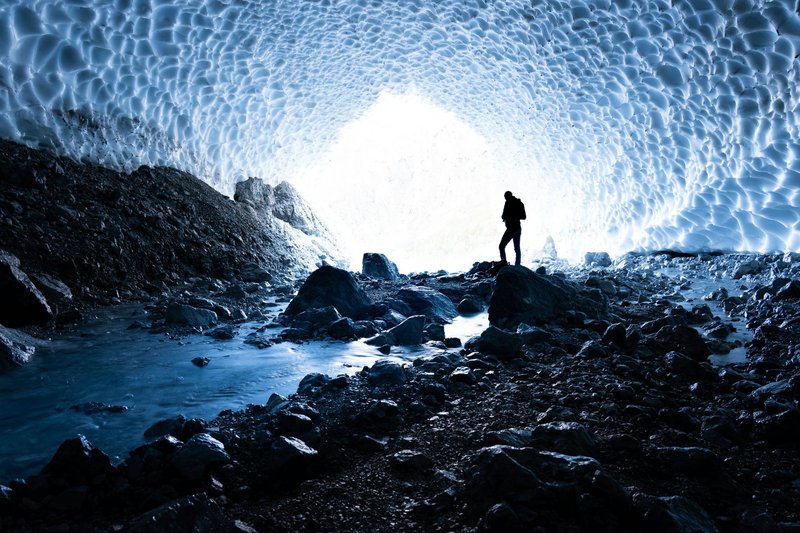
The ice caves are a separate category because they’re not permanent. Each winter, meltwater channels inside Svalbard’s glaciers freeze solid, and guides scout fresh entrances — the cave you visit one year may have collapsed or moved the next. The walls glow blue, the ice is layered like geological strata, and the silence is total.
These are accessed mostly out of Longyearbyen on Svalbard, reached by snowmobile or, in spring, by a hike across the glacier. The season runs roughly December through March, when the ice is cold and stable enough to be safe; outside that window, meltwater makes the caves a death trap, so reputable operators simply don’t run them. Every ice cave trip on Svalbard is guided, and for good reason — there’s the cave hazard plus the fact that you’re in polar bear territory, which is why guides carry rifles. The official Visit Svalbard tourism board lists the licensed operators.
Difficulty is moderate: the hard part is the cold and the snowmobile or hike to get there, not the caving itself, which is mostly walking and some ducking. It’s the most expensive cave experience in Norway and the most weather-dependent. It’s also the one people remember for the rest of their lives.
What to Bring and How to Stay Safe {#gear-and-safety}
For show caves like Grønligrotta, you need almost nothing — a jacket, because it’s cold and damp inside, and closed shoes with some grip. For everything else, the list grows:
- A real headlamp, not your phone flashlight. Bring a spare with fresh batteries. In a wild cave, “out of light” is an emergency, not an inconvenience.
- Sturdy, grippy footwear. Cave floors are wet rock and mud. Trail shoes minimum, proper boots better.
- Layers you don’t mind ruining. Caves hover near freezing year-round, and wild caves will coat you in mud.
- A helmet for any undeveloped cave. Low ceilings and loose rock are real.
- Never go alone, and tell someone your plan. Norway’s wild caves have no staff and often no phone signal. Most caving incidents come down to a single light failing or one person going off on their own.
If you’re new to caving, do a guided trip first. Setergrotta or a Svalbard ice cave will teach you more about moving through a cave than any article can, and you’ll have someone with a rope and a radio if something goes wrong.
When to Go {#when-to-go}
Almost all of Norway’s caves are summer attractions. Show caves like Grønligrotta and Setergrotta typically open from June through late August and close the rest of the year. Wild caves like Trollkirka are technically accessible longer, but spring snowmelt floods their internal rivers and autumn brings ice on the approach trails, so July and August are the safe bet.
Ice caves flip the calendar entirely: Svalbard’s glacier caves run December through March, when the ice is frozen hard. Trying to do both a marble show cave and a glacier ice cave on the same trip is essentially impossible — they’re opposite seasons. Plan around the cave you care about most.
Coastal caves like Torghatten and Kirkhelleren have the widest window, roughly May through October, limited mostly by ferry schedules and how much you enjoy hiking in Norwegian weather.
Which Cave Is Right for You? {#which-cave}
If you want a cave you can walk into with kids and a camera and walk out of half an hour later, it’s Grønligrotta. If you want to feel like you actually went into the earth without needing a rope, it’s Setergrotta. If you want a free, wild, do-it-yourself adventure and you’re a confident hiker, it’s Trollkirka. If you want the photo everyone recognizes, it’s Torghatten. And if you want something most people never get to see, it’s a Svalbard ice cave — book it months ahead, go in winter, and let the guide carry the rifle.
Norway’s caves reward a little planning and a little nerve. Pick the one that matches your appetite, check the season before you commit, and bring more light than you think you need.