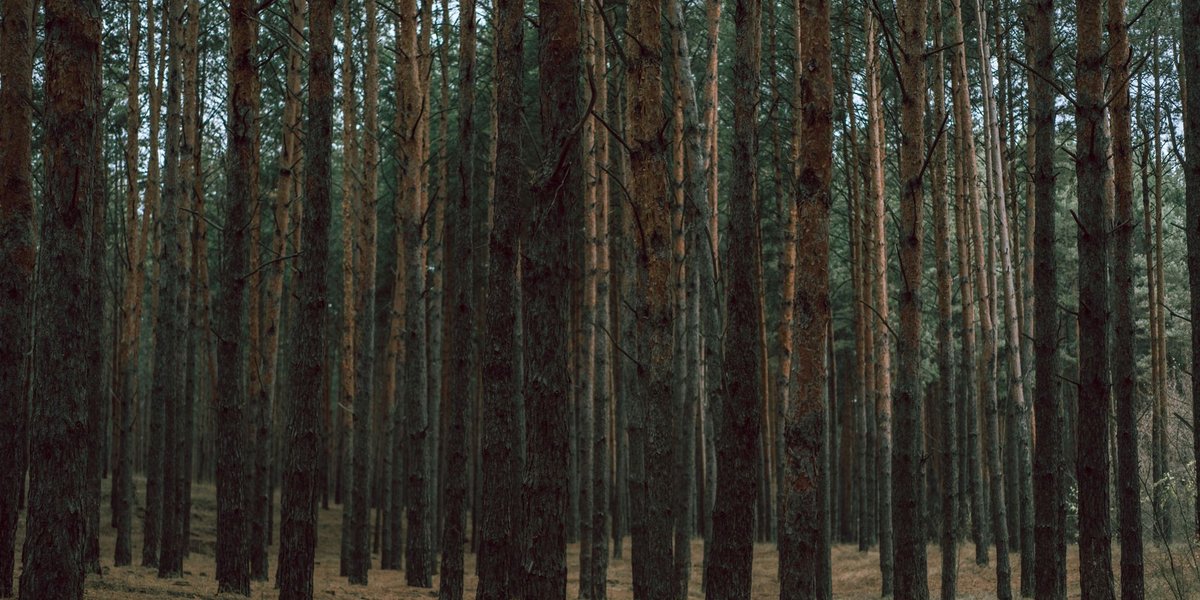
New Jersey is the most densely populated state in the country, sandwiched between Philadelphia and New York, threaded with turnpikes. So the first thing most people get wrong is assuming there’s nothing left to count. There’s plenty. The state sits on a trillion-gallon aquifer, grows more blueberries than anywhere else in America, and mines a mineral that exists in no other state’s production records.
Here’s the full picture of what New Jersey actually has underground, underwater, and growing on top.
Quick Overview
| Resource | The headline number |
|---|---|
| Forests | ~2.1 million acres, roughly 42% of the state |
| The Pinelands | 1.1 million acres, ~22% of NJ’s land area |
| Groundwater | Kirkwood-Cohansey aquifer holds ~17 trillion gallons |
| Farmland | ~730,000 acres across 9,900+ farms |
| Signature mineral | Greensand marl — the only state that produces it |
| #1 crop rank | Blueberries (national leader) |
Table of Contents
- Water
- Forests and the Pinelands
- Minerals
- Wildlife and Wetlands
- Agriculture and Soil
- How New Jersey Protects These Resources
- FAQ
Water
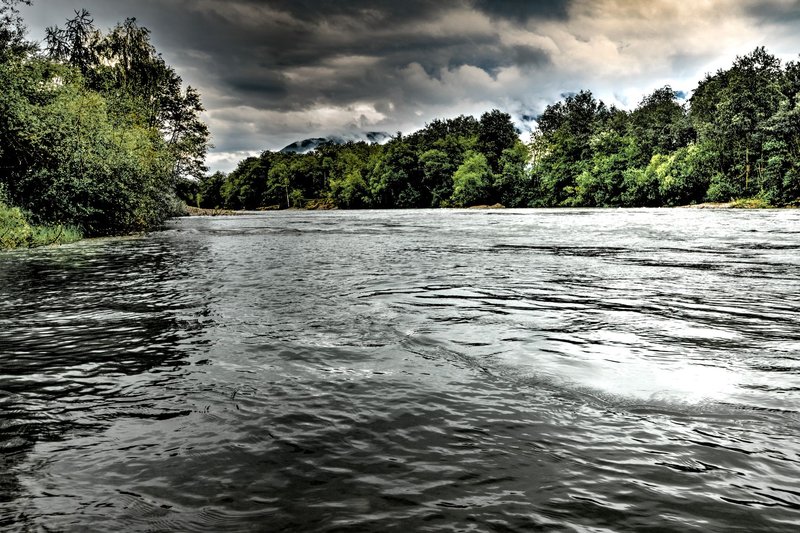
New Jersey is bordered by water on three sides, and that geography defines the state. The Atlantic Ocean runs the entire eastern and southern edge, giving the state roughly 130 miles of coastline, fisheries, and a tourism economy built on the shore. To the west, the Delaware River separates New Jersey from Pennsylvania and supplies drinking water pulled directly from the river for potable use. The Hudson River forms the northeastern boundary with New York.
Inland, Lake Hopatcong is the state’s largest freshwater lake, a glacial body in the northwest hills that doubles as a recreation hub.
But the most important water in New Jersey is the water you can’t see. The Kirkwood-Cohansey aquifer, lying under the Pinelands in the south, holds an estimated 17 trillion gallons of water in its sands. It’s one of the largest aquifers in the region and the reason the Pine Barrens stay wet. In the north, the Highlands region funnels clean drinking water to more than half the state’s population, somewhere north of 5 million people, from a comparatively small footprint of forested watershed.
That north-south split matters. The Highlands forests filter the water that cities drink; the southern aquifer recharges through the porous Pinelands soil. Pave over either one and the supply suffers.
Forests and the Pinelands
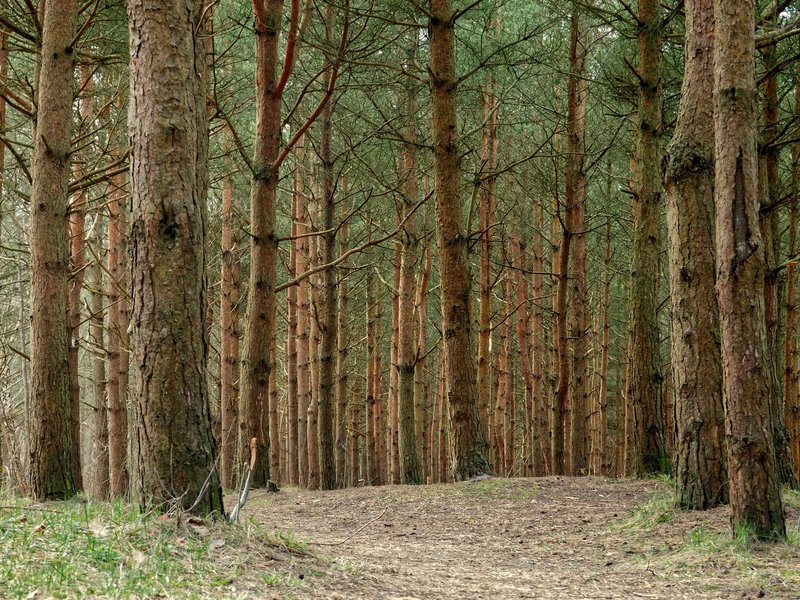
This is the surprise. New Jersey has over 2.1 million acres of forest, which works out to roughly 42 percent of the state’s surface area. The most crowded state in the union is, by land cover, mostly trees.
The crown jewel is the Pinelands, also called the Pine Barrens. It covers 1.1 million acres, about 22 percent of New Jersey’s land area, and it’s the largest stretch of open space on the Mid-Atlantic seaboard between Boston and Richmond. In 1978 it became the nation’s first National Reserve. The “barrens” name is misleading. The sandy, acidic soil is poor for typical farming, so colonists labeled it useless, but the ecosystem is anything but barren. It’s dense with pitch pine, oak, and Atlantic white cedar, and it shelters dozens of rare plant and animal species you won’t find elsewhere.
Beyond the Pinelands, the state manages 11 national and state forests through the New Jersey Division of Parks and Forestry. The northern forests in the Highlands and Kittatinny ridges look completely different from the southern pine plains: hardwoods, steeper terrain, and the headwaters of the rivers that feed the cities.
Minerals
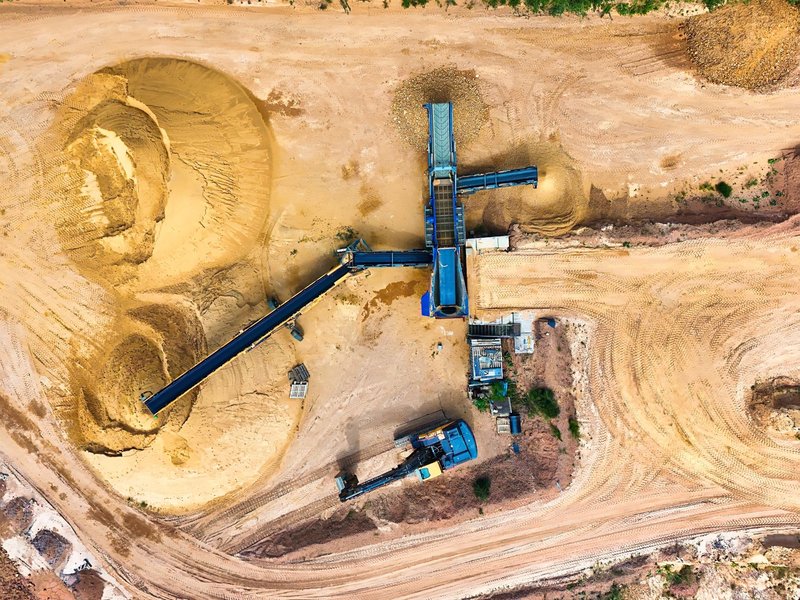
New Jersey’s mineral wealth is industrial, not glamorous. The big producers are sand, gravel, stone, clay, and peat, the raw materials of construction and the stuff that built the roads and buildings packing the state. Sand and gravel pits dot the southern half, drawn from the same geological deposits that hold the aquifer.
Then there’s the genuinely unique one. New Jersey is the only state in the country that produces greensand marl, according to the U.S. Geological Survey. Greensand is an olive-colored sediment rich in the mineral glauconite, laid down on an ancient sea floor that once covered the southern part of the state. Farmers have used it for generations as a slow-release soil conditioner and natural fertilizer, since it carries potassium and trace minerals. No other state mines it commercially. If you want a single fact that captures New Jersey’s geology, that’s it.
Wildlife and Wetlands
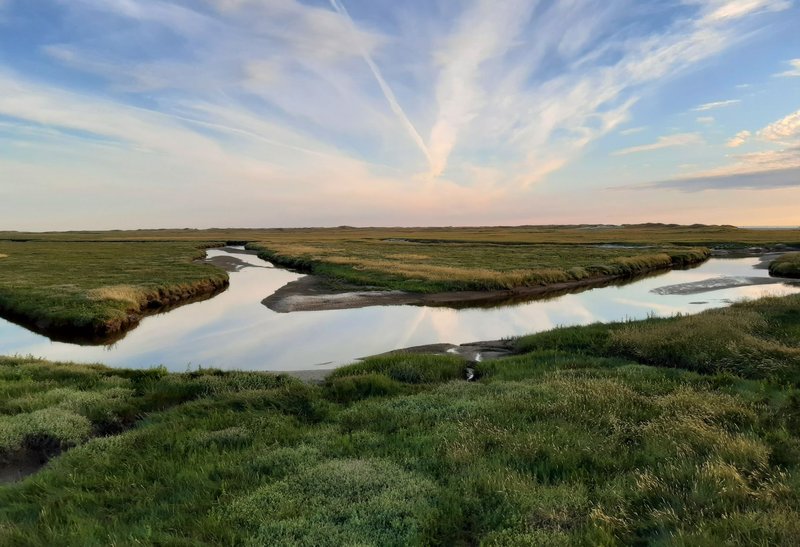
The state’s wetlands do a lot of quiet work. Coastal salt marshes along the Atlantic and Delaware Bay buffer storm surge, filter runoff, and serve as nurseries for fish and shellfish. They’re also a critical stopover on the Atlantic Flyway, the migratory bird highway running down the East Coast, and places like Cape May rank among the best birding spots in North America during spring and fall migration.
Habitat variety drives the state’s biodiversity. The Highlands forests, wetlands, and rivers host everything from brook trout in cold mountain streams to imperiled bat species, while the ridgelines and cliffs support rare nesting birds. Down in the Pinelands, the acidic bogs and cedar swamps harbor specialist species, including carnivorous plants and the Pine Barrens tree frog, that have adapted to conditions hostile to almost everything else.
Agriculture and Soil
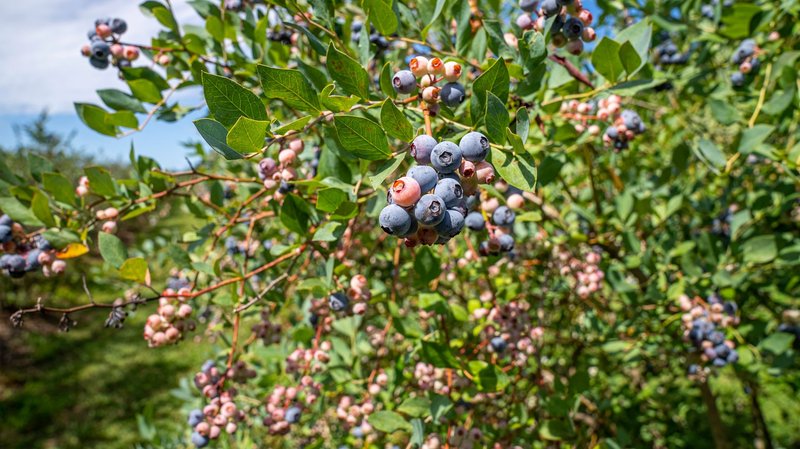
The nickname isn’t an accident. New Jersey is the Garden State for a reason, and its agricultural soils are a resource worth protecting. The state farms roughly 730,000 acres across more than 9,900 farms, supporting an industry valued north of $1 billion.
Two crops define it. New Jersey ranks number one nationally in blueberry production, with most of the harvest concentrated in Atlantic County. And cranberries, grown in flooded bogs in and around the Pine Barrens, make the state a top producer of that crop too. Both rely on the same thing: the sandy, acidic Pinelands soil and the water table sitting just beneath it. The “barren” ground turned out to be perfect for the right plants. Tomatoes, peaches, and bell peppers round out the rest of the field crops.
How New Jersey Protects These Resources
Given the development pressure, conservation here is a constant fight. The New Jersey Department of Environmental Protection (NJDEP) manages the state’s natural lands, forests, and water resources, and the Pinelands Comprehensive Management Plan gives that 1.1-million-acre reserve a legal shield against unchecked development.
Farmland gets its own protection. In 2023 the state’s farmland preservation program crossed 250,000 acres permanently preserved, a milestone in a place where land is worth more covered in houses than crops. The logic is straightforward in the most densely populated state: every acre of forest, marsh, or farmland you keep is an acre filtering drinking water, buffering floods, and storing carbon.
FAQ
What are New Jersey’s main natural resources? Water (the Atlantic Ocean, Delaware and Hudson Rivers, and a 17-trillion-gallon aquifer), forests covering about 42 percent of the state, minerals like sand, gravel, clay, and greensand marl, plus wetlands, wildlife, and agricultural soil.
Why is New Jersey called the Garden State if it’s so urban? Because despite its density, it farms roughly 730,000 acres and leads the nation in blueberry production. The southern half of the state is largely forest and farmland, not city.
What mineral is unique to New Jersey? Greensand marl. The U.S. Geological Survey lists New Jersey as the only state that produces it. It’s used as a natural soil conditioner.
How much of New Jersey is forest? About 2.1 million acres, or roughly 42 percent of the state’s land area, including the 1.1-million-acre Pinelands National Reserve.
What is the Pine Barrens? A 1.1-million-acre forested reserve in southern New Jersey with sandy, acidic soil. It was the first National Reserve in the U.S. and sits atop the Kirkwood-Cohansey aquifer.