Mutualism is a relationship between two species in which both benefit. That’s the whole definition. Everything else, from clownfish to the bacteria in your gut, is a variation on that one idea.
TLDR
- Mutualism = both species gain (+/+). Commensalism = one gains, the other is unaffected (+/0). Parasitism = one gains, the other is harmed (+/-).
- Symbiosis means a close, long-term association. It is not a synonym for mutualism, because parasitism is symbiosis too.
- Obligate mutualists can’t survive without each other. Facultative mutualists can, but do better together.
- Benefits come in three main forms: nutrition, protection, and transport (pollination and seed dispersal).
- Mutualisms are not friendships. Each side is paying a cost, and cheating happens.
Table of contents
- Mutualism vs symbiosis, commensalism and parasitism
- Obligate vs facultative mutualism
- Mutualism examples: trading nutrition
- Mutualism examples: protection
- Mutualism examples: pollination and seed dispersal
- When mutualism breaks down
- Mutualism and climate change
- The other meaning of mutualism
- FAQ
Mutualism vs symbiosis, commensalism and parasitism
These terms get mixed up constantly, and the mix-up has a simple cause. “Symbiosis” sounds friendly, so people treat it as a synonym for mutualism. It isn’t.
Symbiosis describes how close two species live: in prolonged, intimate contact. It says nothing about who benefits. Mutualism, commensalism and parasitism are the three outcomes of that contact, sorted by what each partner gets.
| Relationship | Species A | Species B | Example |
|---|---|---|---|
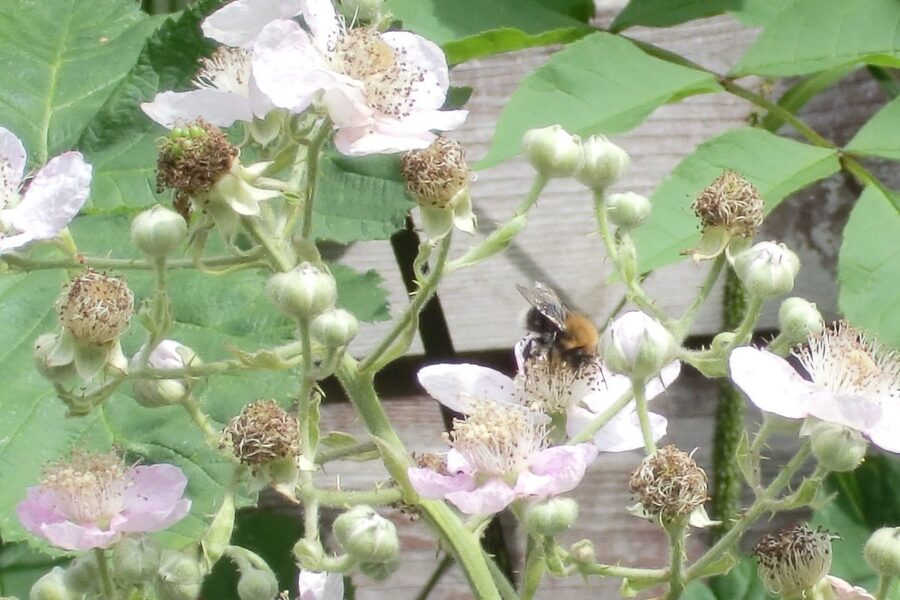
| Mutualism | Benefits | Benefits | Bees and flowering plants |
| Commensalism | Benefits | Unaffected | Barnacles on a whale |
| Parasitism | Benefits | Harmed | Ticks on a deer |
The reverse also holds. Not every mutualism is a symbiosis. A hummingbird visiting a flower is a mutualism, but the two never live in physical contact. Pollination is a trade between strangers, not a cohabitation.
Real cases don’t always sit neatly in one box. Whether a relationship counts as mutualism, commensalism or parasitism can shift with conditions, and we’ll get to that below.
Obligate vs facultative mutualism
Mutualisms differ in how much the partners need each other.
| Feature | Obligate | Facultative |
|---|---|---|
| Can each partner live alone? | No | Yes |
| Partner specificity | Often one specific partner | Many possible partners |
| Typical example | Lichens, termites and their gut protozoa | Ants and aphids, cleaner fish |
| Cost of losing the partner | Death or severe decline | Reduced fitness |
Termites are a good obligate case. They eat wood but can’t digest cellulose themselves. Single-celled organisms and bacteria in their guts do that work, and without them a termite starves on a full stomach. The microbes, in turn, can’t live anywhere else.
Facultative mutualisms are looser. A cleaner wrasse removes parasites from a dozen fish species, and those fish get cleaned by other wrasses if one is missing. Nobody dies if the arrangement falls through, but both sides do worse.
Mutualism examples: trading nutrition
The oldest and most important mutualisms are about food. One partner is good at getting a resource, the other at making or using a different one.
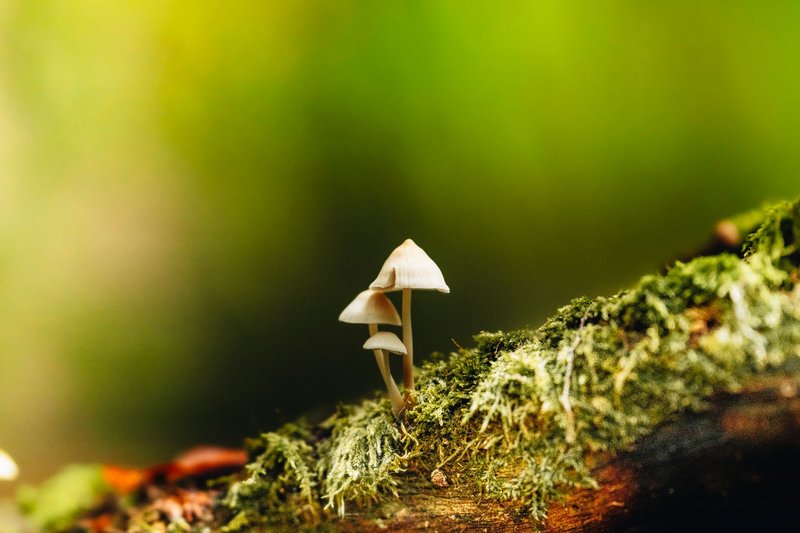
Mycorrhizal fungi and plants. Most land plants, roughly 80 percent of species, partner with symbiotic fungi that wrap around or invade their roots. The fungal threads reach far more soil than roots can, pulling in phosphorus and nitrogen. The plant pays in sugar from photosynthesis. Estimates of the bill run to a fifth or more of the carbon a plant fixes, and plants still come out ahead. Take away the fungi and many trees stunt or die in poor soil.
Lichens. A lichen is not one organism. It’s a fungus that provides structure and protection, plus an alga or cyanobacterium that photosynthesizes. Together they survive on bare rock and Arctic tundra where neither could manage alone.
Gut bacteria and you. Your intestines host trillions of microbes. They break down fiber into short-chain fatty acids that feed the cells lining your gut, and they produce some vitamins, including vitamin K. You supply a warm, food-filled home. The NIH Human Microbiome Project mapped these communities in healthy adults and showed how varied they are from person to person. This is a facultative arrangement, though one you’d notice losing.
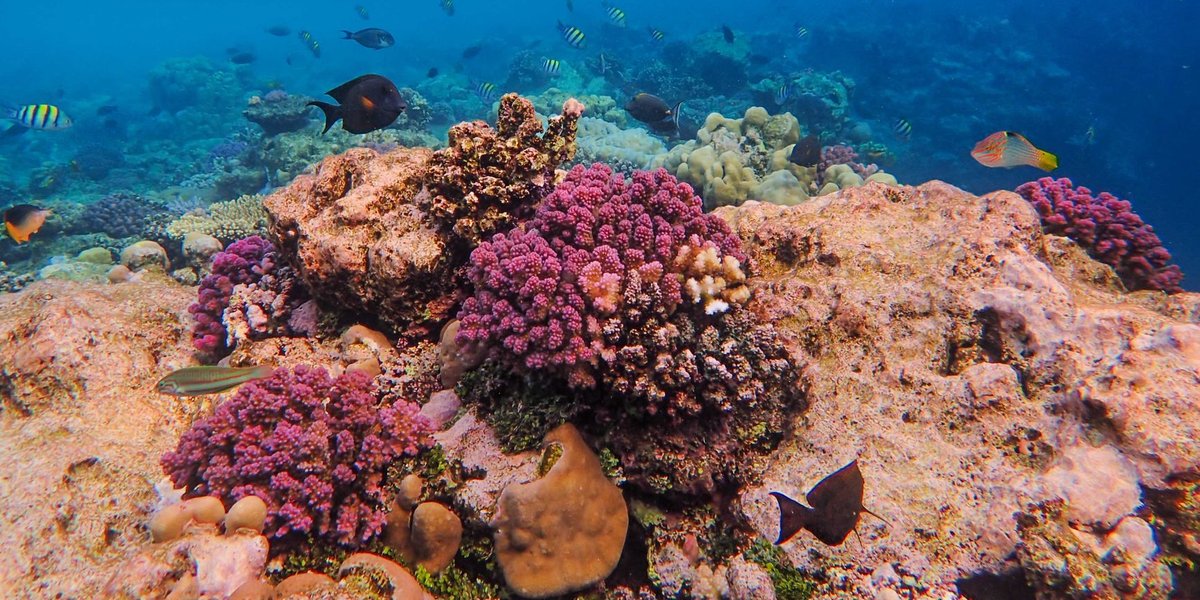
Corals and zooxanthellae. Reef-building corals house microscopic algae called zooxanthellae in their tissues. The algae photosynthesize and hand over much of the sugar they make, which can supply most of the coral’s energy. The coral provides shelter and the compounds the algae need. It’s why reefs thrive in clear, nutrient-poor tropical water that would otherwise be a food desert.
Mutualism examples: protection
In these partnerships, one side sells defense and the other pays in food or housing.
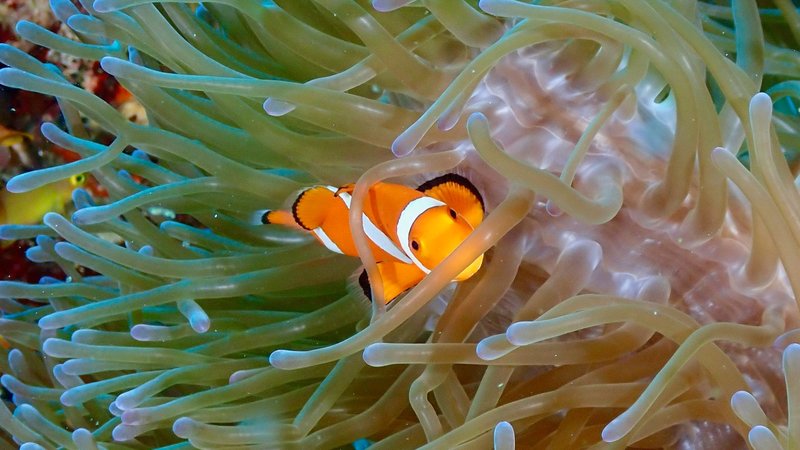
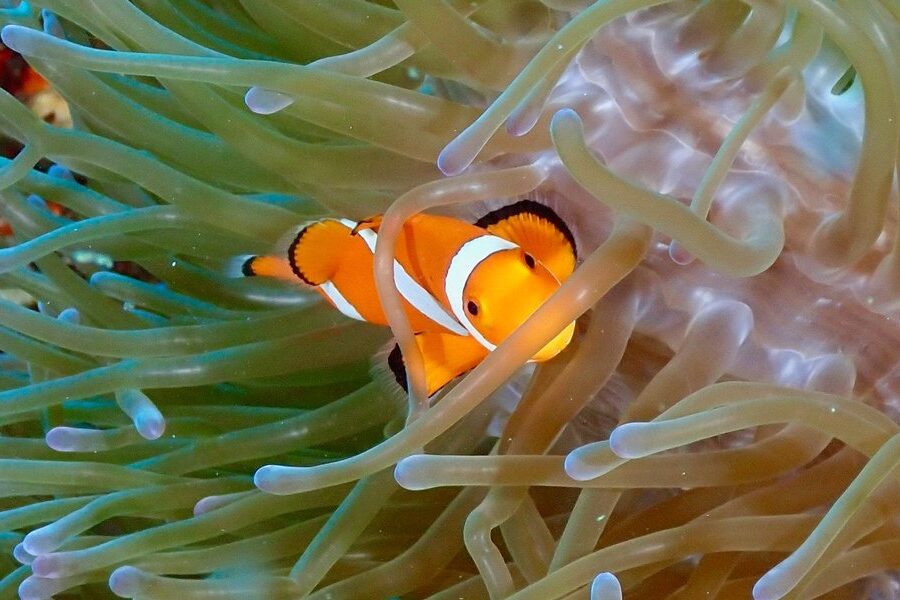
Clownfish and sea anemones. The anemone’s stinging tentacles keep predators away from the clownfish. The fish avoids being stung because of its mucus coating. In return, the clownfish drives off butterflyfish that eat anemones, and its waste feeds the anemone. A clownfish that leaves its host is quickly eaten, which makes the fish the more dependent partner.
Ants and acacias. Bull’s-horn acacias in Central America grow hollow thorns that house Pseudomyrmex ants. The tree also produces protein-rich nubs and sugary nectar to feed them. The ants attack herbivores and clear competing vegetation around the trunk. Here’s the surprising part: the tree’s nectar contains an enzyme that stops the ants from digesting ordinary sugar, so they can’t switch to other food sources. The plant has engineered its guards’ dependence.
Ants and aphids. Aphids suck plant sap and excrete sugary honeydew. Ants drink it and defend the aphids from ladybugs and other predators, sometimes even moving them to better feeding spots.
Oxpeckers and large mammals. Oxpeckers perch on buffalo and rhinos and eat ticks. Often cited as a textbook mutualism, the picture is messier than that, and we’ll come back to it.
Mutualism examples: pollination and seed dispersal
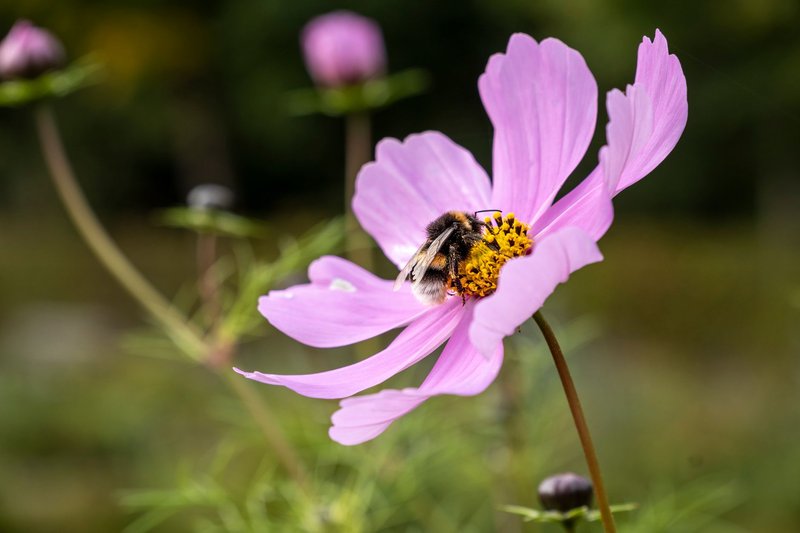
Plants can’t walk, so they hire couriers. Pollinators carry pollen, and the plant pays in nectar or pollen. Seed dispersers eat fruit and carry the seeds away in their gut or on their fur, trading transport for a meal.
While bees are the famous pollinators, the specialists are stranger. Each of the roughly 750 fig species has its own tiny fig wasp. The female wasp crawls into the fig’s closed flower structure, pollinates it, and lays her eggs there. Her offspring hatch inside, and the fig sacrifices some seeds to feed them. Without the wasp, no figs; without the fig, no wasps. This is an obligate mutualism that has run for tens of millions of years.
Yucca plants and yucca moths work much the same way. The moth deliberately packs pollen onto the flower, then lays eggs in the ovary. The larvae eat some of the seeds, and the plant keeps the rest.
Seed dispersal is quieter but just as important. Birds that eat berries, bats that eat figs, and agoutis in tropical forests that bury nuts and forget some of them are all, in effect, planting trees.
When mutualism breaks down
Mutualism is a trade, and any trade invites cheating. Biologists describe these relationships as reciprocal exploitation: each side takes what it can while giving as little as it can get away with.
Cheaters show up everywhere. Some yucca moth lineages lay eggs without pollinating. Some plants produce nectar but dodge the cost of making the sweet reward. Cleaner wrasses sometimes bite their clients’ protective mucus, which they like more than parasites, and clients punish them by chasing them off or leaving.
Oxpeckers are the classic slide toward parasitism. Research on oxpeckers has found that they eat ticks, but they also pick at open wounds and drink blood, which can keep sores from healing. Whether they help or harm depends on how many ticks there are and how the host reacts.
That’s why the “+/+” label is a snapshot, not a permanent state. The same pair of species can drift between mutualism, commensalism and parasitism as conditions change.
Mutualism and climate change
Mutualisms hold ecosystems together, which makes them a weak point. If one partner is stressed, the other goes down with it.
The best-documented case is coral bleaching. When water gets too warm, corals expel their zooxanthellae, and the tissue loses its color and its main food source. NOAA explains that a bleached coral isn’t dead, but it’s starving, and if heat continues it will die. Reefs that took centuries to build can lose most of their living cover within a season.
Timing is another problem. If a warming climate makes flowers bloom earlier than their pollinators emerge, both sides lose. Ocean acidification, soil disturbance that damages mycorrhizal networks, and antibiotic use that disrupts gut microbiomes are other ways a mutualism can fail. The relationships evolved over millions of years in stable conditions, and they don’t have an easy plan B.
The other meaning of mutualism
If you landed here looking for politics, the word has a second life. In the 19th century, the French thinker Pierre-Joseph Proudhon used “mutualism” for an economic philosophy built on reciprocal exchange, cooperative associations and mutual credit among workers. It’s the origin of today’s mutual aid societies and mutual insurance organizations. The biological and political senses share a root idea, benefit through reciprocity, but they’re otherwise unrelated fields.
FAQ
What is the simplest definition of mutualism? A relationship between two different species in which both benefit.
Is mutualism the same as symbiosis? No. Symbiosis is any close, long-term association, including parasitism. Mutualism is the subset where both partners benefit, and some mutualisms, such as pollination, aren’t symbiotic at all.
What’s the difference between mutualism and commensalism? In mutualism both species gain. In commensalism one gains and the other is neither helped nor harmed.
What’s an example of obligate mutualism? Fig trees and fig wasps, lichens, and termites with their gut microbes. Neither partner in these pairs survives alone.
Are humans involved in mutualism? Yes. Your gut bacteria digest fiber and make vitamins in exchange for food and a stable home. Humans also share mutualisms with crops and domestic animals, which we feed and protect and which feed us.
Can a mutualism turn into parasitism? It can. When one partner stops paying its share, or conditions change the cost-benefit balance, the relationship can slide from mutualism toward exploitation.