No official entries meet the criteria for a complete, verifiable list of “Caves in Ecuador.”
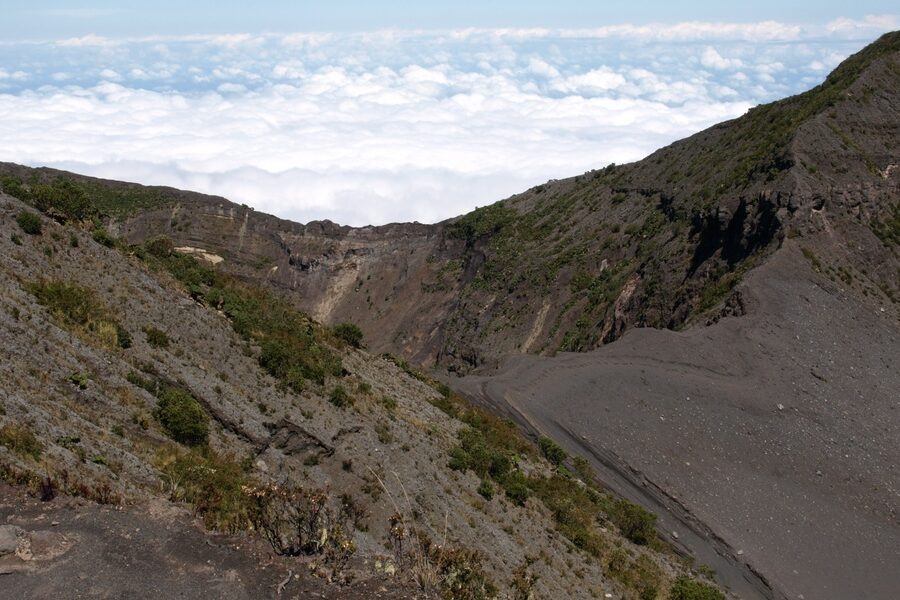
Understand that the keyword covers caves across very different landscapes: the volcanic Andes, the Amazon basin, and the Galápagos. A strict, complete list is hard to produce because the public data are scattered, names and coordinates vary, and many cavities are small lava tubes, river hollows, or undocumented hollows rather than mapped karst systems. Demand is for precise fields (name, coordinates, length, access rules, safety notes), and reliable sources that fill every field are not available for enough sites to form a complete list.
Technical and practical reasons explain the gap. Ecuador’s geology is mostly volcanic and metamorphic, so large limestone karst systems are uncommon. Many cave-like features are lava tubes (Galápagos) or short river-cut shelters (Amazon headwaters) that lack formal surveys. Access is often restricted by private land, protected areas, or indigenous territory rules, and many known sites are poorly mapped or have conflicting names in guides and local use. That makes compiling a single, accurate dataset with the recommended details impossible right now.
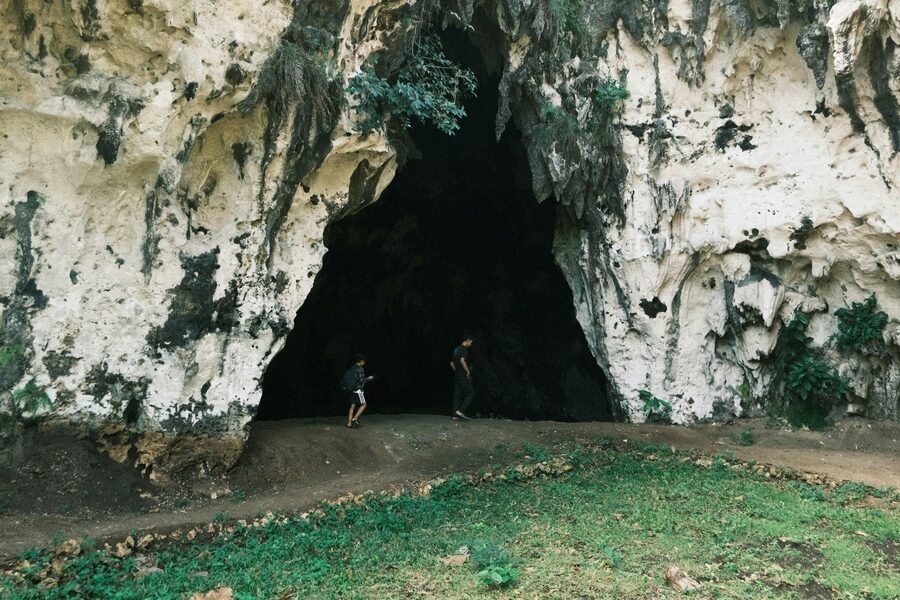
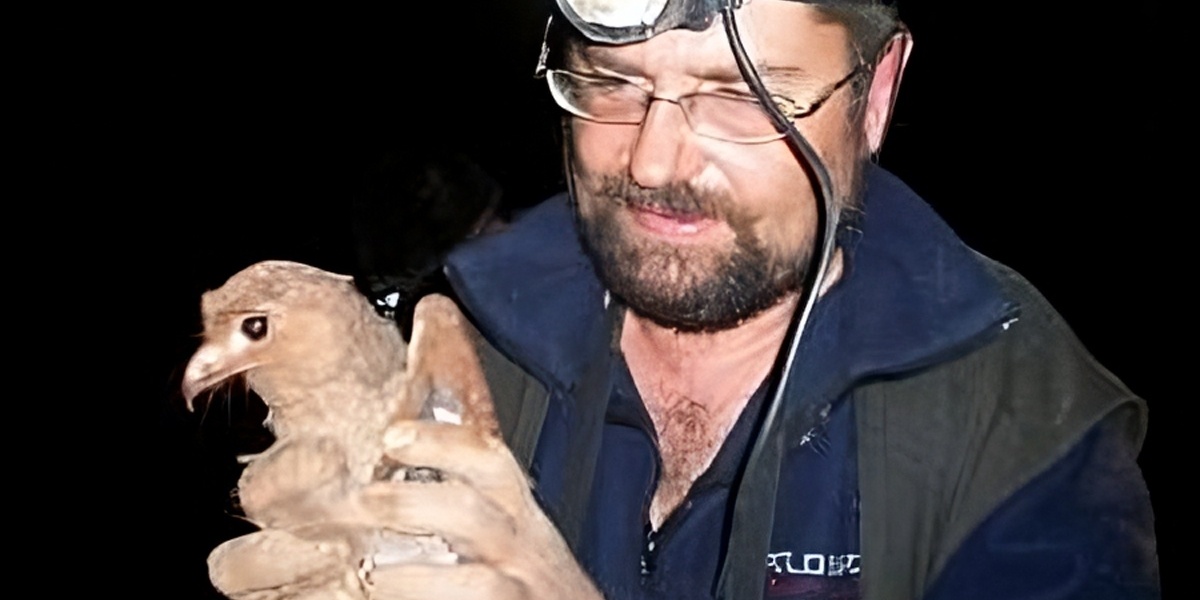
Close alternatives and useful near matches do exist. The famous Cueva de los Tayos is a well-known showpiece in the Ecuadorian Amazon. The Galápagos islands (Isabela and others) host lava tubes and tunnel formations often described in trip reports. Scattered coastal and Andean rock shelters and short river caves appear in local guides and academic papers. Explore these categories—Tayos and similar show caves, Galápagos lava tubes, and Amazon river cavities—when you want practical leads on caves in Ecuador.