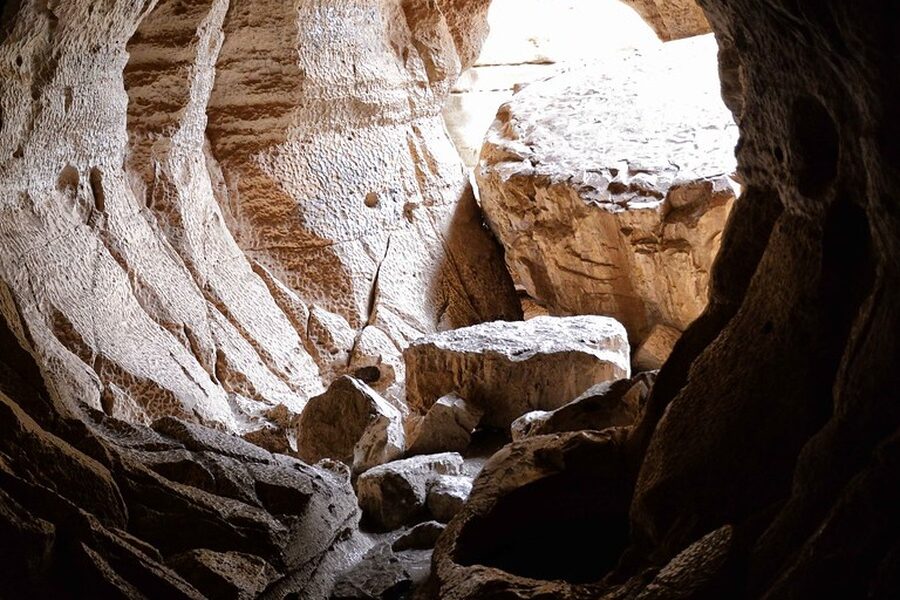
No documented natural caves in Ghana meet the criteria for this list.
The request seeks well‑documented caves with names, exact locations, GPS, access notes, visitor tips, and verifiable sources. Ghana does not offer a set of natural, mapped solution caves that meet those strict documentation and safety requirements. Expect rock shelters, small overhangs, or man‑made tunnels in place of classic cave systems.
Understand the main reason is geology. Much of Ghana sits on hard Precambrian crystalline rock and limited carbonate (limestone) deposits. Those rock types do not form large solution caves. The coastal plain is mostly sand and cliffs, so true sea caves are rare. Many hollow spaces are shallow rock shelters, cultural grottos, or mining adits rather than natural caves formed by long‑term dissolution.
Consider close alternatives that do exist and are safer to research or visit. Look for rock shelters and sacred hollows on inselbergs and hill tops, curated mining‑heritage sites and old adits (visit only with guides), small coastal grottos on rocky headlands, and well‑documented caves in neighboring West African countries. Consult the Ghana Geological Survey and the Ghana Tourism Authority for updates and verified site information before planning a trip.