Type “science museums in Maine” into Google and you’ll get lighthouses. Also railroads, a maritime heritage center, and a wildlife park that happens to have a nature trail. Somewhere in that pile are eight places that are actually science museums — hands-on exhibits, real specimens, a planetarium dome — and none of the existing lists bother to separate them out or tell you what it costs to get in.
This one does. Eight museums, grouped by where you’d actually find them on a Maine road trip, with hours, admission, and which ones are worth a special drive versus which ones you hit if you’re already in the area.
Table of Contents
- TLDR: The Quick Picks
- Southern Maine: Portland’s Two Standouts
- Central Maine & the Bangor Area
- Western Maine’s Mountains
- Downeast & Acadia
- Northern Maine: Aroostook County
- Best for Toddlers and Preschoolers
- Free and Nearly-Free Picks
- Planning a Rainy-Day or Field-Trip Stop
TLDR: The Quick Picks
- Best overall for a family day trip: Maine Discovery Museum, Bangor — three floors, built for kids ages 1–10.
- Most genuinely impressive collection: Maine Mineral & Gem Museum, Bethel — the world’s largest lunar meteorite is in a case there.
- Best free stop: George B. Dorr Museum of Natural History, Bar Harbor — donation-based, right next to Acadia.
- Best oddball detour: International Cryptozoology Museum, Portland — not hard science, but it teaches skepticism better than most.
- Best if you’re already in Aroostook County: Northern Maine Museum of Science, Presque Isle — free, and better than a university science hall has any right to be.
Southern Maine: Portland’s Two Standouts
Portland doesn’t have a big-ticket children’s science center the way Boston or Providence does. What it has instead is two small, specific, well-run places worth building an afternoon around.
International Cryptozoology Museum, Portland. This one needs a caveat: it’s not a science museum in the peer-reviewed sense. It’s a collection built by cryptozoologist Loren Coleman around Bigfoot casts, a Fiji mermaid, and a coelacanth model — the fish everyone assumed was extinct until a South African trawler pulled one up in 1938. The value here is teaching kids how to evaluate a claim: what counts as evidence, why a blurry photo isn’t proof, how a hoax gets built and later gets debunked. Open Monday–Thursday 11 a.m.–5 p.m., Friday–Sunday 10 a.m.–5 p.m. Admission is $10 for ages 13+, $5 for kids 12 and under, free for babies in arms.
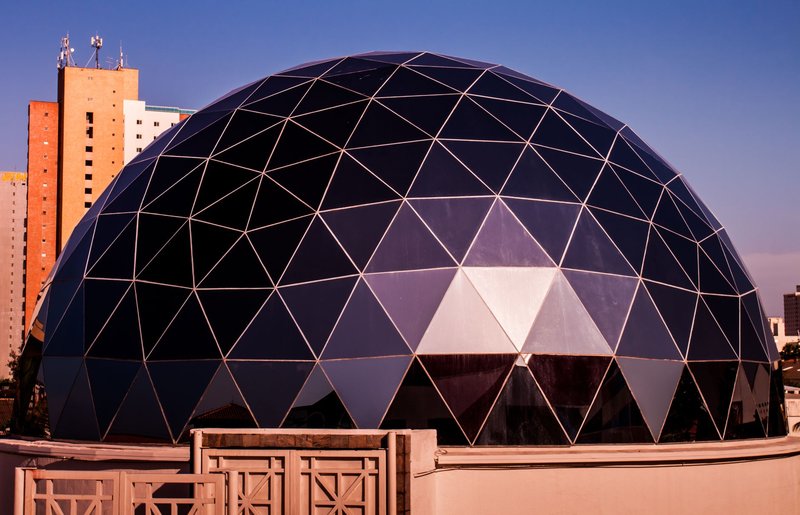
Southworth Planetarium, South Portland. Run out of the University of Southern Maine’s Science Building, this is a real 40-foot dome with public shows most days at 1 p.m. (no Sunday matinees in June, July, and August — check before you drive over). Matinee tickets run $5.50 for adults and $5 for kids and seniors; evening shows are a dollar more, and the Friday double-feature slot is $11/$10. It’s the only public planetarium in the state doing regular daytime shows, which makes it the default pick if a kid asks a moon-phase question you can’t answer.
Central Maine & the Bangor Area
This is the region that actually earns the “best for families” label — two museums, twenty minutes apart, built for two different age ranges.
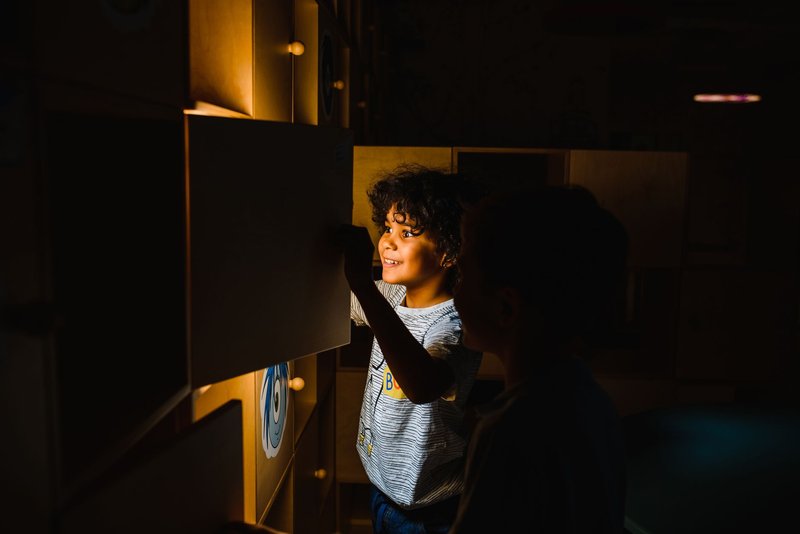
Maine Discovery Museum, Bangor. Three floors in a former Freese’s department store downtown, and it’s built almost entirely around touch: a giant kaleidoscope room, a bubble station, a pretend grocery store, a geography floor with a walk-on map of Maine. Tuesday–Saturday 10 a.m.–5 p.m., Sunday noon–5 p.m. (with a quieter “My Day to Play” sensory-friendly hour from 10 a.m.–noon on Sundays). Admission is $14 per person; under-2s are free. This is the museum that shows up first in every generic “things to do in Bangor” list, and for once the hype is earned — it’s genuinely built for the 1–10 age range, not repurposed office space with some posters.
L.C. Bates Museum, Hinckley. A 15-minute drive from Waterville, on the campus of the Good Will-Hinckley school, this is the opposite of Discovery Museum: a 1903 natural history collection, glass-case dioramas, taxidermy, minerals, and a nature trail out back, all inside a building that hasn’t changed its bones in a century. It reads more like a cabinet of curiosities than an interactive exhibit hall, which makes it a better fit for kids 8 and up who can handle “look, don’t touch.” Open Wednesday–Saturday, 10 a.m.–4:30 p.m. (last entry 4 p.m.), April through November; winter visits are by appointment. Admission is $4 for adults, $1 for anyone under 18.
Western Maine’s Mountains
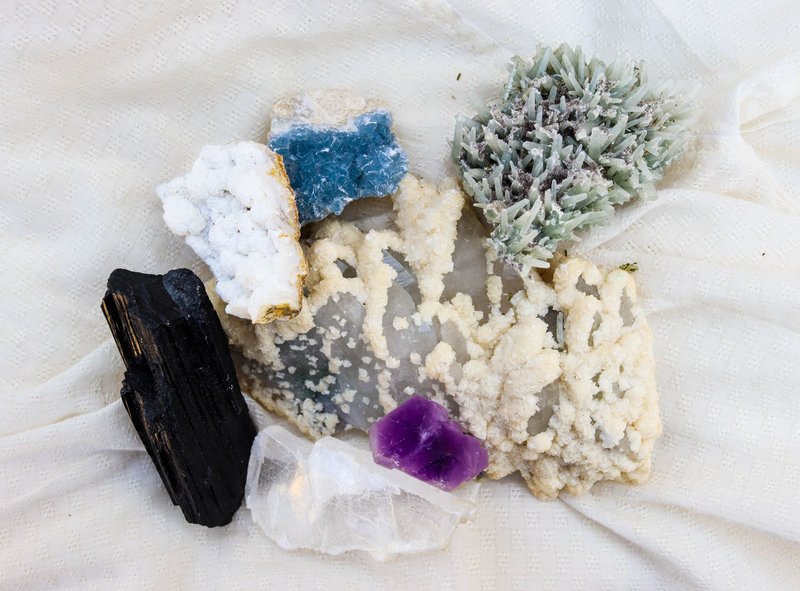
Maine Mineral & Gem Museum, Bethel. This is the one worth a special trip, full stop. Bethel is a ski town in the foothills of the White Mountains, and tucked into its small Main Street sits a museum holding NWA 12760 — the largest confirmed piece of the Moon on Earth, a 128-pound chunk verified by Guinness World Records. The Space Rocks Gallery lets visitors handle actual lunar and Martian material, and the museum’s collection of Moon meteorites outnumbers what NASA itself has on public display. Open Monday, Wednesday–Saturday 10 a.m.–5 p.m., Sunday 11 a.m.–5 p.m.; closed Tuesdays. This isn’t a “kill an hour” stop: budget 90 minutes minimum, and know that the density of the exhibits (real geology, real astronomy, minimal hand-holding text) plays better for ages 10 and up than for toddlers.
Downeast & Acadia
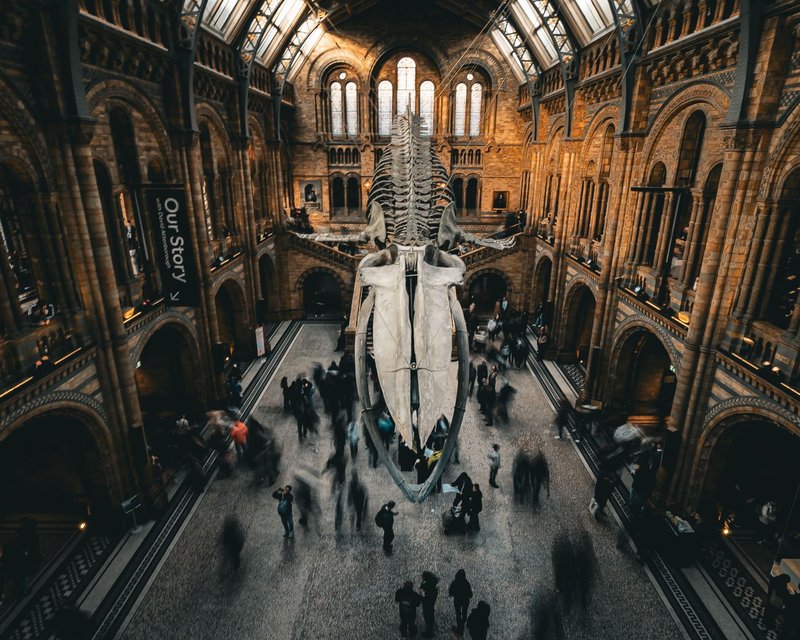
George B. Dorr Museum of Natural History, Bar Harbor. Part of College of the Atlantic, right at the edge of a park that pulled in over 4 million visitors in 2025 — making Acadia one of the ten most-visited national parks in the country. The museum itself is a small, focused collection: taxidermied Maine wildlife, marine specimens, a touch table, and exhibits built by COA students rather than a corporate exhibit-design firm, which gives it a rougher, more specific feel than a typical hall of dioramas. Hours shift with the college calendar: summer runs Tuesday–Saturday 10 a.m.–5 p.m. through early September, then fall hours drop to a patchwork schedule through late November. It’s free to enter; donations are appreciated. Pair it with a morning on the Park Loop Road and you’ve got a full science-and-nature day without paying for two separate attractions.
Northern Maine: Aroostook County
The two museums up here don’t get tourist traffic — Aroostook County is a five-hour drive from Portland — but if you’re in the area for any reason, both are worth the stop, and both are free.
Northern Maine Museum of Science, Presque Isle. Housed in Folsom Hall at the University of Maine at Presque Isle, this is a surprisingly deep collection for a campus science hall: fossils, a mounted moose and other regional wildlife, mineral specimens, and rotating exhibits tied into the university’s own research. Open Monday–Friday and Sunday, 10 a.m.–5 p.m.; closed Saturdays. No admission charge.
Nylander Museum, Caribou. Built as a 1939 WPA project to house the personal collection of Olof Nylander, a Swedish immigrant and self-taught naturalist who spent decades cataloging Aroostook County’s fossils, shells, and minerals by hand. The museum still runs on that same specific, single-collector logic rather than a designed-by-committee layout, which is part of its charm. Open Monday–Friday and Sunday, 11 a.m.–5 p.m.; closed Saturdays.
Best for Toddlers and Preschoolers
If your crew is under 5, skip the mineral cases and the taxidermy — Maine Discovery Museum in Bangor is the only one on this list actually designed around that age group, with soft, hands-on exhibits and a dedicated sensory-friendly hour on Sunday mornings. Everything else here rewards a kid old enough to read a label and not lick the meteorite case.
Free and Nearly-Free Picks
Three of the eight cost nothing: George B. Dorr Museum in Bar Harbor (donation-based), Northern Maine Museum of Science in Presque Isle, and Nylander Museum in Caribou. L.C. Bates Museum in Hinckley is close enough to free that it barely counts — $4 for an adult ticket, $1 for kids. If you’re building a museum-heavy trip on a tight budget, those four cover Downeast and Aroostook County without touching your wallet.
Planning a Rainy-Day or Field-Trip Stop
For a school group or a rained-out beach day, the two most reliable options are Maine Discovery Museum in Bangor (group rates available, built for a full morning of activity) and Maine Mineral & Gem Museum in Bethel, which runs school programs around its meteorite and mineral collection. Both take group bookings — call ahead rather than showing up with 20 kids and hoping. For a smaller class or homeschool pod, L.C. Bates Museum’s group rates make it an easy add-on to a Central Maine trip, and its indoor nature trail exhibits work as a rain backup even when the outdoor trail is too muddy to use.
None of these museums will out-scale the Museum of Science in Boston, and that’s not really the point. What Maine has instead is eight small, specific collections, each built around one person’s obsession or one region’s story — moon rocks in a ski town, a hand-built natural history cabinet on a school campus, a planetarium running out of a university science building. Pick two in the same region, budget half a day each, and you’ll see more real science than most “best museums” listicles bother to show you.