Environmental science is the study of how the physical, chemical and biological parts of the planet interact with each other and with humans. Its main branches are ecology and conservation, atmospheric and climate science, environmental chemistry, geosciences, environmental engineering, environmental health, environmental social science, and environmental data science.
Most lists stop at four or five branches and leave out the fields where much of the hiring and funding now sits. This one uses a single classification and covers all eight, with an example problem, the methods, and the jobs for each.
Table of Contents
- Quick answer: the eight branches
- 1. Ecology and conservation biology
- 2. Atmospheric and climate science
- 3. Environmental chemistry
- 4. Environmental geosciences
- 5. Environmental engineering
- 6. Environmental health and toxicology
- 7. Environmental social science
- 8. Environmental data science
- Comparison table
- How the branches overlap in practice
- Which branch fits you
- FAQ
Quick answer: the eight branches
The first five are the core natural-science and applied branches. The last three are where the field has grown fastest.
- Ecology and conservation biology: living things and their habitats.
- Atmospheric and climate science: air, weather and climate.
- Environmental chemistry: what chemicals do in soil, water and air.
- Environmental geosciences: rock, soil, groundwater and landforms.
- Environmental engineering: designing systems that fix or prevent damage.
- Environmental health and toxicology: how pollutants affect human bodies.
- Environmental social science: policy, economics and human behavior.
- Environmental data science: modeling and remote sensing at scale.
Textbooks disagree on the exact boundaries, and that’s fine. Real projects ignore them anyway.
1. Ecology and conservation biology
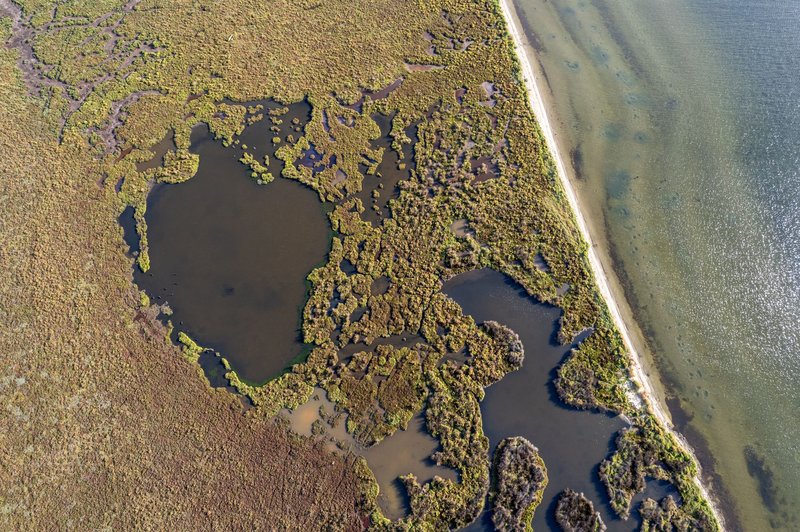
Ecology studies how organisms relate to each other and to their surroundings: food webs, population swings, nutrient cycles. Conservation biology takes that knowledge and applies it to a deadline, namely keeping species and habitats from disappearing.
Example problem: Restoring a drained wetland. Ecologists count amphibians, track water-level changes and measure how fast native sedges return, then decide whether the site is recovering or just turning into a weedy ditch.
Methods: Transect and quadrat surveys, camera traps, mark-recapture studies, DNA sampled from water, and population viability models. The IUCN Red List, run by the International Union for Conservation of Nature, is the standard reference for the threat status of species.
Typical jobs: Wildlife biologist, restoration ecologist, park or refuge scientist, conservation planner.
Ecology versus environmental science is a common point of confusion. Ecology is one branch. Environmental science is the umbrella that also takes in chemistry, geology and policy.
2. Atmospheric and climate science
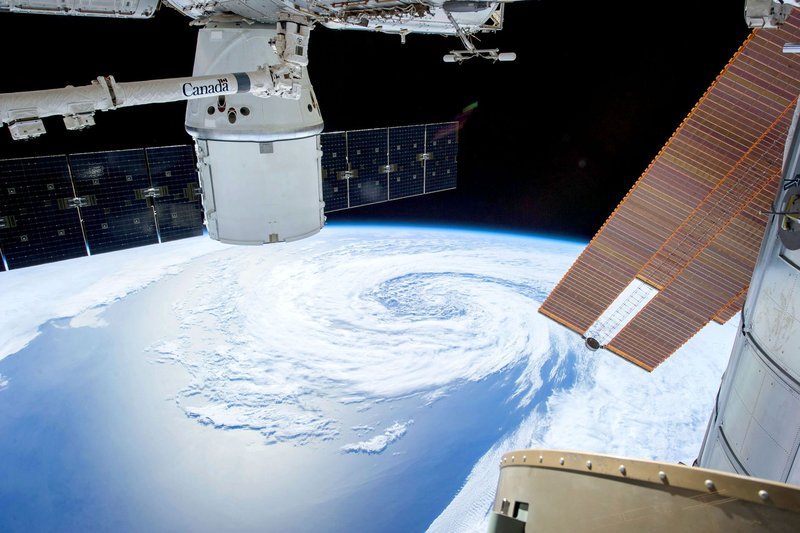
This branch covers the air: weather, air quality, ozone, and the long-term behavior of climate. Atmospheric scientists work on timescales from minutes (a thunderstorm) to millennia (ice-age cycles). The split between climatology and meteorology is explained in this guide to climatology’s branches.
Example problem: Explaining why a city’s ozone spikes on hot, still afternoons. The answer involves nitrogen oxides from traffic, volatile compounds from vegetation, and sunlight, all reacting in a stagnant air mass.
Methods: Weather balloons, satellites, ground monitoring stations, ice cores, and numerical climate models. The Intergovernmental Panel on Climate Change assessment reports pull this research together every few years, and they are the most-cited summary of what the models and measurements show.
Typical jobs: Meteorologist, air quality specialist, climate modeler, research scientist at a government weather agency.
3. Environmental chemistry
Environmental chemistry follows chemicals after they leave the factory, the farm or the tailpipe. Where do they go, what do they turn into, and how long do they last?
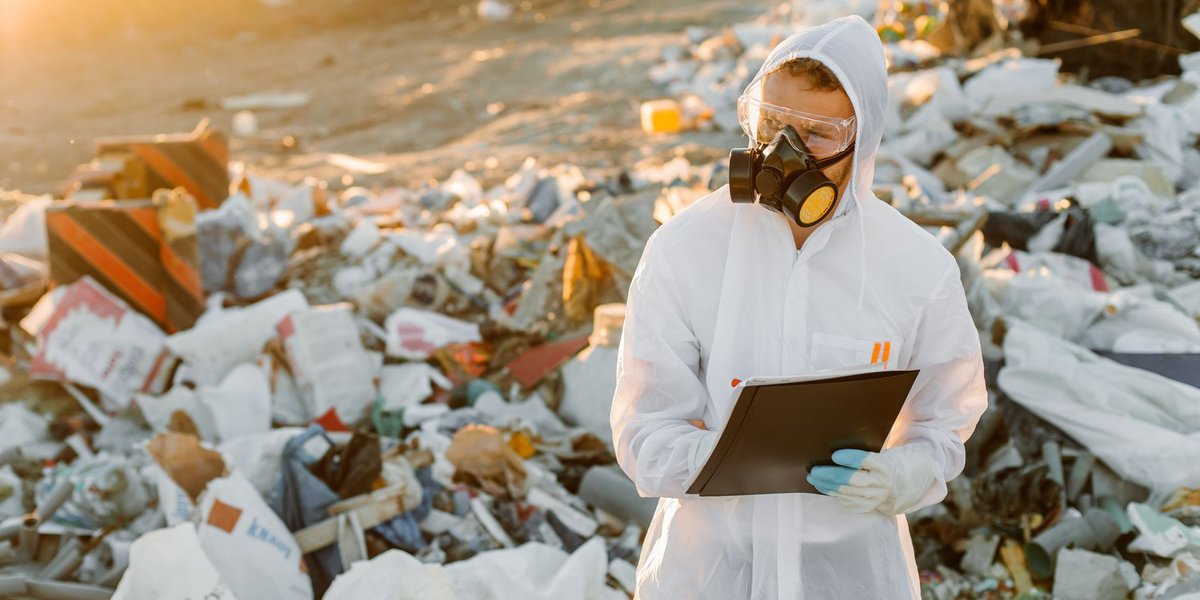
Example problem: Microplastics. Chemists collect water or sediment, separate the particles by density, and identify polymer types with infrared spectroscopy. The NOAA Marine Debris Program funds this kind of monitoring because plastics fragment into pieces too small to collect by hand.
Methods: Gas and liquid chromatography, mass spectrometry, isotope analysis, and controlled lab degradation experiments.
Typical jobs: Water-quality chemist, laboratory analyst, contaminated-site specialist, regulatory scientist.
This is the branch where “forever chemicals” (PFAS) live. They resist breakdown, so tracing them is mostly a chemistry problem before it’s anything else.
4. Environmental geosciences
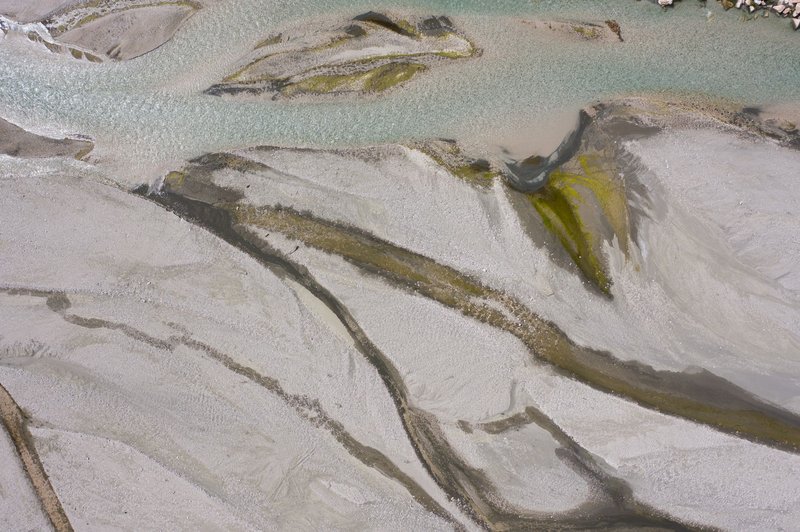
Geoscientists study the solid Earth and the water moving through it: soils, aquifers, rivers, glaciers, coastlines. Environmental geology adds the question of what human activity does to all of that. Glaciers alone split into several subfields, covered in the branches of glaciology.
Example problem: Mapping how far a fuel leak has spread underground. A hydrogeologist drills monitoring wells, measures groundwater flow direction and speed, and predicts where the plume will be in five years.
Methods: Core sampling, well monitoring, soil profiling, ground-penetrating radar, and groundwater flow models.
Typical jobs: Hydrogeologist, soil scientist, environmental geologist, coastal scientist. Many sit in consulting firms that assess land before it’s bought or built on.
5. Environmental engineering
Where the other branches ask what’s happening, engineering asks what to build about it. This branch designs treatment plants, landfill liners, stormwater systems, emissions controls and remediation systems.
Example problem: A town’s drinking water exceeds a contaminant limit. Engineers choose between activated carbon, ion exchange and membrane filtration, then size the system to the flow, the budget and the waste it will generate.
Methods: Process design, pilot testing, hydraulic modeling, and life-cycle assessment, which counts the total environmental cost of a solution from construction to disposal.
Typical jobs: Water and wastewater engineer, remediation engineer, air-permitting engineer, sustainability engineer.
6. Environmental health and toxicology
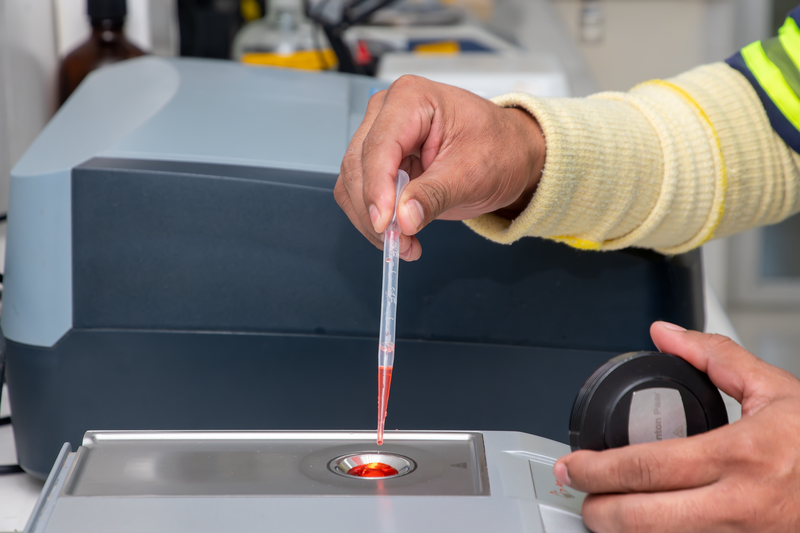
This branch links exposure to outcomes in people. Toxicologists work out how much of a substance causes harm. Epidemiologists look at populations and ask who got sick, where, and what they had in common.
Example problem: Lead in drinking water. Measuring lead at the tap is chemistry. Deciding what level is acceptable for children, and tracking blood-lead levels across a city, is environmental health. The US Environmental Protection Agency sets and enforces the drinking-water limits that come out of this work.
Methods: Dose-response studies, biomonitoring, exposure modeling, and cohort studies.
Typical jobs: Environmental health officer, toxicologist, risk assessor, public health scientist.
7. Environmental social science
Pollution and land loss are caused by decisions, so understanding the people making them matters as much as the soil chemistry. This branch includes environmental policy, economics, law, geography and psychology.
Example problem: A carbon price. Economists estimate what it does to emissions and household costs, policy analysts design who pays, and social scientists find out why some communities back it and others fight it.
Methods: Surveys, interviews, cost-benefit analysis, GIS mapping of who lives near polluting sites, and legal analysis.
Typical jobs: Policy analyst, sustainability manager, environmental planner, advocacy researcher.
Environmental studies programs often lean heavily on this branch, while environmental science programs lean on the natural sciences. If a degree description is mostly policy and writing, it’s studies. If it’s mostly chemistry, biology and calculus, it’s science.
8. Environmental data science
Satellites, sensors and citizen-science apps now produce more environmental data than anyone can read by eye. This branch turns it into answers.
Example problem: Detecting illegal deforestation. A model compares satellite images week to week, flags new clearings, and sends coordinates to field teams.
Methods: Remote sensing, GIS, machine learning, time-series analysis, and statistical modeling in Python or R.
Typical jobs: GIS analyst, remote-sensing scientist, environmental data analyst, climate data scientist. It is also the branch where programming skills raise your pay fastest.
Comparison table
| Branch | Focus | Example problem | Typical job |
|---|---|---|---|
| Ecology and conservation | Organisms and habitats | Wetland restoration | Restoration ecologist |
| Atmospheric and climate | Air, weather, climate | Urban ozone spikes | Climate modeler |
| Environmental chemistry | Chemicals in the environment | Microplastics, PFAS | Water-quality chemist |
| Geosciences | Soil, rock, groundwater | Underground fuel plume | Hydrogeologist |
| Engineering | Building solutions | Drinking-water treatment | Remediation engineer |
| Environmental health | Exposure and human harm | Lead in tap water | Toxicologist |
| Social science | Policy and behavior | Carbon pricing | Policy analyst |
| Data science | Modeling and remote sensing | Detecting deforestation | GIS analyst |
How the branches overlap in practice
Few real problems stay inside one branch. Take a river with recurring algal blooms:
- Chemists trace the phosphorus and nitrogen to fertilizer runoff.
- Geoscientists map how water carries it from fields to the channel.
- Ecologists document the oxygen crash that kills fish when the bloom decays.
- Engineers design buffer strips or treatment wetlands.
- Health scientists assess toxins from certain algae in drinking water.
- Social scientists work out how to get farmers to change practice.
- Data scientists use satellite color data to give early warning.
Climate change works the same way, only larger. That’s why employers care less about your branch label than about whether you can work across two or three of them.
Which branch fits you
- You like fieldwork and animals or plants: ecology and conservation.
- You like physics and large models: atmospheric and climate science.
- You like lab work and instruments: environmental chemistry.
- You like maps, rocks and water underground: geosciences.
- You like building things with a budget: environmental engineering.
- You care about human health outcomes: environmental health.
- You like argument, numbers about people, and law: social science.
- You like coding more than fieldwork: data science.
On pay, the US Bureau of Labor Statistics lists environmental scientists and specialists with a median salary in the upper $70,000s and a bachelor’s degree as the usual entry requirement. Engineering and data roles tend to pay above that, field ecology often below it.
FAQ
What are the main branches of environmental science? Ecology and conservation, atmospheric and climate science, environmental chemistry, geosciences, engineering, environmental health, social science and data science. Older sources list only the first five.
Is ecology the same as environmental science? No. Ecology is one branch. Environmental science also includes chemistry, geology, engineering, health and policy.
What’s the difference between environmental science and environmental studies? Environmental science is built on natural science and math. Environmental studies puts more weight on policy, ethics and social science.
Which branch is best for careers? Engineering, environmental health and data science tend to have the broadest job markets. The right choice still depends on whether you’d rather work in a lab, outdoors, or at a computer.
Do I have to pick one branch? Not early on. Most degree programs teach several, and many scientists end up working at the border between two.