Field of study
Physical Chemistry
29 articles
 Chemistry
Solvents Explained: Types, Uses, and How to Choose One
Table of Contents What Is a Solvent? A solvent is the substance that does the dissolving: the liquid…
November 21, 2026
 Chemistry
Examples of Solvents: Common Types, Uses and Safety
A solvent is the substance that does the dissolving. The solute is the thing that gets dissolved. In…
November 20, 2026
 Chemistry
Real Gases: Why They Break the Ideal Gas Law
A real gas is any actual gas, as opposed to the idealized one in PV = nRT. It…
October 20, 2026
 Chemistry
Non-Electrolytes: Definition, Examples, and How They Work
A non-electrolyte is a substance that dissolves in water without forming ions, so the solution doesn’t conduct electricity.…
October 20, 2026
 Chemistry
Van der Waals Forces Explained: Why Weak Bonds Matter
A gecko can hang from a pane of glass by one toe. No suction, no glue, no static…
September 29, 2026
 Chemistry
12 Redox Reaction Examples From Rust to Respiration
Every chemistry textbook defines a redox reaction the same dry way: electrons move from one species to another,…
September 27, 2026
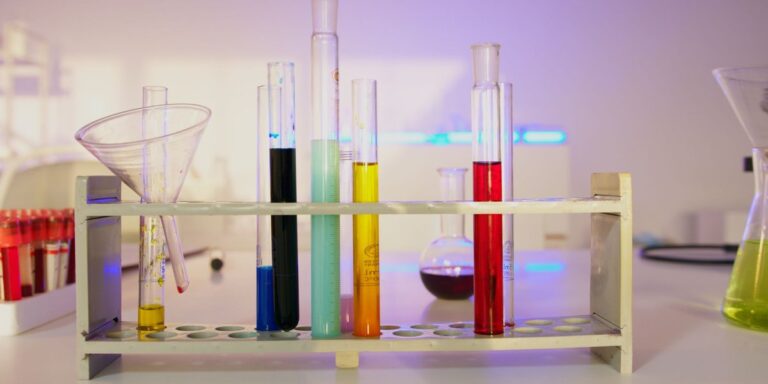 Chemistry
Branches of Physical Chemistry: A Complete Breakdown
Table of Contents Why “Physical Chemistry” Isn’t Really One Subject Ask a chemistry student what physical chemistry covers…
September 15, 2026
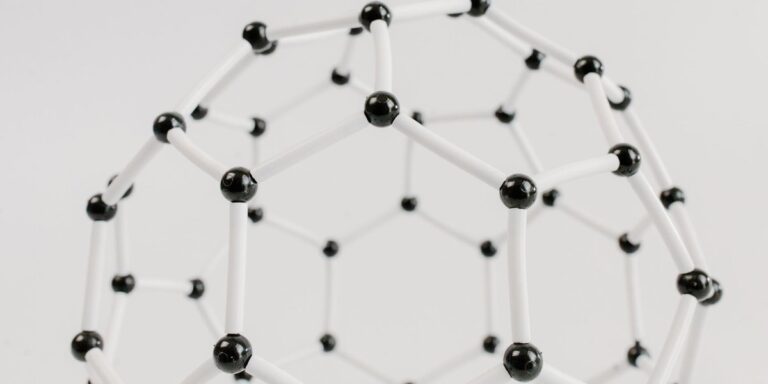 Chemistry
Examples of Isotopes: A Complete Guide by Element
Carbon has three natural isotopes. So does oxygen, magnesium, and potassium. Every element on the periodic table does…
August 25, 2026
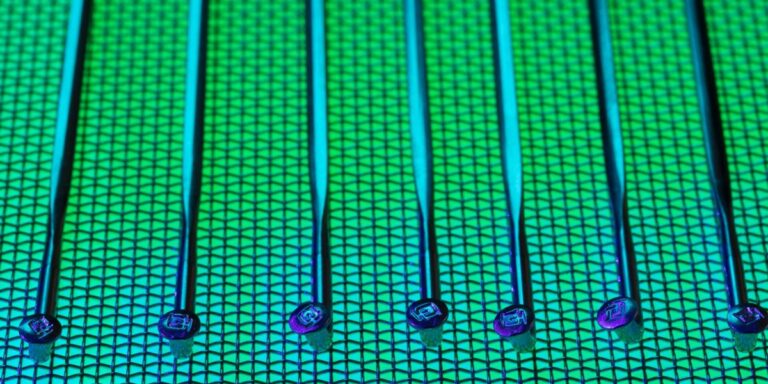 Physics
Silicon Isotopes: What They Are and Why They Matter
TLDR Natural silicon is a mix of three stable isotopes: silicon-28 (92.2%), silicon-29 (4.7%), and silicon-30 (3.1%), plus…
August 14, 2026
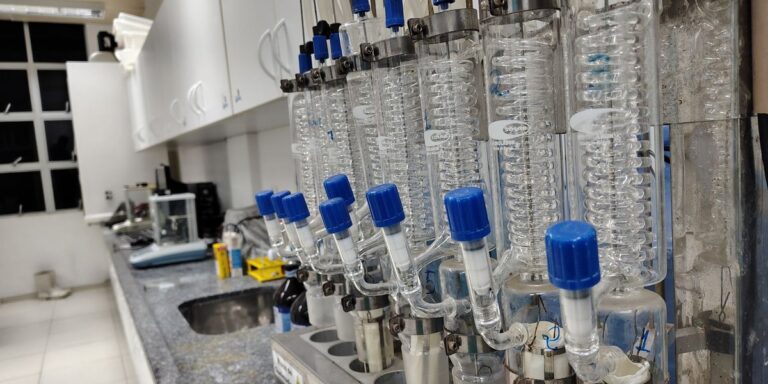 Chemistry
Chemical Equilibrium Explained: Why Reactions Never Stop
Open a bottle of soda and the fizzing stops eventually — that’s not equilibrium, that’s just the CO2…
August 11, 2026
