There are nine water-soluble vitamins: vitamin C and the eight B vitamins (B1, B2, B3, B5, B6, B7, B9 and B12). Your body doesn’t store most of them for long, so you need a steady supply from food.
Contents
- TLDR
- The nine water-soluble vitamins at a glance
- Why water-soluble vitamins need daily replenishing
- Vitamin C (ascorbic acid)
- B1 (thiamin)
- B2 (riboflavin)
- B3 (niacin)
- B5 (pantothenic acid)
- B6 (pyridoxine)
- B7 (biotin)
- B9 (folate)
- B12 (cobalamin)
- Are water-soluble vitamins safe in excess?
- Keeping vitamins in your food
- When supplements make sense
TLDR
- The list: vitamin C, thiamin (B1), riboflavin (B2), niacin (B3), pantothenic acid (B5), pyridoxine (B6), biotin (B7), folate (B9) and cobalamin (B12).
- The opposite group is the fat-soluble vitamins: A, D, E and K.
- Daily need: most of these dissolve in water and leave through urine within hours or days. B12 is the big exception, because the liver holds years’ worth.
- Easiest way to cover them all: eat a mix of vegetables, fruit, whole or fortified grains, legumes, eggs, dairy and some meat or fish.
- Who needs a plan: vegans need a reliable B12 source, and people who could become pregnant need folate.
The nine water-soluble vitamins at a glance
Amounts below are the adult daily figures from the NIH Office of Dietary Supplements. “RDA” is the recommended dietary allowance. “AI” is an adequate intake, used when there isn’t enough data to set an RDA. Where men and women differ, both numbers are shown (men / women).
| Vitamin | Main job | Top food sources | Daily amount (adults) |
|---|---|---|---|
| C (ascorbic acid) | Builds collagen, supports immune function, helps absorb iron | Red peppers, oranges, kiwi, broccoli, strawberries | 90 mg / 75 mg |
| B1 (thiamin) | Turns carbohydrates into energy, supports nerves | Pork, sunflower seeds, whole grains, beans | 1.2 mg / 1.1 mg |
| B2 (riboflavin) | Energy metabolism, healthy skin and eyes | Milk, yogurt, eggs, beef liver, almonds | 1.3 mg / 1.1 mg |
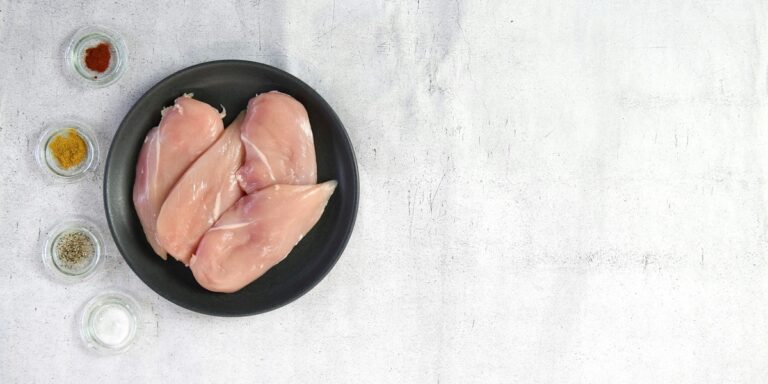
| B3 (niacin) | Makes NAD, a molecule used in hundreds of reactions | Chicken, tuna, turkey, peanuts | 16 mg / 14 mg NE |
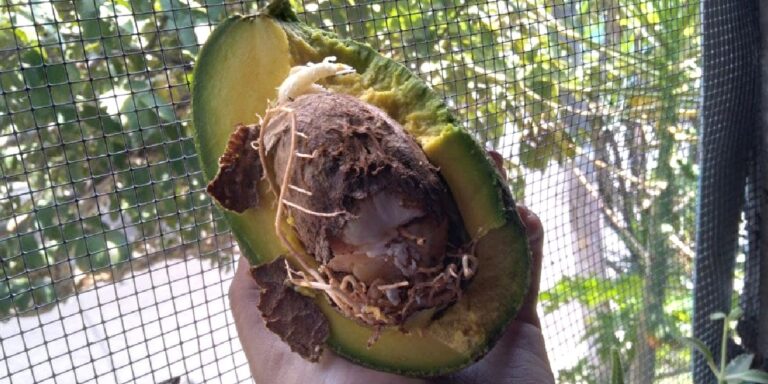
| B5 (pantothenic acid) | Builds coenzyme A, used to make and break down fats | Shiitake mushrooms, chicken, avocado, sunflower seeds | 5 mg (AI) |
| B6 (pyridoxine) | Amino acid metabolism, red blood cells, neurotransmitters | Chickpeas, salmon, tuna, potatoes | 1.3 mg (ages 19-50) |
| B7 (biotin) | Helps metabolize fats, carbohydrates and proteins | Cooked eggs, salmon, sweet potatoes, almonds | 30 mcg (AI) |
| B9 (folate) | Makes DNA, forms red blood cells, prevents neural tube defects | Lentils, spinach, asparagus, fortified grains | 400 mcg DFE |
| B12 (cobalamin) | Nerve function, red blood cells, DNA synthesis | Clams, beef liver, salmon, dairy, eggs | 2.4 mcg |
NE stands for niacin equivalents, and DFE for dietary folate equivalents. The folate figure rises to 600 mcg DFE during pregnancy.
Why water-soluble vitamins need daily replenishing
These vitamins dissolve in water, so they travel freely through blood and watery tissue. Your kidneys filter out what you don’t use and send it out in urine. That’s why a big dose of vitamin C often turns into expensive pee.
Fat-soluble vitamins work the other way. Vitamins A, D, E and K dissolve in fat, get absorbed alongside dietary fat, and settle into fat tissue and the liver. They can pile up over months, which is why an overdose of vitamin A is a real problem and an overdose of thiamin basically isn’t.
Two caveats keep this from being a clean rule. Vitamin B12 is water-soluble but sticks around, because the liver stores enough to last years. Folate and B6 also build up in modest amounts. Vitamin C, thiamin and biotin run low fastest.
Vitamin C (ascorbic acid)
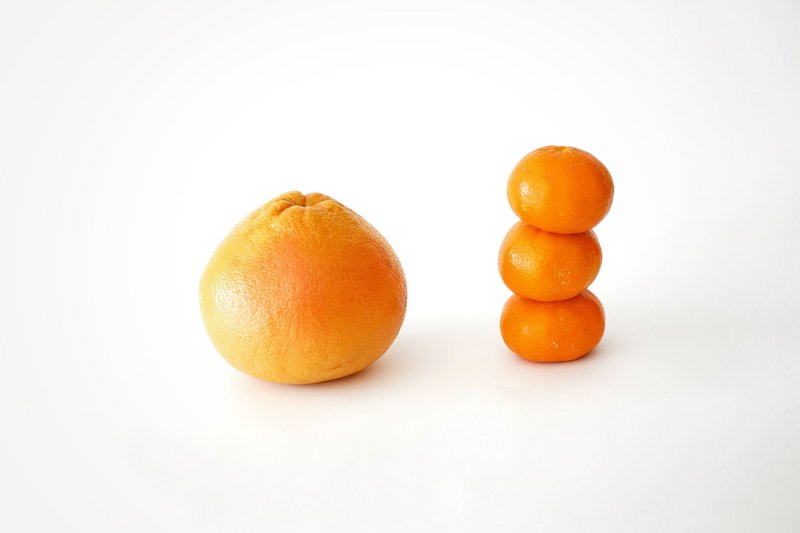
Vitamin C is the one most people name first. Your body uses it to make collagen, the protein in skin, tendons and blood vessel walls, and it helps you absorb the non-heme iron in plant foods. Severe, prolonged deficiency causes scurvy: bleeding gums, bruising, and wounds that won’t heal.
Red bell peppers beat oranges per serving, and kiwi, broccoli, strawberries and tomatoes all deliver a large share of the daily amount. Smokers need an extra 35 mg a day, according to the NIH vitamin C fact sheet.
Best foods: red peppers, oranges, kiwi, broccoli, strawberries.
B1 (thiamin)
Thiamin helps your cells turn carbohydrates into usable energy, and nerves depend on it. The deficiency disease is beriberi, which damages nerves and the heart. In wealthy countries it’s mostly seen in heavy drinkers, because alcohol interferes with thiamin absorption.
White rice and refined flour lose much of their thiamin when the bran is stripped, which is why many countries add it back to enriched products.
Best foods: pork, sunflower seeds, whole grains, beans, fortified cereal.
B2 (riboflavin)
Riboflavin is bright yellow, and it’s the reason your urine turns neon after a multivitamin. It supports energy metabolism and helps keep skin, eyes and the lining of the mouth healthy. Deficiency (ariboflavinosis) shows up as cracked lips, a sore throat and a swollen, magenta-colored tongue.
It breaks down in light. That’s the reason milk has traditionally come in opaque cartons rather than clear glass.
Best foods: milk, yogurt, eggs, beef liver, almonds.
B3 (niacin)
Niacin builds NAD and NADP, two molecules involved in hundreds of reactions that release energy from food. Your body can also make some from the amino acid tryptophan, which is why protein-rich diets rarely cause deficiency. The deficiency disease, pellagra, is classically described by four Ds: dermatitis, diarrhea, dementia and death.
Pellagra spread among people who lived mostly on untreated corn. Niacin in corn is bound in a form your body can’t absorb, until the grain is treated with an alkali, as in traditional nixtamalization.
Best foods: chicken, tuna, turkey, peanuts, fortified cereal.
B5 (pantothenic acid)
The name comes from the Greek pantothen, meaning “from everywhere,” because it turns up in nearly every food. Your body uses it to build coenzyme A, which is needed to make and break down fats. Real deficiency is rare enough that scientists mostly learned about it from controlled experiments.
Best foods: shiitake mushrooms, chicken, avocado, sunflower seeds, eggs.
B6 (pyridoxine)
B6 is involved in more than 100 enzyme reactions, mostly in amino acid metabolism. It also helps make hemoglobin and neurotransmitters such as serotonin. Low levels can cause anemia, a scaly rash, and confusion or nerve problems.
Most adults need 1.3 mg a day until about age 50, then slightly more (1.7 mg for men, 1.5 mg for women). Chickpeas alone supply a large share of a day’s need in one cup.
Best foods: chickpeas, salmon, tuna, chicken, potatoes.
B7 (biotin)
Biotin helps enzymes that process fats, carbohydrates and proteins. Deficiency is uncommon, and the main known cause is eating a lot of raw egg whites, which contain avidin, a protein that binds biotin tightly. Cooking denatures avidin and removes the problem.
Biotin has one real hazard: supplements can distort lab results. The FDA has warned that high-dose biotin can produce falsely high or low readings on some blood tests, including troponin tests used to diagnose heart attacks. If you take it, tell whoever orders your labs.
Best foods: cooked eggs, salmon, sweet potatoes, almonds, sunflower seeds.
B9 (folate)
Folate is the form found naturally in food. Folic acid is the synthetic version used in supplements and fortified grains. Cells need it to make DNA, so tissues that divide fast feel a shortage first: red blood cells (megaloblastic anemia) and the developing embryo.
That second point explains why folate gets so much attention. Low intake before and early in pregnancy raises the risk of neural tube defects such as spina bifida. The NIH folate fact sheet recommends 400 mcg of folic acid daily from supplements or fortified foods for anyone who could become pregnant. This is why many countries fortify bread and flour.
Best foods: lentils, spinach, asparagus, beef liver, fortified cereal and bread.
B12 (cobalamin)
B12 is the largest and most complicated vitamin, and the only one that contains a metal, cobalt. Your nerves, red blood cells and DNA synthesis all depend on it. Deficiency causes anemia and, if it goes untreated, nerve damage that can become permanent.
Plants don’t make B12. Bacteria do, and animals pick it up. Anyone who eats no animal products needs fortified foods or a supplement. Older adults are also at risk, even on meat-heavy diets, because stomach acid declines with age and food-bound B12 is harder to release. The NIH B12 fact sheet covers both groups.
Because the liver stores several years of supply, deficiency creeps up slowly. A strict vegan can feel fine for years before symptoms appear.
Best foods: clams, beef liver, salmon, dairy, eggs, fortified nutritional yeast.
Are water-soluble vitamins safe in excess?
Mostly, yes, with exceptions. The kidneys clear surplus, so the risk is lower than for fat-soluble vitamins. Lower isn’t zero:
- Niacin: the upper limit is 35 mg a day from supplements and fortified foods. Higher doses cause flushing, a hot, itchy, red skin reaction, and very high doses can damage the liver.
- B6: long-term intake well above the 100 mg upper limit can cause nerve damage in the hands and feet.
- Vitamin C: the upper limit is 2,000 mg. Beyond that, expect diarrhea and cramps.
- Folic acid: the upper limit is 1,000 mcg from supplements and fortified foods. Large doses can mask the anemia of B12 deficiency while the nerve damage continues.
Thiamin, riboflavin, B5, B12 and biotin have no established upper limit. High-dose supplements still aren’t a good reason to ignore the biotin warning above. Food-only excess is essentially unheard of.
Keeping vitamins in your food
Because these vitamins dissolve in water, cooking in water washes them away. Boiling vegetables is the classic way to lose vitamin C and folate. A good share ends up in the pot, and heat destroys more.
A few habits help:
- Steam, microwave or stir-fry vegetables instead of boiling them. If you do boil, use the cooking liquid in soup or sauce.
- Cut produce right before cooking rather than hours ahead. More cut surface means more loss.
- Store milk away from light, and keep leafy greens refrigerated, since folate declines as they age.
- Eat some fruit and vegetables raw. A pepper or an orange loses nothing.
A day that covers every vitamin on this list is not complicated. Fortified cereal or oatmeal with yogurt and a kiwi at breakfast, a chickpea and spinach salad at lunch, salmon with a baked potato and broccoli at dinner, and a handful of almonds or sunflower seeds in between. That covers all nine, B12 included.
When supplements make sense
Most people who eat a varied diet don’t need a B-complex or high-dose vitamin C. Supplements make sense in specific cases:
- Vegans and many vegetarians: B12, from fortified foods or a supplement.
- Adults over 50: B12 in supplement or fortified form, since absorption from food drops.
- Anyone who could become pregnant: 400 mcg of folic acid daily.
- Heavy drinkers or people with absorption problems (such as celiac disease or after bariatric surgery): thiamin and others, guided by a doctor.
- Smokers: an extra 35 mg of vitamin C, which food can cover.
If you take a supplement, check the label against the upper limits above, especially for B6, niacin and folic acid, and tell your doctor if you take biotin before blood work.