Rodrigues is a 108 km² volcanic island in the Indian Ocean, about 560 km east of Mauritius. Two endemic birds still live there: the Rodrigues warbler and the Rodrigues fody. At least a half-dozen others are gone, including a flightless relative of the dodo. This guide covers both groups.
Contents
- The short version
- The survivors
- The lost birds
- Quick-reference table
- Where to see the living birds
- Why the survivors survived
The short version
Only two endemic land birds remain on Rodrigues, and BirdLife International lists the island as an Endemic Bird Area because of them. Both are Near Threatened. Everything else the island once had, from the solitaire to the parrot, disappeared between the early 1700s and the 1800s, after humans, rats, cats, pigs and goats arrived.
The survivors
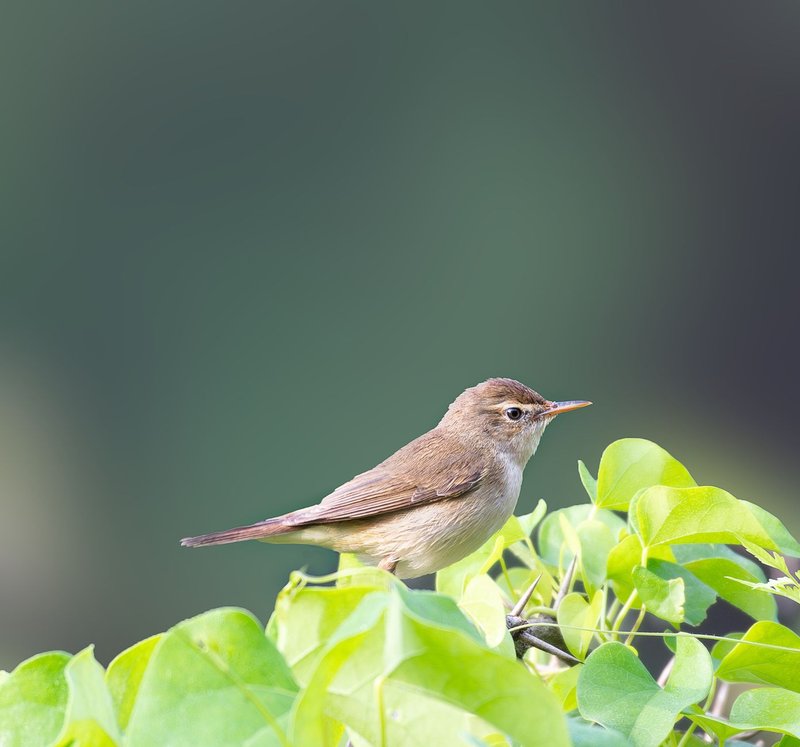
Rodrigues warbler (Bebrornis rodericanus)
A small, plain warbler, olive-brown above and yellowish below, with a pale line over the eye. It forages in the canopy, picking insects off leaves, and it’s easy to overlook until it sings. Its call is a loud, rattling burst for a bird this size.
The warbler’s history is a bottleneck story. Cyclone Monique hit the island in 1968 and stripped the remaining native forest, which had already been reduced to a few percent of its original cover. The warbler population fell to a few dozen birds at most. Replanting of native and exotic trees followed, and numbers climbed back to several thousand. Few birds anywhere have had a recovery that steep.
Rodrigues fody (Foudia flavicans)
The fody is a weaver relative, roughly sparrow-sized. Breeding males carry a bright yellow head and breast, and females and non-breeding males are duller olive. It eats insects, fruit and nectar, and it’s the more conspicuous of the two birds, often visiting gardens and scrubby edges. Endemic Species of Mauritius: The Complete List covers the wider group of endemic animals and plants across the Mauritius islands.
It went through the same cyclone-era squeeze as the warbler: introduced predators, a collapsed forest, then a rebound once habitat returned. The Mauritian Wildlife Foundation has worked on habitat restoration and rat control on Rodrigues, and a larger forest area now supports both species. BirdLife still rates them Near Threatened, since two species sharing one small island can lose most of their numbers to a single bad storm.
The lost birds
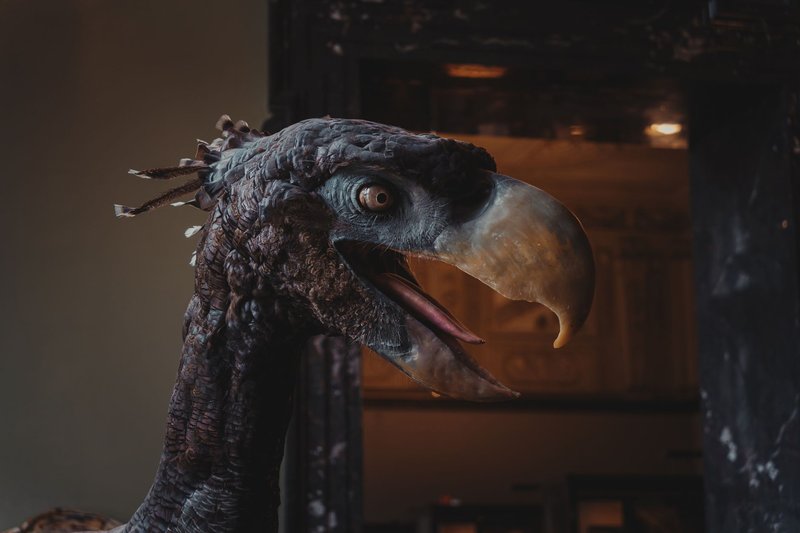
Most of what we know about Rodrigues’ vanished birds comes from two sources: the French Huguenot François Leguat, who lived on the island in 1691 and 1693 and wrote about it, and subfossil bones dug out of caves.
Rodrigues solitaire (Pezophaps solitaria)
A large flightless pigeon, a close relative of the dodo. Leguat described it as stately, with males bigger than females and a bony knob on each wing used in fights. He also noted that the birds were hard to catch in open ground. They disappeared by the 1760s, hunted by settlers and preyed on by cats.
Rodrigues parrot (Necropsittacus rodricanus)
A large, long-billed parrot, described by Leguat as green and plump. Last reliably reported in the 1760s. Introduced predators and hunting probably did it.
Rodrigues starling (Necropsar rodericanus)
Known from a single historical description and a few bones. It was a pale starling that fed along the ground, and it vanished in the 1700s.
Rodrigues scops owl (Otus murivorus)
A small owl known mainly from subfossil bones, which shows how little scientists have to go on for some of these birds. It likely disappeared as the forest was cleared and rats multiplied.
Species known only from bones
Subfossil digs have also produced a night heron, a rail, a pigeon and a parakeet that Leguat noticed or that appear only in the bone record. None of them survived the arrival of people and their animals.
Quick-reference table
| Species | Status | Last record |
|---|---|---|
| Rodrigues warbler | Near Threatened, living | Present |
| Rodrigues fody | Near Threatened, living | Present |
| Rodrigues solitaire | Extinct | 1760s |
| Rodrigues parrot | Extinct | 1760s |
| Rodrigues starling | Extinct | 1700s |
| Rodrigues scops owl | Extinct | Before the 1800s (known from bones) |
Where to see the living birds
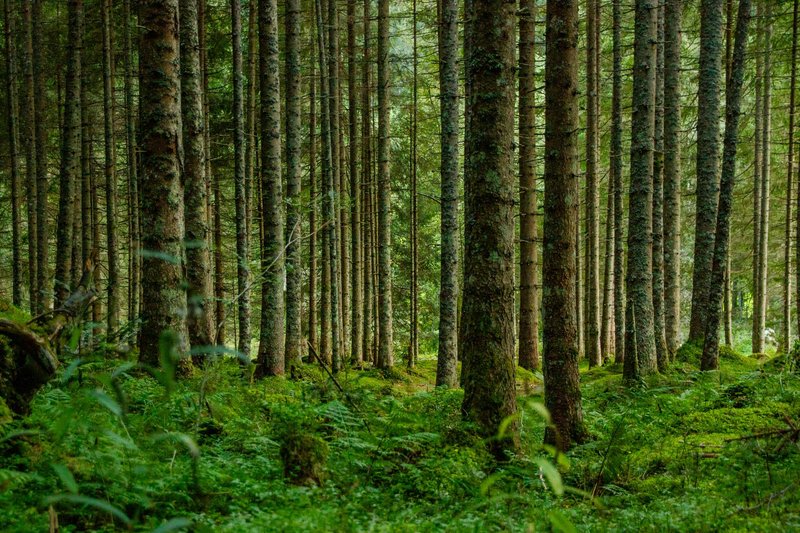
Both birds are most reliable inside the island’s conserved forest patches. Two sites matter:
- Grande Montagne Nature Reserve. The main native-forest remnant on the island. Go early in the morning, when the warbler is calling.
- François Leguat Giant Tortoise and Cave Reserve. Named after the man who wrote the best account of the extinct birds. Fodys are common around the edges.
Bring binoculars. Both birds are small, and the warbler tends to stay high in the leaves.
Why the survivors survived
Two things separate the warbler and fody from the solitaire and the parrot. They’re small and fly, so hunters didn’t see them as food. And they’re insect eaters that could shelter in thin patches of forest. That doesn’t make them safe. A single large cyclone nearly erased both within a lifetime.
The lesson from Rodrigues is that a long list of extinct species sits behind a short list of living ones. The modern work is slow and unglamorous: replanting native trees, controlling rats and cats, and counting birds, season after season.