TL;DR
If you need the short list: starch, glycogen, cellulose, and chitin are the four polysaccharides that show up in every biology course. Starch and glycogen store energy in plants and animals. Cellulose and chitin build structure — plant cell walls and insect or crustacean exoskeletons. The difference between the two pairs comes down to one bond angle, and that single detail is why you can eat a baked potato but not the napkin under it.
That’s the exam-ready version. The rest of this piece covers why that bond matters, where seven lesser-known polysaccharides turn up in your kitchen and medicine cabinet, and how all of this connects to the “dietary fiber” line on a nutrition label.
Table of Contents
- What Actually Counts as a Polysaccharide
- The Storage Polysaccharides: Starch and Glycogen
- The Structural Polysaccharides: Cellulose and Chitin
- Storage vs. Structural, Side by Side
- Why the Alpha/Beta Bond Is the Whole Story
- Seven More Polysaccharides Worth Knowing
- Where This Shows Up on a Nutrition Label
- Check Your Understanding
What Actually Counts as a Polysaccharide
A polysaccharide is just a long chain of sugar units, called monosaccharides, linked together by glycosidic bonds. “Poly” means many, and a single polysaccharide molecule can string together anywhere from a few hundred to tens of thousands of sugar units.
The building block matters less than how the units connect. Glucose is the monomer behind starch, glycogen, and cellulose — three molecules with wildly different jobs and physical properties, built from the exact same sugar. The bond geometry between units, not the sugar itself, decides whether the result is something you digest for breakfast or something that holds up a tree trunk.
The Storage Polysaccharides: Starch and Glycogen
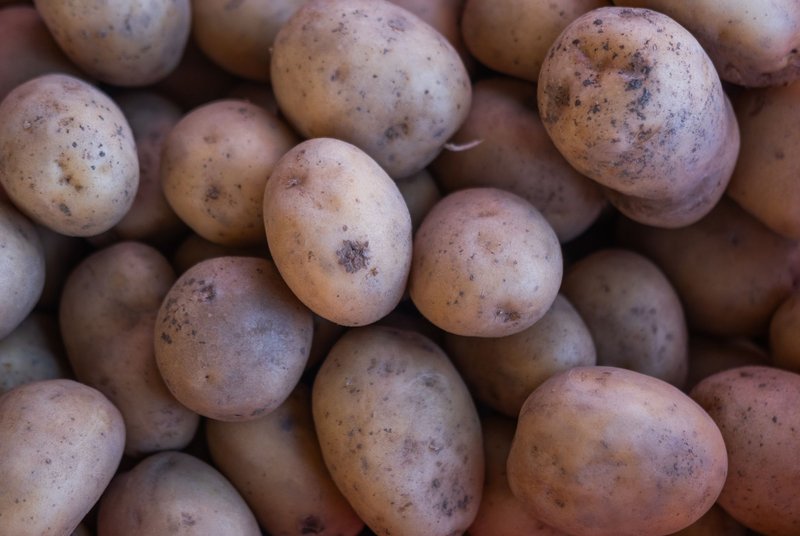
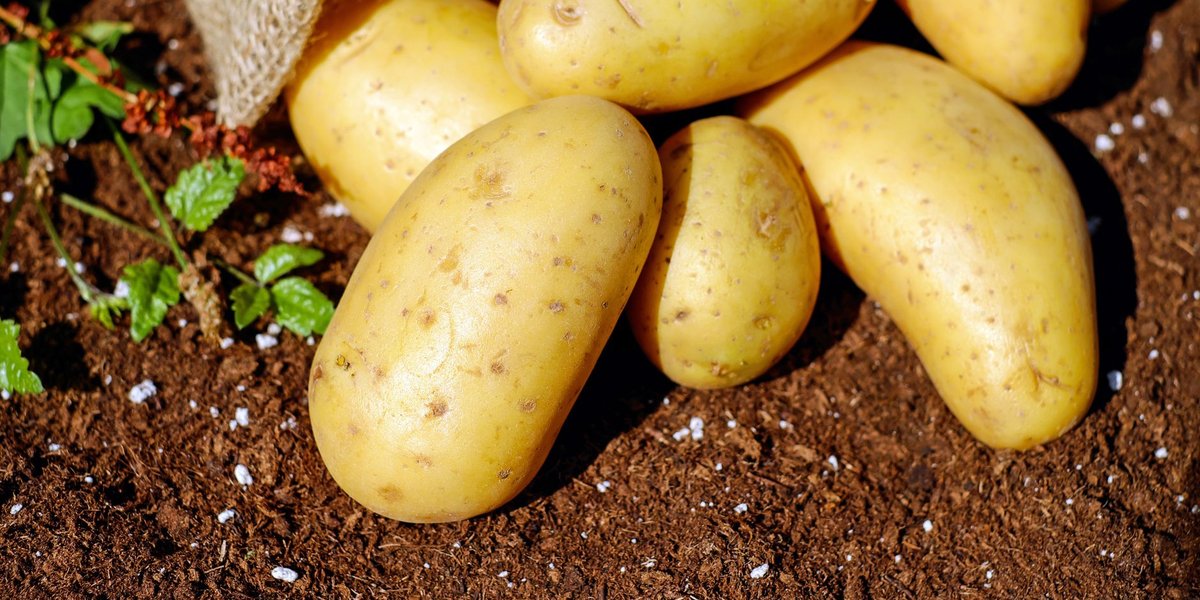
Plants store extra glucose as starch, which is really two molecules bundled together: amylose, a mostly straight chain, and amylopectin, a heavily branched one. That branching matters for function — a branched molecule has more loose ends for enzymes to grab, so amylopectin breaks down for energy faster than amylose does. Potatoes, rice, wheat, and corn all pack their reserves this way, which is why “starchy” and “carb-heavy” get used almost interchangeably in food writing.
Animals run the same idea with a different molecule: glycogen. It’s structurally close to amylopectin but branches even more aggressively, which lets muscle and liver cells release glucose fast when you need it — sprinting for a bus, or your brain firing between meals. Liver glycogen keeps blood sugar steady overnight; muscle glycogen fuels the muscle it’s stored in and doesn’t share with the rest of the body.
Both starch and glycogen use alpha glycosidic bonds, and that single detail is the reason your digestive enzymes can take them apart at all.
The Structural Polysaccharides: Cellulose and Chitin
Cellulose is the most abundant organic molecule on Earth, and it’s still just glucose — the same sugar as starch, linked with a beta bond instead of an alpha one. That one flip turns a coiled, easily digested storage molecule into straight, rigid chains that pack tightly into fibers strong enough to hold up a redwood. Cotton is close to pure cellulose. So is the fiber in a stalk of celery.
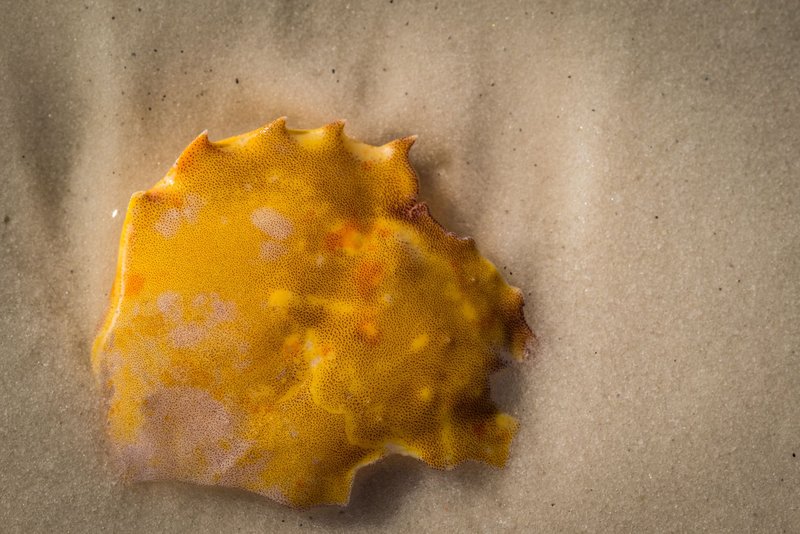
Chitin swaps the monomer: instead of plain glucose, it uses a modified glucose unit with a nitrogen-containing group attached. That change makes chitin tougher and more chemically resistant than cellulose, which is why it forms the exoskeletons of insects, spiders, and crustaceans, as well as the cell walls of fungi. Crack open a shrimp and the shell you’re peeling off is largely chitin.
Neither cellulose nor chitin gets touched by human digestive enzymes. They pass through as dietary fiber, which sounds like a downside until you look at what fiber actually does for gut health and blood sugar regulation, covered further down.
Storage vs. Structural, Side by Side
| Polysaccharide | Monomer | Bond Type | Branching | Function | Found In |
|---|---|---|---|---|---|
| Starch (amylose/amylopectin) | Glucose | Alpha-1,4 (plus alpha-1,6 in amylopectin) | Amylose: none; Amylopectin: high | Energy storage in plants | Potatoes, rice, wheat, corn |
| Glycogen | Glucose | Alpha-1,4 and alpha-1,6 | Very high | Energy storage in animals | Liver, muscle tissue |
| Cellulose | Glucose | Beta-1,4 | None | Structural support in plants | Cell walls, cotton, wood |
| Chitin | N-acetylglucosamine | Beta-1,4 | None | Structural support in exoskeletons | Insects, crustaceans, fungal cell walls |
Why the Alpha/Beta Bond Is the Whole Story
Here’s the part most quick answers skip: the alpha and beta labels describe the orientation of a single hydroxyl group on the first carbon of the glucose ring. Alpha points down, beta points up. That’s the entire physical difference.
But it changes everything downstream. Human amylase, the enzyme in saliva and the small intestine that breaks starch into usable glucose, is shaped to fit alpha bonds and only alpha bonds. It can’t grip a beta linkage, so cellulose slides through your gut untouched no matter how much of it you eat. Cows, termites, and other cellulose-eaters aren’t doing anything humans can’t — they’re hosting gut microbes that produce cellulase, the beta-bond-cutting enzyme humans never evolved, according to research on ruminant digestion documented in the NCBI Bookshelf’s overview of carbohydrate biochemistry.
That’s also why “beta-glucan” oat fiber gets marketed as a cholesterol-lowering ingredient rather than a calorie source. Your body can’t extract energy from it the way it can from oatmeal’s starch, but it still interacts with your gut in ways that matter.
Seven More Polysaccharides Worth Knowing
Most lists stop at the big four. These seven show up constantly in food, medicine, and consumer products, and each one earns its place with a specific job:
- Pectin — found in the cell walls of fruit, especially apples and citrus peel. It’s what makes jam set; commercial pectin is often extracted straight from citrus rind left over from juice production.
- Agar — extracted from red algae, agar gels at a much higher temperature than gelatin and stays solid at room temperature. Microbiologists use it as the base for petri dish growth media; it also shows up in vegan desserts as a gelatin substitute.
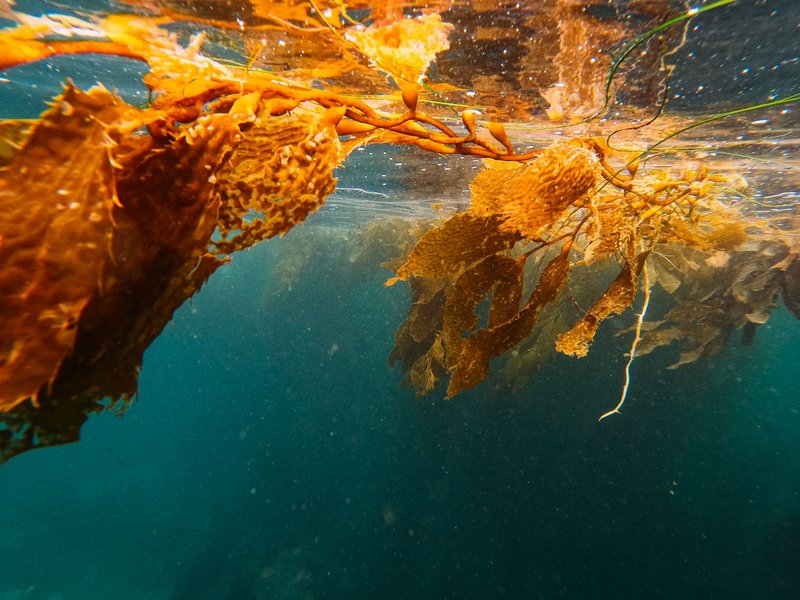
- Alginate — another algae-derived polysaccharide, pulled from brown seaweed like kelp. It gels instantly in the presence of calcium ions, which is the trick behind molecular gastronomy’s “caviar” spheres and behind certain wound dressings that form a protective gel over an open cut.
- Xanthan gum — produced by fermenting sugar with the bacterium Xanthomonas campestris, then listed on ingredient labels for salad dressings, gluten-free baking mixes, and toothpaste. It’s a thickener, and its regulatory status as a food additive is on file with the FDA’s food additive status list.
- Hyaluronic acid — technically a glycosaminoglycan, a polysaccharide category found in connective tissue and joint fluid. It can hold roughly 1,000 times its weight in water, which is the entire reason it ended up in skincare serums and joint-injection therapies.
- Inulin — a storage carbohydrate in chicory root, Jerusalem artichoke, and garlic. Human enzymes can’t break it down, so it passes to the colon where gut bacteria ferment it, which is why it’s marketed as a prebiotic fiber and shows up in high-fiber protein bars.
- Chitosan — made by chemically treating chitin from shrimp and crab shells. It’s used in water filtration, wound-healing bandages, and as a fat-binding supplement, though the evidence for the weight-loss claims is thin.
Where This Shows Up on a Nutrition Label
Every polysaccharide humans can’t digest — cellulose, most hemicellulose, pectin, inulin, chitosan — gets grouped under “dietary fiber” on a nutrition facts panel. The NIH Office of Dietary Supplements’ fiber fact sheet puts the recommended daily intake around 25 to 34 grams for most adults, and most people in the US fall well short of it.
That’s the practical payoff of understanding alpha versus beta bonds: fiber isn’t a separate food category from carbohydrates, it’s carbohydrates your gut enzymes can’t unlock. The distinction between “digestible starch” and “indigestible fiber” is the same alpha/beta split covered above, just relabeled for a cereal box.
Check Your Understanding
-
Which bond type do human digestive enzymes break down: alpha or beta? Alpha. This is why starch and glycogen are digestible while cellulose and chitin pass through as fiber.
-
What’s the structural difference between starch and glycogen? Glycogen branches more heavily than either component of starch, which lets the body mobilize glucose faster during high demand.
-
Name one polysaccharide sourced from algae. Agar or alginate — both come from seaweed and gel under different conditions (heat for agar, calcium for alginate).
-
Why can termites digest wood but humans can’t? Termites host gut microbes that produce cellulase, the enzyme that breaks beta bonds. Humans never evolved that enzyme.