Table of Contents
- TLDR
- The quick-reference table
- 1. Great Expectations Cave
- 2. Tongue River Cave
- 3. Horsethief Cave
- 4. Natural Trap Cave
- 5. Kane Caves
- 6. Darby Canyon Ice Cave
- 7. Spirit Mountain Cave
- 8. Vapor Cave
- 9. The Sinks
- 10. Outlaw Cave
- Before you go underground
TLDR
Most Wyoming caves aren’t tourist attractions you walk into on a whim — they’re wild caves on federal land, and the majority require a permit, a key, or a registration code before you can get past the gate. Two exceptions worth knowing up front: Darby Canyon Ice Cave, a permanent ice cave in the Tetons that costs nothing and needs no paperwork, and the Sinks near Lander, where a river vanishes into limestone in a state park parking lot. If you want something you can actually walk into today, start with those two, then Vapor Cave in Thermopolis if you’d rather sweat than crawl. Everything else on this list is real caving — bring a headlamp, call ahead, and read the permit column below before you drive out.
The quick-reference table
Every “best caves in Wyoming” article makes you dig through paragraphs to find out if a cave needs a permit. Here’s the version that doesn’t.
| Cave | Difficulty | Permit Needed | Kid-Friendly |
|---|---|---|---|
| Great Expectations Cave | Expert (vertical, ropes) | Yes — NSS Nature Preserve permit | No |
| Tongue River Cave | Moderate (stream passage) | Yes — free Forest Service registration | Older kids only |
| Horsethief Cave | Difficult | Yes — contact NPS South District office | No |
| Natural Trap Cave | Easy (overlook) / Expert (pit) | Yes for descent; tours are seasonal | Yes, for scheduled tours |
| Kane Caves | Difficult, seasonal closure | Yes — BLM Cody office | No |
| Darby Canyon Ice Cave | Difficult hike, moderate scramble | No | Older kids only |
| Spirit Mountain Cave | Moderate-difficult (3 levels) | Yes — BLM Cody office, key required | No |
| Vapor Cave | Easy (walk-in) | No — paid admission via Star Plunge | Adults 21+ only |
| The Sinks | Easy (paved path) | No, free | Yes |
| Outlaw Cave | Moderate (steep 1,000-ft descent) | No, free BLM trail | Older kids only |
1. Great Expectations Cave
Great Expectations sits in the Big Horn Mountains near Greybull, and it’s the deepest cave in the state by a wide margin — surveyed to more than 1,400 feet with over six miles of mapped passage. It’s not BLM or Forest Service land; it’s a private preserve owned and managed by the National Speleological Society, which is the reason it survived as well as it did. Gypsum formations this delicate don’t last long once foot traffic shows up uncontrolled.
Access runs through the NSS Nature Preserve Permit System, and realistically this cave is for people who already cave — vertical technique and rope work are required to get past the entrance drops. Not a beginner outing, and not one for kids.
2. Tongue River Cave
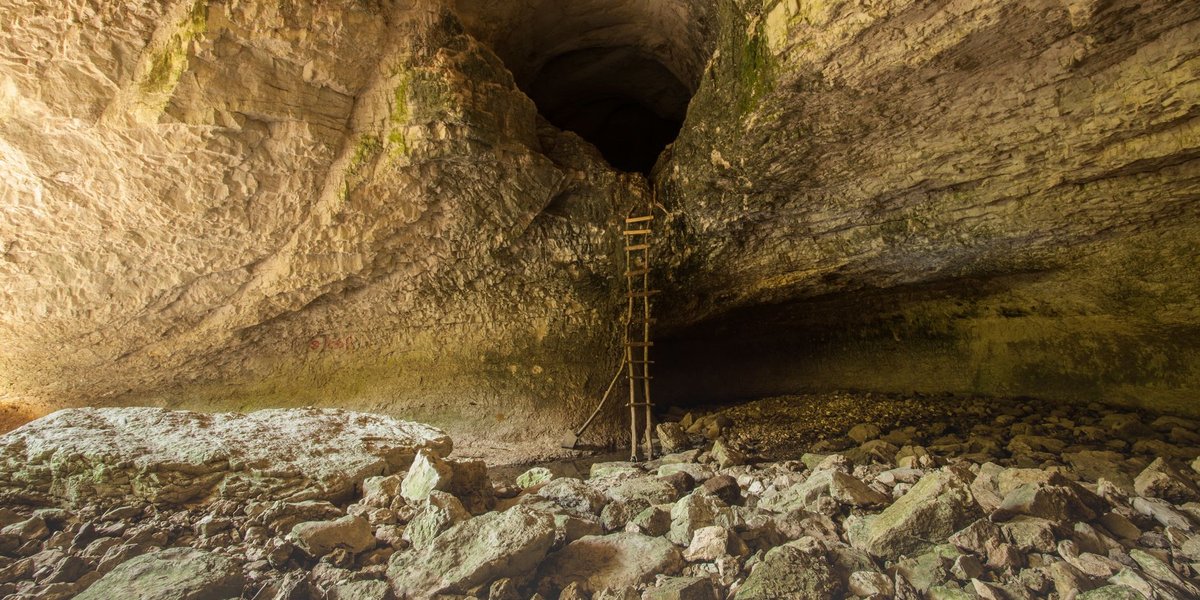
Tongue River, up Tongue River Canyon outside Dayton in the Bighorn National Forest, is the closest thing Wyoming has to a “gateway” wild cave. It’s a stream cave — you’re wading, not just walking — with enough room and enough passage variety that it’s been the go-to first caving trip for Sheridan-area locals for decades.
It used to be gate-free. Vandalism changed that: you now register through the Bighorn National Forest site (Recreation > Cave Registration) for a combination that’s changed periodically, and gear decontamination is mandatory to stop the spread of white-nose syndrome in the resident bat population. The cave closes annually from April 15 through August 31 to protect that same bat population during hibernation and pup-rearing, so this is a fall-through-early-spring cave, not a summer one. Water levels spike hard during snowmelt — check conditions before you commit to a date.
3. Horsethief Cave
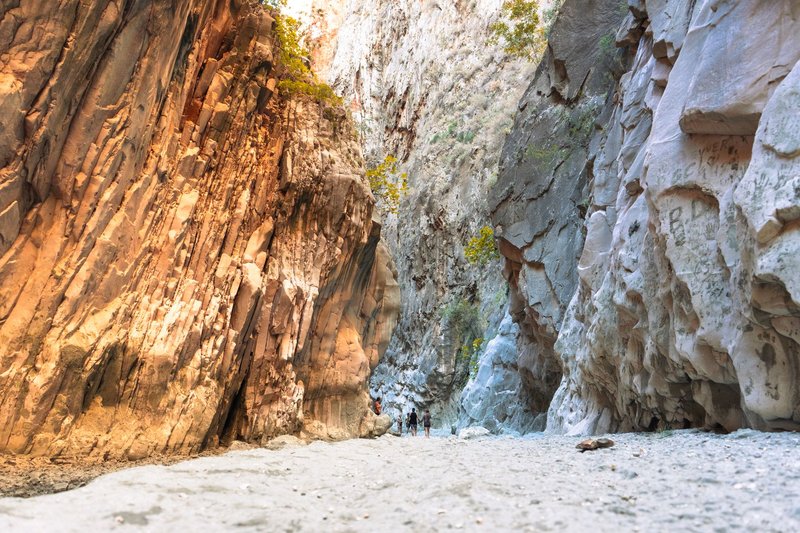
Horsethief Cave, near Lovell on the Wyoming-Montana line inside Bighorn Canyon National Recreation Area, is enormous by regional standards: over 12 miles of surveyed passage, connected to the 8-mile Bighorn Cavern system next door. The name is literal — 19th-century horse rustlers reportedly used it to disappear.
This one comes with a real caveat. The Park Service actively discourages visiting any cave in the recreation area right now, citing both the technical difficulty of the passages and the risk of spreading white-nose syndrome to the dozen-plus bat species living in the system. If you’re set on going, that starts with a call to the South District Visitor Center in Lovell, not a walk-up. This is not a kid-friendly outing, and honestly, it’s not a casual-adult outing either.
4. Natural Trap Cave
Natural Trap Cave, also near Lovell, isn’t a cave you walk into so much as a hole you’d fall into if you weren’t paying attention — which is exactly what happened to tens of thousands of animals over the last 100,000 years. It’s an 85-foot vertical pit with no natural exit, and paleontologists have pulled Ice Age lion, cheetah, and mammoth remains out of the sediment at the bottom.
The BLM keeps it grated year-round to stop people from falling in or looting fossils, but scientific digs and occasional public tours have run in summers when funding and staffing line up — worth checking BLM Wyoming’s events calendar before you plan a trip around it. If a tour is running, it’s genuinely one of the more kid-appropriate entries on this list, since you’re viewing the pit and the science from the surface, not descending.
5. Kane Caves
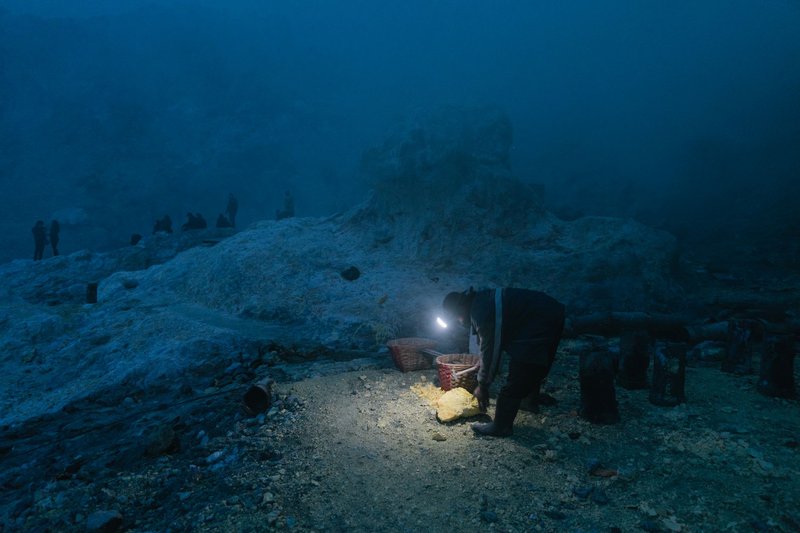
Kane Caves, in the Bighorn Basin near Lovell, aren’t the prettiest entry on this list, and that’s the point. They’re active sulfuric-acid caves — the sulfide-rich spring water reacts with air to form snottites, mucus-like microbial colonies that drip acid close to battery-acid pH. Researchers study them as a working model for how sulfuric acid, not the usual carbonic acid, carves some limestone caves.
Access runs through the BLM’s Cody field office, and the caves close seasonally to protect bats. This is a research site more than a recreation site — go for the science, not for a casual scramble, and don’t touch the formations. That acid is real.
6. Darby Canyon Ice Cave
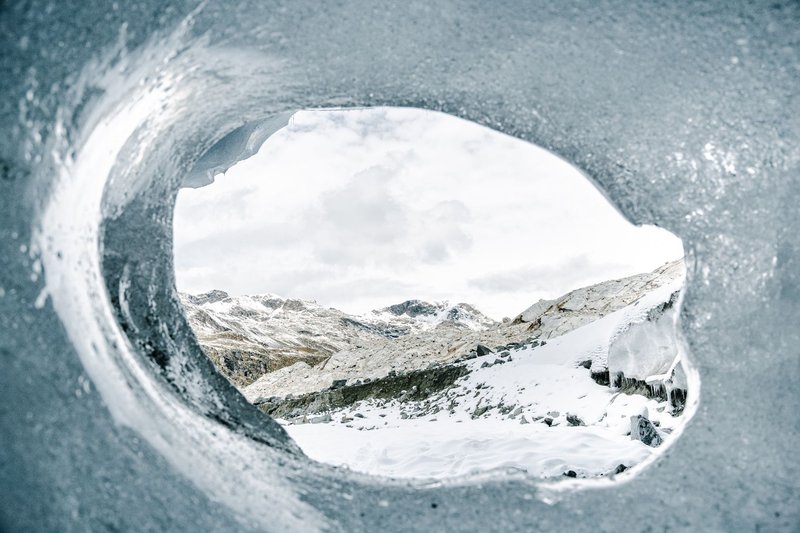
On the Idaho side of the Tetons near Alta, Darby Canyon holds Wyoming’s most accessible genuine ice cave — no permit, no fee, no phone call required. The catch is the approach: 6.2 miles round-trip to reach Wind Cave with 1,700 feet of elevation gain, then another 0.78 miles up-canyon and a scramble over a loose scree slope to reach the Ice Cave itself. Getting inside means free-climbing over rock ledges and, depending on the year, crawling through narrow ice-lined passages.
Go late June through September, once the seasonal snow has cleared the approach — the ice inside stays year-round regardless of how hot the trailhead gets. This is a strong one for older kids with hiking experience, not toddlers.
7. Spirit Mountain Cave
Here’s the twist most listicles skip entirely: Spirit Mountain Cave, above Cody, and the old “Shoshone Cavern” you’ll see mentioned in older travel writing are the same cave. It was Wyoming’s second national monument, proclaimed in 1909 after outfitter Ned Frost found it, then handed to the City of Cody in 1954, neglected for over two decades, and finally returned to federal management under the BLM in 1977 — making it the only delisted national monument in state history. It’s been called Frost Cave, Shoshone Caverns, and now Spirit Mountain Cave, all for the same passages.
The cave spans three levels and more than 4,000 feet of surveyed passage, with handlines recommended for the steeper transitions between them. Access is gated; you’ll need to request a permit and key from the BLM’s Cody office directly. Roughly 600 to 1,000 people make the trip each year — not a secret, but not a walk-up either.
8. Vapor Cave
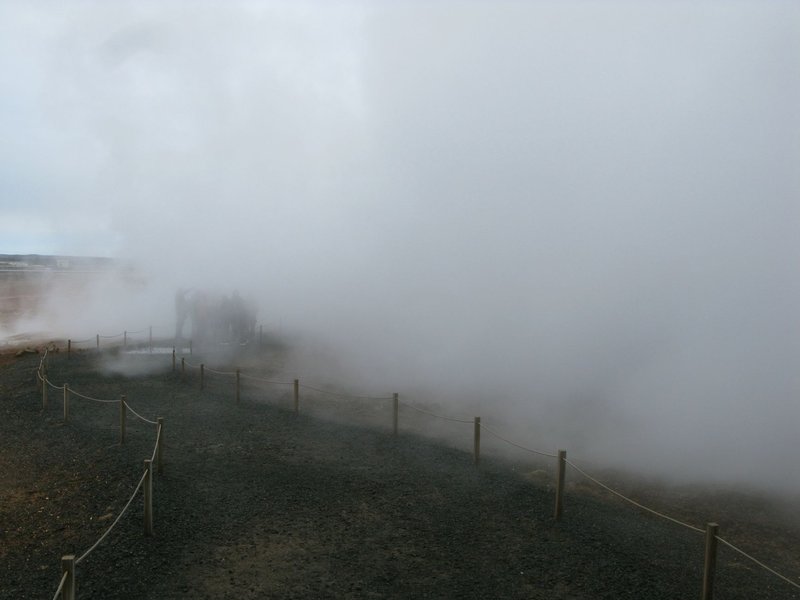
Vapor Cave, part of Hot Springs State Park in Thermopolis, is the one cave on this list you can visit without a headlamp. It’s a natural steam room carved into the mountainside above Star Plunge, fed continuously by the same mineral hot springs that make Thermopolis a soaking destination, and it’s restricted to guests 21 and older. Admission runs through Star Plunge’s general ticket rather than a separate fee, and the park itself — including the free public soaking pools nearby — stays open year-round.
It’s the outlier on this list in every direction: no permit, no crawling, no bats, and no kids allowed. If the rest of this article sounds like too much gear and paperwork, this is the one to book instead.
9. The Sinks
Sinks Canyon State Park, southwest of Lander, isn’t a cave you enter — it’s a cave you watch happen. The Popo Agie River runs straight into a limestone cavern called the Sinks and vanishes, only to resurface a quarter-mile downstream in a calm, trout-filled pool called the Rise. Dye tests have shown the water takes over two hours to make that quarter-mile underground trip, which tells you something about how much cave is actually down there that nobody’s mapped.
It’s free, it’s paved to the viewing area, and it’s one of the only entries here you could bring a stroller to. Pair it with the park’s above-ground hiking trails for a half-day outing near Lander.
10. Outlaw Cave
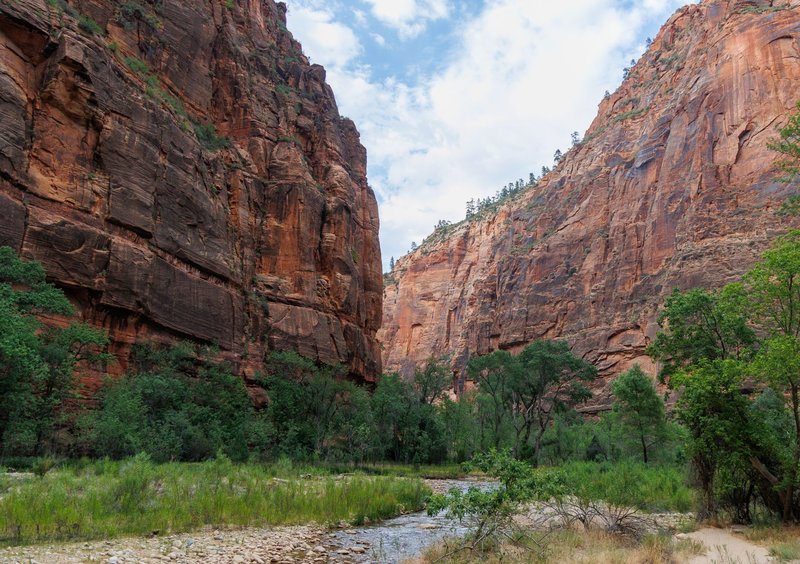
Outlaw Cave sits about 20 miles southwest of Kaycee, in the Hole-in-the-Wall country that sheltered Butch Cassidy’s Wild Bunch and, by local account, Jesse James before them. The BLM’s Outlaw Cave Trail drops nearly 1,000 feet from the campground rim down to the Middle Fork of the Powder River, putting you across the water from the cave itself rather than inside it — most visitors come for the canyon and the history, not a crawl.
It’s free, no permit required, and the adjoining 12-site campground makes it an easy overnight if you’d rather not drive back out the same day. The descent is steep enough that it’s a better fit for older kids and adults than for a family with toddlers in tow.
Before you go underground
The pattern across this list is consistent even when the caves aren’t: Wyoming’s best caves sit on federal land managed to protect bat colonies from white-nose syndrome, a fungal disease that’s wiped out millions of bats across North America, so permits and seasonal closures aren’t bureaucratic friction — they’re the reason these caves still have bat colonies at all. Decontaminate gear when it’s asked of you, and don’t assume a cave that was open last year is open this one.
If you only take two things from this list: call the managing agency before you drive out, since permit systems and lock codes change more often than any article can track, and if you want zero paperwork, Darby Canyon Ice Cave and the Sinks are the two that’ll actually let you show up and go.