No results: there are no strictly endemic vascular plant species of Singapore under a narrow, island-only definition
Define the scope up front: this list looks only at vascular plants (ferns, conifers, flowering plants) that are native and found exclusively inside the political boundary of Singapore. Under that strict definition, no species meet the criterion.
This result happens for clear reasons. Singapore is very small and has lost most original forest to development. Many plants once described from Singapore are later found on the nearby Malay Peninsula. Taxonomy also changes over time: species once thought unique are often reclassified, merged with wider-ranging species, or found in additional surveys. As a result, strict “island-only” endemics among vascular plants are effectively zero.
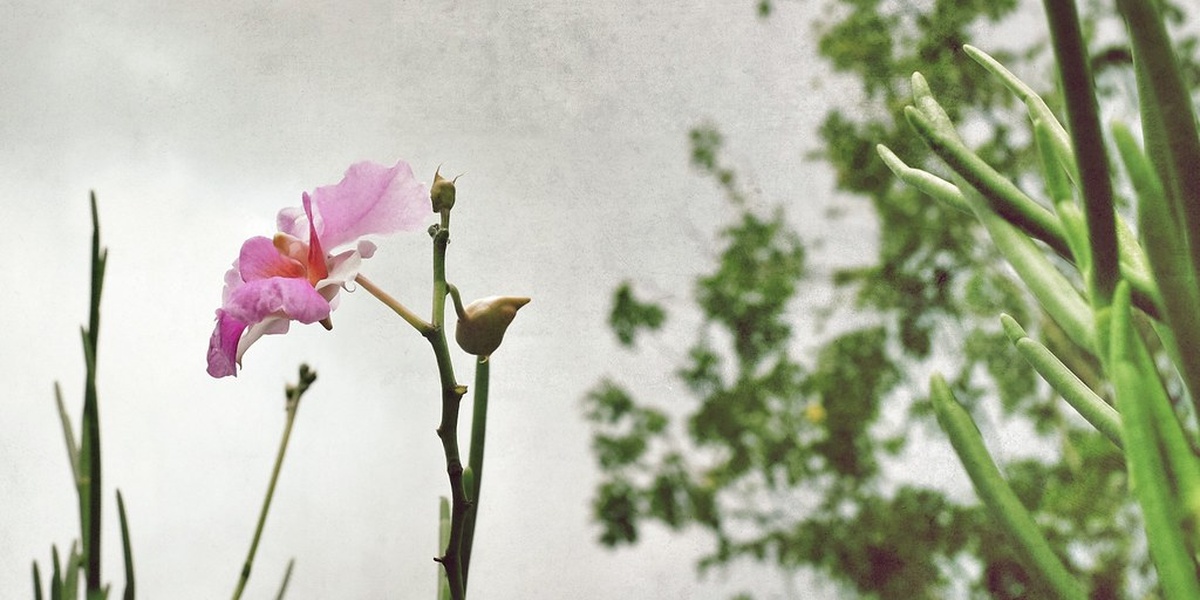
Technical and historical factors matter. Biological ranges rarely stop at a political border, so strict endemism is a tough rule to meet here. Some plants survive only as cultivated or remnant populations in gardens, not as wild, wild populations. Some high-profile examples help explain the difference: the national flower Vanda ‘Miss Joaquim’ is a cultivated hybrid, not a wild endemic. Close alternatives that do exist include near-endemics (species mostly found in Singapore and nearby Johor), endemic subspecies or varieties, and species that are locally extinct but preserved in botanical collections.
Look instead at related, useful categories. Explore near-endemic plants of the Singapore–Malay Peninsula, locally rare native species, extirpated species preserved in gardens, and conservation priority lists. Check authoritative resources such as NParks’ Flora & FaunaWeb and the Singapore Botanic Gardens for species accounts, photos, and where to see native and near-native plants.