Chemical energy is the energy stored in the bonds between atoms and molecules. That’s the whole concept in one line. Break or rearrange those bonds in a chemical reaction, and the energy comes out — usually as heat, light, motion, or electricity.
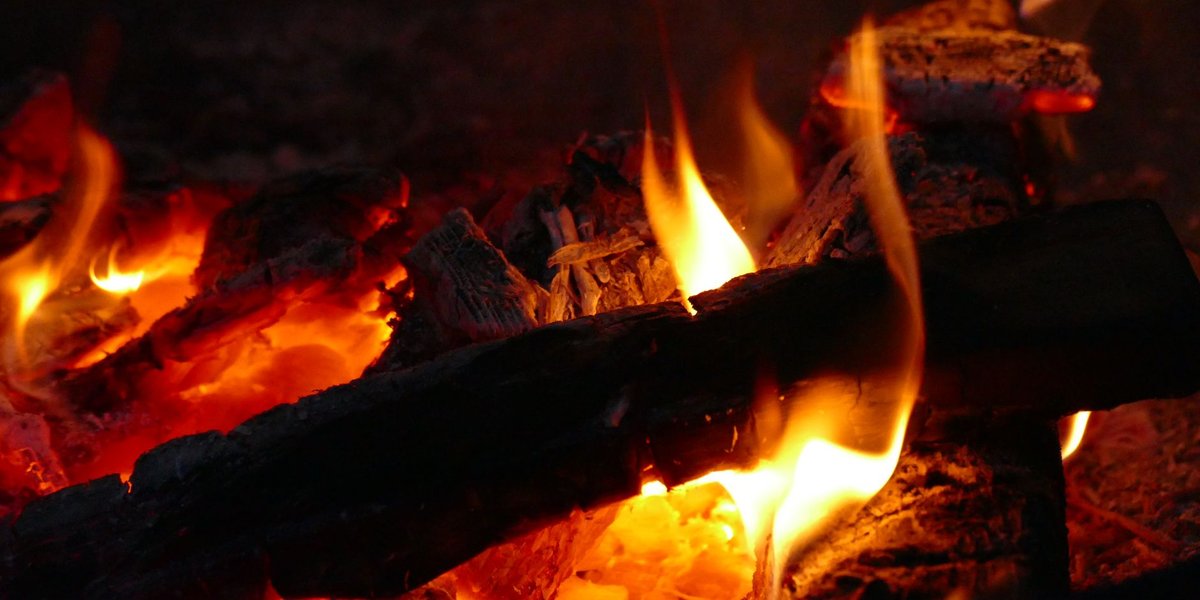
The catch most explainers skip: chemical energy is a form of potential energy. It’s stored, waiting, doing nothing until a reaction releases it. A log sitting in your fireplace holds the same chemical energy whether it’s lit or not. The fire is just the moment that energy converts into something you can feel.
Below are 15 examples, grouped so they actually make sense, with what’s stored and what it becomes in each case.
Table of Contents
- Everyday and Household
- Food and Biology
- Fuels
- Reactions and Safety Devices
- Exothermic vs. Endothermic
- Try It at Home
- FAQ
Everyday and Household
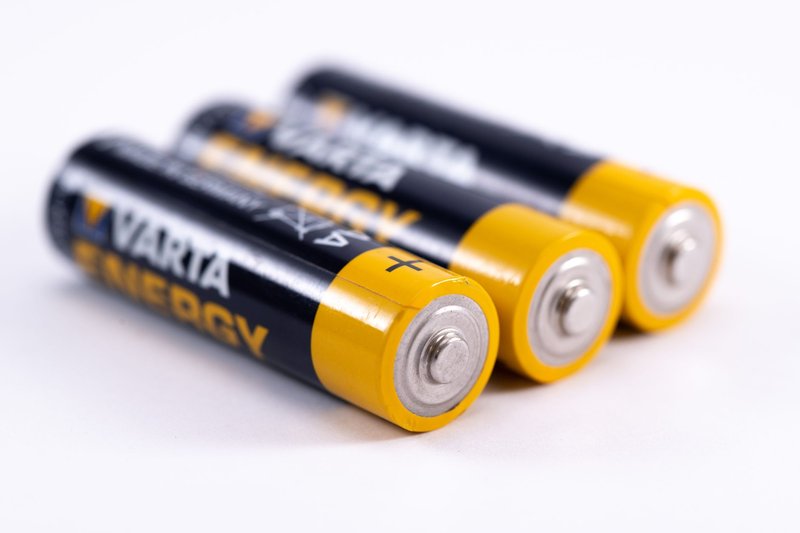
1. Batteries. A battery is a tidy little package of chemical energy. Inside, two different materials (the electrodes) sit in a chemical solution. When you close the circuit, a reaction pushes electrons from one side to the other, and that flow is electricity. Chemical energy converts straight into electrical energy. A standard alkaline AA holds its charge for years on a shelf precisely because the reaction won’t start until the circuit is complete.
2. Burning candles. The wax is the fuel. As the wick draws melted wax up and the flame ignites it, the hydrocarbon bonds in the wax break and recombine with oxygen. Chemical energy becomes light and heat. A single candle releases roughly 80 watts of heat — about the same as a dim incandescent bulb running flat out.
3. Hand warmers. The disposable kind contains iron powder. Open the package, expose it to air, and the iron starts rusting — oxidizing — in a slow, controlled reaction. Rusting normally takes years, but the fine powder and a salt catalyst speed it up enough to throw off usable heat for hours. Chemical energy converts to thermal energy, no flame required.
4. Glow sticks. Snap a glow stick and you mix two chemicals that react to produce light without heat — a process called chemiluminescence. This is the rare example where chemical energy converts almost entirely to light energy and skips the thermal step. That’s why a glow stick stays cool while it shines. The same cold-light chemistry shows up in nature, where bioluminescent organisms make their own light through an almost identical reaction.
Food and Biology

5. Food. Everything you eat is chemical energy storage. The bonds in carbohydrates, fats, and proteins hold energy that your body unlocks through digestion and cellular respiration. Your cells convert it into the motion of your muscles, the heat that keeps you at 98.6°F, and the electrical signals firing in your brain. Food energy is measured in calories — and a dietary Calorie is actually a kilocalorie, the energy to raise a kilogram of water by one degree Celsius. The energy density is no accident either: it comes down to how carbohydrates are structured, with bonds arranged to pack and release energy efficiently.
6. Photosynthesis. This is where most of the chemical energy on Earth originates. Plants take in sunlight, water, and carbon dioxide, then use the light energy to build glucose — packing solar energy into chemical bonds. It’s the conversion running in reverse from the others on this list: light energy into stored chemical energy. Every fuel that follows traces back to this step.
7. Body heat and metabolism. Even while you sleep, your cells are breaking down glucose and releasing energy. A chunk of that becomes heat, which is why a crowded room warms up. Your resting metabolism burns through stored chemical energy around the clock — roughly 1,300 to 1,600 calories a day for an average adult doing nothing at all.
8. Cellular respiration. Zoom into a single cell and the reaction has a name: glucose plus oxygen yields carbon dioxide, water, and energy stored briefly in a molecule called ATP. ATP is the cell’s rechargeable battery, and the process is the mirror image of photosynthesis. Chemical energy in food becomes chemical energy your cells can spend on demand.
Fuels
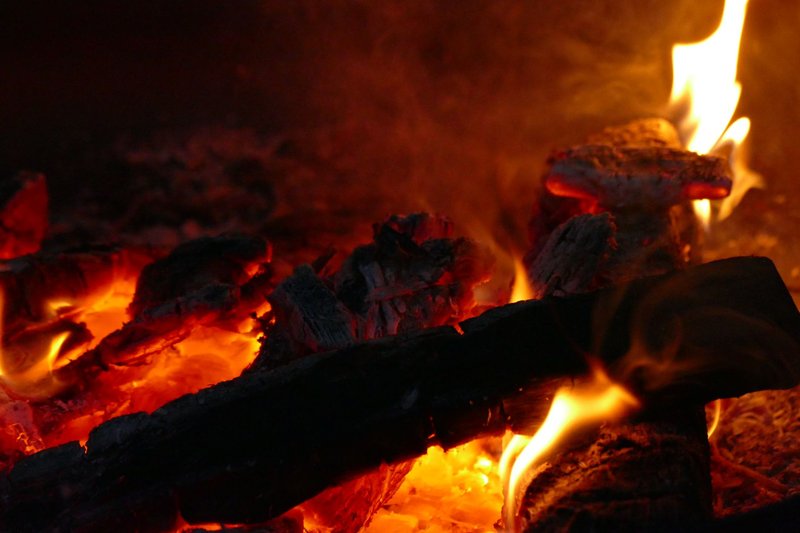
9. Burning wood. A campfire is chemical energy in its most ancient, visible form. The cellulose and lignin in wood combine with oxygen, breaking those bonds and releasing the energy stored in them as heat and light. The energy was originally captured by the tree through photosynthesis, sometimes decades earlier — you’re releasing old sunlight.
10. Gasoline and petroleum. Fossil fuels are concentrated chemical energy, millions of years of buried plant and animal matter compressed into dense hydrocarbon bonds. In a car engine, gasoline ignites and the rapid reaction pushes pistons — chemical energy converting into kinetic energy (and a lot of waste heat). Gasoline packs roughly 33 kilowatt-hours of energy per gallon, which is why it’s so hard to replace.
11. Natural gas. When you light a stove burner, methane reacts with oxygen and burns clean and hot. Chemical energy becomes the thermal energy cooking your dinner. The blue flame (rather than yellow) tells you the combustion is efficient and nearly complete.
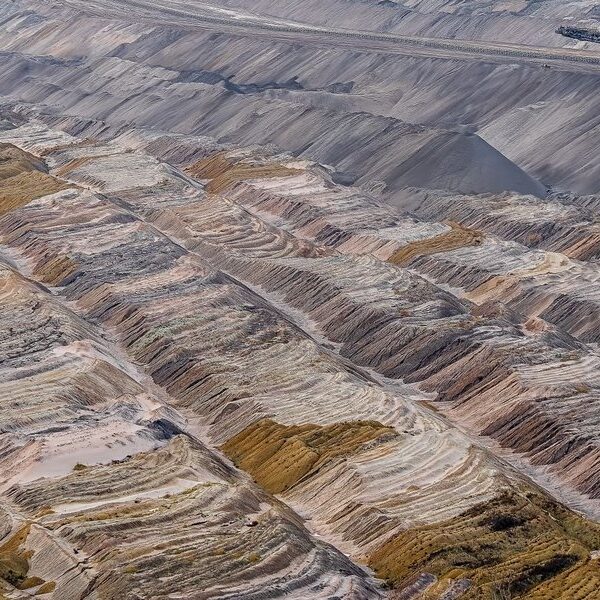
12. Coal. Coal is essentially compressed ancient plant matter — one of the organic sedimentary rocks built from carbon-rich remains — and burning it in a power plant releases its chemical energy as heat, which boils water into steam, which spins a turbine, which generates electricity. It’s a three-step conversion: chemical to thermal to kinetic to electrical. Each step loses some energy, which is part of why coal plants top out around 33–40% efficiency.
Reactions and Safety Devices

13. Fireworks. A firework is chemical energy choreographed. Black powder provides the explosive reaction, while metal salts mixed into the shell determine the color when they burn — copper for blue, strontium for red, barium for green. The chemical energy converts into light, heat, sound, and the kinetic energy that launches and bursts the shell.
14. Explosives. Dynamite, TNT, and their relatives store chemical energy in unstable molecular bonds that release everything almost instantly. The defining trait isn’t how much energy is stored — gasoline holds more per pound — but how fast it comes out. That sudden release is the explosion. Chemical energy becomes a violent burst of heat, light, sound, and pressure.
15. Airbags. A car airbag is a controlled chemical explosion timed to milliseconds. On impact, a sensor triggers a reaction in a pellet of sodium azide, which decomposes into nitrogen gas and inflates the bag faster than you can blink — about 30 milliseconds. Chemical energy converts to the kinetic energy of expanding gas. The same chemistry that powers a bomb, harnessed to save your life.
Exothermic vs. Endothermic (Quick Reference)
Most examples above release energy. A few absorb it. That’s the difference between exothermic and endothermic reactions, and it’s the single most useful distinction for understanding chemical energy.
| Exothermic | Endothermic | |
|---|---|---|
| Energy flow | Releases energy | Absorbs energy |
| Surroundings | Get warmer | Get colder |
| Examples here | Burning wood, batteries, hand warmers, fireworks | Photosynthesis, instant cold packs |
| Stored vs. released | Stored energy comes out | Energy goes into storage |
Photosynthesis is the standout endothermic example — it pulls in light energy and locks it away in glucose bonds rather than releasing it. An instant cold pack does the same trick with a dissolving salt: it absorbs heat from its surroundings, which is why it feels cold.
Try It at Home
You can watch chemical energy convert with two things from your kitchen: baking soda and vinegar.
Pour a few tablespoons of vinegar into a glass, then stir in a spoonful of baking soda. It fizzes immediately — that’s carbon dioxide gas from the reaction. Now touch the glass. It feels slightly cooler than before. This one’s endothermic: the reaction pulled heat in from the liquid and the glass to drive itself forward. You just felt chemical energy move in the direction most examples don’t go.
FAQ
Is chemical energy potential or kinetic energy? Potential. It’s stored in molecular bonds and stays put until a reaction releases it. The kinetic energy (motion, heat) only appears once the reaction happens.
What does chemical energy convert into? Most often thermal energy (heat), but also light, electrical energy, kinetic energy, or sound — depending on the reaction. A battery makes electricity, a candle makes light and heat, an engine makes motion.
Is food chemical energy? Yes. The calories in food measure the chemical energy stored in the bonds of carbohydrates, fats, and proteins, which your body releases through respiration.
What’s the difference between chemical and electrical energy? Chemical energy is stored in bonds; electrical energy is the flow of charge. A battery is the bridge — it converts one into the other.
Why is chemical energy considered stored energy? Because the energy sits in molecular bonds doing nothing measurable until a reaction breaks or rearranges them. A gallon of gasoline holds its energy indefinitely; only combustion turns it loose.