Eswatini is small — about the size of New Jersey — but it packs three caves that each tell a completely different story. One is a granite labyrinth you crawl through with a guide. One is the oldest known mine on the continent. One rewrote the timeline of how modern humans lived. Most pages online only cover a single site, usually the touristy one near Mbabane. This covers all three, with the practical details you actually need to plan a visit.
Table of Contents
- The three caves at a glance
- Gobholo Cave: granite caving near Mbabane
- Lion Cavern: the oldest mine in Africa
- Border Cave: 200,000 years of human history
- Which one should you visit?
The three caves at a glance {#at-a-glance}
These three sites have almost nothing in common except the country they sit in. One is an adventure activity, one is an archaeological monument with a small museum, and one is a working excavation site straddling an international border. Here’s the short version before the detail.
| Cave | Location | Best for | How to visit | Difficulty |
|---|---|---|---|---|
| Gobholo Cave | Near Mbabane, Hhohho | Adventure caving | Guided tour (Swazi Trails) | Moderate to hard |
| Lion Cavern | Ngwenya, Hhohho | History, easy outing | Self-drive + Ngwenya Mine site | Easy |
| Border Cave | Eswatini–South Africa border | Archaeology, deep history | Limited access, mostly studied | Restricted |
Gobholo Cave: granite caving near Mbabane {#gobholo}
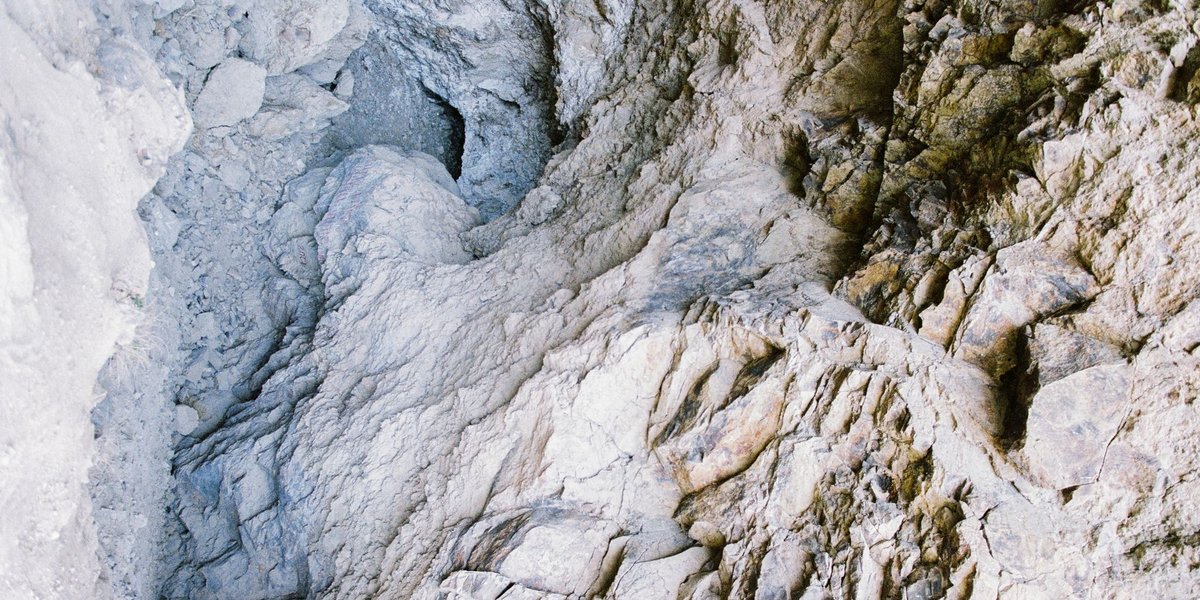
Gobholo is the one the tourism sites push, and for once the hype is earned. It’s one of the longest granite caves in the world — surveyed at roughly 1,099 meters of passage and about 90 meters deep. That granite detail matters more than it sounds. Most of the world’s famous caves are limestone, carved by water dissolving soft rock over millions of years. Granite caves form differently, usually from boulders collapsing and stacking into chambers, which is why Gobholo feels less like a tunnel and more like squeezing between giant rocks the size of houses.
It sits just outside Mbabane, the capital, which makes it the easiest serious caving you’ll find anywhere near a city. Local operators run guided trips through it, and the chamber names tell you what kind of trip it is: the “Key Hole” is a tight squeeze, and there’s a section guides have nicknamed “Platform Nine and Three-Quarters.” You will get muddy. You will be on your hands and knees at points, and there’s some genuine scrambling in the dark.
This is a guided-only experience, and that’s not upselling — the route through stacked granite is genuinely easy to lose, and some sections need a rope. Outfitters like Swazi Trails run the standard tour. Expect to be reasonably fit; the operators flag it for people comfortable with confined spaces and a bit of physical effort. If claustrophobia is a real problem for you, this isn’t the cave.
Plan your visit: Book ahead through a Mbabane-based adventure operator. Wear clothes you’re willing to ruin, bring a change for after, and don’t plan anything formal for the rest of the day. Tours typically run a couple of hours underground.
Lion Cavern: the oldest mine in Africa {#lion-cavern}
Lion Cavern, at Ngwenya in the country’s northwest, isn’t a cave you go caving in. It’s a cave because people dug it out — roughly 43,000 years ago. That makes it the oldest confirmed mine in Africa, and one of the oldest known mining sites anywhere on Earth.
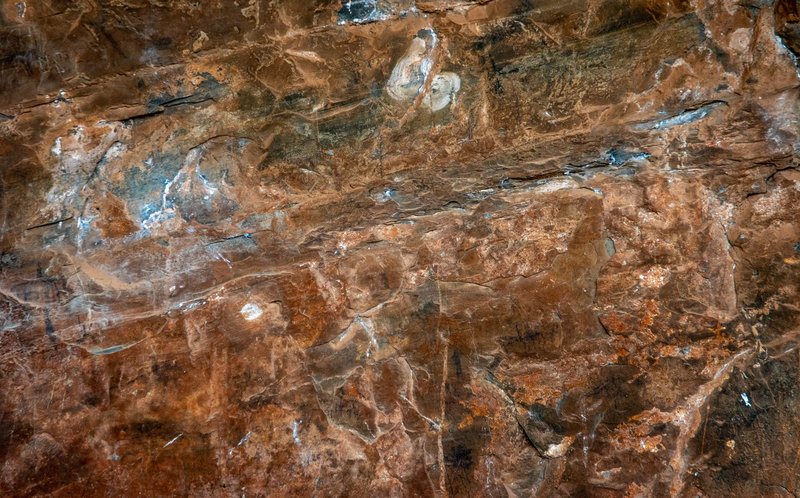
What were they mining? Haematite and specularite — iron-rich minerals that grind down into red and shimmering ochre. This wasn’t iron for tools; smelting was tens of thousands of years away. The ochre was used as pigment, for body decoration and likely ritual and trade. Sitting inside a hole that humans deliberately carved into Ngwenya mountain before the last Ice Age peaked is a different kind of awe than a granite squeeze. People stood exactly there, chipping out red rock, while mammoths still walked parts of the planet.
There’s irony in the location. Ngwenya is also the site of a modern open-pit iron mine that operated in the 20th century, so you have the oldest mine in Africa and an industrial-era mine on the same mountain. The heritage site includes a small museum and a replica smelting furnace that explains the later Iron Age metalworking the region became known for.
Plan your visit: Lion Cavern is the easy one. It’s accessible as part of the Ngwenya Mine and Malolotja area in the Hhohho district, near the Ngwenya border post with South Africa. It earns solid reviews from the handful of visitors who make it out — TripAdvisor lists it at 4.6 stars. Pair it with Malolotja Nature Reserve next door for a full day.
Border Cave: 200,000 years of human history {#border-cave}
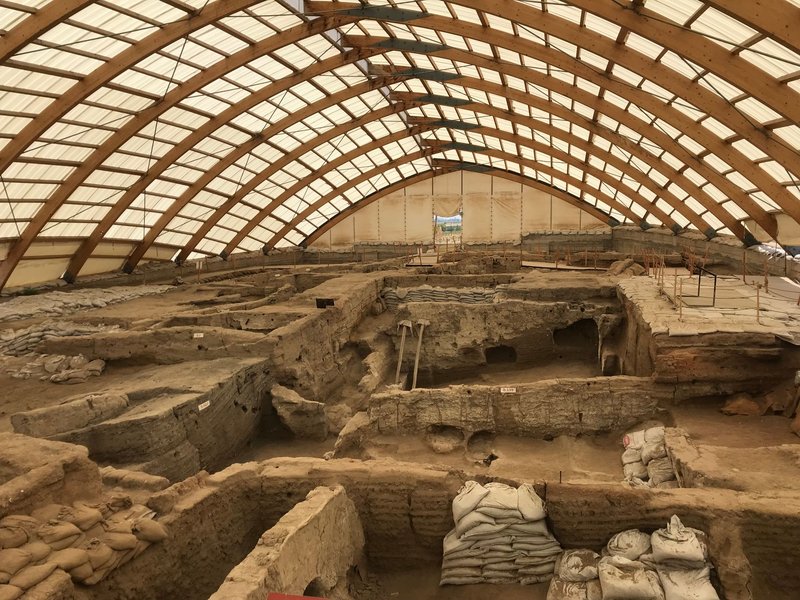
Border Cave is the heavyweight, and it comes with an asterisk: it sits in the Lebombo Mountains right on the line dividing Eswatini and South Africa — hence the name. Depending on how you draw the boundary, it’s often discussed as a South African site, but it’s part of Eswatini’s geography and heritage story too.
What makes it matter is the record buried in its floor. The cave preserves a near-continuous sequence of human occupation stretching across the Middle Stone Age into the Iron Age — a span covering on the order of 200,000 years. Few places on the planet hold that much human time in one column of dirt. Excavations here turned up some of the most significant early-human finds in southern Africa, including the burial of an infant with a perforated seashell, evidence pushing back the timeline on symbolic behavior and deliberate burial.
There’s also been research on ancient bedding and the use of plant material and ash to keep insects away — the kind of detail that turns “early humans lived here” into “early humans managed their living space.” It’s the sort of find that resets textbooks rather than footnotes them.
Practically, Border Cave is not a tourist attraction in the way the other two are. It’s an active and protected archaeological site with restricted access, generally visited through guided heritage arrangements rather than walk-up tours. If your interest is the deep-history side rather than adventure, this is the name to know — even if you experience it through the museum displays and research rather than standing inside it.
Which one should you visit? {#which-one}
It depends on why you came. For an adrenaline afternoon near the capital, Gobholo Cave is the answer — go muddy, go guided, go up for the granite squeeze. For an easy, profound history stop you can fold into a nature-reserve day, Lion Cavern delivers 43,000 years of the past with minimal effort. And if you’re chasing the deepest human story, Border Cave is the one that rewrote the timeline, even if you mostly read about it rather than enter it.
The truth nobody else online quite says: Eswatini’s caves don’t compete with each other. They’re three separate reasons to come — one for your legs, one for your afternoon, one for your sense of how long people have been here. Hit Gobholo and Lion Cavern on the same trip; both sit in the Hhohho district within easy reach of Mbabane.