Your biology textbook wants ten. We’re giving you fifteen, because the moment you start listing herbs you realize wheat, banana, and mint all belong on the same list for the exact same reason: none of them ever grow a woody stem.
Table of Contents
- 15 Examples of Herbs
- What Actually Makes a Plant a Herb
- Herbs vs. Shrubs vs. Trees
- Where Climbers and Creepers Fit In
- The Kitchen Herb Problem: Why Rosemary Confuses Everyone
- Herbs vs. Spices: What’s Actually Different
- FAQ
15 Examples of Herbs
- Wheat — a grass, and grasses are herbs by definition, since their stems stay soft and hollow their whole life.
- Rice — same story as wheat: an annual grass with a green, jointed stem that never lignifies.
- Mustard — the classic Indian and European field crop, done growing and setting seed in one season.
- Tomato — technically a fruit-bearing herb, not a vine or a shrub, despite how sprawling it gets on a trellis.
- Chilli pepper — a soft-stemmed perennial in warm climates but usually grown and harvested as an annual.
- Coriander — the whole plant is one of the rare double agents: the leaves are the herb cilantro, the dried seeds are the spice coriander.
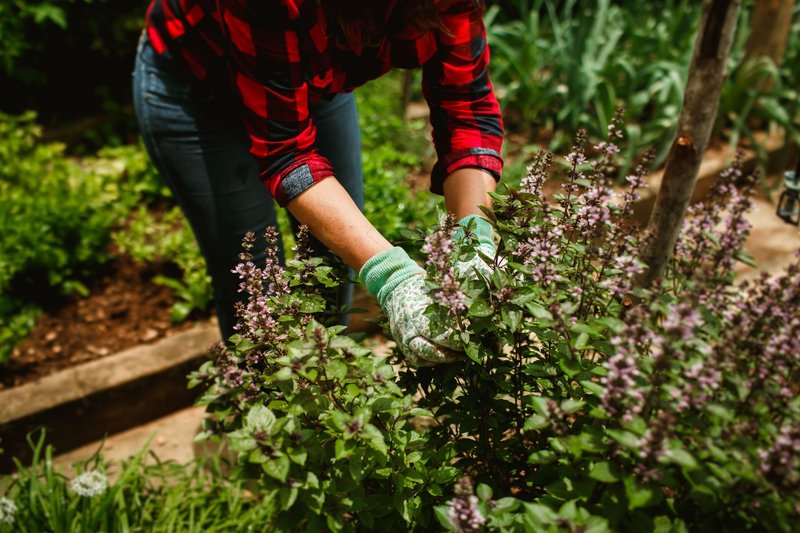
- Mint — spreads through underground runners rather than a woody trunk, which is why it’s nearly impossible to contain in a garden bed.
- Spinach — leafy, fast-growing, and dead within weeks of bolting to seed.
- Fenugreek — grown for both its leaves (methi) and its seeds, and it completes its whole life cycle in about four months.
- Cabbage — a biennial herb that stores energy in that tight leaf head during year one, then flowers in year two if you let it.
- Banana plant — no bark, no wood, just a “pseudostem” of tightly rolled leaf sheaths. It’s widely cited as the largest herb in the world, regularly topping 20 feet.
- Sunflower — an annual that can outgrow a person in a single summer, then collapses once the seed head matures.
- Basil — dies at the first real frost, which is why northern gardeners treat it as a one-season crop even though it’s technically a tender perennial farther south.
- Ginger — the stem you see above ground is soft and grass-like; the part you cook with is an underground rhizome, not a root.
- Turmeric — a close relative of ginger with the same rhizome structure and the same non-woody above-ground growth.
That list mixes cereal crops, kitchen staples, and one plant most people insist is a tree. That’s the point — “herb” isn’t a flavor category. It’s a growth habit.
What Actually Makes a Plant a Herb
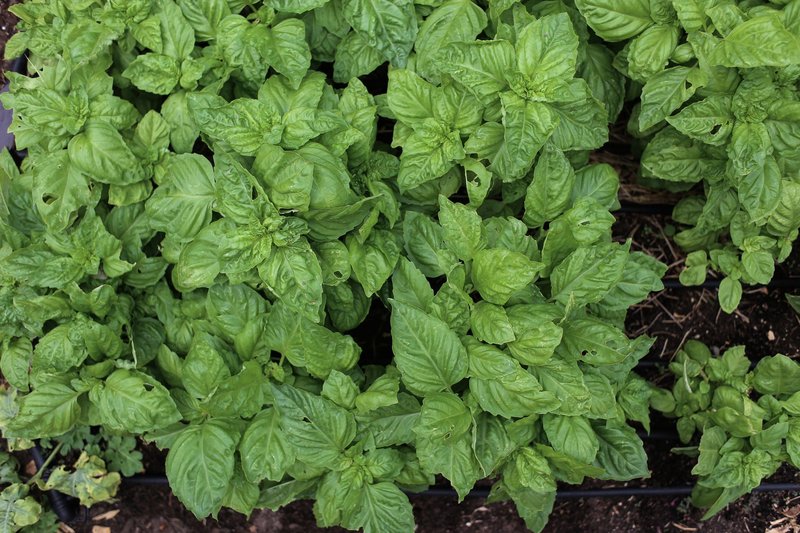
Strip away the spice-rack association and the botanical definition is narrow and mechanical: a herb is a vascular plant whose stem stays soft and green, because it never produces the woody tissue (lignin) that turns a stem into a trunk or a branch. No wood means no permanent above-ground skeleton, which is why almost every herb either finishes its life cycle in a single season or dies back to ground level every winter and regrows from a root, bulb, or rhizome.
That soft-stem rule is also why herbs tend to be shorter-lived than shrubs and trees. Botanists sort plants by life cycle into annuals, biennials, and perennials: annuals like sunflower and tomato complete everything — germination, flowering, seed — in one growing season and then die outright. Biennials like cabbage need two seasons, storing energy in year one and flowering in year two. Herbaceous perennials, like mint, survive multiple years, but only because the roots persist underground while the visible stem dies back and regrows each spring.
Herbs vs. Shrubs vs. Trees
This is the comparison every classroom question is really testing, so here it is stripped down to the four traits that actually matter:
| Trait | Herb | Shrub | Tree |
|---|---|---|---|
| Stem | Soft, green, no wood | Woody, but branches near the base | Woody, single main trunk |
| Typical height | Under 3 feet, rarely more | 3–15 feet | Usually over 15 feet |
| Branching | Little to none | Multiple stems from ground level | Branches form well above the ground |
| Lifespan | Annual, biennial, or short-lived perennial | Multi-year, often decades | Multi-year, often decades to centuries |
| Example | Wheat, tomato, mint | Rose, hibiscus, tulsi (holy basil) | Mango, oak, neem |
The height ranges are rules of thumb, not laws — some herbs, like banana, blow straight through the “under 3 feet” expectation. Wood, not height, is the trait that actually decides the category.
Where Climbers and Creepers Fit In
The classic exam question pairs herbs with shrubs, climbers, and creepers, and that grouping trips people up because climbers and creepers aren’t defined by stem tissue at all — they’re defined by how the plant holds itself up. A climber, like grapevine or money plant, has a stem too weak to stand on its own, so it uses tendrils or twining growth to scale a support. A creeper, like pumpkin or sweet potato vine, has the same weak stem but spreads sideways along the ground instead of climbing. Either one can be herbaceous or woody — a grapevine’s stem toughens with age, while a pumpkin vine stays soft its whole life. So a plant can be a herb and a creeper at the same time; the two labels are answering different questions.
The Kitchen Herb Problem: Why Rosemary Confuses Everyone
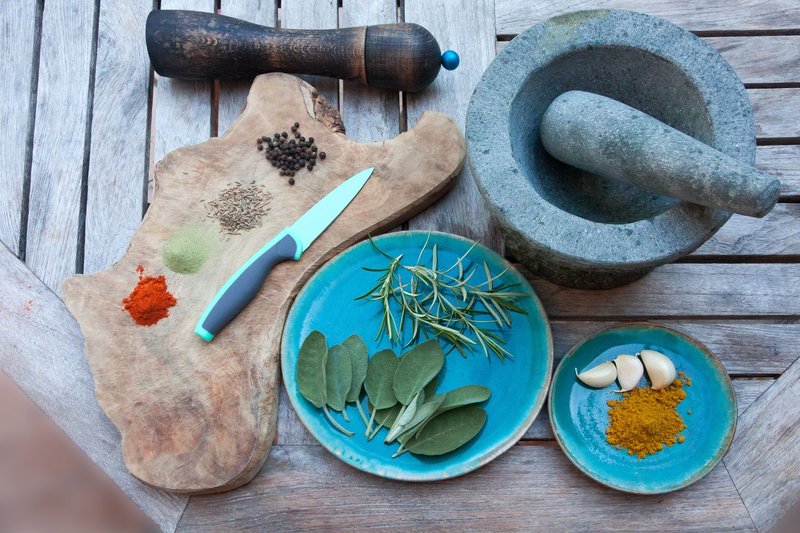
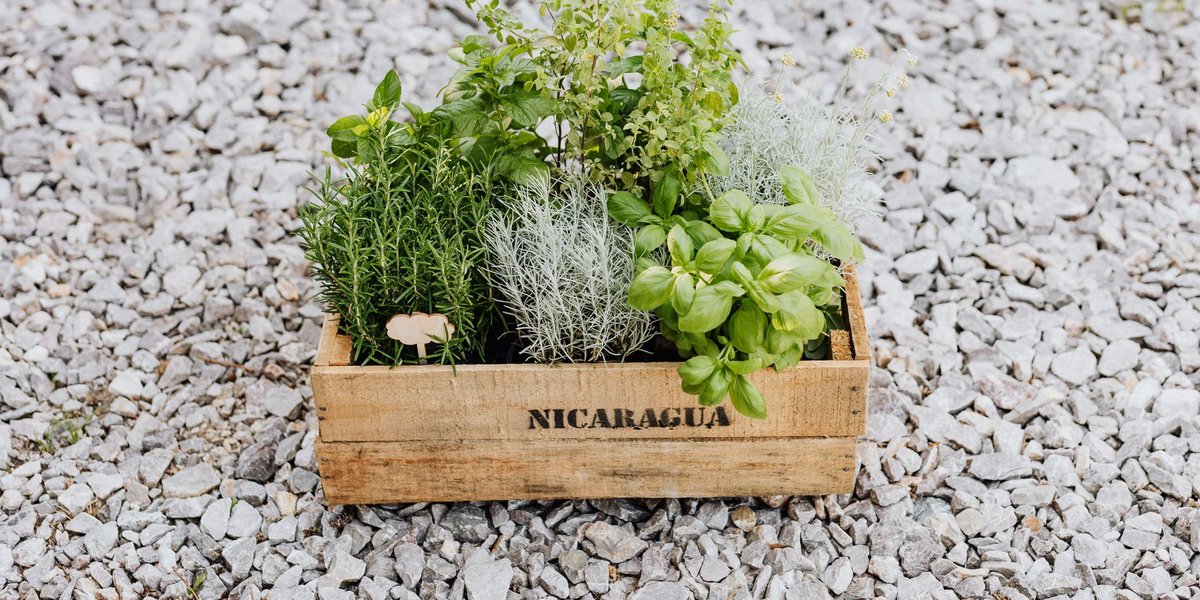
Walk into any grocery store’s herb section and you’ll find rosemary, sage, thyme, and lavender sitting right next to basil and mint. Botanically, that’s sloppy — rosemary and sage grow genuinely woody stems over time and would technically classify closer to small shrubs. Culinary usage doesn’t care. “Herb” in the kitchen means any plant grown for its leaves and used fresh or dried for flavor, aroma, or medicine — something you’ll see across ginger and turmeric for culinary and medicinal use, to mint for its aromatic oils — regardless of what’s happening inside the stem.
That’s a genuinely different definition running in parallel with the botanical one, and both are “correct” for their own purposes. A recipe writer and a botany exam are simply not asking the same question when they say “herb.”
Herbs vs. Spices: What’s Actually Different
The plant-part rule is the cleanest way to keep this straight, and it comes straight from agricultural extension guidance: herbs come from the leafy, green parts of a plant, while spices come from roots, bark, seeds, fruits, or flowers. Coriander is the textbook example of why this matters — the fresh leaves are cilantro, a herb, and the dried seeds from that same plant are coriander, a spice. Ginger and turmeric flip the geography angle: their rhizomes are usually classed as spices even though the whole plant is herbaceous, because the part you actually use grows underground.
FAQ
Are all herbs edible? No. The botanical definition only describes stem structure and life cycle — it says nothing about whether a plant is safe to eat. Foxglove and castor bean are both herbaceous and both toxic.
Do all herbs die every year? Only annuals do. Biennials like cabbage take two years, and herbaceous perennials like mint regrow from the roots for years without ever building a woody stem.
What’s the difference between a herb and a shrub, in plain terms? Wood. A shrub builds a permanent woody skeleton of multiple stems from the ground up; a herb never lignifies enough to do that, so its stem stays soft its entire life.
Is grass technically a herb? Yes. Wheat, rice, and lawn grass are all herbaceous — soft-stemmed, no wood, dying back to the root system or to seed.
Why is a banana plant called a herb if it looks like a tree? Because “tree” describes wood, and a banana’s trunk is a pseudostem made of rolled leaf sheaths with zero woody tissue — genuinely just a very large herb wearing a tree’s silhouette.