Lebanon is smaller than Connecticut, yet checklists put the birds of Lebanon at roughly 405 to 409 species. The reason is geography. The country sits on one of the busiest migration corridors on Earth, and most of those species are passing through rather than staying.
TLDR
- Species count: about 405 to 409, depending on the checklist. The UNDP photographic guide to the birds of Lebanon covers 409 species in its latest edition, up from 403 in earlier ones. Counts differ because new species get added and records get reviewed.
- Why so many: Lebanon lies on the Africa-Eurasia flyway. Soaring birds follow the land instead of crossing open sea.
- Best seasons: spring passage (March to May) and autumn passage (late August to October). Winter is best for waterbirds. Summer is best for mountain birds.
- Best sites: Aammiq Wetland, Kfar Zabad, Al-Shouf Cedar Reserve, Horsh Ehden and Jabal Moussa.
- Biggest threat: shooting of migrating birds, along with habitat loss.
Contents
- Why Lebanon has so many birds
- Birds of prey and big migrants
- Wetland birds
- Mountain and cedar forest birds
- Farmland and garden birds
- Coastal birds
- Where to see birds in Lebanon
- Seasonal calendar
- Threats and conservation
- Field guides worth owning
Why Lebanon has so many birds
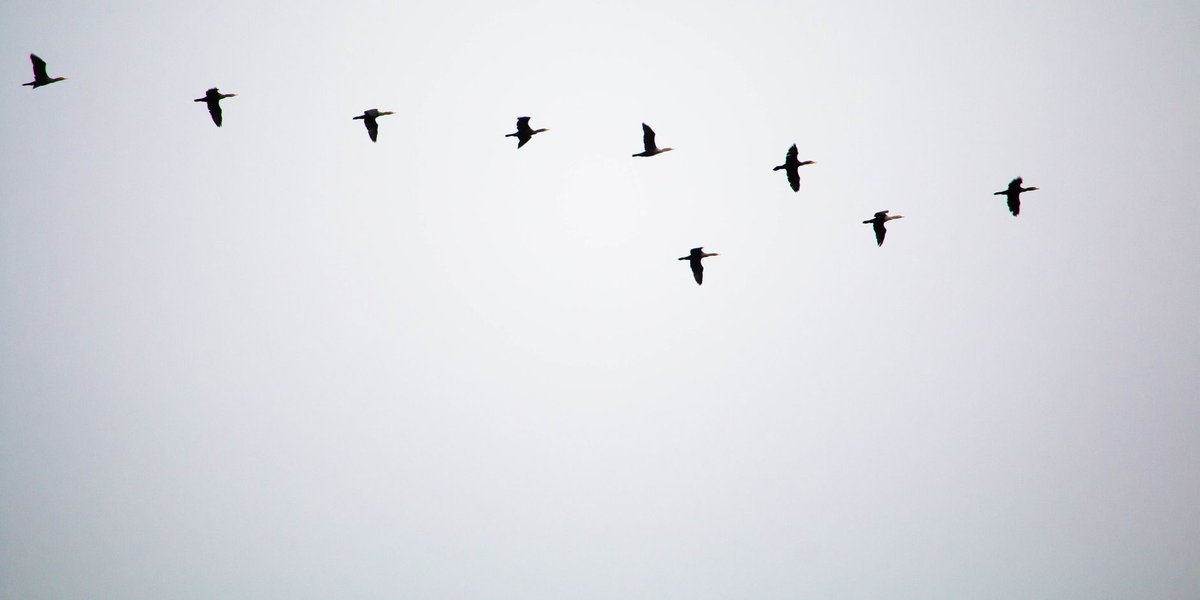
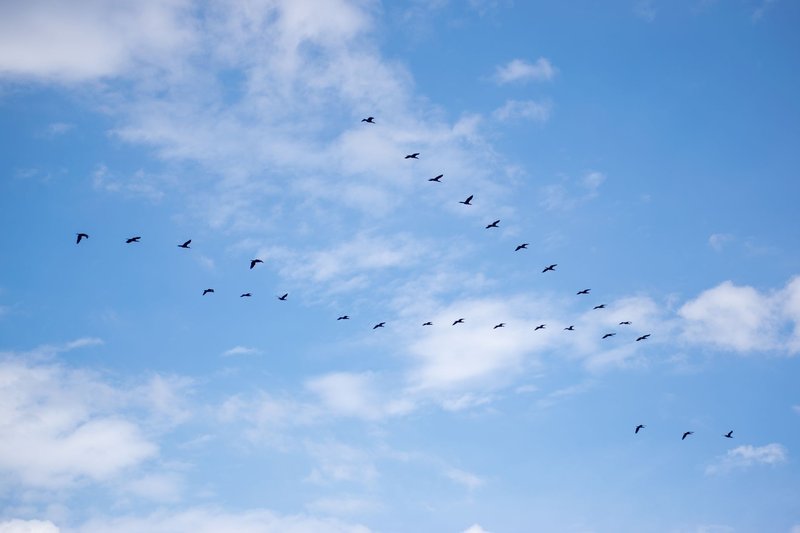
Big birds such as storks, eagles and buzzards don’t flap across long stretches of sea. They glide on rising columns of warm air, and those columns form over land. So in autumn, birds that bred in Europe and western Asia funnel south along the eastern Mediterranean coast, then on through the Levant toward Africa. In spring they make the trip in reverse.
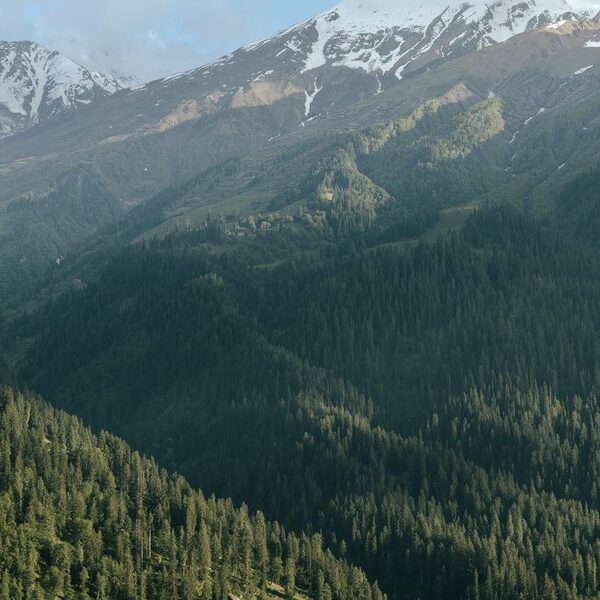
Lebanon’s two mountain chains, Mount Lebanon and the Anti-Lebanon, run parallel to the coast with the Bekaa Valley between them. The ridges give the birds lift. The valley gives them a route. Hundreds of thousands of raptors and storks use this corridor each year.
Add the habitats packed into a country about 200 km long (coast, marsh, steppe, cedar forest and alpine scree) and you get a checklist far bigger than the land area suggests. BirdLife International tracks the Important Bird Areas that hold the key sites.
Birds of prey and big migrants
This is the headline act. Most of these are passage migrants, meaning they appear for a few weeks in spring and autumn and then they’re gone.
- European Honey Buzzard. Small head on a long neck, barred tail, wings held flat when it glides. It specializes in raiding wasp nests. Passage migrant, with the main flow in late August and September.
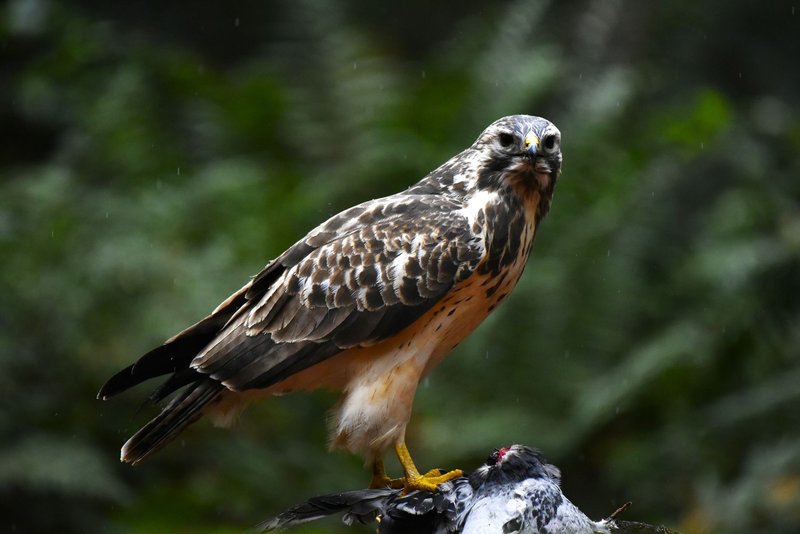
- Common (Steppe) Buzzard. Broad wings, short tail, plumage from pale to dark chocolate. The eastern birds often show a rusty tail. Passage migrant and winter visitor, so it’s the raptor you’re most likely to see in January.
- Levant Sparrowhawk. Compact, with pale underparts and dark wingtips on adults. It travels in tight flocks that can number in the thousands. Passage migrant, mostly in spring and early autumn.
- Short-toed Snake Eagle. Pale underside, big round owl-like head, and a habit of hovering over open ground while it hunts reptiles. Passage migrant, with some summer breeders.
- Egyptian Vulture. Adults are white with black flight feathers, a yellow face and a wedge-shaped tail. It’s listed as Endangered on the IUCN Red List. Passage migrant and rare summer visitor.
- White Stork. White with black flight feathers, red bill and legs. Flocks of hundreds spiral up on thermals in Bekaa. Passage migrant, spring and autumn.
- Black Stork. Darker and shyer, black with a white belly and red bill. It travels in smaller groups, often mixed in with white storks. Passage migrant.
Wetland birds
Lebanon has few wetlands, so the ones that survive attract everything. Most of the species below are easiest to find from autumn through spring.
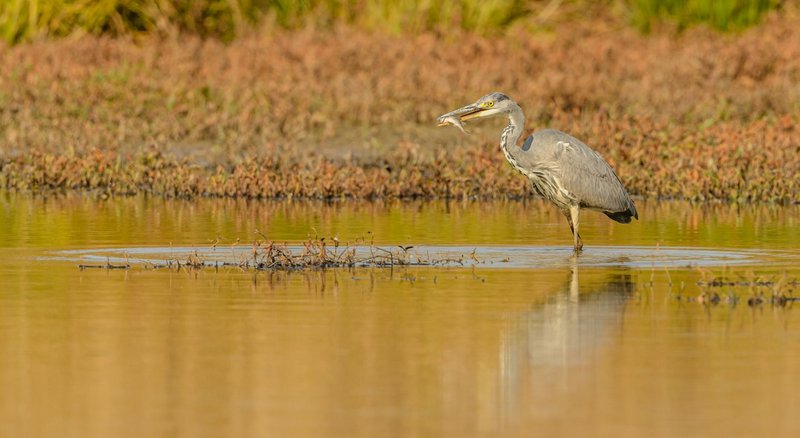
- Grey Heron. Tall, grey and upright, with a black eyebrow stripe and a dagger bill. Resident and winter visitor.
- Little Egret. Small, white, black bill, yellow feet. It stirs mud with those feet to flush out prey. Resident and passage migrant.
- Black-winged Stilt. Black and white with absurdly long pink legs. It wades in shallow water. Summer visitor and passage migrant.
- Great White Pelican. Huge, white, with a pink-yellow bill pouch. Passage migrant that sometimes drops into wetlands and coastal waters to rest. A flock gliding overhead is hard to mistake for anything else.
- Common Kingfisher. Electric blue back, orange chest, and a dive that ends in a splash. Resident and winter visitor along streams and marsh channels.
- Eurasian Coot. Black, with a white bill and forehead shield. It’s loud, territorial and often in big groups. Resident and winter visitor.
Mountain and cedar forest birds
Up in the mountains the birds are smaller and harder to spot. Most of them stay all year.
- Syrian Serin. A small streaky finch with yellow-green tones and a short bill. It breeds on high, rocky slopes in the eastern Mediterranean and drifts lower in winter. The IUCN lists it as Near Threatened, and its range is small. Resident and altitudinal migrant.
- Western Rock Nuthatch. Blue-grey back, pale underparts and a black eye stripe. It climbs cliffs and boulders the way other nuthatches climb trees, and its song is a loud, ringing trill. Resident.
- Eurasian Jay. Pinkish-brown with a blue wing patch and a harsh screech. It’s often the first bird you hear in oak and cedar woods. Resident.
- Chukar. A plump partridge with a black necklace and bold bars on the flanks. Look on dry, stony hillsides, where it runs before it flies. Resident.
- Masked Shrike. Black mask, white forehead, and a rusty flank. It perches on bare branches in open woodland and scrub. Summer visitor, April to September.
- Eurasian Hoopoe. Orange crest, black-and-white zebra wings, curved bill. It probes lawns and orchard ground for insects. Summer visitor, with some birds staying through winter.
Farmland and garden birds
These are the birds you can see without leaving your village.
- European Bee-eater. Chestnut, yellow and turquoise, with a hawking flight and a rolling prruup call. Big flocks pass in spring and autumn, and some stay to breed. Summer visitor and passage migrant.
- European Roller. Sky-blue with a brown back, sitting on wires. Look for the tumbling display flight. Passage migrant in spring and autumn.
- Eurasian Golden Oriole. The male is bright yellow with black wings, but it hides in the canopy. You’ll hear the fluting call before you see it. Summer visitor and passage migrant.
Coastal birds
The coast is crowded and heavily built up, but gulls, terns and small waders still use what’s left.
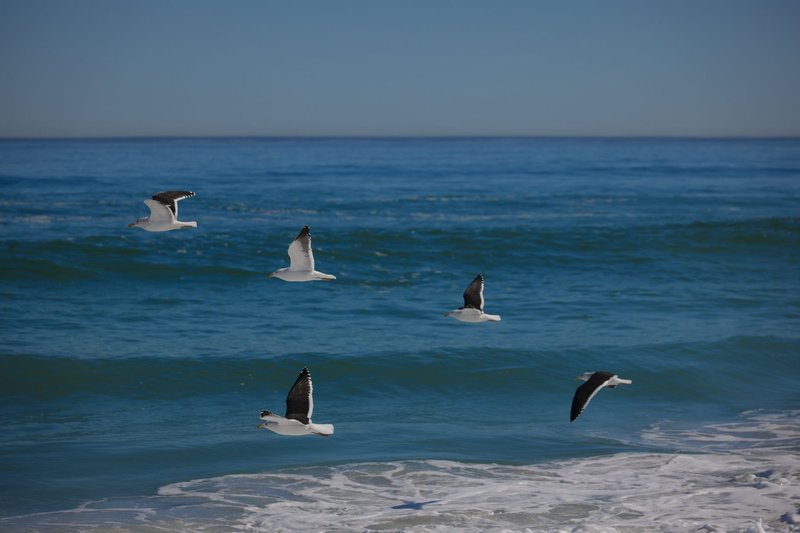
- Yellow-legged Gull. Grey back, yellow bill with a red spot, yellow legs. It’s the gull on every Lebanese harbor wall. Resident.
- Kentish Plover. Small, sandy, with a pale collar. It nests on open sand and shingle, which makes it vulnerable to beach traffic. Resident and winter visitor.
- White-breasted Kingfisher. Chestnut head and belly, white throat patch and a turquoise back, with a thick red bill. Often seen on wires and coastal roads, not just near water. Resident.
- Sandwich Tern. Pale grey and white with a black cap, a shaggy crest and a black bill with a yellow tip. Winter visitor and passage migrant. It plunges from height after small fish.
Where to see birds in Lebanon
No single site covers it all. The marshes suit waterbirds, the ridges suit raptors, and the cedar slopes suit the residents. Here are the five that matter.
Aammiq Wetland (Bekaa Valley). The largest remaining freshwater wetland in Lebanon and a Ramsar-listed site. Go in spring and autumn for herons, waders and passing storks, and in winter for waterfowl. The marshes are managed as a protected area, so check access before you go.
Kfar Zabad (Bekaa Valley). A small wetland fed by springs, near Zahle. Smaller than Aammiq, but easier to walk, and a good place to see herons, kingfishers and reed-bed birds up close.
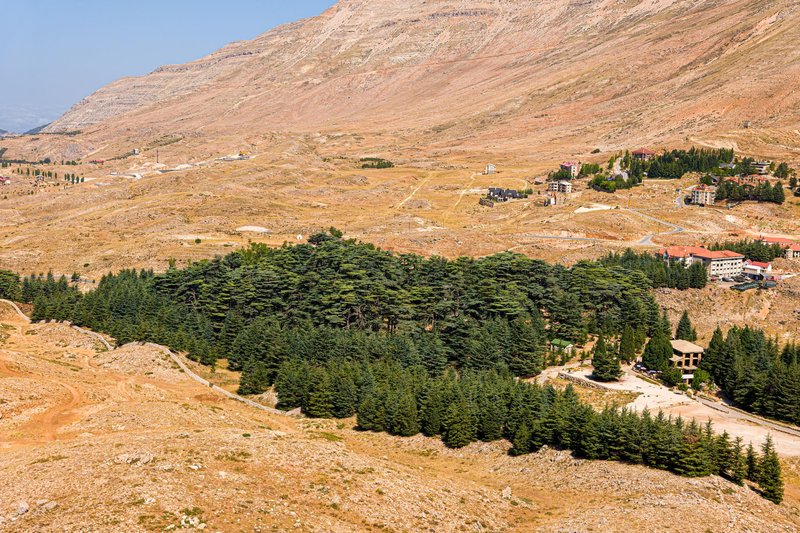
Al-Shouf Cedar Reserve. The country’s largest nature reserve, a UNESCO biosphere reserve since 2005, with ancient cedar stands and juniper slopes. Visit in late spring and summer for jays, tits, woodpeckers and mountain residents, plus raptors overhead.
Horsh Ehden. A forest reserve in the north with cedar, fir and oak woodland across a steep range of altitude. It’s good for forest birds and for walking trails. Dawn is best.
Jabal Moussa. A UNESCO biosphere reserve in Keserwan, with steep valleys where raptors ride the thermals in migration season. Go in September for the autumn flow.
Seasonal calendar
| Period | What to expect | Best place |
|---|---|---|
| December to February | Winter visitors: coots, herons, gulls, cormorants, wintering buzzards | Aammiq, coast |
| March to May | Spring passage: storks, raptors, bee-eaters, rollers, orioles. Summer visitors arrive | Bekaa, Jabal Moussa |
| June to July | Breeding season. Mountain residents and summer visitors | Al-Shouf, Horsh Ehden |
| August to October | Autumn passage. Honey buzzards and Levant sparrowhawks in late August and September, storks in September, buzzards into October | Jabal Moussa, Bekaa |
| November | Passage tails off. Winter birds settle in | Wetlands, coast |
Timing varies from year to year with weather. Strong headwinds slow the birds and bunch them up, while good thermals let them pass quickly at high altitude.
Threats and conservation
The same corridor that brings so many birds exposes them to guns. Hunting during migration is a long-standing problem in Lebanon. Large soaring birds such as storks, raptors and pelicans are shot as they pass, even though many are legally protected. Lebanon has a hunting law, but enforcement is inconsistent.
Habitat loss is the quieter threat. Wetlands are drained, coastlines built over and forests thinned. Several species recorded in Lebanon are globally threatened, including the Egyptian Vulture (Endangered) and the Syrian Serin (Near Threatened). You can check any species’ status on the IUCN Red List.
Local groups carry much of the work, including the Society for the Protection of Nature in Lebanon (SPNL), BirdLife’s partner in the country, which supports community-managed reserves called hima, and the Association for Bird Conservation in Lebanon (ABCL), which focuses on illegal hunting. Birders help too, since every checklist submitted adds data on who’s passing through and when.
Field guides worth owning
- Birds of Lebanon: A Photographic Guide (UNDP, 409 species in the latest edition). The best book reference for the country.
- A guide to 200 common birds of Lebanon from A Rocha Lebanon. A shorter option for beginners.
- Collins Bird Guide. Covers the whole region and is the standard for identifying tricky species, such as warblers and larks.
- eBird (free app and website). Lets you check recent sightings by location, and it shows what’s been seen at Aammiq last week.
Bring binoculars and arrive early. Lebanon’s birds are no secret to the people who live there, but the country still gets far fewer birders than its list deserves.